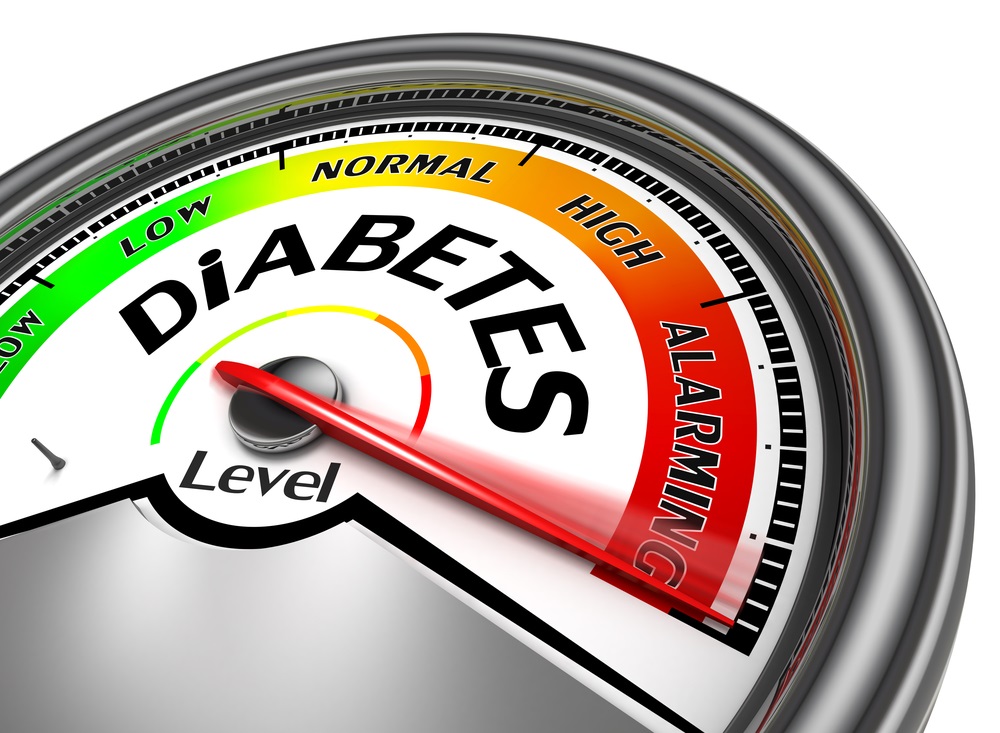
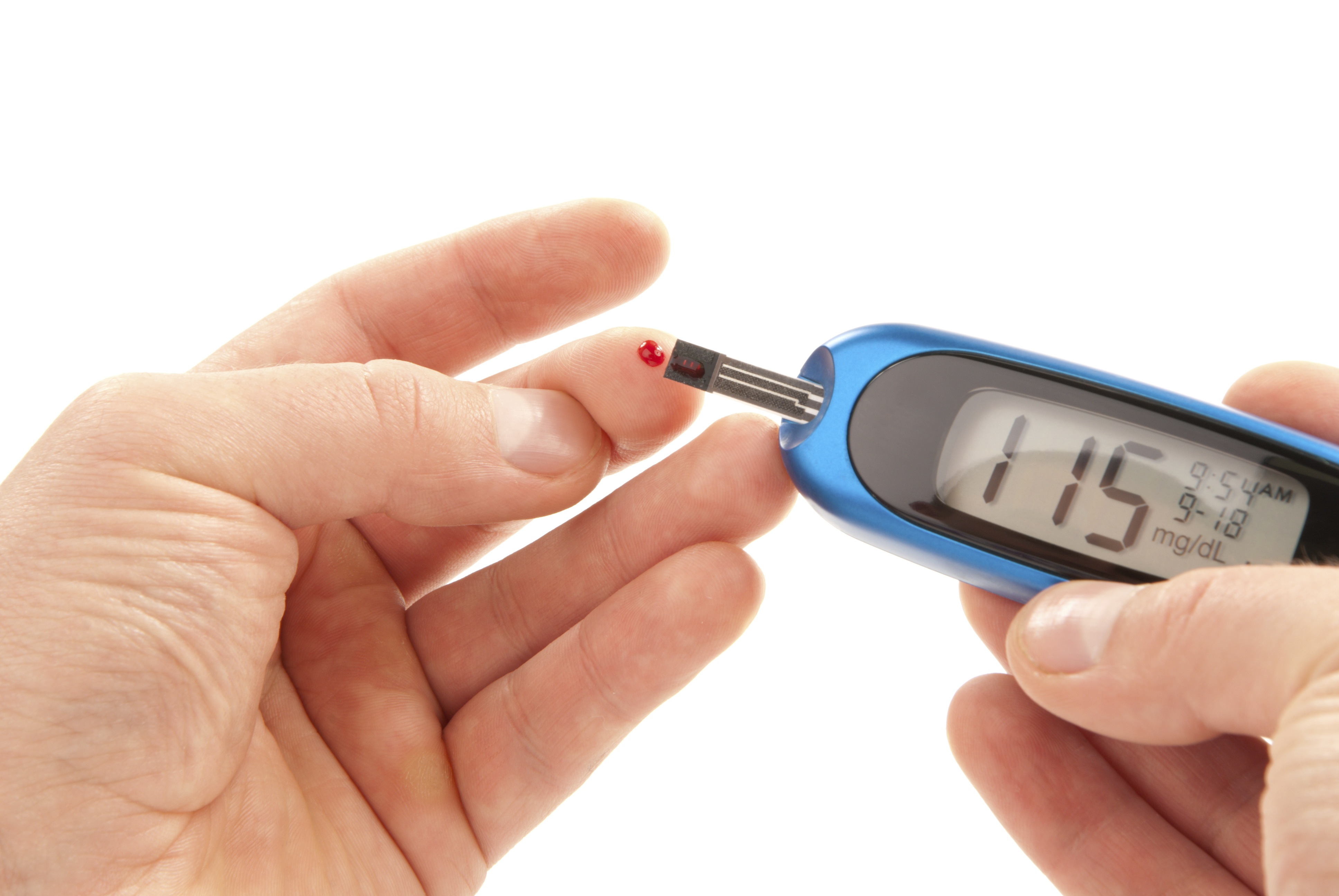
The collective expression of obesity, insulin resistance, metabolic syndrome, systemic inflammation and Type 2 diabetes is now commonly referred to by the term diabesity. This multi-faceted condition is predicted to be the single most pervasive global health epidemic of our time with as many as 366 million people affected worldwide by 2030[1]. Most will experience an estimated 8 to 10 year reduction in life expectancy[2]. Accordingly, it is hard to overstate diabesity’s impact. It is already the leading cause of heart disease, stroke, dementia, cancer and premature death. Unlike most prior epidemics, however, it is almost always precipitated by lifestyle as well as environmental factors[3].
Diabesity
Diabesity damage commonly begins long before full-blown diabetes manifests or is clinically diagnosed. During what is now diagnosed as pre-diabetes the stage is being set for the later, devastating ‘side effects’ of full-blown diabetes. These effects also include high blood pressure, fatty liver, depression, nervous system damage (which may lead to amputation of limbs), sexual dysfunction, retinopathy (blindness caused by damage to tiny blood vessels inside the retina of the eye), periodental and gum disease and heart disease. Accordingly, a clinical diagnosis of pre-diabetes should be treated as seriously as a diagnosis of diabetes.
Perhaps the single greatest driver of Type 2 diabetes is obesity. Simply put, as your waistline increases (elevated waist circumference is considered to be greater than 40 inches for men and greater than 35 inches for women) your risk of death from heart disease, cancer and so many other diseases increases as well. By making wise lifestyle changes that incorporate dietary modification, exercise and stress management, as well as targeted and high quality supplementation, effective weight loss can be achieved. Moreover, it is possible to limit or even completely reverse the effects caused by diabesity. Commonly lacking in people with Type 2 diabetes[4] as well as obese people in general are several minerals critical to maintaining healthy blood sugar levels. Chromium helps blood sugar enter the cells by supporting the natural function of insulin at the cell membrane. It assists in maintaining healthy glucose, insulin, cholesterol and HA1c[5] (a protein found in the body that is an indication of how well blood sugar has performed over the last three months) levels.
Natural Methods to Support Your Body
 Vanadium, a mineral with insulin-like properties[6], promotes better blood sugar metabolism in both the muscle and the liver[7]. Magnesium, a critically important mineral, improves insulin sensitivity and helps lower HA1c levels in Type 2 diabetics and in non-diabetic adults.[8],[9] Not surprisingly these minerals are deficient or even missing in most American diets. Our diets provide the nutritional information our body translates into instructions for the genes that will either keep us healthy or make us sick[10]. Clearly, a healthful diet is critical for appropriate gene programming. In addition to eating a wide variety of real and whole foods, it is advisable to add a high-quality vitamin and mineral supplement to fill the gaps in our diet as well as to provide some of the minerals that may be lacking in our soil due to current agricultural practices.There are many widely studied nutraceuticals that have been shown to help precipitate good health and protect against the ravages of diabesity. Resveratrol, notably found in red wine and the skin of red grapes, activates the SIRT1 gene which turns on other genes that directly influence insulin and fat burning[11], and may be helpful for diabetics[12]. It decreases inflammation in fat cells and boosts adiponectin[13] (a hormone produced and secreted exclusively by adipocytes or fat cells that regulate the metabolism of lipids and glucose).
Green coffee berries contain polyphenols and chlorogenic acid which helps the liver metabolize sugar effectively by modulating the enzyme glucose-6-phosphatase[14], an enzyme that plays a key role in the homeostatic regulation of blood glucose levels. They have been shown to improve glucose tolerance, decrease cholesterol and triglycerides[15] and may also be effective in controlling mildly elevated blood pressure[16] which is common in diabetics. DHA (part of omega 3 fatty acids) decreases the inflammation[17] associated with blood sugar and insulin problems and directly boosts the production of adiponectin[18]. Diabetics tend to have high levels of AGEs or Advanced Glycation End-products. Damaging AGEs are formed by the cross-linking of certain proteins and sugars. The amino acid L-Carnosine may be effective in inhibiting AGEs formation. It may protect kidney cells from the effects of high glucose levels, helping to decrease the risk of diabetic kidney disease or nephropathy.[19],[20] It may also decrease protein cross-linking in the lens of the eye and help reduce the risk of cataract formation, a common diabetic complication[21].
Chronic Inflammation
The damage from chronic inflammation is well documented and people with diabesity tend to have extremely high inflammation levels. Fat cells generate inflammatory cytokines, chemicals that disrupt the body’s response to insulin, and leptin (a “satiety” hormone made by fat cells that is involved in the regulation of body fat), thus disabling their ability to properly metabolize sugars, fats, and protein[22]. A powerful spice, turmeric, and specifically its active ingredient curcumin, is very effective in quelling inflammation at the cellular level. Curcumin can improve blood sugar levels by increasing sugar uptake from the blood, decreasing new glucose formation and thus increasing insulin’s effectiveness. Curcumin also reduces dangerous inflammatory markers such as IL6 and TNF-Alpha that are generally elevated in diabetics and may also help to protect nerve and brain cells. As noted, by adopting meaningful lifestyle changes it is possible to stop, or even reverse the ravages of diabesity. With effective diet, supplements, exercise and stress management we can anticipate lives of extended health and wellness rather than fear an inevitable decline into the life-altering changes and ravages of diabesity.
Click here to view all sources and references for this article!