Tag: anxiety

Health Spotlight: Hidden Daily Stressors

Health Spotlight: Hidden Daily Stressors

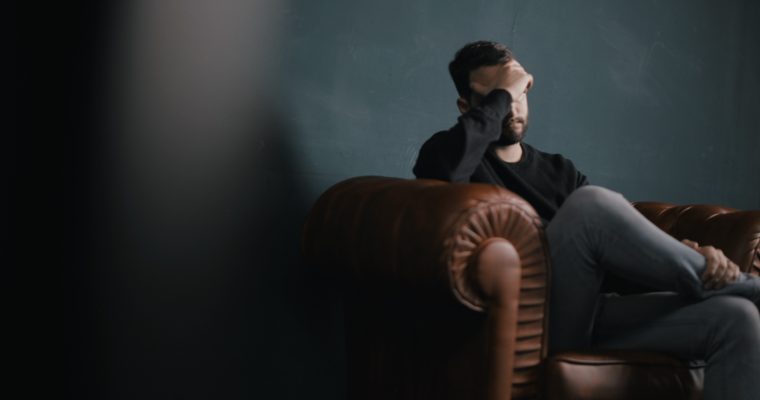
Photo by Nik Shuliahin on Unsplash It’s no secret that stress is part of our lives, but how we manage it is what makes the biggest difference in our health. If we don’t find ways to manage our stress, we run the risk of creating 

Mental Health Spotlight: Back-to-School Anxiety in Children

Mental Health Spotlight: Back-to-School Anxiety in Children

Photo by Plush Design Studio on Unsplash It’s the start of a new school year, and most kids are feeling mixed emotions this time of the year. Going back to school is exciting, but many can feel a bit anxious. The cause of anxiety at 

The Myths and Facts about Depression

The Myths and Facts about Depression

Photo by Chad Madden on Unsplash

Everyone feels sad from time to time; It’s a human reaction to stress, loss, relationship problems, and lots of other normal life circumstances. Depression does not fall into that category. When someone is truly depressed, it’s not the same form of sadness. Depression is a serious medical illness that negatively affects how you feel, the way you think, and how you act on a regular basis. In severe cases, it leads to suicide – 15% of people who are clinically depressed die by suicide. In light of Robin Williams’ tragic death by suicide, it’s important to know that he is far from the only one who has suffered from this disease. It’s also important to shed some light on the situation. Depression is very common, and it can end tragically, as we have seen.

1. Depression doesn’t judge based on race, gender, age, or social position.

Sometimes you’ll hear things like, “But how can you be depressed, you are so rich/attractive/young, etc”. That does not matter – anyone can become depressed. It’s important to avoid saying anything along those lines to someone who is depressed. It will only contribute to feelings of overwhelming guilt, which happens a lot among those who suffer from this condition. Second clinical trial on the use of BioCurcumin in people with depression It’s a chemical imbalance that co-exists with panic attacks, compulsive thoughts and habits, social phobia, and any number of other issues. It doesn’t matter if someone is male or female, 75 or 25, black, white, purple, green, or anything else – anyone can fall victim, and if you have a friend who’s battling and struggling, it’s important to know that they didn’t choose it, they are not crazy, they are sick and they can get better.

2. Treatment and medication CAN help.

The public often dismisses therapy, counseling and anti-depressant medications as useless and ineffective. This is false. In fact, 80% of people that seek treatment for this condition are treated successfully. There are more cases of depression today because scientists have gotten better at identifying the chemical reasons and doctors have gotten better at diagnosing it. Anti-depressants won’t fix the problem, but they will help stabilize the mind so they can fix the problems themselves. Don’t be ashamed to seek help. It could save your life. Can Fish Oil Capsules Help in Major Depression?

3. It can lead to substance abuse. Substance abuse can also lead to depression.

These two conditions are very closely related, and it often becomes a “chicken or egg” situation that might be hard to figure out. Substance abuse can severely alter your brain chemistry to the point where depression, anxiety and other mental health problems become unavoidable. On the other hand, this condition can make feelings of intense sadness, hopelessness and despair so overwhelming that someone feels the only way they can escape is through drugs. Certain drugs including benzodiazipines, beta-blockers, statins, opiates, and anticonvulsants can all produce chemical changes that result in depression. In treatment, it might be hard to figure out if the depression or the substance abuse came first. If you believe you are depressed, it’s crucially important to avoid self-medicating with drugs and alcohol.

4. It is not a sign of mental weakness.

There is a lot of social stigma that surrounds the condition, and the term “depressed” is often referred to in conjunction with weakness. This is not true. True depression causes profound changes in the brain and the body. It’s important that we as a society begin to view depression as less of a mental defect and more of a true illness, because that is what it is. This condition manifests in many more places than just the brain – those who suffer are likely to feel physical pain, including stabbing pain in the chest and joint and/or muscle pain. It starts in your head, yes, but when you’re clinically depressed, it’s not just mental. New Study: Cocoa Polyphenols Improve Energy, Depression & Anxiety

5. Depressed people are not always traditionally “sad”.

This condition brings on a whole lot of unpleasant feelings, and it’s not always characterized by tears and misery. Many people who are depressed feel overwhelmingly guilty, worthless, hopeless, and commonly, numb. Sometimes depression is characterized by feeling nothing at all. Someone who is happy when they are with their friends can still be suffering from depression. If you or a loved one is suffering from depression, get help now. Call the Suicide Prevention Lifeline at 1.800.273.TALK to get help for yourself or a friend. For more information about depression, visit the National Institute of Mental Health or the National Alliance on Mental Illness.

Sources:

Do you suffer from depression? Share your story in the comments!

INVITE® HEALTH CURRENT SALE

Health Spotlight: Natural Anxiety Relief

Health Spotlight: Natural Anxiety Relief

Photo by Carolina Heza on Unsplash Let’s face it – it’s normal to get a little stressed and overwhelmed sometimes. But overwhelming anxiety and constant worry can take a major toll on your body and mind. Anxiety currently affects roughly seven million people in the 

Mental Illness May Reduce Life Expectancy More than Cigarette Smoking

Mental Illness May Reduce Life Expectancy More than Cigarette Smoking

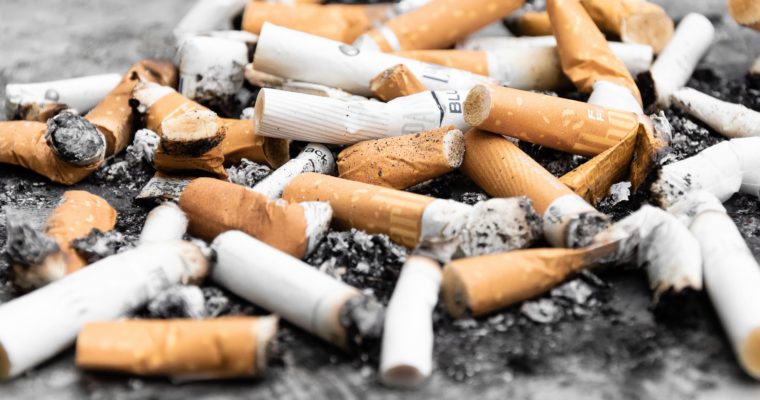
Photo by Pawe? Czerwi?ski on Unsplash According to a recent study by Oxford University, serious mental illnesses may potentially decrease lifespan by much more than smoking cigarettes. A combination of smoking cigarettes and poor mental health could significantly shorten your life expectancy. Oxford scientists found 

How Bad is your Stress and What Does it Mean for Your Body? by Jerry Hickey, Ph.

How Bad is your Stress and What Does it Mean for Your Body? by Jerry Hickey, Ph.

Photo by Ben White on Unsplash

Now that the kids are back in school, most families start their day off at a hectic pace and much earlier than they would like. The moment that alarm goes off, parents struggle with waking their kids, preparing breakfast, packing lunches, dropping the kids off or getting them on the school bus, and then of course the parents head off to work. Yes, the “chaos” is back, or should I say your stress level is on the rise again! You may need some safe and effective help managing your stress levels in order to cope with your daily routine.

The Impact of Stress on Your Body

According to Harvard Medical School, stress can severely impact natural abilities of the body. Research suggests that, when chronic, it can raise the level of chemicals that increase appetite, which may cause weight gain. Several studies have also concluded that you may be more likely to get a cold when you are under stress, as it can impact particular immune system cells. Harvard also details that it may damage your blood vessels, impacting your blood pressure and cholesterol levels.

How to Thrive, Not Just Survive with Stress! Click here to read more >>

Coping with stress and anxietyHickey, stress, invitehealth, anxiety, cope, mental health

Exercise has many-many benefits; helping to burn belly fat, lower cholesterol and blood pressure, and improve glucose sensitivity. Exercise is also an excellent antidote for stress and anxiety; aerobic exercise can reduce anxiety by up to 50% according to research. Exercise may also improve sleep disorders. This is important because adequate rest improves the ability to respond to stress properly. The correct amount of sleep each night for most healthy adults averages 7 to 8 hours.

Decrease the amount of caffeine you consume; 2 cups of coffee doubles the amount of epinephrine (a stress hormone) your adrenal glands release. Epinephrine is a “fight or flight” hormone, and it plays a central role in the short-term reaction to stress. It is released from the adrenal glands when danger threatens or in an emergency, or if you are stressed out.

This is what happens to your gut when you are stressed out. Click here to read more >>

When secreted into the bloodstream, epinephrine rapidly prepares the body for action in emergency situations. The hormone boosts the supply of oxygen and glucose to the brain and muscles, while suppressing other non-emergency bodily processes, such as digestion of food. Epinephrine increases your heart rate, dilates your pupils, and constricts the small blood vessels in the skin and gastrointestinal tract while dilating those in muscle improving the supply of blood and energy to muscle. Epinephrine elevates your blood sugar level. Like some other stress hormones, epinephrine has a suppressive effect on your immune system, increasing your risk of upper respiratory tract infection (usually a flu or cold infection).

Stressed out? What supplements to you take to help manage it? Leave a comment below to join in the conversation!

INVITE® HEALTH CURRENT SALE