Tag: digestion

5 Reasons to Take Probiotics and Why They’re So Good for You

5 Reasons to Take Probiotics and Why They’re So Good for You

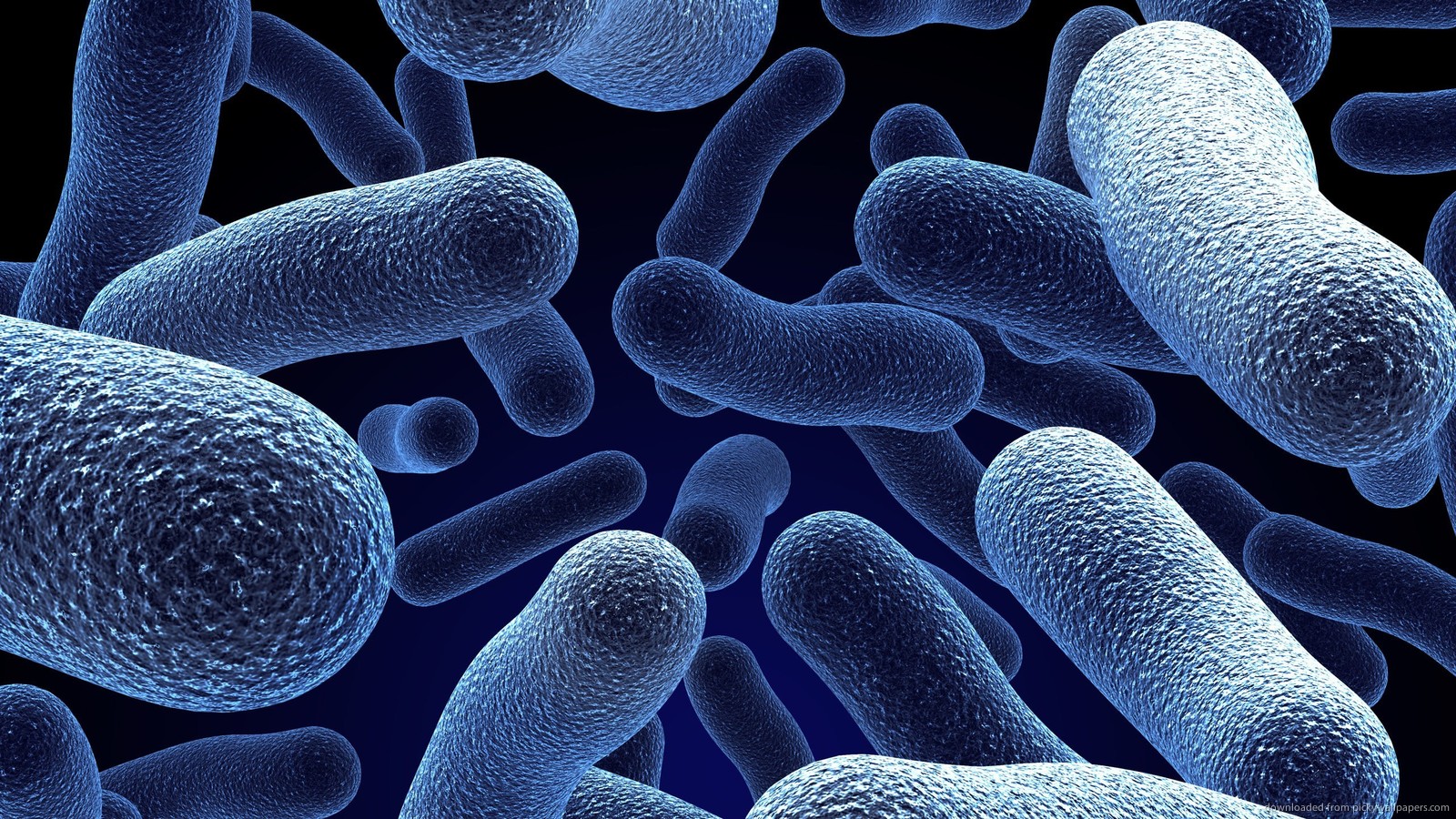
Bacteria is commonly thought of as negative. There are plenty of harmful bacteria that can lead to a number of risks when it comes to the bacteria inside of your body. But with harmful bacteria comes beneficial bacteria called Probiotics. What are Probiotics? Probiotics are 

Gut Health Impacts Sleep, Calling for Pre- and Probiotics

Gut Health Impacts Sleep, Calling for Pre- and Probiotics

The interaction between the gastrointestinal tract and the nervous system is called the Gut Brain Axis. And it’s gaining a lot of attention from both scientists and consumers. Though the number of clinical trials that explore this link is limited, recent reviews of this interaction 

Eating Meals Late at Night Causes Weight Gain and Impairs Fat Metabolism

Eating Meals Late at Night Causes Weight Gain and Impairs Fat Metabolism

If you’ve ever been on a diet, one common tip is to not eat heavy meals at night, usually past 9pm. The reason being that the probability of high activity level after that time, enough to burn the fat from that meal, is very slim. But findings presented at SLEEP 2017, the 31st Annual Meeting of the Associated Professional Sleep Societies LLC, report that eating late at night could be more dangerous than you think.

Healthy Digestion

In order to understand how eating a meal late at night can negatively impact your body, you must understand how healthy digestion takes place. First, of course, as you eat your meal, your teeth are breaking up the food and enzymes are breaking down the sugars. Once the food makes it way to the stomach, stomach acids and enzymes break it down into proteins. Next, it travels to the small intestines, where enzymes are further breaking down the food particles into proteins, fats and sugars. Once the nutrients from the food particles are absorbed into the small intestines, they pass through the blood stream and are carried to the liver to be processed.

Clinical studies from leading research institutions point to the benefits of targeted nutrition for gastrointestinal health.

Digestion of Harmful Foods

When you are eating harmful foods like junk food, the digestion process is slower. Fast foods do not have the healthy enzymes needed to breakdown the foods properly. An unbalanced diet leads to a high amount of carbohydrates, sugars, salt, and fats at a low nutritional value. The foods are processed and refined but lost most of their key nutrients, do not contain enough nutrients, or contain poor water content (needed to break down the food).

For good digestive health you need to maintain healthy probiotic bacteria, or “good” bacteria levels.

The Study

New findings of a small study performed by researchers at the University Of Pennsylvania School Of Medicine report that, compared to eating earlier in the day, prolonged delayed eating can increase weight, insulin and cholesterol levels, and negatively affect fat metabolism, and hormonal markers implicated in heart disease, diabetes and other health problems.

In the study, nine healthy weight adults underwent two conditions, one of daytime eating – three meals and two snacks between 8am and 7pm – for eight weeks. The other, delayed eating – three meals and two snacks eating from noon to 11pm – for eight weeks. There was a two-week washout period between conditions to make sure there was no carry over effect. The sleep period was held constant, between 11pm and 9am. Metabolic measures and blood was drawn throughout the study to allow the team to note changes in weight, metabolism and energy used.

The correct foods and weight management supplements can make a major difference in supporting your weight management needs.

Findings

The participants who ate later, compared to the daytime condition, weight increased. Respiratory quotient (the ratio of carbon dioxide products by the body to oxygen consumed by the body) rose as well, indicating that eating later led to metabolizing fewer lipids and carbs. The hormone ghrelin that stimulates appetite was found to peak earlier in the daytime in those who followed daytime eating conditions. Researchers say this suggests that eating earlier may help prevent overeating in the evening and at night.

Questions about healthy eating, weight loss, or metabolism? Leave Jerry Hickey, R.Ph a comment below and join the conversation!

INVITE® HEALTH CURRENT SALE

Probiotics for Healthy Individuals, Not Just Digestive Issues

Probiotics for Healthy Individuals, Not Just Digestive Issues

Most research performed on the benefits of Probiotics have focused on the benefits they provide for digestive health, specifically in individuals with gastrointestinal disorders and conditions. However, a new study says that a daily dose of a multi-species probiotic could help improve intestinal health even 

What Gas and Constipation Says About Digestive Health

What Gas and Constipation Says About Digestive Health

Gas Gas build-up is as natural as it gets. Your diet is of course a major factor. Bacteria from the food we eat during the course of the day ferments in your intestines. So the more fermented foods you eat, the more gas you’re going 

Health Spotlight: What You Need To Know About Bloating

Health Spotlight: What You Need To Know About Bloating

Bloating can be quite an uncomfortable feeling. Puffiness in your mid-section and the lagging feeling that comes along with it might be caused by a variety of factors. Small changes in your gut flora can lead to changes in how your intestines move, as well as the amount and type of gas that’s produced.

There are certain types of food that are known to trigger more of a reaction in your intestines, ultimately making you feel more bloated. The term FODMAP is an acronym derived from “Fermentable, Oligo-, Di-, Mono-saccharides And Polyols.” These are carbohydrates and are commonly found in the modern western diet, in foods such as wheat, onions, garlic, pears, and apples. They can be major triggers for uncomfortable bloating. Here are some of the top reasons why you might feel bloated:

Fiber Overload
While having plenty of fiber in your diet is important, sometimes belly bulges are a result of soluble fiber-found in oatmeal or beans, for instance-that causes your stomach to swell and draw in water. So if you’ve been especially bloated recently, watch your intake of oat bran, beans, peas, and fruits.

Drinking Alcohol
Certain alcohols, especially those made of wheat and barley, have a tendency to make you feel very bloated, and they can pack on the pounds as well.

Artificial Sweeteners
Diet drinks are not the solution for your waistline, as they tend to dull your sense of taste and actually lead to weight gain rather than weight loss. But there’s more downsides – our bodies can’t break down the artificial sugars, and as the bacteria in our intestines try to do so anyway, gas is created.

Probiotics and Gut Flora

Inside the small and large intestines, there exists a world of friendly, microscopic bacteria. These bacteria help protect the lining of the intestinal walls from inflammation, help with nutrient absorption and support stool formation for daily elimination – but they also do much more for our bodies. Due to the complexity of the digestive system, we have large parts of the immune and nervous system that are contained within our intestinal tissue. As a result, probiotics help support immune health and even mental health.

For more information on Probiotics and Gut Flora, Click here!

Source: http://www.msn.com/en-us/health/wellness/9-things-that-are-keeping-you-bloated/ar-BB3qsKS

INVITE® HEALTH CURRENT SALE