Collagen is the most abundant protein in our bodies. It is found in our bones, skin, nails, muscles, tendons and ligaments. Think of Collagen simply as the ‘glue’ that holds us together.
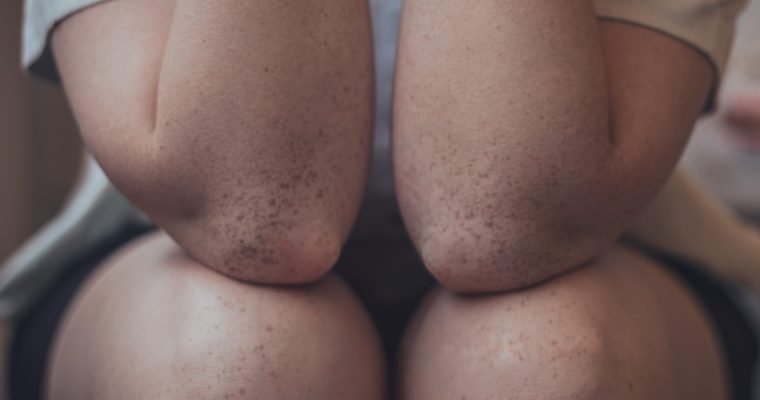
While our bodies naturally produce Collagen, by the time we hit age 25, the rate at which it is produced decreases at a rate of about 1.5% each year. That means that by age 45, you’ve lost about 30%. By age 60, you’ve lost almost half! There are many outside factors that can also deplete your levels, including smoking, too much sun, diabetes, poor nutrition, stress and poor hydration. Low amounts in the body will directly impact your skin, muscles and joints. You’ll start to show symptoms of wrinkles, sagging skin, muscle pain and soreness, and joint pain. Here’s what you need to know in order to get it back on track.
Type 1 and Type 3
Collagen exists in the human body in over 25 forms, but more than 90% is formed by Type 1 and Type 3. This is the reason why many brands focus on these two types. Combined, these proteins are essential in the support of connective and structural tissues. Type 1 is derived from hides, bones, and the skin of animals, whereas Type 2 is only found in cartilage (typically chicken). Now here’s what sets a high-quality brand of Collagen from a generic brand – whether or not it is hydrolyzed.
What does being ‘hydrolyzed’ mean?
According to Suhail Ishaq, president of BioCell Technology, “Of these types, collagen is either unhydrolyzed (also known as undenatured) or hydrolyzed. In its original, unhydrolyzed state, its molecules are very large and therefore not effectively absorbed by the intestines. Hydrolyzation breaks it down into small molecular weight fragments to enhance absorption without affecting its beneficial components.” Numerous studies show that supplementation with hydrolyzed type 1 Collagen may also help improve cellulite.
Bone, Skin and Joints
Bones are made out of calcium and collagen. Generally, we think of calcium as the most important component for bone health, but collagen is just as important – 90% of the organic mass of your bone is made out of it. What’s more, two thirds of the cartilage in joints is made out of collagen as well. If you are taking supplements to build strong, healthy bones, this important protein should be a part of your regimen.
Let’s Talk About the Benefits of Collagen! Read More By Clicking Here! >>
Collagen is also a very well known supplement to promote healthy skin from the inside, out. Women may face a steeper incline than men do in the uphill battle against skin aging. Women’s skin actually ages faster than men’s. Further, after menopause, when estrogen levels drop off, production of this protein drastically declines. In the 5 years following menopause, women go through an acute loss of collagen in their skin and can lose an additional 30% of their total collagen.4 After menopause, loss of collagen also leads to thinning skin with loss of elasticity. That’s the bad news. Here’s the good news; when you give the body what it needs, it can return to a younger-healthier state. True, lasting beauty comes from the inside out.
About 30% of the dry weight of our body is collagen with a higher proportion in our skin. It keeps our skin firm, smooth and elasticity. When we do not have enough, skin easily forms wrinkles and sags under its own weight. The plump, smooth skin we associate with youth has a lot to do with the significantly higher amounts of collagen we have when we are young.
Powerful Sidekicks: Silica and Boswellia Serrata
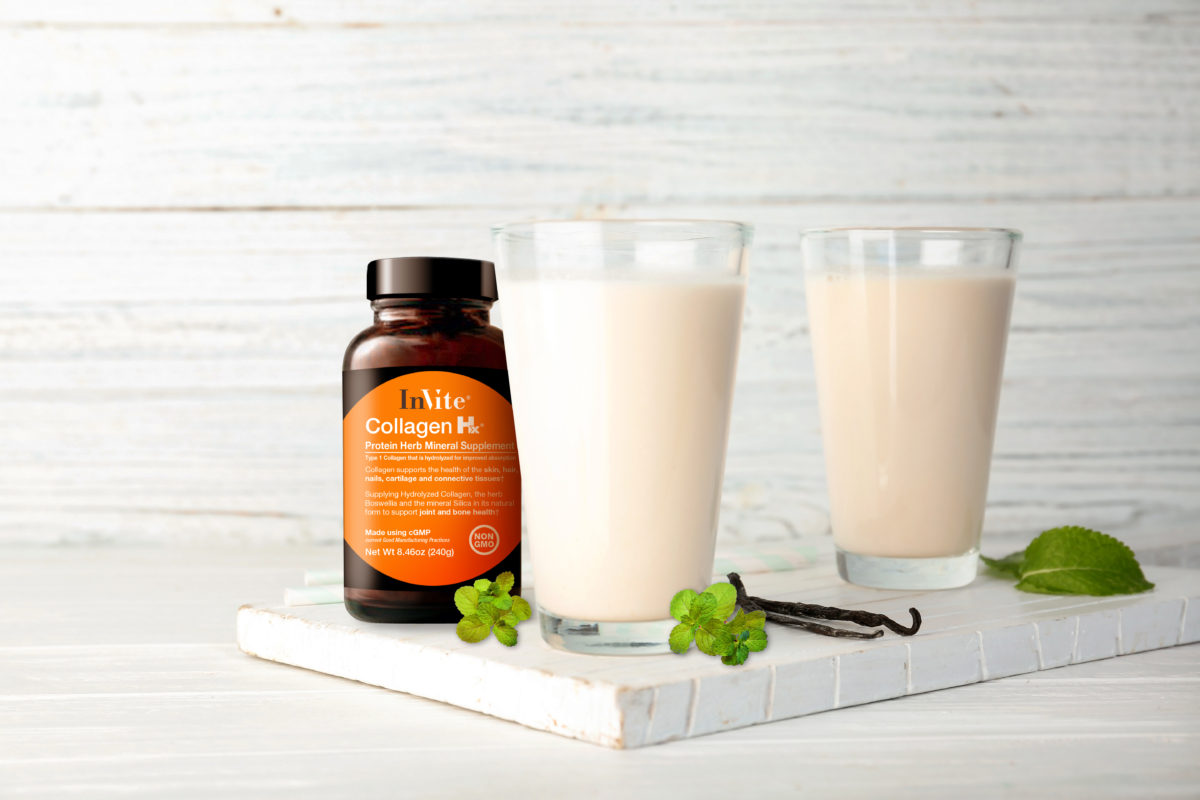
“Collagen is an essential building material, but all superheroes need their sidekicks,” says Nicole Crane, BTS, NP, former Director of Nutrition for InVite® Health. The undervalued and widely under consumed mineral, Silicia, helps new collagen to form and is absorbed into the skin quicker and more efficiently. “Silica also plays an important role in how Collagen attaches to the other components of our skin and allows skin to be stronger and more resilient. Silica can be very hard to absorb, so a bioavailable form, like that sourced from the herb Horsetail is ideal.” These proteins are a dynamic duo for healthy, firm, and youthful looking skin.
Boswellia Serrata is an important Ayurvedic herb that is traditional used for arthritis, due to Boswellic acid (a widely studied acid for anti-inflammatory activity). Animal studies show that Boswellia is a potent 5-lipoxygenase inhibitor that may give it the potent anti-inflammatory, anti-arthritic benefit.
Questions for Scientific Director and Pharmacist, Jerry Hickey? Leave a comment below!