Author: Danielle Menke

10 Reasons Why You Constantly Feel Hungry

10 Reasons Why You Constantly Feel Hungry

Photo by Thought Catalog on Unsplash Whether it’s because you’re working hard throughout your lunch break or training hard at the gym, feeling hungry isn’t something you worry too much about. But what happens when you are constantly hungry no matter how much you eat? …

How to Sleep Better, Longer & Easier

How to Sleep Better, Longer & Easier

Photo by icons8 team on unsplash Do you find yourself tossing and turning at night on an uncomfortable mattress with no luck of falling asleep? Or do you find yourself having no energy or motivation to get up in the morning? Well, you aren’t the only …

The Genetically Modified Foods You’re Already Eating

The Genetically Modified Foods You’re Already Eating

Photo by Charles ?? on Unsplash

A genetically modified organism (GMO) is any organism whose genetic material has been altered using genetic engineering techniques. GMOs are the source of genetically modified foods, ingredients, and other products. This relatively new science creates unstable combinations of plant, animal, bacterial and viral genes.

Here is a list of the ten “healthy” GMO foods that you may already be eating:

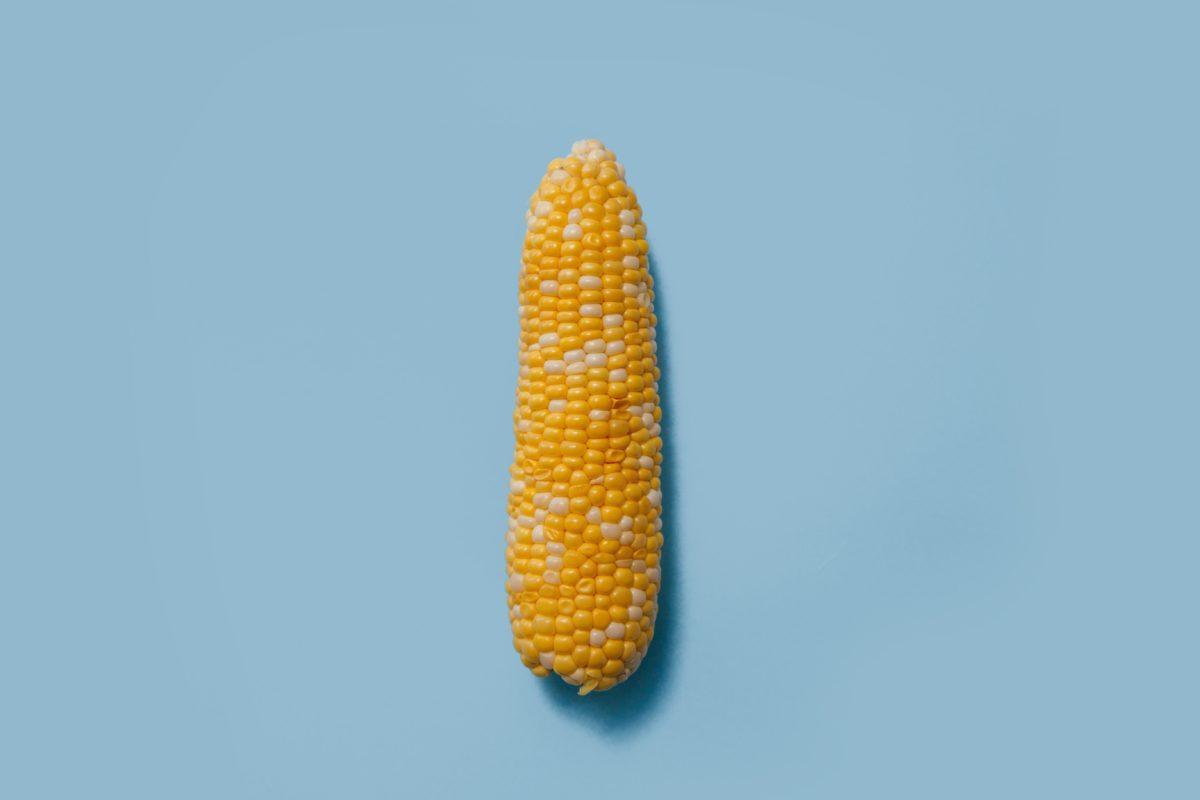
Corn

From corn-on-the-cob to syrup and corn starch, this crop is the most genetically modified crop on the market.

Soybeans

The second largest U.S. crop, mostly used in vegetable oil and is present in foods like dark chocolate and candy.

Cotton

Genetically modified cotton is mainly turned into cottonseed oil which is used to fry foods in many restaurants but can also be found in potato chips and margarine.

Potatoes

Resistant to bruising and may produce less of a cancer-causing chemical called acrylamide when exposed to high heat. This crop was recently approved to be genetically modified. (According to Time)

Papaya

Genetically modified papayas are created to withstand ringspot virus, which destroys papaya plants.

Squash

Mainly Zucchini and Yellow summer squash.

Having trouble decoding “health” food labels? Click here to learn more and make your healthy eating easier.

Canola

Mainly used for its oil, canola is used in cooking and for margarine. According to ScientificAmerican.com, 90% of canola grown in the U.S. and Canada is genetically modified.

Alfalfa

In 2011, the FDA approved the genetic modification of alfalfa to make it resistant to herbicides.

Apples

Recently receiving approval from the FDA, many apples do not brown even after they have been sliced.

Sugar Beets

According to Time, more than half of the granulated sugar in the United States comes from genetically modified sugar beets.

Source: http://time.com

Share your story – What food(s) are you most surprised to see on this list? What changes have you or will you make to your diets now that you know which of your favorite foods contain GMOs?

INVITE® HEALTH CURRENT SALE

What Are The Health Effects of Bullying?

What Are The Health Effects of Bullying?

Photo by Mitch Lensink on Unsplash Bullying today is more than just name-calling on the playground. With the advancement of technology, bullying has been taken off of the playground and brought into your home. Generally, factors such as teasing, exclusion, rumors, public shaming and intimidation …

6 Health Problems Your Child Could Inherit

6 Health Problems Your Child Could Inherit

Photo by Anna Kolosyuk on Unsplash Many times, there are other factors besides hair and eye color that get passed down to your children. And there are numerous reasons why your children could be plagued with the same conditions as yourself or your family members. …

What You Need to Know About Running with Allergies

What You Need to Know About Running with Allergies

Photo by Jane Sundried on Unsplash

All throughout winter and fall you have been waiting for the moment to put on your shorts and get outside to exercise. The sun is shining, the wind is running through your hair and all of a sudden you get that familiar tingle in your nose – your allergies have started again. But just because your allergies are back, doesn’t mean you have to head back inside. Here are six ways to keep you outside even though your allergies are telling you to run back to the couch:

Pollen. Pollen. Pollen.

As spring hits, so does Pollen. Pollen is one of the most common of the well-known allergies and can make you sneeze enough to blow yourself back to your couch and put on Netflix. But knowing your allergy and when it would be at its peak is the secret to staying outside. USA News reports that pollen is usually at its peak levels in the morning and during warm, dry windy weather. So try to switch your morning run to an afternoon or evening activity.

Cover your hair

Wearing a hat is an essential part of staying outside to exercise. New York-based Fitness Trainer, Lisa Lynn, says that wearing a hat is important so pollen does not stick to your hair. “You want to cover your head so you don’t get pollen in your hair and let it continually irritate you.” Many people do wear hats when running anyway, this helps keep hair out of their face and also protects them from the sun.

Click here for more information on allergies – Allergy Season vs. Oral Allergies by Jerry Hickey, R. Ph

Shield your eyes

If the first thing you notice when you step outside to start your run or walk is an irritation in your eyes, then you should plan ahead and buy sports goggles. If you already wear glasses for vision, try getting an attachable band to secure them around your head so that they do not fall off while you are exercising.

Cleanliness goes a long way

Make sure that you come back to a clean, irritant-free house. Dust, vacuum or scrub surfaces that collect dust. Also, you should always bathe after exercising. This step is super important, more so for allergy sufferers. The pollen and other irritants can stick to your bodies and, even though you head inside after your workout, it can still irritate your skin and eyes. If you are exercising at night, be sure to shower thoroughly before you jump into bed. Lying in bed without showering will just transfer those irritants on your body onto your bed.

Off the Path

Before even heading outside, always be sure that you are drinking enough water and that you are eating a healthy, balanced diet. Lynn explains, “Drinking buckets of water is great for the production of sweat. There is evidence that suggests eating fruits and vegetables high in vitamin C may help reduce allergy symptoms and can make you feel good, because they’re natural sources of energy.” Also, always make sure to wear proper running and walking sneakers.

Source: health.usnews.com

Do you suffer from seasonal allergies? If so, comment below and tell us how you prepare to exercise outside while battling allergies.

INVITE® HEALTH CURRENT SALE