Recent Posts

Study: Alarming Rise in Cancer due to Diabetes and Obesity

Study: Alarming Rise in Cancer due to Diabetes and Obesity

Photo by Jennifer Burk on Unsplash Researchers from several worldwide institutions – including the Imperial College London in the UK and the International Agency for Research on Cancer of the World Health Organization (WHO) in France – have discovered that cancers related to metabolic diseases …

The Importance of Science-based Research at InVite®

The Importance of Science-based Research at InVite®

InVite® Health recognizes that vitamins and supplements are becoming an increasingly popular aspect of mainstream lifestyle. The dietary supplement industry is facing a lot of changes, and with so many different options available, how do you know you are choosing the right company or product? …

New Study: High PSA Levels Don’t Always Indicate Cancer

New Study: High PSA Levels Don’t Always Indicate Cancer

Photo by Hush Naidoo on Unsplash

The Prostate-Specific Antigen (PSA) test is a blood test that measures levels of a protein the prostate gland produces. Though many men with prostate cancer usually have high levels of this protein, this does not always indicate cancer for many of those individuals. Other less-serious health conditions may also cause PSA levels to rise. Here’s what you need to know.

What are PSA Levels?

PSAs are normal proteins found in the cells of the prostate gland. This protein is released by the prostate into the semen, where it acts to liquefy the semen following ejaculation. Most of the PSA produced by the prostate gland is carried out of the body in semen, but a very small amount escapes into the bloodstream, which is why normal, low amounts of PSA is found in the blood.

Levels of PSA, according to Yamini Ranchod, PhD, MS, typically remain below 4 nanograms per milliliter (ng/mL). “Most men with prostate cancer have PSA levels of above 4 ng/mL, but about 15% of men with a PSA level below that are also diagnosed with prostate cancer.” This means that PSA tests alone cannot rule out or determine whether a man is at a higher risk of having or developing prostate cancer.

Other Causes

As previously stated, many men with prostate cancer have higher-than-normal PSA levels. However, a higher-than-normal PSA test result does not always indicate prostate cancer. There are six other causes of high PSA levels, including health conditionals, lifestyle factors and testing inconsistences that can lead to high test results.

  1. Age

According to numerous studies and test results, a person’s PSA level tend to increase slowly with age. Men over 50 years old should speak with their doctor regarding their risks and screening options.

  1. Prostatitis

An inflammation of the prostate, prostatitis, is due to bacterial infection. Men with Prostatitis may have elevated PSA levels. Symptoms of this condition include trouble urinating, fever, or pressure in the rectum. Speak with your doctor for more information.

  1. Benign Prostatic Hyperplasia

BPH, or benign prostatic hyperplasic, is an enlarged prostate. This has been shown to raise PSA levels and is a common condition in older men. BPH has not be shown to increase the risk of prostate cancer but it is tricky – as its symptoms can be similar to prostate cancer. Speak with your doctor for more information.

  1. Medical Procedures

Studies have shown that a recent prostate exam, having a urinary catheter, or inserting a scope into the urethra can cause false positives on PSA tests. Speak with your doctor for direction, but waiting a few weeks before undergoing the PSA test, according to Ranchod is your best bet.

  1. Urinary Tract Infection

Men with a Urinary Tract Infection, UTI (an infection in the urethra or bladder), may experience pain during urination, blood in the urine, or an inability to urinate. In most cases a simple urine test can accurately diagnose a UTI but a UTI has been known to increase PSA levels.

  1. Vigorous Exercise

Studies have shown that vigorous exercise a day or two before a PSA test may result in a false positive. Speak with your doctor regarding exercise recommendations and disclose your exercise routine before scheduling your PSA test.

Holistic and Nutrition Support of the Prostate

According to Nicole Crane, B.S., NTP, there is a lot that can be done holistically and nutritionally to support the health of the prostate.

Zinc is great for prostate health and healthy hormone balance for men. It also supports immunity, so it even has a protective effect on prostate tissue.

Pumpkin seed oil supports the prostate due to its source of zinc, Vitamin E, and its powerful antioxidant properties against inflammation.

Saw palmetto supports a normal prostate size, as well as healthy hormone balance. An enlarged prostate pressed down on the urethra and against the bladder, making it difficult and maybe even painful to urinate and/or fully empty your bladder. This may also impact your sleeping patterns.

Stinging nettle root extract protects the prostate by preventing DHT from stimulating it to over-grow. Nettle is a great supporter of healthy hormones which is the key to a normal and healthy prostate size; when the prostate is normal, urinary function is normal, as well.

Lycopene is a powerful antioxidant, as it protects the body from free radicals that aim to destroy body tissues to regain stability. Not only does lycopene tend to go towards and accumulate in the prostate, once present, it seems to have a very protective effect over prostate tissue and the viability of sperm overall.

Questions about PSA levels or men’s health? Leave Scientific Director and Pharmacist Jerry Hickey a comment!


INVITE® HEALTH CURRENT SALE

High-Protein Granola Bar Recipe with InVite® Whey Protein Powder

High-Protein Granola Bar Recipe with InVite® Whey Protein Powder

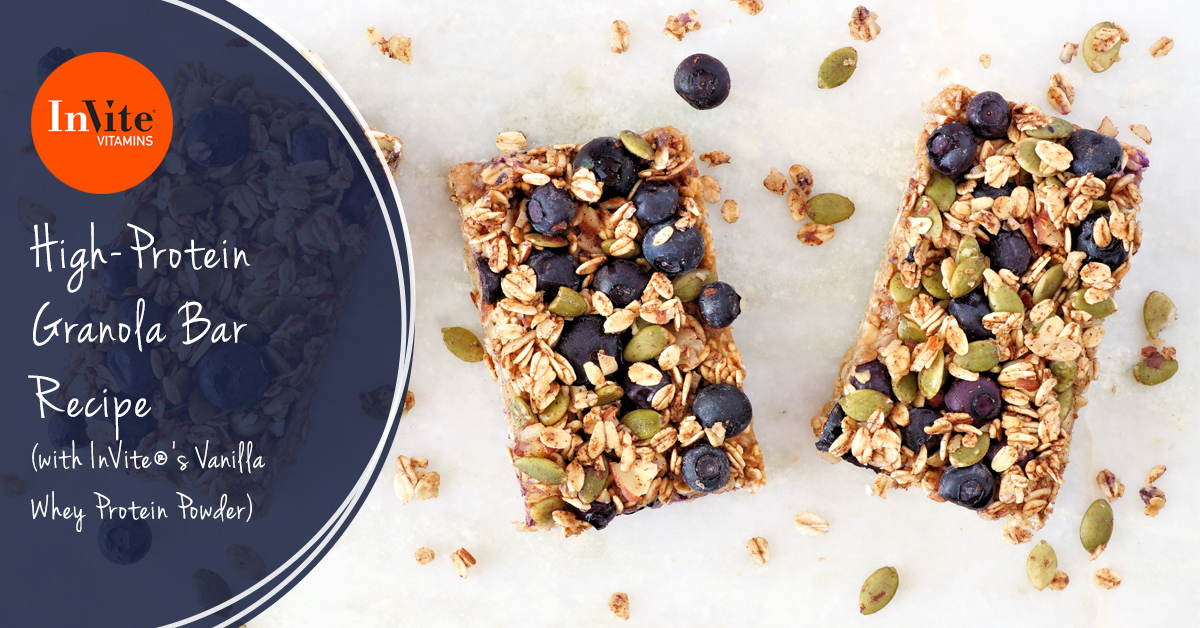
Granola bars are the perfect go-to breakfast options when you need something fast and hearty. But many granola options in your local supermarkets are full of processed, sugary ingredients. Loaded with hearty oats, pumpkin seeds and blueberries (to name a few), these naturally sweet granola …

What to Expect when Visiting an InVite Retail Location

What to Expect when Visiting an InVite Retail Location

It is InVite®’s pleasure to provide you with details into how our company works and how we can provide you with the best service, products and education for your body and for your overall health. Here is why InVite® Health is the best option. How …

Top 7 Benefits of Including Green Tea in your Diet

Top 7 Benefits of Including Green Tea in your Diet

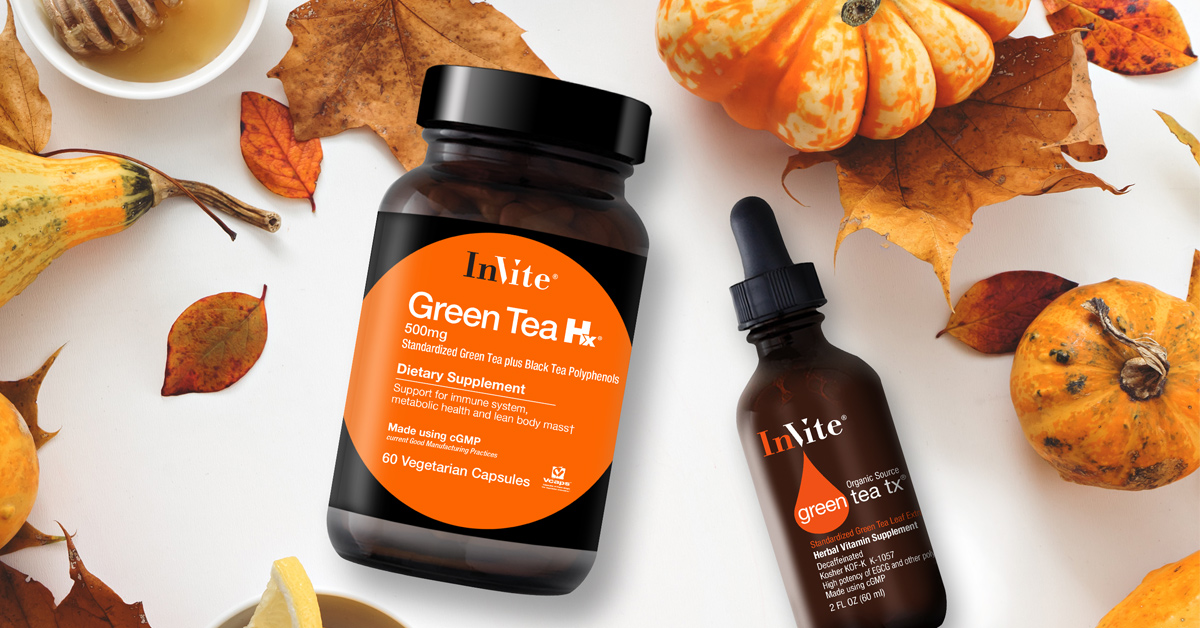
After water, green tea is the most consumed beverage in the world; and there’s good reason for it! The tea plant is rich in valuable antioxidants that tout numerous health benefits from immunity to oral health to weight management. And the evidence is very impressive. But what are the benefits of green tea, you may be asking?

Immunity

Green tea has been used as a simple and effective immune boost for years, as it has been shown to strengthen and support the immune system in several significant ways. Green tea has long been recognized as having powerful anti-viral properties. ECGC (epigallocatechin gallate) is the most active and well known catechin, or antioxidant, in green tea. Studies have shown that EGCG has the ability to attach to the cell membrane of a virus and block the ability of the virus to infect other cells. One study examined 197 healthcare workers over a period of 5 months during the winter. One group of 98 participants received green tea capsules containing 378mg of catechins (supplying 270mg of EGCG plus 210 mg of L-Theanine. The control group with 99 participants received a placebo. The study participants were asked to report on the occurrence of flu like symptoms including fever plus at least one other symptom such as cough, sore throat, headache or body ache. In the green tea group far fewer got truly sick compared to placebo.[1] It showed that green tea offers more than 3-fold protection against contracting an illness, especially when exposure is significant

Anti-Aging

Green tea consist of leaves that haven’t been fermented, or chemically broken down, so it contains the highest levels of antioxidants. As we age, damage in our cells caused by free radicals leads to accelerated aging and disease. Antioxidants have been shown to prevent free radical-induced tissue damage by preventing their formation by scavenging them, or by promoting their decomposition. Many scientists and doctors believe that free radicals contribute to the aging process directly, as they have been shown to can change cells, damage DNA, and even cause cell death.

Weight Management

In order to burn fat, it must be broken down first in the cell and moved into the bloodstream. This tea has been shown to aid in this process by boosting fat burning hormones. EGCG has been shown to inhibit an enzyme that breaks for these hormones. Green tea has also been shown to increase the burning of fat during exercise. Medical researchers in Thailand placed 60 obese subects on the same controlled diet; one group on a green tea regimen, the other on an inactive placebo. By the 12th week, the study with participants on green tea showed a weight loss of 7.26 more pounds than those on the diet alone. This was achieved by green tea burning more calories and reducing body fat levels.[2]

Oral Health

According to Amanda Williams, MPH, Director of Nutrition for InVite Health, green tea has been shown to inhibit the acid produced by bacteria that causes cavities in our teeth. Researchers have also studied the benefit green tea provides in targeting bad breath, gingivitis, and reduction of plaque. According to a Japanese study performed by researchers from Tohoku University Graduate School of Medicine and published in Preventive Magazine, drinking one cup of green tea daily may improve dental health and reduce the risk of losing teeth by about 20%.[3]

Inflammation

Inflammation is part of the normal healing process; it is how the body heals itself and is essential to maintain your health. Researchers at the University of Michigan discovered that green tea’s ECGC inhibits the production of the molecules that contribute to inflammation and joint damage in people with rheumatoid arthritis. EGCG was found to suppress inflammation in the connective tissue of arthritis suffers too. [4] One thing you could entertain the idea of, is combining green tea with other anti-inflammatory medicines to help to fight the issue as much as possible for maximum relief.

Brain Health

Many studies have shown EGCG to benefit a better mood, memory and other cognitive functions. In a 2014 study, Professor of Neuropsychiatry at the University of Basel, Stefan Borgwardt and his team gave green tea extracts to 12 healthy volunteers and imaged their brains to see changes in connectivity inside certain brain regions. The volunteers were given beverages containing extracts equivalent to one or two cups of tea. After four weeks, the team saw an increased connectivity in regions of the brain associated with memory.[5]

Heart Health

According to Harvard Medical School’s website, lowering your risk of cardiovascular disease may be as easy as drinking green tea. “Studies suggest this light, aromatic tea may lower LDL cholesterol and triglycerides, which may be responsible for the tea’s association with reduced risk of deal from heart disease and stroke. A study of 40,530 Japanese adults found that participants who drank more than five cups of green tea a day had a 26% lower risk of death from heart attack or stroke and a 16% lower risk of death from all causes than people who drank less than one cup of green tea a day.[6]

[1] Matsumoto, Keiji, et al. “Effects of green tea catechins and theanine on preventing influenza infection among healthcare workers: a randomized controlled trial.” BMC complementary and alternative medicine 11.1 (2011): 15.

[2] https://www.invitehealth.com/another-study-shows-that-green-tea-burns-calories-reduces-body-fat-in-obese-people/radio/2007/11/

[3] https://www.invitehealth.com/green-tea-may-boost-oral-health-reduce-tooth-loss/radio/2010/03/

[4] Green Tea Compound, EGCG, May Be A Therapy For People With Rheumatoid Arthritis, Science Daily, April 2007.

[5] https://neuropsychiatry.unibas.ch/team/stefan-j-borgwardt

[6] https://www.health.harvard.edu/heart-health/green-tea-may-lower-heart-disease-risk

Questions about the benefits of green tea? Leave Jerry Hickey a comment below to join the conversation!

INVITE® HEALTH CURRENT SALE