Bone Health as We Age
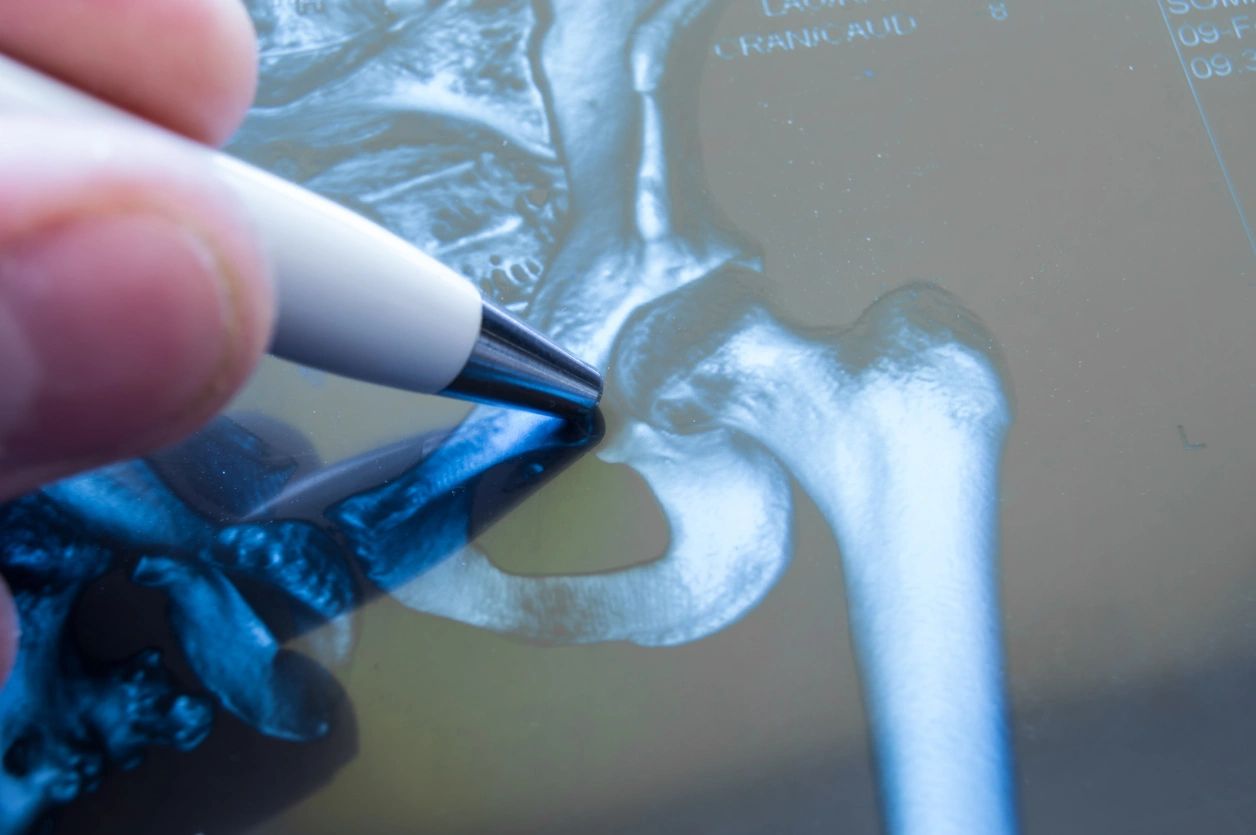
Bone Health as We Age
Dr. Claire Arcidiacono, ND
Every woman knows that as we get older bone health becomes more and more important. Whether it be osteopenia, osteoporosis or just plain achy bones bone health is a topic that affects everyone. But wait, what do I mean by “everyone”? Isn’t bone health something that only women have to worry about? To that I say I think not! Men have bones! And yes, men can and do experience bone loss. So, what can cause bone loss? What can you do to keep your bones healthy? Let us get into it, shall we?
Let us start with some definitions. What is the difference between osteoporosis and osteopenia? Both osteoporosis and osteopenia are conditions that involve a loss of bone density. The difference between the conditions is the degree of bone loss. When you have osteopenia the bone loss is usually mild to moderate. In contrast when you have osteoporosis the bone loss is usually advanced. Many people consider osteopenia to be a precursor to osteoporosis. That is because for many this is the case. If you do not receive proper management of your bone loss often the condition can and does advance to more severe bone loss and you are diagnosed with osteoporosis. However, in many cases with appropriate intervention osteopenia can become stable and bone density is maintained and the bone loss does not advance osteoporosis. The only way to know if you have bone loss that is mild or osteopenia or advanced osteoporosis is by a bone density screening. These tests give results called a T-Score. Please see the attached chart for what readings are normal, osteopenia and osteoporosis.
| T-score | Bone density |
| Above -1 | Normal reading |
| -1 to -2.5 | Osteopenia |
| -2.5 or lower | Osteoporosis |
Who is at risk of developing bone loss? Common guidelines suggest women 65 + and men 70+ should get a bone density test. However, for those with certain risk factors it is recommended that both men and women receive their bone density scan younger than these recommendations. Anyone who has a fragility fracture, or a broken bone from low trauma should also receive a bone density scan regardless of age.
What are the risk factors for bone loss? Many of the risk factors for bone loss are the same for both men and women. The 1st is age. (1) This is because of how bone is made. Bone tissue is always changing. There is a constant process of older bones being broken down and new bone being formed. This is supposed to be a process that occurs in perfect balance. However, as you age an imbalance where more bone is broken down than is formed starts to occur. As this goes on you lose bone mass. (2) Certain lifestyle factors can increase bone loss risk. These lifestyle factors include being sedentary, smoking, excessive alcohol intake, and use of certain medications. Certain deficiencies such as vitamin D and calcium can increase the risk of bone loss. Even certain conditions such as RA, diabetes, chronic kidney disease, and hyperparathyroidism can increase bone loss. Of course, menopause is a huge risk factor for women. Even though men do not typically think of having low hormones as they age, they can and often do experience a drop in hormones as they age. Having low hormones such as testosterone and estrogen can increase bone loss. You may note certain conditions that affect neurological function can increase bone loss. For example, Parkinson’s disease can increase bone loss. Even muscle weakness can affect bone health. (1, 2) One risk factor that many people do not think of is hormone therapy for cancer. For example, men who have prostate cancer and receive androgen deprivation therapy have a higher risk of bone loss. (3) Women with breast cancer who receive aromatase inhibitors are also at a higher risk of bone loss. (4)
Having talked about what osteopenia and osteoporosis are and what the risk factors are for these conditions we can now talk about what you can do to keep your bones health.
Recommendations:
- Let us start with lifestyle changes that can help bone health. First stop smoking and avoid excess alcohol use. Start including weight bearing exercises into your exercise routine. Activities like walking, jogging or even dancing can help build bones. (1)
- Work on fall prevention to help prevent fractures before they happen. (2)
- Talk to your doctor to find out if any medications are right for you. (1,2,3,4)
- Vitamin D and calcium! Studies have found that using Vitamin D and calcium can reduce bone reabsorption and reduce the risk of fractures! (5) For Vitamin D and Calcium together please see Invite’s Bone Powder. And do not forget Multi Energy Powder! This formula contains both calcium and vitamin D as well as nutrients designed to help give you energy for your day! If you need extra vitamin D, you can find vitamin D in our vitamin D3 3000 IU formula. I always tell people it is important to get your vitamin D levels checked by your doctor to determine how much is just right for you!
- Vitamin K has been found to help reduce bone loss! (6) Please see Invite’s K formula and Bone Powder. And of course, do not forget Invite’s brand-new formula vitamin D3 with K2. This combines both vitamin D and Vitamin K. I always tell people that vitamin D helps you absorb your calcium and vitamin K directs it towards your bones.
- Strontium has been found to help reduce bone loss. (7) Please see Invite’s Strontium Citrate formula. For more information on Strontium check out my blog on this interesting nutrient.
- Collagen has been found in studies to help reduce bone density. (8) I always tell people that Calcium helps to build up the hard mineral part of bone and collagen helps to fill in the spongy part of bone. Please see Invite’s Collagen Hx and Collagex HA.
- Magnesium! Nope I did not forget magnesium. After all it is one of my favorite things! Lol Magnesium has been found to help improve bone density. It has also been found to be important in helping vitamin D to work better. (9) Please see Invite’s Magnesium Glycinate, Citrate and Bioavail Magnesium powder.
Sources
- https://mcpress.mayoclinic.org/healthy-aging/understanding-osteoporosis-vs-osteopenia/
- https://www.niams.nih.gov/health-topics/osteoporosis-men
- https://www.sciencedirect.com/science/article/pii/S1521694222000250
- https://www.bcrf.org/breast-cancer-and-bone-density/
- https://pmc.ncbi.nlm.nih.gov/articles/PMC9610653/#:~:text=Clinical%20studies%20have%20shown%20that,total%20calcium%20in%20the%20body.
- https://pubmed.ncbi.nlm.nih.gov/32060566/#:~:text=Effect%20of%20Low%2DDose%20Vitamin%20K2%20Supplementation%20on,and%20Elderly%20Chinese:%20A%20Randomized%20Controlled%20Study.&text=VK2%20supplementation%20in%20dose%20of%2090%20%C2%B5g/day,and%20vitamin%20D3%20brought%20no%20additional%20effects.
- https://www.sciencedirect.com/science/article/pii/S2666138123000142
- https://www.gelita.com/en/blog/amazingcollagen/collagen-peptides-missing-link-bone-health#:~:text=A%20study%20has%20shown%20that,increase%20in%20the%20femoral%20neck.&text=Additionally%2C%20changes%20in%20bone%20turnover,%2Dyear%20follow%2Dup%20study.
- https://pmc.ncbi.nlm.nih.gov/articles/PMC8313472/#Sec9