Written by Claudia Guy, ND.
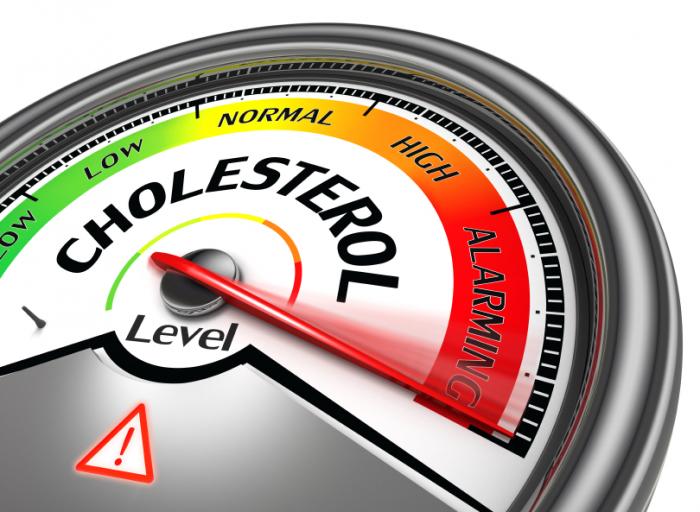
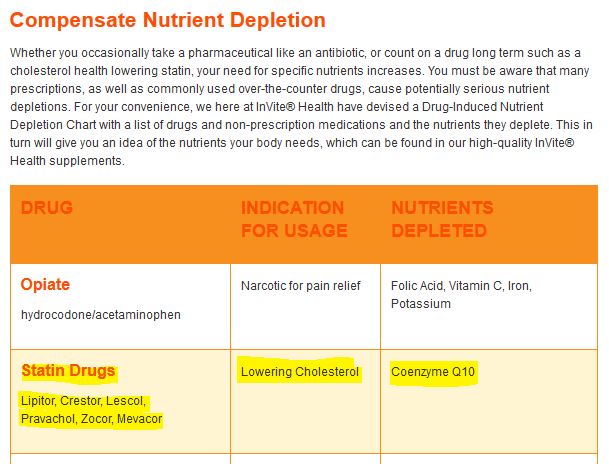
The topic of cholesterol is still a hot topic in medicine since it is generally considered the leading cause of atherosclerosis, a type of cardiovascular disease. But cholesterol goes far beyond heart disease. It is a waxy, fatty substance that is the building block for reproductive hormones, vitamin D and brain lipids. There are several versions of lipid-lowering drugs, called statins, which are prescribed to millions of Americans. The side-effects of statins can make it difficult for patients to continue its use. However, there may be some natural ways to assist in managing cholesterol levels through lifestyle, diet and additional nutrients.
Atherosclerosis is the hardening of the arteries. The hardening is a combination of cholesterol deposits, calcium deposits and macrophages (scavenger immune cells). When the pathophysiology of atherosclerosis is closely examined, cholesterol is not the leading cause of atherosclerosis, but is a key player. The main factors in developing plaque are inflammation of arterial walls, oxidation of low density lipoproteins (LDL), reduces levels of high density lipoproteins (HDL), and oftentimes reduce vitamin K2. Other contributing factors are genetics, diet and lifestyle. Let’s just focus on HDL’s roles in heart disease. HDL (high density lipoproteins) is considered the “good” cholesterol because of its anti-atherogenic properties. There are several sub-types of HDL, but we mostly focus on HDL2 and HDL3. According to lipid particle tests, HDL2 plus HDL3 gives the total HDL. HDL2 is less buoyant and is considered more protective. HDL3 is small, dense and less protective. A lipid particle test, a lab test that is independent from your standard cholesterol test, would tell you your HDL particle levels. HDL is a molecule that is comprised of 55% protein and 10-20% cholesterol. Because protein is denser than lipids, it gets the name high density lipoprotein. Cholesterol particles are lipids that do not dissolve in the blood, and will coalesce and cause blockages in blood vessels if not bound to proteins. Thus, cholesterol is always attached to proteins. These proteins are called lipoproteins. In HDL, these proteins shuttle cholesterol out of the blood stream and back to the liver where it is eliminated or used to make bile. The two main HDL lipoproteins are apolipoprotein A-1 (apoA-1) and apolipoprotein E (apoE). Generally, apoA-1 mediates cholesterol transport in the circulation, and apoE transports cholesterol in the brain. ApoA-1 and apoE act like dissolving agents to remove lipids from the blood stream and blood vessel walls. If you are keen to improve your health then taking an ApoE GENOTYPE TEST might be advised. HDL can transport up to one-third of the body’s cholesterol. These protective properties of HDL solidify its importance. It is no longer enough to lower LDL (your “bad” cholesterol). It is important to increase your HDL to protect against atherosclerosis. Optimal levels of HDL are greater than 60 mg/dL, though longevity is associated with an HDL greater than 75 mg/dL.
Diet and lifestyle both negatively and positively affect HDL. The human body makes 75-80% of the total cholesterol it needs. Though a comparatively small amount is from diet, it dramatically influences the quality and ratio of healthy and unhealthy cholesterol. A pervasive fat in the American diet may be causing a reduction of HDL. These trans-monounsaturated fatty acids, also known as trans-fat, which is proven to increase LDL and reduce HDL. Trans-fats are found in almost all processed, shelved food products because it increases the shelf life of these processed foods. How can you recognize trans-fat in your food products? Another name for trans-fat is hydrogenated oil or partially hydrogenated oil. Trans-fat results from a chemical process of adding hydrogen atoms to vegetable oils to make them a solid fat, like butter. However, trans-fat does not go rancid quickly like butter, and thus, prolongs the shelf life of processed foods. Margarine and vegetable shortening are also trans-fats.
Some fats that are important to focus on are monounsaturated fats from avocado and extra virgin olive oil and polyunsaturated fats from raw/unroasted sunflower seeds and walnuts. Fish Oil and Krill Oil are essential polyunsaturated fats that we cannot make and are needed to balance our cholesterol. Krill oil may be better at increasing HDL and reducing cardiovascular risk.
Another pervasive health issue among Americans is carbohydrate overload. Cardiovascular disease accounts for 55% of deaths in diabetics. Whether in the forms of sugar or refined carbohydrates like white rice and bread, carbohydrate overload is resulting in insulin resistance and elevated triglycerides. Excessive carbohydrates are stored as fat (triglycerides) in the liver, and leads to Non-Alcoholic Fatty Liver Disease (NAFLD). As triglycerides and fatty liver increases, cardio-protective HDL reduces. Mainly, the activity of lipoprotein lipase and apoA-1 begins to diminish. Reducing carbohydrate load and increasing exercise, can begin reversing this unfortunate event.
A sedentary lifestyle increases cardiovascular risk nearly as much as smoking and elevated cholesterol. Getting on a routine of cardio, resistance and endurance exercises can increase HDL. As the exercise breaks down triglycerides, it seems to increase the lipoprotein lipase. This reversal process works especially for those who are overweight, have elevated triglycerides and have metabolic syndrome.
Resveratrol can assist in healthy cholesterol production and blood sugar regulation. Resveratrol stimulates the release of paraoxonase 1 (PON-1), an enzyme when secreted by the liver stabilizes HDL binding to LDL. Resveratrol may also activate sirtuin 1 (SIRT1) gene which protects against insulin resistance and obesity.
Niacin doesn’t get as much recognition for increasing HDL. It was discovered in the 1950s to have increased HDL by 20-33%. Using niacin in therapeutics dosages creates compliance issues due to its flushing effect. The results of niacin are achieved within months and are long-lasting. If you have concerns about your liver and blood sugar, use niacin under the care of a health care practitioner. Because of its low cost and proven efficacy to increase HDL, niacin should be considered.
In combination with exercise, a balanced diet, and nutritional support from either Fish Oil, Krill Oil, Resveratrol and Niacin, millions of Americans can start maximizing the anti-atherogenic properties of HDL.
References:
- https://aloha.com/mag/article/the-5-worst-foods-for-your-brain
- http://atherotech.com
- http://healthyeating.sfgate.com/ldl-hdl-differ-structurally-functionally-2003.html
- http://www.mayoclinic.org/diseases-conditions/high-blood-cholesterol/in-depth/hdl-cholesterol/art-20046388
- http://www.scientificpsychic.com/health/lipoproteins-LDL-HDL.html
- Berge K, Musa-Veloso K, Harwood M, Hoem N, Burri L. Krill oil supplementation lowers serum triglycerides without increasing low-density lipoprotein cholesterol in adults with borderline high or high triglyceride levels. Nutr Res. 2014 Feb;34(2):126-33.
- Bunea R, El Farrah K, Deutsch L. Evaluation of the effects of Neptune Krill Oil on the clinical course of hyperlipidemia. Altern med Rev. 2004 Dec:9(4):420-8.
- Creider JC, Hegele RA, Joy TR. Niacin: another look at an underutilized lipid-lowering medication. Nat Rev Endocrinol. 2012 Sep; 8(9):517-28
- Lund-Katz S, Phillips MC. High density lipoprotein structure-function and roles in reverse cholesterol transport. Subcell Biochem. 2010:51:183-227.
- Ramprasath VR, Eyal I, Zchut S, Jones PJ. Enhance increase of omega-3 index in healthy individuals with response to 4-week n-3 fatty acid supplementation from krill oil versus fish oil. Lipids Health Dis. 2013 Dec 5:12:178.
- Bland J, Et al. Textbook of Functional Medicine. 2nd Ed. Inst of Functional Medicine. 2005
- Erdman JW Jr, MacDonald IA, Zeisel SH. Present Knowledge in Nutrition. 10th Ed. Wiley-Blackwell. 2012
- Gaby A, MD. Nutritional Medicine. Fritz Perlberg. 2011
- Murray M, ND. Encyclopedia of Natural Medicine. 3rd Ed. Atria Pub. 1990
- Pizzorno J, ND. Clinician’s Handbook of Natural Medicine. 2nd Ed. Elsevier. 2002