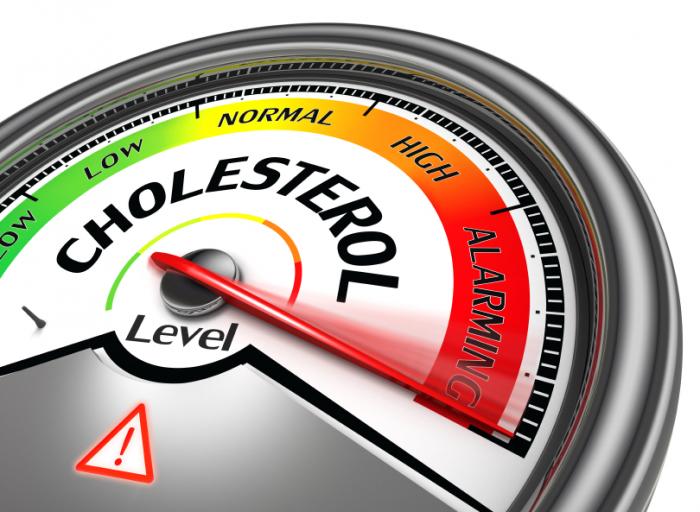
Cholesterol is one of the most confusing topics in today’s medical world. Many times, those who ask me for help have questions regarding their cholesterol. They often start by telling me their total cholesterol number. But, unknown to them and many others, that is just one of many important factors needed to understand all parts of cholesterol.
How does LDL-cholesterol hurt me?
High levels of LDL-cholesterol or low levels of HDL-cholesterol may lead to a build up of plaque in the arteries. LDL turns rancid easily and causes localized inflammation. This leads to damage on the blood vessel walls contributing to cardiovascular disease. The job of the beneficial and more stable HDL is to police for used or damaged LDL. HDL scoops up the LDL and brings it back to the liver for proper elimination. With persistent elevations in LDL, and it’s triggering of chronic damage to the arteries, blood vessels soon become hardened and narrowed. This condition, known as atherosclerosis, reduces blood flow to important organs including the heart and the brain. This can and most likely will lead to coronary artery disease, chest pain, and high blood pressure. Atherosclerosis inceases the risk of heart attack, heart failure, stroke, peripheral arterial disease with reduced blood flow to the arms and legs, and kidney damage. Heart attack and stroke are the #1 and #3 killers in the USA (cancer is #2). It is crucially important to protect the arteries by lowering non-HDL- cholesterol.
How do I protect myself from stroke and heart attack?
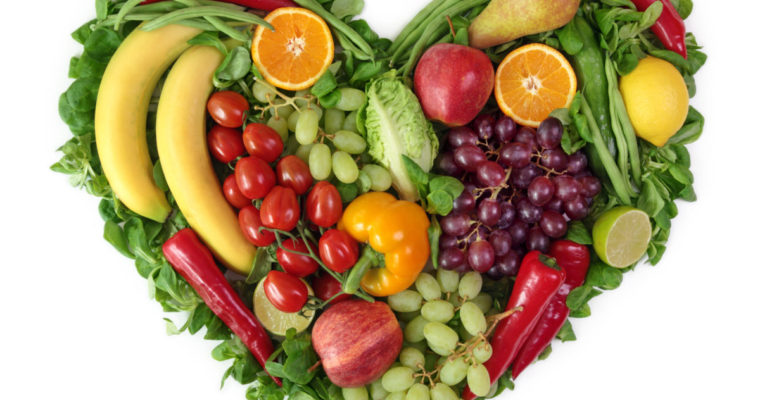
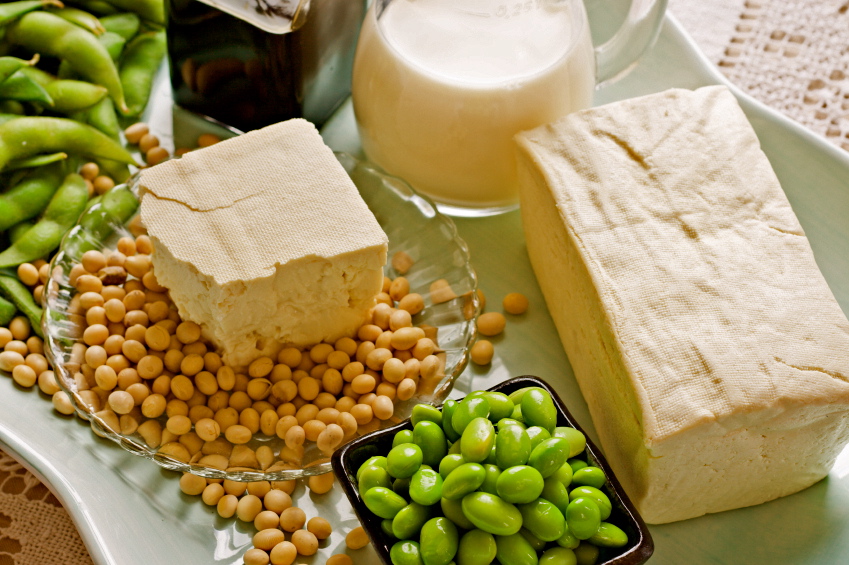
A major strategy of health professionals in reducing the risk of cardiovascular related death and morbidity is to reduce LDL-cholesterol, and if need be increase beneficial HDL. It is crucially important here to emphasize a good and balanced diet as the first line of action against high cholesterol. A menu rich in fresh fruits and vegetables, including some whole grains, seeds, fresh nuts and beans, is a fantastic start. Salmon or some other
fish two or three times a week is also a good choice. Restrict salt, and consume only small amounts of saturated fats while avoiding synthetic trans-fats altogether. Exercise, stress management, and rest are also required components.
Is lowering my cholesterol enough to protect me?
In recent years it has come to light that inflammation is an important contributor to cardiovascular disease. Inflammation causes immune system factors such as C-reactive protein (and many others) to spill into the blood stream. These factors greatly contribute to hardening of the arteries and all its related woes. In fact, C-reactive protein has been shown to cause blood vessel dysfunction and dramatically increase the risk of stroke and heart attack. Combining cholesterol management with prevention of blood vessel inflammation is an emerging dual-strategy for many cardiologists.
Are there any nutrients I can add to a great diet and exercise that may contribute to cardiovascular health?
Absolutely, at this point it is very well documented that a number of nutrients derived from foods greatly contribute to cardiovascular wellness. Here are the more important phytonutrients:
• Plant Phytosterol Esters – these natural components of many healthy foods safely compete with bad cholesterol for absorption, and to a degree, the more Phytosterol Esters present in your digestive tract during a meal, the less cholesterol you will absorb. Phytosterol Esters have been studied in large and varied populations over the past 50 years and it is very well documented that Phytosterol Esters are very safe. They quickly lower total cholesterol and dangerous LDL-cholesterol and improve the ratio of LDL to HDL (a determinant of longevity in the elderly). Phytosterol esters may lower dangerous LDL by about 15% within just 2 to 4 weeks, with greater improvement possible over time. They also have some ability to lower inflammatory chemicals in the blood and have an antioxidant effect on the arteries.
• Policosanol – this component of sugar cane wax safely aids a healthy cholesterol balance. Although it comes from sugar cane, Policosanol lacks sugar and is safe for use by diabetics and weight watchers. Policosanol has been shown in studies to decrease cholesterol by 13%-23%, reduce LDL by 19%-31%, and increase HDL by 8%-29%. It also lowers triglycerides if used long-term. Policosanol reduces the production of cholesterol while also increasing its rate of excretion. Recent, long-term studies lasting for two or more years show that Policosanol is very safe and its effectiveness improves over time. In a long-term study lasting 3 years, Policosanol reduced total cholesterol by 20.1% on average, reduced dangerous LDL-cholesterol by 31.8%, and increased protective HDL by a whopping 24.6% in obese patients with type 2 diabetes. These patients had fewer cardiovascular events and a reduced risk of dying versus patients on placebo (click on Radio Studies September 28, 2004 for this study). Policosanol also protects the blood vessel walls by decreasing the release of inflammatory components and has been shown to decrease scar-tissue plaques on blood vessel walls.
• Red Yeast Rice – this important nutrient is formed by fermenting rice with red yeast creating structures called monacolins. Monacolins have a profound impact on a healthy cholesterol balance. Red yeast rice has been used in traditional Chinese medicine for promoting healthy circulation. Red yeast rice helps decrease levels of LDL-cholesterol and total cholesterol, it lowers triglyceride levels and impacts lipoprotein (a) – a blood fat difficult to lower that may be more dangerous than LDL-cholesterol. Red yeast rice also decreases C-reactive protein and other inflammatory components in the blood. Do not use Red Yeast Rice if you have liver or kidney problems and always supplement with Coenzyme Q10 while using Red Yeast Rice.
• Resveratrol – this important nutrient, derived from red grape skins, has a different type of activity. Rather than directly lowering cholesterol, Resveratrol stimulates greater release of PON-1 by our liver. Pon-1 is an important component of HDL, and it gives HDL its ability to stabilize LDL-cholesterol. This prevents LDL rancidity helping to prevent cardiovascular disease. Resveratrol also has the ability to directly protect the heart muscle and relax blood vessel walls – improving blood flow and helping to prevent increases of blood pressure. Resveratrol also directly protects the blood vessel walls from damage and decreases inflammation on blood vessel walls. It may also modestly improve blood viscosity.
If you are having trouble, speak to your primary physician, a dietician about a healthy diet or visit an InVite® Health store location for a consultation with a nutritionist.