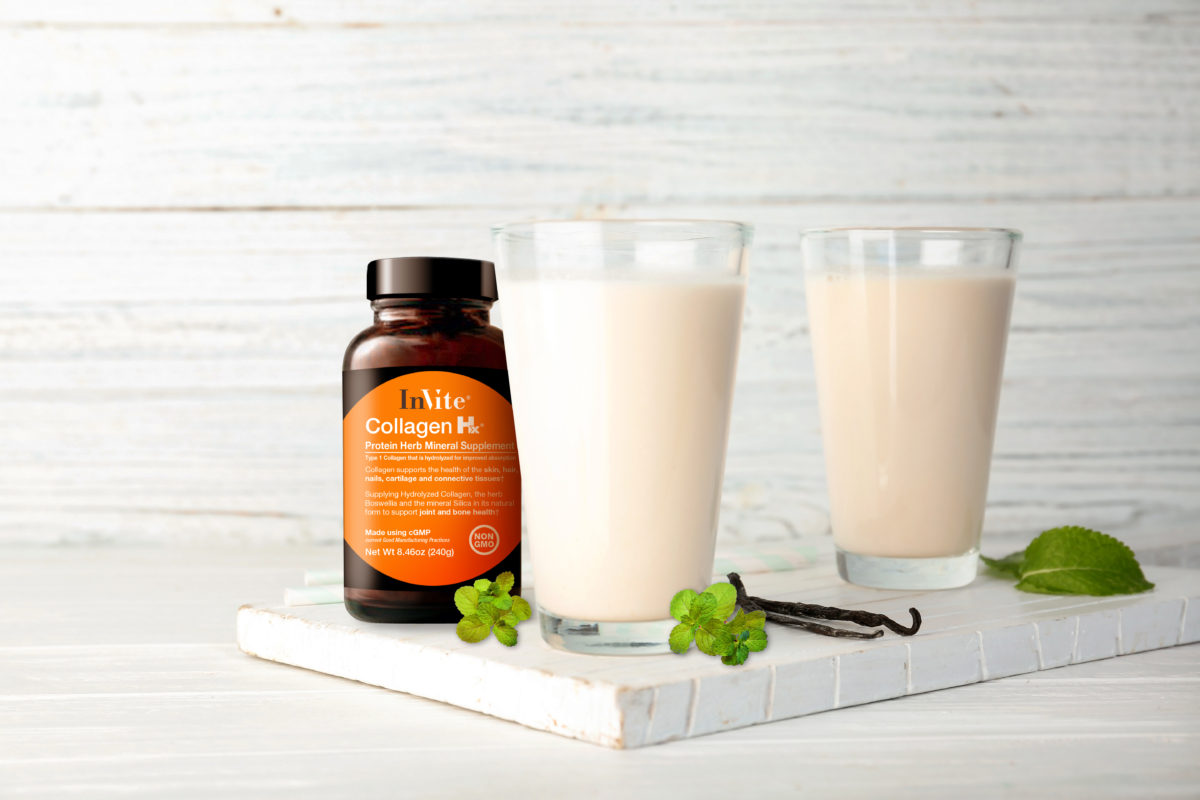
 Jerry Hickey is a pharmacist and radio personality and fills the esteemed role of Scientific Director and President of Invite Health. He has spent his professional life analyzing nutritional information and medical studies with the aim of creating the highest quality and most natural nutraceuticals for user’s maximum health benefits. Here, Jerry speaks about the benefits of Collagen –
Collagen production in human body decreases with age. This is an important point. By the time you’re 25, your body starts to produce less collagen. Collagen production decreases at a rate of 1.5% per year. By the time you’re 45, that translates to a 30% loss of collagen. By the time you’re 60, you’ve lost more than half of your collagen. That affects your bones, your skin, your hair, your nails, your muscles and your waste. I mean everything; especially your joints. Ninety percent of the organic mass of your bone is made out of collagen. Your bone is mostly collagen and calcium. Doctors learn in medical school how important collagen is for the bones, but they do not learn about collagen supplementation for the bones. So, it’s important that these studies get around. Seventy percent of your skin is made out of collagen and most of the rest is made out of an ingredient in collagen called Hyaluronic Acid, which is a chain of thousands of sugars. In fact, wrinkles are damaged sugars; they’re called Hyaluronic Acid. They’ve shown that, when individuals with wrinkles take collagen, it helps to smooth out the skin.
Skin Health
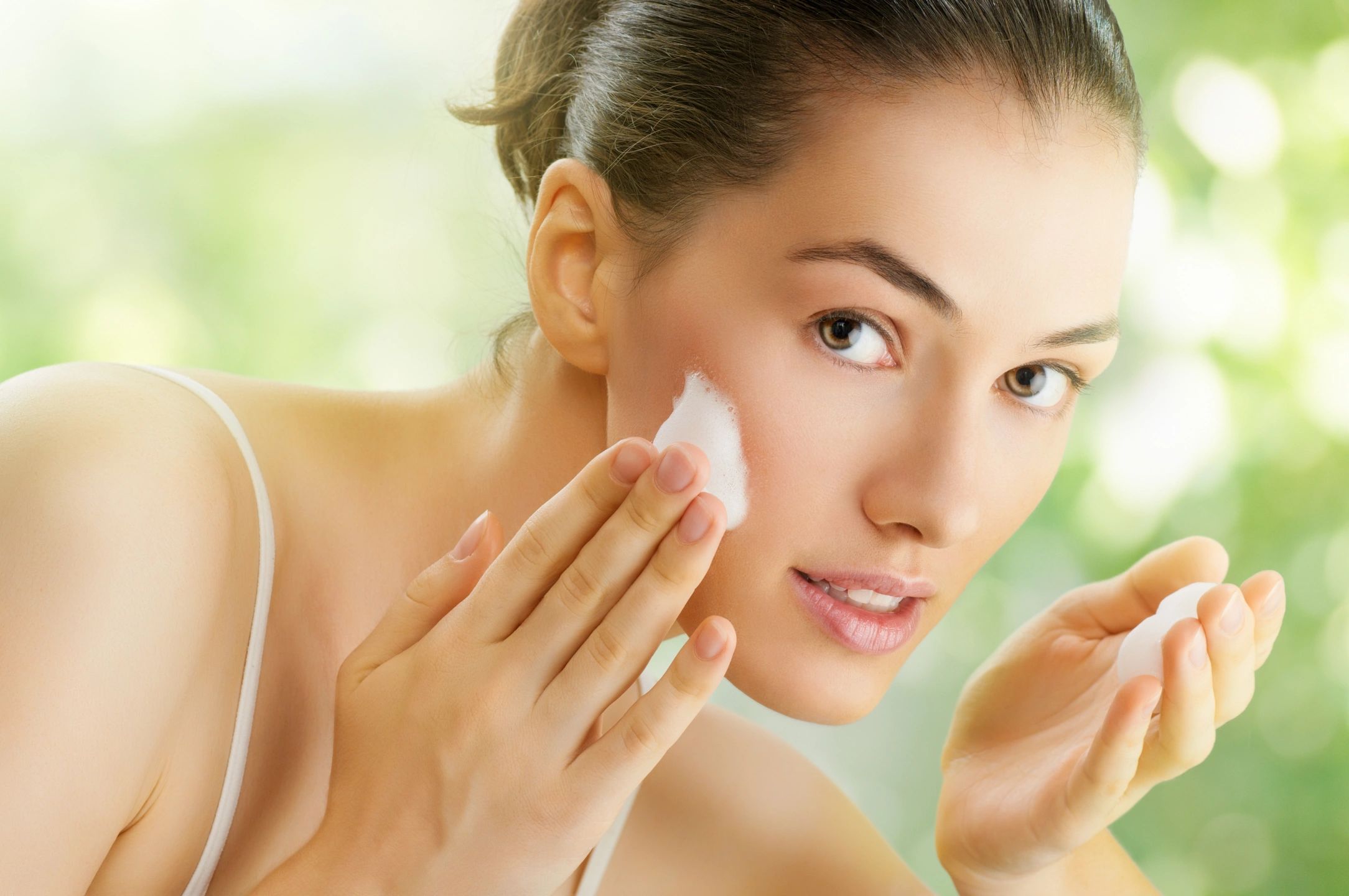
Approximately two-thirds of the cartilage in your joints is made out of collagen. They did a couple of studies now with the InVite® Collagen; These are studies out of France and Japan on women in their 20s, women in their 50s, and women in their 60s. They gave them a spoon of hydrolyzed collagen daily for six weeks and found that their skin became smoother, more flexible and more elastic. Dark spots that occur with age, such as liver spots, were going away. It causes less sagginess of the skin. For the participants, their skin wasn’t as dull, it had a sheen to it and the dryness was reversing itself and becoming more hydrated. Now, this is very important for women who have sun-damaged skin. That’s what a wrinkle is – whether it’s from cigarette smoke or just a lot of cold weather, hot weather, dryness or the sun, the collagen and the sugars on the skin called Hyaluronic Acid are getting damaged. They’ve shown that when women take collagen, their wrinkles start to fill in, the skin becomes more elastic and thicker, and you improve the skin’s overall tone and the texture.
Bone Health
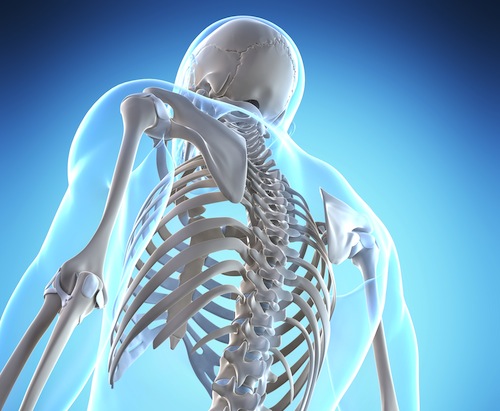
Let’s talk about bones; 90% of the organic mass of your bone is made out of collagen. This is important because studies have shown that when individuals supplement with hydrolyzed collagen, even within four of the studied 24 weeks, their bone health improved. What they’ve shown is a couple interesting things – Your bone matrix, the organic part of your bone that looks almost like a spider web, is filled with calcium. That “spider web” is made out of collagen. So, when you take it, you’re laying the groundwork and you’re making the super structure. In other words, if you’re going to build a house, you can’t just put up a roof and a floor. You have to frame out the house. This supplement builds the frame for your bones incorporating calcium and Vitamin D among others to strengthen and solidify.
Cells that Build Bone
As you get older, your bone-building cells, which are called osteoblasts, don’t last long; they die at a really young age. Osteoclasts, the cells that destroy bone, go on living, though. In older individuals, the bone-building cells don’t survive and the cells that dismantle and destroy bone, thrive, creating a net loss of bone. In younger individuals, there’s a balance; They’re removing old bone while they’re building new bone. In older individuals, that doesn’t function properly any more. In fact, it’s just the opposite. Instead of building bone, they’re just removing bone. Studies have found that when they give older individuals collagen, it preferentially stimulates the osteoblasts (the cells that build your bone), triggering healthy bone building.
Glucosamine and Chondroitin
Here’s a study from multiple orthopedic centers, a clinical trial on 250 patients. The patient’s knees were not healthy, so they supplemented them with hydrolyzed collagen for six months. This provided a good improvement in knee comfort and increased flexibility. In a different study, when researchers compared hydrolyzed collagen to Glucosamine and Chondroitin, it worked three times better. Glucosamine and Chondroitin did have a beneficial effect on the knees and hips, but collagen worked 300% better. It was much more effective in helping people with their joints.
Read more about Glucosamine and Chondroitin by clicking here!
Hyaluronic Acid
Hydrolyzed collagen breaks down bonds. It is a very big molecule, like Hyaluronic Acid, so you have to break down the bonds. In one study, researchers used hydrolyzed collagen ( the Hyaluronic Acid is smaller), the keratan sulfate, the chondroitin sulfate, and the collagen peptides themselves. It is easier for us to absorb and they are body-ready ingredients. They’re biologic, meaning you don’t have to change or metabolize them in order for them to work.
Read more about Hyaluronic Acid by clicking here!
Joint Health
In your joint, cartilage is the hard rubbery substance on the end of the bone that prevents bones from rubbing together. Without cartilage, bones would not glide smoothly over one another and there would be a lot of friction that add to wearing down your bones. So, you have these cartilage end-caps on your bones, this hard rubbery substance, and that has to be maintained. It’s maintained by a thin layer of fluid in the joint called synovial fluid. Now, that synovial fluid has many activities. One, it’s a shock absorber. So, when you take a step, that absorbs the shock from the body weight, and this way, it helps protect your knee health and your joint health, your hip health. New joint cells are also born in that fluid and then, when you bend your knee, they rush into the cartilage end-capped on your bones and they lubricate and hydrate it, but they also put the new baby cells in there. So, it’s a very important supplement for the maintenance and the health of your joint and your flexibility and making it easier to walk again, so you can get out there on the golf course or tennis court. So you can take walks and feel comfortable. So you can walk up and down stairs and get out of a chair or lift something. It’s great for your neck, shoulders, fingers, elbows, hips, and knees.