By Kristen M. Leccese & Dr. Millie Lytle, ND
If you’re like a lot of normal, healthy people, you’ve suffered at least one allergic reaction in your lifetime; itchy eyes and nose, hives, swelling (angioedema) and trouble breathing are just a few symptoms of an acute allergic reaction. Usually, your doctor will perform allergy tests and let you know exactly what’s causing your symptoms. Common allergies include certain foods like shellfish, dairy and nuts, dust and mold, pet dander, prescription and OTC medications, and dyes and preservatives in foods. Once the allergen is identified and eliminated, symptoms will most likely subside.
Unfortunately, in some cases, a specific allergen can’t be identified. In many cases, mine included, individuals go through endless rounds of allergy tests without discovering an actual cause of their recurring hives. Personally, I have been tested for absolutely every allergen under the sun – contact allergies like dust, every type of food allergy, and even serious autoimmune conditions like lupus, thyroid disease and diabetes. Every single test came up negative; yet, I still got hives almost every single day. I wasn’t dealing with a spotty, rash-like hive condition, either – these were very large, swollen welts that would form and merge together throughout the day and night to the point where my entire body was covered. There were a few occasions when I developed anaphylaxis, or swelling in the throat, making it difficult to breathe and landing me in the Emergency Room more than once. Still, the doctors couldn’t find a single underlying cause for my severe allergies.
Chronic Idiopathic Urticaria
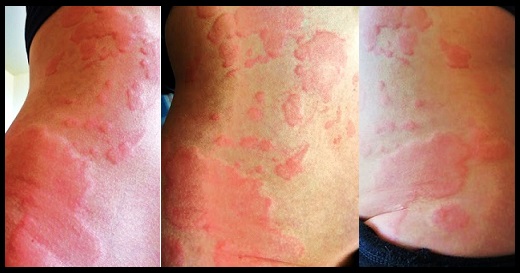 After nearly a year of daily hive outbreaks, my allergist diagnosed my condition as “Chronic Idiopathic Urticaria.” In plain English, this means that I simply “get hives.” There is no identifiable cause, and I had no choice but to learn to live with it. Within a few months of dealing with my condition, I began to pinpoint certain things that made the hives significantly worse. Excessive pressure on the skin, tight clothes, extreme temperature changes, alcohol and certain drink mixers, specific medications (aspirin, ibuprofen and NSAIDS), lack of sleep, dehydration, and even sitting in the same position or crossing my legs for too long were just some of the triggers I noticed. By keeping track of these triggers, I’ve since been able to keep the hives under control.
Be careful! Many prescription drugs can cause nutrient depletions. Here’s what you need to know!
I also learned that chronic hives are much more common that I thought! So, for any of you suffering from the same condition – trust me, you’re not alone. Here are some of my personal tips for anyone dealing with chronic hives:
- Keep track of your triggers! Keep a diary of what you’re eating and drinking every day, as well as any medications you’re taking, and make notes when your hives worsen or subside. You’ll likely begin to notice a pattern, making it easier to avoid foods, medicines or anything else that makes your hives worse.
- Avoid tight clothes, shoes and “itchy” materials (i.e., fuzzy sweaters) as much as you can. Of course this isn’t the easiest task, especially for us ladies – but it is possible. Be creative! For me, the pressure of tight jeans and high boots was too much to bear – I’d come home every day with huge welts all over my lower legs and around my torso. So I switched to low ankle boots, looser cotton leggings and loose blazers or jackets. It made a huge difference without doing too much damage to my personal style.
- Keep extra layers of clothing around for sudden temperature changes – don’t let yourself get too cold or too warm. For me and many others, hives worsen significantly when the seasons change.
- Hydrate, hydrate, hydrate. Drink plenty of water to flush out your system – this will usually help flush out the hives, too.
- Try to eat fresh foods as much as possible – avoid preservatives. They simply aren’t good for your overall health; therefore, they aren’t good for your hives.
- Avoid alcohol as much as possible. If you are going to drink, keep it simple – beware of complicated cocktails and drink mixers. You never really know what you’re drinking when you order specialty cocktails at the bar. In my case, the additives and dyes have triggered some terrible outbreaks.
- Red Bull gives you wings – and hives. Caffeine products raise the adrenaline level in your body, which leads to elevated histamine levels. Those of us with chronic hives already have too much histamine running through our systems, so caffeinated drinks aren’t the best choice.
- Don’t smoke. If you’re a smoker, all your efforts to remedy your condition are basically reversed by all the awful chemicals in cigarettes.
Dr. Millie Lytle, ND gave me some excellent information and insight on the natural side of curing hives.
Read her excellent all-natural tips for dealing with chronic hives right here:
What are some of the underlying causes of chronic hives and repeated allergic reactions?
The medical term for hives is urticaria, from the Latin word “urtica.” It’s named after the plant nettle, a plant that stings and leaves behind a trail of itchy, red bumps. A hive is a type of allergic reaction characterized by an immune response that creates a “wheal and flare” reaction on the skin. A wheal is a raised red or white bump with a red base. The flare indicates a histamine reaction from white blood cells in the skin that cause itching and swelling due to an accumulation of immune fluid. Hives are a hypersensitivity reaction and generally are preceded by exposure to an otherwise benign substance or chemical such as food, air or the environment. These triggers might come in contact with the skin, become ingested by mouth, or inhaled. Common agents that cause hives are plants in the ragweed family such as chamomile, pollens, grasses, mold, dust mites, tobacco, and even healthy foods such as shellfish, peanuts, sesame seeds, potatoes, pineapple and citrus. Some people are sensitive to temperature and might react to heat, hot water or even to their own sweat. Hives typically come with exposure and leave after the trigger is gone. Hives that stay longer than six weeks are considered a chronic problem.
What natural remedies would you suggest to alleviate the symptoms of hives?
In order to discuss what nutrients alleviate hives, we consider the homeopathic principles of “like cures like” (sometimes compared to the vaccine principle). This principle says that a substance that causes disease in large doses, can treat or cure that same illness in small doses.
Vitamin C and its bioflavonoids such as quercetin, rutin and hesperidin are some of the best natural anti-histamines, reducing the wheal and flare reaction. In addition to lemons and pink grapefruit, other foods rich in bioflavonoids are onions and garlics, orange and red peppers, tropical fruits such as mangosteen and pineapple, green vegetables such as broccoli, spinach and brussel sprouts, and the powerhouse herb, green tea. As I mentioned earlier, nettle or Urtica dioica, is a plant that stings and can leave behind a trail of itchy, red bumps. Ironically, nettle is one of the best treatments of allergic hives, as it reduces inflammation and swelling and allows you to urinate more often, clearing inflammation metabolites through the kidneys. It also helps with other allergy symptoms such as red and itchy eyes, asthma. Nettle happens to be a traditional blood tonic, helping to reduce ‘heat in the blood’, a cause of hives and other red skin problems according to Traditional Chinese Medicine.
When hives are common, recurrent or chronic, it is important to look at liver and digestive health as well as kidney. Much of the immune system lies in the intestines, so it’s beneficial to have adequate fiber in the diet to move bowels daily and get rid of toxin accumulation. Probiotics such as Lactobacillus and Bifidus also help to stabilize the immune system. Next, and possibly even more important, all chemicals are processed by the liver. This includes alcohol, sugar, dyes, food additives and medications. Those who have been on frequent and/or long-term medications, even antihistamines, could benefit from N-Acetyl-Cysteine (NAC), Alpha Lipoic Acid (ALA), and extracts from broccoli such as sulphoraphane. Most people with chronic hives must take a prescription or OTC anti-histamine to avoid life-threatening symptoms. What nutrients do these medications deplete, and what supplements can help restore them?
Antihistamines such as Vistaril or Atarax, in addition to causing dry mouth and headaches, can deplete melatonin, which can cause a host of side effects including insomnia, weight gain and increased cancer risk. Steroid inhalers for Asthma and Allergic Rhinitis such as Flonase or Beclovent deplete several nutrients such as Beta Carotene, Vitamin B6, Folic Acid, Vitamin C, Vitamin D, Calcium, Magnesium, Potassium, Selenium, Zinc and Melatonin. At the very least, it is necessary to eat a diet high in greens and reds and take a good quality multi-vitamin when taking these medications. Unfortunately, these medications sometimes deplete the very nutrients that are needed to alleviate the symptoms naturally, such as Vitamin C, so people require more as part of their daily diet.
Work with a qualified nutritionist or naturopathic doctor in order to determine the best course of alternative treatment for you!
Do you suffer from Chronic Hives? Leave us a comment to join our conversation!




 Diabetes is a vicious and life-threatening disease where your