Tag: sleep

How Unhealthy Sleep Habits Impact Your Weight

How Unhealthy Sleep Habits Impact Your Weight

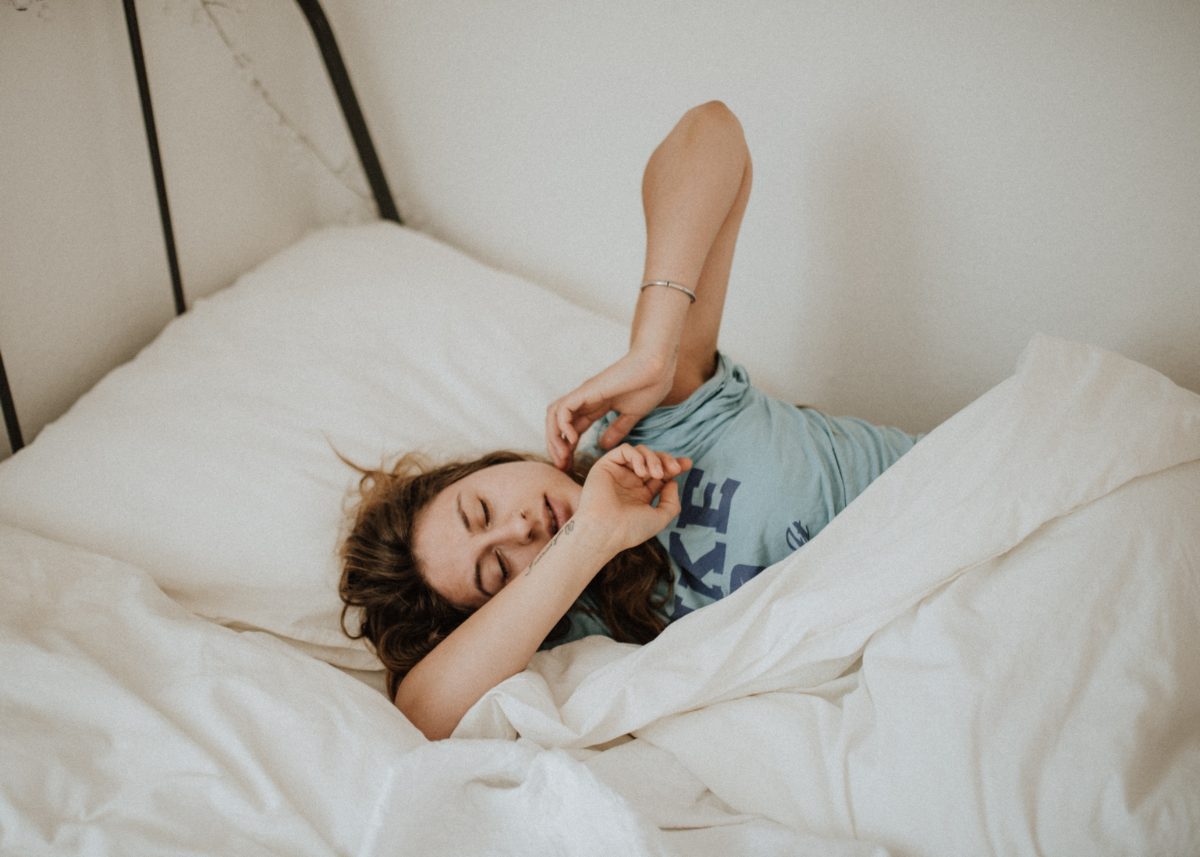
Photo by Alan Ko on Unsplash If you’ve noticed that your sleeping habits have been off along with your diet lately, it’s important to note that there is an interesting correlation between the two. Research has found that sleep, particularly too little of it, directly 

Health Spotlight: Natural Anxiety Relief

Health Spotlight: Natural Anxiety Relief

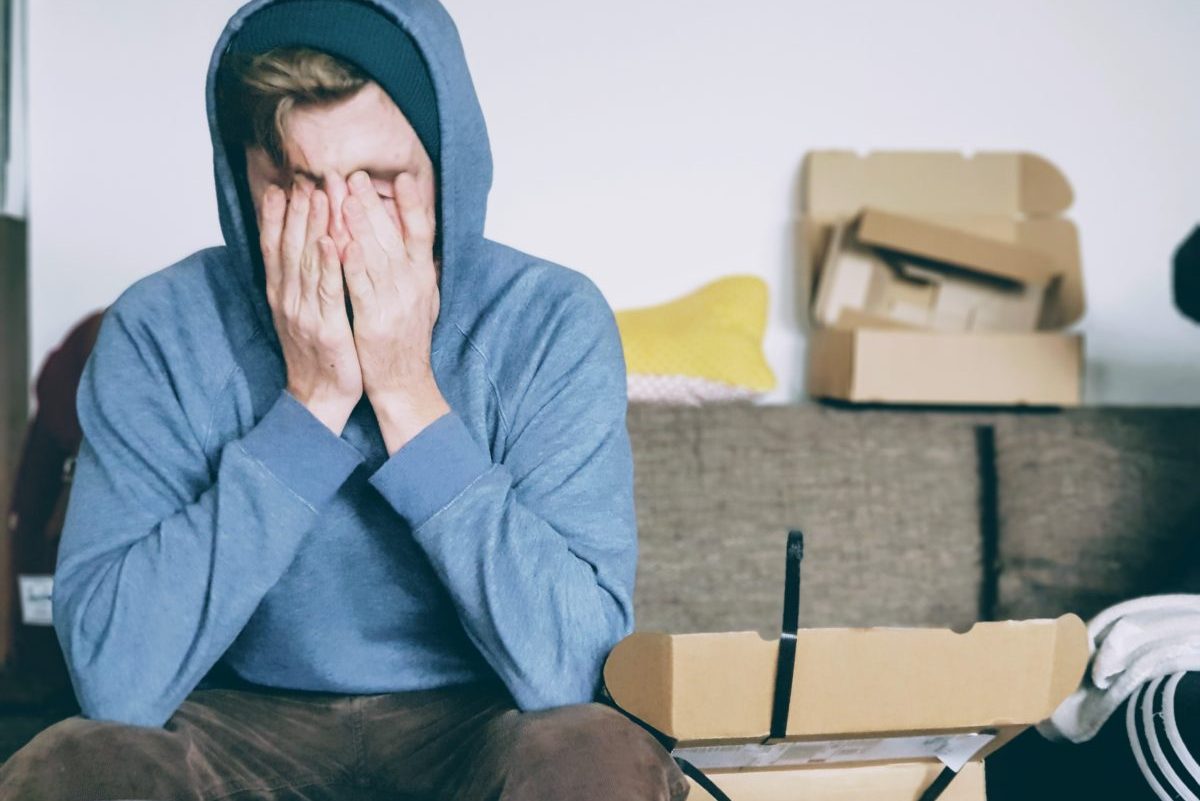
Photo by Carolina Heza on Unsplash Let’s face it – it’s normal to get a little stressed and overwhelmed sometimes. But overwhelming anxiety and constant worry can take a major toll on your body and mind. Anxiety currently affects roughly seven million people in the 

New Study Links Hormones to Stress-Related Eating

New Study Links Hormones to Stress-Related Eating

We commonly eat more unhealthy foods during emotional or stressful times but we usually don’t think about exactly why we do it. There may be a chemical reason behind why we tend to reach for a bag of chips or a piece of cake when we’re stressed out. A new study performed in Philadelphia released interesting data regarding our food cravings and what exactly triggers them.

Can a combination of nutrients burn calories, even while sitting?

According to the study performed by the Monell Chemical Senses Center, hormonal influences are what causes our taste buds to crave sugary, fattening treats during emotional times. Stress, it turns out, can increase the secretion of hormones called glucocorticoids, or GCs. The hormones then rev up the GC receptors in our body cells and that process has been known to sway our cravings towards the more unhealthy snacks. This study was done on mice and interestingly enough, the stressed out mice proved to have 77% more GCs than the relaxed mice. This means the stressed mice ate more sugar and fat than the control group.

How to Cope with Stress and Anxiety by Jerry Hickey, R.Ph

There are also many other factors that can induce a sweet tooth. Lack of sleep, for instance, often causes you to crave sweeter, more sugary foods, simply in an effort for extra energy to make up for the lack of sleep. So next time you’re thinking about that piece of cake or cookie, ask yourself, how are you feeling? Are you overwhelmed or stressed? Are you even hungry? It may save you on a few hundred calories and a lot guilt afterwards.

Natural Remedies for Stress by Nicole Crane, BS, NTP

Stress can affect us all and keeps physical and mental well-being just out of reach. What can you do when it becomes an overwhelming daily occurrence from which you cannot escape? You can look to other natural methods such as learning to increase your biochemical resistance against stress. This can be done by clearing stress hormones, building happy-healthy brain chemistry, vamping up daytime energy and supporting deep, restorative sleep. Natural remedies can give you the biochemical edge you need to not just survive, but thrive.

Getting adequate rest is very important for well-being, especially when stress becomes overwhelming. Supporting tranquility during the day and restful sleep at night may be the key to helping the body resist the harmful effects of stress on memory, mood, and sleep, restoring your waking vitality. Natural remedies keep cortisol and other wellness-zapping hormones in check and build healthy, positive brain chemistry. With the help of some natural remedies, you can get your biochemistry back on track, and not only survive, but thrive with stress.

Continue reading, Nicole Crane, BS, NTP’s article, “Thriving (Not Just Surviving!) with Stress” by clicking here!

Do you find yourself contributing to stress-related eating? Do you tend to lose your appetite when you’re stressed? Let us know in the comments!

INVITE® HEALTH CURRENT SALE

Are Your Kids Getting Enough Sleep?

Are Your Kids Getting Enough Sleep?

Photo by Dakota Corbin on Unsplash If your kids seem to have a hard time getting to bed at night, it may be a good time to explore their daily routine and find a possible cause. It could be a variety of issues, from not 

Awakening Awareness: Chronic Fatigue Syndrome

Awakening Awareness: Chronic Fatigue Syndrome

Photo by Stacey Gabrielle Koenitz Rozells on Unsplash We all experience a little sleepiness on your average Monday morning. However, severe and ongoing fatigue that’s accompanied by symptoms like muscle and joint pain, memory problems, and trouble concentrating may indicate a more serious problem – 

Sleep Spotlight: Four Steps to a Better Night’s Rest

Sleep Spotlight: Four Steps to a Better Night’s Rest

Photo by Kinga Cichewicz on Unsplash

Is tossing and turning a regular part of your night? How about falling asleep, but not staying asleep? If your sleep patterns are sporadic, the lack of rest can leave you feeling tired, irritable and can usually cause dark circles under your eyes.

Over time, sleeplessness and sleep disorders can contribute to the symptoms of depression. The most common sleep disorder, insomnia, has the strongest link to depression. In a 2007 study of 10,000 people, those with insomnia were five times as likely to develop depression as those without insomnia. In fact, insomnia is often one of the first symptoms of clinical depression. Seeking early treatment is essential.

When you don’t get enough sleep, your body releases more of the stress hormone cortisol. In excess amounts, cortisol can break down your skin’s collagen, the protein that keeps skin smooth and elastic. Lack of sleep seems to be related to an increase in hunger and appetite, and possibly weight gain over time as well.

If you’re having trouble sleeping, try these steps to get a better nights’ rest –

Get into a Routine

Train your body and mind to get up and go to bed at a specific time every day. Soon enough, your body will start to recognize that it’s getting close to that “bedtime”, and you will likely become tired.

Power Down

It’s a good idea to power down the tablets, laptops and televisions a few minutes before actually going to bed. The reason is that electronics have a tendency to stimulate the brain and keep you awake longer.

Sleep vitamins can be an extremely helpful tool for anyone who is not getting a full, restful night’s sleep on a regular basis.

Focus on your Breath

If you’ve been in bed for more than 20 minutes and have not fallen asleep, it’s recommended to start taking deep breaths. Deep breaths, both inhaling and exhaling, will relax your body and bring down your heart rate.

Clear your Mind

We all have worries, but lying in bed going over the day’s events and worrying about tomorrow while you’re trying to fall asleep is the worst thing to do. Just let it go – the day is over. Accept it for what it is and focus on getting some rest, because 8 hours later the problems will still be there.

What works best for you on sleepless nights? Listening to music? Taking a walk? Let us know what your plan is when you can’t sleep!


INVITE® HEALTH CURRENT SALE