Author: Danielle Menke

One in Four Women Over Age 65 Have This Painful Disorder

One in Four Women Over Age 65 Have This Painful Disorder

The Center for Disease Control (CDC) has reported roughly one in four women over the age of 65 have osteoporosis of the hip and spine, a painful and debilitating bone disorder. Yet, this disorder only plagues less than 6% of men over the age of …

What Could Happen If You Stop Treating Your Diabetes

What Could Happen If You Stop Treating Your Diabetes

It’s difficult enough to get out of bed in the morning. But for those who must regularly take pills, check their blood sugar levels or give themselves insulin every morning, they may have it a lot harder. Though, maintaining your health, especially with diabetes is …

Your Thyroid is More Important Than You Think!

Your Thyroid is More Important Than You Think!

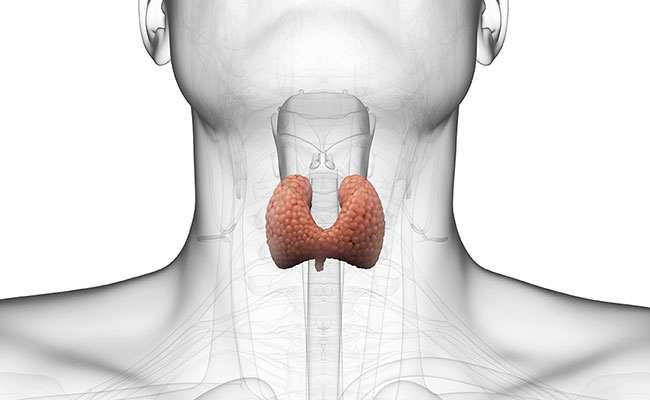
The thyroid is, undoubtedly, one of the most important glands in your body. Though it is small, this butterfly-shaped gland that is located in the lower front of your neck is responsible for making thyroid hormones that help the body use and maintain energy, keep warm and keep the brain, heart and muscles (just to name a few) on a strict-working schedule.[1] But an under-active or over-active thyroid can essentially throw your entire body off track. Here is what you need to know.

Hypothyroidism

According to Antonio Bianco, MD, PhD, a professor of internal medicine at Chicago’s Rush University Medical Center and president-elect of the American Thyroid Association explains, “Especially in terms of hypothyroidism, or an under-active thyroid, it’s hard to make a diagnosis based on symptoms alone. The best way for making a diagnosis is with a blood test.”

Some symptoms of Hypothyroidism include:

  • Commonly feeling cold
  • Chronic fatigue or muscle pain
  • Dry skin
  • Hair Loss
  • For women, abnormally heavy periods
  • Excessive weight gain
  • Constipation

If you have several of these symptoms, Bianco suggests visiting your primary doctor for a consultation and a blood test – “The test measures serum thyroid stimulating hormone, or TSH. If your blood test shows a TSH level between 0.4 and 4.5 milli-units per liter (mU/L), that’s normal”, Bianco says. “If you’re at 10 mU/L or above, you have hypothyroidism. But between 4.5 and 10 mU/L, you fall into a grey zone”—what Bianco calls sub-clinical hypothyroidism. “There are no clear risk factors or health conditions associated with a TSH in this range, so we treat this on a case-by-case basis,” he says.

Hyperthyroidism

An over-active thyroid has very different symptoms than those facing Hypothyroidism. Some symptoms include:

  • Bulging eyes
  • Commonly feeling too hot
  • Heart racing
  • Anxiety or nervousness
  • Problems with vision
  • Excessive weight loss
  • Increased sweating and/or clammy hands
  • Increased bowel movement
  • For women, abnormally light periods

“If your TSH is at zero, that’s clinical hyperthyroidism and you’re probably experiencing all or most of those symptoms,” Bianco says. If your TSH is low but above zero, your doctor may still chose to treat you—even if you aren’t experiencing any symptoms at all.[2] Here’s why: “An excess of these hormones have been linked to atrial fibrillation, so it affects the heart and could cause blood clots or stroke,” Bianco says.

Recommendations to Reduce Symptoms

According to The American Thyroid Association, “It’s common for patients with thyroid disease or cancer to be recommended to practice a special diet that avoids foods that contain iodine. It’s also common for patients to be told to take Vitamin D or calcium supplementation.”

The University of Maryland Medical Center makes some suggestions that may help to reduce symptoms:

  • Eat foods high in B-Vitamins, antioxidants (blueberries, cherries, etc..) and iron (whole-grains, vegetables)
  • Take a daily multivitamin that contains vitamins A, C, E, B-Complex and trace minerals (magnesium, calcium, zinc and selenium)
  • Consume plenty of omega-3 fatty acids like fish oil, that helps to reduce inflammation and boost immunity.
  • L-Carnitine may help for decreasing thyroid activity because of its blood thinning effects.*

*Speak to your doctor or a healthcare professional before starting a supplement routine.

Sources:

[1] http://www.thyroid.org/thyroid-information/
[2] http://www.prevention.com/health/signs-your-thyroid-out-whack

InVite® Health Current Sale

Low Vitamin D Levels Linked to Mental Decline in Elderly

Low Vitamin D Levels Linked to Mental Decline in Elderly

You can have enough vitamin D in your blood, have insufficient levels, or really lack it (deficiency). In this study from University California Davis and Rutgers University having low levels of vitamin D accelerated cognitive decline dramatically – at three times a faster rate compared …

New Study: Resveratrol May Protect Individuals with Alzheimer’s Disease

New Study: Resveratrol May Protect Individuals with Alzheimer’s Disease

Resveratrol, already the focus of a number of studies on brain health, may be an effective way to help slow the progression of Alzheimer’s disease. In previous studies from the University of Reading in the UK and another from the Max Plank Institute in Germany, …

The Myths vs. The Facts About Vitamin C

The Myths vs. The Facts About Vitamin C

When most people think about the benefits of vitamin c, they probably think about oranges and orange juice. But there is much more to this important vitamin – it might even benefit your cardiovascular health. A new study performed by scientists from the University of Colorado, Boulder, found that a 500mg time-released dose of vitamin C seemed to protect the blood vessels of 35 inactive, overweight or obese adults. This effect was found to be similar to a “walking workout” and some are even calling vitamin C the “exercise pill”. Of course, the study was much too small to definitively dub the vitamin with that name, but it does suggest that Vitamin C does even more for the body’s immunity than commonly thought. Here are four myths and facts about the important nutrient.

FACT: Deficiencies are rare

“Our bodies cannot product vitamin C, meaning we must obtain it from food [or supplementation]. These days, a deficiency serious enough to cause symptoms is pretty rare,” says Health. Health also explains that the recommended daily target for adults is 75mg for women, and 90mg for men, though many experts are suggesting that target number be raised to 200mg. According to FitDay, symptoms of a deficiency include fatigue, mood changes, weight loss, joint and muscle aches, bruising, dental conditions (gum problems), dry hair and skin, and infections.

MYTH: You can’t get too much

This vitamin is a vital nutrient for immune function but too much of it can do more damage than good. In a study performed by the Karolinska Institute in Stockholm, Sweden in 2013, men who took high doses seemed to face double the risk of kidney stones. The study’s co-author and associate professor, Agneta Akesson, explained, “It is important that the public is aware that there may be risks associated with taking high doses of vitamin C. Those with a history of kidney stones should consult their doctor before taking high-dose vitamin C supplements.” As always, speak to your primary doctor or a certified nutritionist for the best method of obtaining the recommended daily value safely.

Read this New Study – “Vitamin C helps you stay alive; fruit and vegetable study”

FACT: It Can Help with Weight Loss

According to Health.com, “A low blood level of vitamin C has been linked to having a higher BMI, body fat percentage, and waist circumference, compared to people with normal levels. And a study from Arizona State University found that vitamin C status might affect the body’s ability to use fat as a fuel source—during both exercise and at rest. To reap vitamin C’s weight control benefits your best bet is to focus on being active, and making your meals with colorful produce that’s naturally rich in vitamin C.”

MYTH: Citrus is the best source

There are 12 superfoods, according to Health.com, that are loaded with more vitamin c per serving than oranges – chili peppers, red bell peppers, green bell peppers, kale, broccoli, papaya, strawberries, cauliflower, Brussel sprouts, pineapple, kiwi, and mango.

Source: http://news.health.com/

What are some ways you are sure to get your daily recommended serving of vitamin C? Leave us a comment!

InVite® Health Current Sale