Recent Posts

THE WINTER BLUES: SEASONAL AFFECTIVE DISORDER

THE WINTER BLUES: SEASONAL AFFECTIVE DISORDER

Written By: Allie Might, FMC, INHC, ATT For further questions or concerns email me at amight@invitehealth.com During the winter months, there always seems to be a “mood” in the air. We often hear people talk about “cabin fever” or “the winter blues”. But what do 

Should you be neurohacking your brain? , Invite Health Podcast, Episode 621

Should you be neurohacking your brain? , Invite Health Podcast, Episode 621

Subscribe Today! Please see below for a complete transcript of this episode. SHOULD YOU BE NEURO HACKING YOUR BRAIN? INVITE HEALTH PODCAST, EPISODE 621 Hosted by Amanda Williams, MD, MPH. *Intro Music* InViteⓇ Health Podcast Intro: [00:00:04] Welcome to the InViteⓇ Health Podcast, where our 

Osteoarthritis

Osteoarthritis


Written by Dr. Claire Arcidiacono, ND

For further questions or concerns email me at carcidiacono@invitehealth.com†

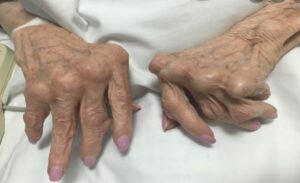
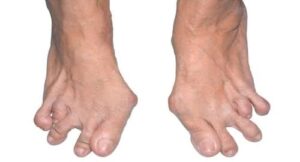
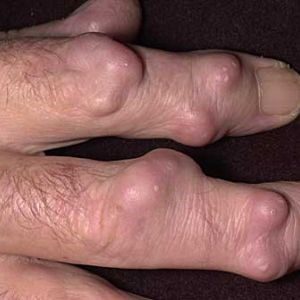
Now that we have gone over joint anatomy and lab work that is important for joint health, it is time to get deeper into our interesting topic. Today we are going to cover osteoarthritis. To start, what exactly is osteoarthritis? Osteoarthritis is a type of joint disease where we see a breakdown of joint cartilage and the underlying bone. (1) While other types of joint disease are caused by a dysfunction of the immune system and can thus affect internal organs in osteoarthritis that is not the case. In other words because osteoarthritis is not an autoimmune condition the damage is limited to the joints.† (2)

Osteoarthritis is what is colloquially called “wear and tear” arthritis. The damage seen in osteoarthritis is caused by anything that leads to mechanical stress on the joint. One of the risk factors for developing osteoarthritis is being overweight since the excess weight puts more stress on the joints than they are designed to handle. Other risk factors include abnormal joint or limb development including those who have limbs of different length, or even previous joint injuries. Those who have very physical jobs may have a higher level of joint stress and have an increased risk of osteoarthritis as a result of that.(3) In individuals with a chronic level of inflammation this inflammation may increase the risk of osteoarthritis.(4) There also appears to be a link between menopause and developing osteoarthritis. Unfortunately as we age the wear and tear of daily living also places stress on the joints and thus advanced age can also be a risk factor for osteoarthritis.  (5) Certain health concerns can also increase the risk of osteoarthritis. These can include Alkaptonuria.  (6) Other chronic diseases that are risk factors include hemochromatosis, Wilson’s disease, ligament deterioration, obesity, joint infection and cognitional disorders. Ehlers-Danlos syndrome is another risk factor. Yet another risk factor is Marfans syndrome. Any other form of arthritis will increase the risk of osteoarthritis. Diabetes appears to increase the risk of needing a joint replacement surgery due to the osteoarthritis. (7)
Osteoarthritis is usually diagnosed with a history and clinical exam as well as an x-ray. Getting an x-ray is very important because it can help us understand how severe the illness has progressed. Someone who has the start of osteoarthritis has a very different protocol than someone who has advanced illness. Very often when we speak of arthritis we use the term ‘bone on bone’. What this basically means is that the cartilage has been worn away and the bone is directly rubbing on another bone. Only your doctor can determine if this is the case. From my clinical experience I can tell you I’ve had clients with bone on bone who can walk with what they describe as mild pain. Others with bone on bone can barely walk. Then again I’ve had individuals who are in the early stages of osteoarthritis and they have severe pain. That is why testing is so important.†
One of the first steps in working with osteoarthritis is to lose weight if necessary. The next step is to treat any underlying conditions such as diabetes or any autoimmune conditions you may have.  Reducing the stress caused by inflammation can also help reduce the risk of osteoarthritis. (8)  A 2015 study showed that water therapy is very helpful for reducing the symptoms of osteoarthritis (9). In addition to any conventional treatments that the doctor may recommend the following have been found in studies to help with osteoarthritis.†

FISH OILS ARE GOOD FOR YOUR JOINTS & KRILL MIGHT BE SUPERIOR- INVITE HEALTH PODCAST, EPISODE 580>>LISTEN NOW!

Dr.Claire’s Recommendations: 

Turmeric has been found in studies to help with the pain and inflammation associated with osteoarthritis. It also has been found to help with overall joint health. (10) Please see Invite’s Biocurcumin 5 Loxin, Turmeric with Ginger and Curcumin blend.†
Ginger has been found in studies to reduce the symptoms of osteoarthritis. (11) Please see Invite’s Turmeric with Ginger!
Collagen has once again been found effective at reducing the symptoms of osteoarthritis in studies! (12)Primary studies indicate that collagen may help to make beneficial changes in the quality of cartilage in osteoarthritis. (13) Please see Invite’s Collagen Hx, Collagex HA, and Cartilage Hx.†
Hyaluronic acid has been found to improve joint lubrication as well as reduce the inflammation found in osteoarthritis. (14) Please see Invite’s Hyaluronic acid with devils claw as well as Invite’s Collagex Ha.†
Glucosamine is very controversial. However while more research is needed it has been found in some studies to help slow the degeneration of the cartilage that occurs during osteoarthritis. (14). Please see Invite’s Glucosamine Chondroitin, Joint Hx and Collagex Ha.†
Omega 3 have been found in newer studies to help reduce the symptoms, for example pain associated with osteoarthritis. (14) Please see Invite’s Fish oil, Krill oil, Biomega and Inflammune.†

Next week we will be talking about Rheumatoid Arthritis!


REFERENCES

1. Arden N, Blanco F, Cooper C, Guermazi A, Hayashi D, Hunter D, Javaid MK, Rannou F, Roemer FW, Reginster JY (2015). Atlas of Osteoarthritis. Springer. p. 21. ISBN 978-1910315163. Archived from the original on 8 September 2017.
“Osteoarthritis”. National Institute of Arthritis and Musculoskeletal and Skin Diseases. April 2015. Archived from the original on 18 May 2015. Retrieved 13 May 2015.
2.Glyn-Jones S, Palmer AJ, Agricola R, Price AJ, Vincent TL, Weinans H, Carr AJ (July 2015). “Osteoarthritis”. Lancet. 386 (9991): 376–387. doi:10.1016/S0140-6736(14)60802-3. PMID 25748615. S2CID 208792655.
3.Berenbaum F (January 2013). “Osteoarthritis as an inflammatory disease (osteoarthritis is not osteoarthrosis!)”. Osteoarthritis and Cartilage. 21 (1): 16–21. doi:10.1016/j.joca.2012.11.012. PMID 23194896.
4.Tanamas SK, Wijethilake P, Wluka AE, Davies-Tuck ML, Urquhart DM, Wang Y, Cicuttini FM (June 2011). “Sex hormones and structural changes in osteoarthritis: a systematic review”. Maturitas. 69 (2): 141–156. doi:10.1016/j.maturitas.2011.03.019. PMID 21481553.
5.Ranganath LR, Jarvis JC, Gallagher JA (May 2013). “Recent advances in management of alkaptonuria (invited review; best practice article)”. J. Clin. Pathol. 66 (5): 367–373. doi:10.1136/jclinpath-2012-200877. PMID 23486607. S2CID 24860734.
https://en.wikipedia.org/wiki/Osteoarthritis#cite_note-23
6.Cibulka MT, White DM, Woehrle J, Harris-Hayes M, Enseki K, Fagerson TL, et al. (April 2009). “Hip pain and mobility deficits–hip osteoarthritis: clinical practice guidelines linked to the international classification of functioning, disability, and health from the orthopaedic section of the American Physical Therapy Association”. The Journal of Orthopaedic and Sports Physical Therapy. 39 (4): A1-25. doi:10.2519/jospt.2009.0301. PMC 3963282. PMID 19352008.
7.Lu M, Su Y, Zhang Y, Zhang Z, Wang W, He Z, et al. (August 2015). “Effectiveness of aquatic exercise for treatment of knee osteoarthritis: Systematic review and meta-analysis”. Zeitschrift für Rheumatologie. 74 (6): 543–552. doi:10.1007/s00393-014-1559-9. PMID 25691109. S2CID 19135129.
8.https://www.ncbi.nlm.nih.gov/pmc/articles/PMC7812094/
9.https://pubmed.ncbi.nlm.nih.gov/11710709/
10.https://pubmed.ncbi.nlm.nih.gov/30368550/
11.https://pubmed.ncbi.nlm.nih.gov/21251991/
12.https://www.ncbi.nlm.nih.gov/pmc/articles/PMC5814393/
13.https://www.mayoclinic.org/drugs-supplements-glucosamine/art-20362874
14.https://www.sciencedaily.com/releases/2011/10/111017111600.htm

You’re Older, think about taking these supplements, Invite Health Podcast, Episode 620

You’re Older, think about taking these supplements, Invite Health Podcast, Episode 620

Subscribe Today! Please see below for a complete transcript of this episode. YOU’RE OLDER, THINK ABOUT TAKING THESE SUPPLEMENTS  – INVITEⓇ HEALTH PODCAST, EPISODE 620 Hosted by Jerry Hickey, Ph. *Intro Music* InViteⓇ Health Podcast Intro: [00:00:04] Welcome to the InViteⓇ Health Podcast, where our 

Sleep, Part 2: Common Sleep Issues

Sleep, Part 2: Common Sleep Issues

By: Allie Might, FMC, INHC, ATT When addressing sleep, there’s a few things to consider. Are you having problems falling asleep? Do you wake up and can’t fall back asleep? Have you been diagnosed with a sleep disorder? Let’s explore these and look at some 

Don’t Get Frail, Fight Back, Invite Health Podcast, Episode 619.

Don’t Get Frail, Fight Back, Invite Health Podcast, Episode 619.

Subscribe Today!

Apple PodcastsGoogle PodcastsiHeartRadioSpotify


Please see below for a complete transcript of this episode.

DON’T GET FRAIL, FIGHT BACK  – INVITEⓇ HEALTH PODCAST, EPISODE 619

Hosted by Jerry Hickey, Ph.

*Intro Music*

InViteⓇ Health Podcast Intro: [00:00:04] Welcome to the Invite Health podcast, where our degreed health care professionals are excited to offer you the most important health and wellness information you need to make informed choices about your health. You can learn more about the products discussed in each of these episodes and all that Invite Health has to offer at www.invitehealth.com/podcast. First time customers can use promo code podcast at checkout for an additional 15% off your first purchase. Let’s get started.† [00:00:34]

*Intro Music*

Jerry Hickey, Ph: [00:00:40] What age you could become frail? And that’s not inevitable. That’s something you can really put off or avoid possibly altogether, because frailty is dangerous. For one thing, frailty really increases the risk of falling and falling could be quite dangerous in older people. So welcome to my episode. Don’t Get Frail, fight Back. Hi, my name is Jerry Hickey. I’m a nutritional pharmacist, the senior scientific officer over here at Invite Health. You can find all of the Invite Health podcasts for free wherever you listen to podcasts or just go to invitehealth.com/podcast. You can also find an invite on Facebook, Twitter and Instagram at Invite Health. Now, all of the information about this episode is listed in the description on the website or wherever you’re listening. So let’s get into this frailty issue, and frailty has different definitions from different regions, but generally frail people, they lose a lot of muscle. Of course, they lose a great deal of strength. This is not uncommon in people over 70 or 75. They tend to shrink. Their bones, of course, can weaken. I mean, that could be part and parcel of the whole thing. They become less communicative, maybe incommunicative, and they’re not socializing. They’re kind of just sitting in a chair. And the problem is that’s opening the door to all those diseases of aging, cancer, diabetes, broken bones, you know, brittle bones, you name it. So let’s get into this whole falling issue. And of course, you know, you can learn leg exercise that will really decrease your risk of falling by strengthening your legs. Supplements can help, too, and of course, the correct foods. You can also learn balance exercises like when I took Tai chi, there’s a whole bunch of balance exercises that become part and parcel of working out with Tai chi. So sadly, this is the American family physician. So this is older data. It’s a bigger scale now of what I’m going to tell you, because this goes back to American family physician, the year 2000.† [00:02:49]

[00:02:52] Falling is the number one cause of accidental deaths and people over the age of 65. Now, that’s according to a great deal of data. 90% of hip fractures occur as a result of falling. They’re related to falling. Well, most of these hip fractures occurring in people greater than the age of 70. Now, community dwelling means you’re living at home, you’re not institutionalized, you’re not in a nursing home or anything. You don’t need help to get around, for the most part, a third of community dwelling elderly people, a third and 60% of those in a nursing home fall each year. And of course, the major cause of falling is frailty. Now, you don’t want to get frail, now other than frailty. Poor, poor eyesight contributes to falling in the elderly, poor eyesight, especially if you don’t have great lighting like, on somebody’s stairs going down the basement. The lighting can always can frequently, not always can frequently be inadequate. Maybe getting up at night there’s not enough light and you trip over something, a trip over to your terrier dog, you trip over a piece of furniture. And by the way, there was a study very interesting about ten years ago, a huge review of millions of people that if people simply took lutein, a supplement, lutein, which is great for your brain and great for your eyes, it would cut down the incidence of falling dramatically. But there’s other things that contribute to falling in the elderly besides frailty and vision issues. A lot of prescription drugs, they cause ooziness, they cause drowsiness. That’s drugs for anxiety, drugs for depression. I mean, it’s just some of the high blood pressure drugs or it is just a lot of drugs that make you sleepy. And of course, antihistamines for allergies and colds, all those things can make you sleepy. So, you know, you should discuss that with your pharmacist. Am I taking a drug that’s going to make me oozy, it’s important to know.† [00:04:54]

[00:04:55] Cognitive impairment, of course, is a big contributor. So once again, this is an older statistic. There’s a lot more elderly people now. So the incidence is higher than what I’m about to tell you, so about 10,000 elderly people die each year as a direct result of falling. So once again, that’s an older figure. But these people who fall, even if they survive, they experience significant morbidity. In other words, it’s causing other problems, like maybe a broken shoulder or a broken ankle, you know, something horrible and their stay in the hospital. Older people who fall, their stay in the hospital is twice the length, of hospital stays of elderly people who went to the hospital for other reasons. So comparatively speaking, people go into a hospital with an infection or for surgery, etc. They stay in the hospital half the time as people who are in the hospital as a result of a fall. So it really is a big issue. And of course, once you have these co-morbidities, these other issues that come out of a fall, there’s a decline in function. So you’re, you know, your activities of daily living are harder, like vacuuming the house, walking the dog, taking up recyclables, going shopping. There’s a decrease in physical activity. So, you know, taking your walks, playing pickleball, going to the gym. And of course, there’s a decrease in socialization, social activities, dropping out, going out to play poker, you’re not going out to brunch, you’re not going out to dinner as frequently because you’re in pain or it’s just hard. Your mobility has been damaged. Now, I said before that quite a few people who live at home, some of the stats are up to 50%, by the way, of people over the age of 70,75. Some of the stats are up to 50%. Other stats are between 15 to 50%. Now, once again, 60% of people in nursing homes fall each year. But some of these people are called Fallers. They’re like they’re serial fallers. I mean, they fall multiple times each year and they suffer with major injuries. Like they can have head trauma, they hit their head or they can have fractures or dislocations. Now, fractures take a lot longer to heal in older people. I once went to an orthopedic doctor who was a friend of mine, and he told me, Jerry, for every decade you add a week onto the healing process. Maybe not with your stitches, maybe not externally, but internally it takes a week longer for each decade, so people fall in their 70s. It takes a long, a long time to heal. Now, as far as hip fractures, this is really dangerous, 25% of people who suffer with a hip fracture die within months. You know, there’s complications like maybe blood clots or infections in the bone or a stroke. And approximately 50% over 50% are discharged to nursing homes where they have to convalesce. Now 15 to 20% of those people who are discharged from a hospital with a hip fracture and they’re discharged to a nursing home, a year later, they’re still in there. So it’s not so easy to get out of. This actually happened to my mother. My mother’s 92, she insists on living alone. She won’t let me get her aides, etc. She will not let me get her someone to live with. She will not come with and live with any of her three sons. We’re all willing to take her in, she won’t do it. She’s very independent, but she’s 92. She still exercises, she paints, she still does volunteer work. So she’s into volunteerism. She’s pretty cool, actually, she’s 92. She cracks jokes. In fact, when I go to see her, she’s over in Pennsylvania, I’m in New York and when I go to see her, she wants to go out to a microbrewery and have a beer. I mean, that’s just crazy. But what can I tell you? She lives, but she fell and she broke her thigh bone, which is kind of like a hip fracture. And she had to go to a place to really have a great deal of physical therapy. And she worked very hard to get out of there. She was out of there in several months. But that’s I don’t know if that’s how common that story is, man. So once again, a frailty is different from different countries and different regions, and it opens the door for those diseases that occur with aging because you’re not eating right, you’re not motivated, you’re not using your brain, you’re not communicating, you’re not social, you’re not exercising. So it’s just easier for these things to get into your your life.† [00:09:45]

[00:09:47] So what can you do to prevent frailty? Well, first of all, exercise. You want to prevent frailty. I mean, once you’re frail, I mean, that’s I don’t know if is getting back from being frail. So you want to exercise. So I told people take certain supplements before and after you exercise. So before you exercise, take like a green tea capsule. Green tea in a number of studies has been shown to improve the effects of exercise on burning fat, on building muscle, on building strength and on building bone tissue, on thickening and strengthening your bone. So before exercise, I tell people, you know, maybe a half an hour before with a snack, take a green tea capsule. Now, after exercise, the following a scoop of creatine monohydrate and always, of course, check with your doctor and nutritionist, your pharmacist before you do these things, your nurse practitioner, whoever is advising you. A scoop of creatine monohydrate, which is fine for most people. Creatine monohydrate recycles energy in your muscles so your muscles recuperate faster, but it also improves strength. A scoop of high quality whey protein powder get the American Whey. Sadly, sometimes the Chinese whey is subpar. It doesn’t have enough of the way peptides, and it’s perhaps not as clean as many of the American Wheys to get American Whey, have a scoop of that, now 15 to 20 grams of protein.† [00:11:30]

AN ANTI-AGING SUPPLEMENT, QUERCETIN – INVITE HEALTH PODCAST, EPISODE 567>>LISTEN NOW!

[00:11:32] Have beta hydroxy beta methyl butyrate, beta hydroxy beta methyl butyrate. I’ll say it again beta hydroxy beta methyl butyrate. One of the reasons people take certain amino acids like l-arginine is because or the brand chain amino acids is because they will eventually help create beta hydroxy beta methyl butyrate. The branched chain amino acids are leucine, isoleucine, valine, and these have real benefits for your muscles. For instance, they help with muscle growth and muscle strength. They help decrease muscle soreness after exercise post-exercise, and like the next day, the day after that, they help prevent exercise, fatigue, muscle fatigue. They definitely help prevent you from becoming weakened. They they help prevent fragility syndrome. They really are important. So they get into the muscle and they help nourish the muscle and a thing they are getting mostly converted to like the leucine is the most important of the three brand chain amino acids, but they work better together, is they they create this stuff, they create the beta hydroxy beta methyl butyrate. And this stuff really, really. I mean, studies from the military, from the armed forces, they do great research on fitness. It shows the stuff really works for muscle and you need about 3000 milligrams and mix that in water. So you want a scoop of whey protein, a scoop of, three grams of beta hydroxy beta, methyl, butyrate and a scoop of creatine monohydrate after you exercise and as soon after exercise as possible, take this and water with a little carbohydrate because your muscles are open, the muscle fibers are opened up after exercise. It’s easier to get these things into the muscle and you can you’ll exercise more effectively and efficiently with less pain if you do these things. Another thing to take after exercise is calcium with vitamin D, one of the reasons your muscles become fatigued and spasm after exercise, is the calcium and vitamin D are pumped out of them and you want to get this back into them. Another thing to take on a daily basis is something called Ubiquinol, which is the active version of coenzyme Q10. Ubiquinol is needed for physical activity, it’s needed for strength and endurance, and it’s the active form of CoQ10. And I say that because the regular CoQ10 when you get older, it’s hard to convert that into the active form. Your body has to convert it to make it useful for your muscles and endurance and to counter fatigue. So if you get the already active form, A, it’s absorbed better and B it’s already working. It’s the way to go for older people, get the Ubiquinol version of Coenzyme Q10. [00:14:43]

[00:14:44] The last thing is fish oil. Fish oils are very important for muscle. Vitamin D is important for muscle, fish oils are very important for muscle. So there’s a new study, so before I go into the study, let me explain two terms. There’s an additive effect. Not everything added to something equals a better outcome. You know, sometimes you can take different things that are actually together and they’re no good at using either one alone. So there’s an additive effect where one and one comes up to two. But then there’s a synergistic effect where adding things together is more like it’s three times better, four times better, even ten times better. That’s called a synergism. So this new study looks at a synergism between fish oils and vitamin D for exercise. It’s called the Do Health Healthy Aging Study. Now it’s European adults they’re from Switzerland and Germany, France, Portugal and Austria. They’re over 70. They’re 70 or older. It’s a three year double blind placebo controlled randomized clinical trial. So it’s a gold standard state of the art human clinical trial. So it’s 1137 people, 70 years of age or older in these countries in Europe, it’s from the University of Zurich. They ran the study, they were at a major academic research center involved with the study. They gave them 1000 milligrams of EPA, DHA every day. This is the active ingredients in fish oil. So that would be two of my fish oil capsules. And they gave them 2000 units of Vitamin D3 every day. That’s a better form of vitamin D than D2. And they did a simple home exercise program. So some of them got the supplements plus the exercise, some of them got the placebo plus the exercise for three years and taking the vitamin D and taking the fish oil with simple home exercise, did not even go to the gym, really help prevent frailty. It helped prevent what we call pre frailty. Now, surprisingly, neither vitamin D3 nor fish oils nor exercise were that powerful in preventing pre frailty. Were you losing a lot of muscle and strength. But the three together really work pretty powerfully, reducing the risk of pre frailty, pre frailty by almost half. That’s a robust finding. This is, if you prevent pre frailty obviously you’re preventing frailty and frailty is horrible. So this is a true effect on reducing your risk of suffering with like early stages of frailty. So I would do it. I listen, I get vitamin D every day, I get fish oils every day, I take a slew of supplements. Maybe my next podcast episode, I’ll do supplements, I really, truly believe older people should be taking and I’ll use my self as an example. And I’m not going to go into the supplements for conditions like diabetes or kidney disease because that would be a more unique situation. I’m talking about across the board for general health for the general population. So I’ll do that in my next podcast episode.† [00:18:07]

[00:18:09] So combining mild exercise of Vitamin D and fish oils, you can achieve the following. According to the study, this is a good study. It’s a gold standard study and there’s plenty of people. This is a well powered study. Plenty of people, plenty of time. Plenty of researchers were involved. Combining the mild exercise with vitamin D and fish oils improved muscle function, improved muscle strength, reduced chronic low grade inflammation. Chronic low grade inflammation eats away at your bones, your muscle, your mind. It was good for the heart, it was good for circulation in general. It was improving the effects of the immune system in aging people. By the way, it’s the Journal of Frailty and Aging, that’s the journal it’s in. You know, just just to throw this out that there, there are other things that kind of help with aging in different ways. And of course, you know, eat your vegetables, eating your fruit, getting enough good quality protein like an egg or a chicken and beans and stuff, red meat. If you eat red meat, treat it like dessert. Don’t have it every day. Have it, you know, once a week, twice a week. So great food, whole grains, fish, vegetables, fruits, especially apples and berries and citrus fruits. Look at the mind diet, by the way. The mind diet shows you things that are good for the brain. It’s from Russia, the Russia Institute, I believe they’re with the University of Chicago in Illinois. You have to get enough sleep. You have to get your exercise. Let me tell you a couple of interesting supplements that affect the aging process in like more unique ways. Quercetin. Quercetin is a flavonoid, it’s found in really healthy foods like like red grapes and blueberries and broccoli and spinach and apples and garlic and onions, green tea. But you only get a little even a good diet, you get like 25, 50 milligrams a day if you could get more. It’s a senolytic. What does that mean? With age, you kind of develop zombie cells. Well, all your life you’re, you’re creating zombie cells. But when you’re younger, you’re plucking them out. You’re getting rid of them because these cells are toxic to the other cells. Quercetin restores that ability to pluck out like a tweezers these zombie like cells before they turn into rather healthy cells. So that’s one way you can slow down the aging process with with the supplement taking Quercetin and Sulforaphane. This is really interesting. Sulforaphane is found in like broccoli sprouts and broccoli. That’s like the major source of it. There is a protein in the body called progerin and progerin builds up in our body with age and it it accelerates aging dramatically. I’ll give you an I’ll give you an example. There’s something called Hutchinson Gilford Syndrome. You’ve seen kids with Steady, kids with the Make-A-Wish Foundation that are taken to, you know, they want to go to Disney World. They they’re like ten, 11, 12 years old and they look like they’re 85, they really are. It’s called progeria. That’s the common name for it. You get a buildup of this protein called progeria that they can’t get rid of. And the life expectancy for these kids is very sad. It’s like 13 years and at a very young age, they’re already losing. At the age of one, they’re already starting to lose their hair. But like, you know, ten years old, they already have diabetes. They already have heart failure, They already have arthritis. So that obviously is a much more severe scenario. And I don’t know if Sulforaphane would help at all with that, but for you and me, progeria is one of the things that builds up in us with age and it’s toxic to our other cells. So the sulforaphane helps block out the progerin. There’s also a drug called rapamycin. You ever hear of Rapanui Easter Island, where they have those monolithic heads, those big heads? They found a kind of like mold over there, rapamycin. And this stuff can inhibit the aging process. But, you know, it’s really something that they use just experimentally. They use it for research, but Sulforaphane will do the same thing. So Quercetin, sulforaphane and resveratrol. I take these things every day. Resveratrol restores the health of the blood brain barrier, keep toxic things out of your brain. But it’s also really vasoactive, it helps restore circulation to your brain and your heart, your legs and everything. It helps restore sirtuin one. Sirtuin one is a protein that’s related to a gene that regulates cellular and cellular, cellular, senescence and multiple aging processes. So those things quercetin, sulforaphane, resveratrol, they help stopping the aging process.† [00:23:15]

ICYMI:AN ANTI-AGING HERB THAT HELPS PROTECT THE BRAIN – INVITE HEALTH PODCAST, EPISODE 572>>LISTEN NOW!

[00:23:15] Hey, listen, thanks for listening. Exercise, sleep, good food, and also your vitamin D, your fish oils, and that’ll help keep you strong. Thanks for listening. You can find all of the podcast episodes from Invite Health anywhere where you listen to podcasts, all those different podcast platforms, or you can just go to invitehealth.com for latest podcast and of course they’re free. You can also find it on Instagram and Twitter and Facebook at Invite Health. And I want to thank you for listening today and I hope you join me next time on our next episode of the InViteⓇ Health Podcast. Jerry Hickey signing off. Have a great day.† [00:23:15]

*Exit Music*