Tag: bacteria

What You Should Know About The Recent Food Recalls

What You Should Know About The Recent Food Recalls

Photo by Peter Bond on Unsplash This year, the number of companies who have recalled their most well-known products has skyrocketed. From apples to frozen foods, the number of items lining the shelves in your favorite supermarket seem to be steadily decreasing. This is because 

You Could Be Sharing More Than Just Make Up!

You Could Be Sharing More Than Just Make Up!

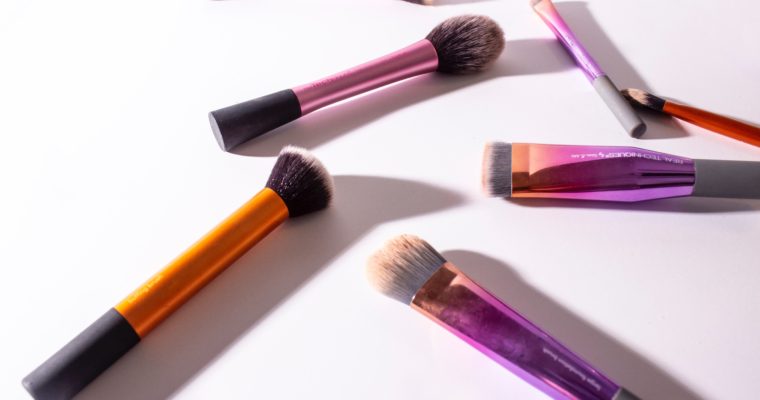
Photo by Glow Repose on Unsplash When you were a kid, your parents always told you to share. And if you have a younger sibling, you are not new to sharing everything – from clothing to food. But what about sharing your makeup? Pink Eye 

Secret Hiding Spots for Germs You Should Be Aware Of!

Secret Hiding Spots for Germs You Should Be Aware Of!

Photo by Oliver Hale on Unsplash

There are a few things that we keep rather close to us, but unfortunately we don’t clean them or change them regularly enough! A great example is your pillows and sheets.

Pillows and Sheets

Let’s be honest – most of us could change the sheets and even pillowcases a bit more often. Not only is it sanitary, but the germs and bacteria festering there can be the underlying cause of other issues. Dead skin cells, mites, mold, and fungus are also common pillow stuffers, the research shows. Somewhat surprising, synthetic pillows actually harbor a lot more bacteria than older down pillows because synthetic fibers aren’t woven as tightly. Here are a few more common items that you should make sure to clean a bit more often.

Toothbrush Holder

A report from the National Sanitation Foundation (NSF) found 27 percent of toothbrush holders are contaminated with sickness-causing bacteria like Staph. The report also turned up a previously unknown kind of bacterium related to E. coli. In fact, after lots of testing, the NSF scientists concluded the place you stick your toothbrush is probably the dirtiest spot in your bathroom.

Your Coffee Makers Water Reservoir

Regardless of whether you’ve owned a coffee maker for years or you’ve recently purchased one, I bet you haven’t read the instructions on how to clean it properly. I imagine you clean the carafe and the filter holder, but when was the last time you thought to disinfect and clean the water reservoir? Yeah, it’s been a while or you didn’t even realise you needed to. That’s a problem, because another NSF study found mold or yeast present in 50 percent of the reservoirs they tested.

How to clean it: Check your coffee maker’s instructions, but most recommend filling the reservoir with white vinegar, brewing until half of the vinegar has drained into the carafe, and then letting the maker sit for an hour before completing the brew cycle and re-running with clean water a few times to flush out the vinegar.

Immune system vitamins are important to support the body’s ability to fight off viruses that may enter your system and make you sick.

Keys and Key Boards

From your keyboard to the house keys in your pocket, both types are absolutely coated with germs. And if you’re like most people, you never clean them. One U.K. report found the average keyboard contains five times more sickness-causing bacteria than the average public toilet seat.

How to clean them: When it comes to your keys or keyboard, a few swipes with wet wipes now and then will clear away germs.

Cell Phones

It goes everywhere with you, sits around on public tabletops and counters, and it’s often warm—creating an ideal breeding ground for bacteria and germs. Your phone is gross, and its smooth glass surfaces are also great transporters of microbes, shows a Stanford University study.

How to clean it: Again, disinfectant wipes are your best option.

Shoelaces

They sit close to the ground where dirt and street muck splash all over them as you walk. And according to a University of Arizona study, shoes and laces typically harbor millions of microorganisms.

How to clean them: Soak your laces in hot soapy water or toss them in the machine with your clothes.

To help boost your overall immunity and avoid getting sick, it’s extremely beneficial to invest in our immune system supplements.

Purses and Bags

You take it everywhere and plop it down on at least a few public surfaces a day (counter tops, bus seats, bathroom floors, etc.).

How to clean it: That depends a lot on your type of purse. But most can be cleaned off with wet wipes or soapy water.

Source: http://www.msn.com/en-us/health/wellness/7-things-you%E2%80%99re-not-washing-but-should-be/ss-BBdC5DI#image=1

Where else can you find a lot of germs? Leave us a comment and join the conversation!

INVITE® HEALTH CURRENT SALE

Health Spotlight: The Flu Shot

Health Spotlight: The Flu Shot

Photo by Kelly Sikkema on Unsplash The National Foundation for Infectious Diseases and the Centers for Disease Control and Prevention report that it’s definitely time to get your flu shot! We are just about in the full swing of flu season and taking precautions to 

6 Flu-Fighting Foods You Should Eat this Season

6 Flu-Fighting Foods You Should Eat this Season

Photo by Rex Pickar on Unsplash With so many people coming down with the flu this time of year, we’re all trying everything we can to fight off the nasty virus. Of course, getting the flu shot is highly recommended, especially for the elderly, pregnant 

Back-to-School: Preventing Germs in the Classroom

Back-to-School: Preventing Germs in the Classroom

When kids go back to school in the fall, the abundance of germs comes back, too. All it takes is one cough or sneeze in the classroom for the whole class to catch a cold! Besides sitting next to a sick classmate or touching a textbook that might be covered in germs, fall is also the time when the seasons begin to change. This makes kids much more susceptible to germs, and much more likely to bring them home from school.

Pediatricians, psychologists, and nutritionists recognize the critical role of children’s vitamins and minerals in your child’s overall development.

Germs in school are near impossible to avoid, but there are definitely plenty of precautions you can take to stop them from spreading. Hand Washing is crucial in preventing the spread of germs, but with young kids, it’s easy to forget. Supply your child with hand sanitizer and remind them to use it frequently along with regular hand-washing. Remind them not to share items with sick classmates and to always cover their mouths when they cough or sneeze.

Four Common “Back-to-School” Health Problems to Watch Out For

Colds. There’s no such thing as “cold season”. Colds can strike at any time of the year, and they can be caused by more than 20 different viruses. Symptoms include congestion, a runny nose, headache, cough, sore throat, and tiredness. Typically, a cold-ridden kid is contagious for two to three days. The best medicine? Lots of fluids and plenty of rest.

Hand, foot, and mouth disease. The viral infection causes mouth ulcers and tiny blisters on the hands and feet. Although it is contagious, it’s usually not serious. There is no set treatment, but good hygiene, like proper handwashing, can keep the infection away from your child. It can be a difficult and painful virus to get through, especially if it is caught by a baby, as they can’t express what’s wrong.

Immune system vitamins are important to support the body’s ability to fight off viruses that may enter your system and make you sick.

Respiratory viruses. Respiratory syncytial virus, or RSV, which sends at least 2 million kids under age 5 to the doctor or hospital each year. RSV is known to be quite contagious, and symptoms include shortness of breath, a “seal bark” cough, fever, stuffy nose, and wheezing. If your child shows these symptoms, see the doctor right away.

Strep throat. Strep throat brings on a high fever, stomach pain, and red, swollen tonsils. Since strep-causing bacteria migrate to the nose and throat, sneezing, coughing, and shaking hands can easily spread it from person to person. Strep requires antibiotic treatment, but kids typically recover within a few days.

To keep your little ones safe this fall, make sure they’re fully equipped with hand sanitizer, tissues, and healthy snacks. A few simple precautions can keep their immune systems up and their hands as germ-free as possible!

Source: http://healthyliving.msn.com/pregnancy-parenting/kids-health/back-to-school-germs-to-avoid

What are some methods you use to keep your family germ-free? Leave us a comment to join the conversation!

INVITE® HEALTH CURRENT SALE