Tag: bacteria

Probiotics & Digestive Health

Probiotics & Digestive Health

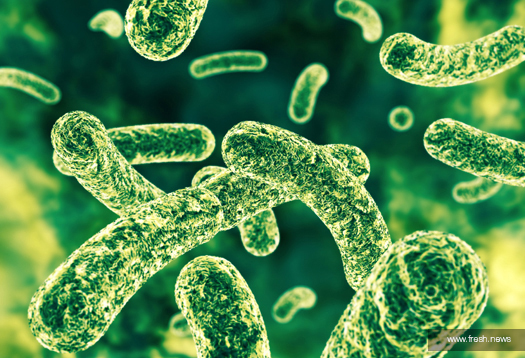
Bacteria is often thought of as an unhealthy and unwanted element in the body. But certain strains of bacteria are actually considered “good bacteria”, as they aid in proper digestion and overall health. Probiotics are live microbes that “help to process indigestible fibers and help 

Bacterial Infections Common for Contact Wearers

Bacterial Infections Common for Contact Wearers

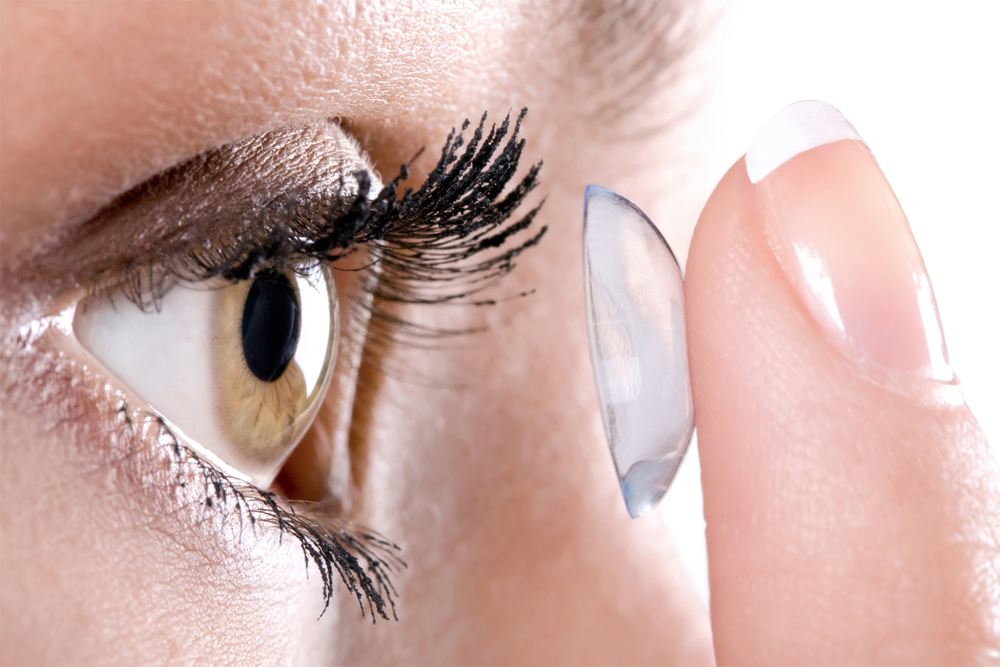
Contacts have become less of a rare commodity and more of a necessity for those with vision problems who do not want to be troubled with wearing glasses every day. But as common as contacts are, so are the bacterial infections they can harbor. Many 

New Link Between Intestinal Bacteria and Depression

New Link Between Intestinal Bacteria and Depression

Healthy gut microbiota and bacteria helps digest food, fight infection, and plays an important role in keeping the immune system healthy. It is influenced by genetics, but more so by diet, stress and other environmental factors. Numerous studies have investigated the claim that intestinal bacteria can affect behavior. However, a new study has made a discovery regarding the link between intestinal bacteria and depression.

The Study

Published in Nature Communications, the study explores the role of intestinal microbiota in the altered behavior brought on by early-life stress. Premysl Bercik, senior author of Nature Communications and associate professor of medicine at McMaster’s Michael G. DeGroote School of Medicine explains, “We have shown for the first time in an established mouse model of anxiety and depression that bacteria plays a crucial role in inducing this abnormal behavior. But it’s not only bacteria, it’s the altered bi-directional communication between the stressed hosts [in this case mice subjected to early-life stress] and its microbiota that leads to anxiety and depression, which is leading many to look to professionals on how they can reduce these conditions.”

First, researchers subjected the mice to early-life stress using maternal separation during an 18 day period. Newborn mice were separated from their mothers for three hours a day to induce stress, then rejoined them. Bercik and his team then confirmed that mice containing complex microbiota (that had been maternally separated) displayed “anxiety and depression-like behavior with abnormal levels of the stress hormone corticosterone.” The test was repeated in germ-free conditions and found there was an absence of bacteria in the mice that were maternally separated but showed no sign of anxiety or depression. Mice that has been separated in germ-free environments, were exposed to bacteria and within several weeks, tests shows the bacterial composition and metabolic activity had changed. The mice then started exhibiting symptoms of anxiety and depression.

Bercik says that with this new research, “We are starting to explain the complex mechanisms of interaction and dynamics between gut microbiota and its host. Our data shows that relatively minor changes in microbiota profiles or its metabolic activity induced by neonatal stress can have profound effects on host behavior in adulthood.” The next step, Bercik says, is conducting this experiment on humans.

This research suggests that keeping your intestinal bacteria healthy could help if you struggle with mental health problems like anxiety and depression. Of course, until it has been tested on humans, we cannot say for certain.

Healthy Intestinal Bacteria

Levels of probiotics tend to decrease with age and are lowered by other factors including poor diet and obesity. As the level of probiotics decrease, problematic bacteria in the gut generally thrive and increase. According to Archana Gogna, MS, CNS, MBA, healthy bacteria have been studied in numerous clinical trials and have been shown to –

  • Crowd out and limit the growth of putrefactive microorganisms that contribute to gaseousness or ill health.
  • Create an acidic environment out of the fibers in fruits and vegetables that limit the growth of infectious bacteria and also produce antimicrobial-like substances called bacteriocins that contribute to the control of bacteria like E-coli, and yeasts.
  • Help energize the enzymes that improve digestion and the absorption of nutrients. This may help lactose intolerance, as well as other digestive issues that can lead to bloating or constipation.
  • Produce certain B-vitamins and vitamin K. They have also shown to facilitate the absorption of minerals such as Calcium, Magnesium, Iron and Zinc.
  • Release acetate from the fibers in fruits and vegetables to help us feel full and create CLA out of vegetable fats that helps burn belly fat
  • Colonize the skin and mucous membranes and play an important role healthy microbial balance of the skin, vaginal region, breasts and urinary tract.
  • Support digestive comfort
  • Support daily bowel movements
  • Support total body immunity
  • Are appropriate to take year-long for many people

Source: http://www.sciencedaily.com/

InVite® Health Current Sale

Airplanes, Germs & Bacteria – Oh My!

Airplanes, Germs & Bacteria – Oh My!

Research carried out by the experts at Aquaint sanitizer earlier this month have uncovered some disgusting facts that may make you want to choose a destination you can drive to this vacation season. Many people report feeling sick after an airplane ride – from runny 

Should You Be Worried About the Plague?

Should You Be Worried About the Plague?

When you hear the term “the plague” it is common that you automatically think back to grade school when you learned about its history and how it wiped out about 60% of Europe’s population in the 14th century. Historians and researchers now know that the 

5 Things With More Bacteria Than Your Toilet

5 Things With More Bacteria Than Your Toilet

Your bathroom, kitchen and living room are probably the biggest areas that you target when cleaning your home. Of course, you make sure to scrub the toilet and wash the dishes. But what if you are not cleaning some of the dirtiest things around your home? Read on to find out about what carries the most bacteria.

Here are five things that you may use every day that carry more bacteria than your toilet –

Your Cell Phone

It is hard to imagine a person that doesn’t use their cell phones for the majority of the day. But how many times do you actually clean your cell phone? London researchers have found that there is a 16 percent chance your cell phone has fecal matter on it. They have also found that nine in ten cell phones carry some kind of disease-causing germ, like influenza or MRSA. You probably take your cell phone with you wherever you go – to your office, on the bus, on the train and even to the bathroom. A professor of microbiology at the University of Arizona, Charles Gerba, suggests for cell phone users to start wiping cell phones with disinfectant wipes at least once a week for a decreased chance of exposure to germs and bacteria.

Your “Clean” Laundry

According to Gerba, fecal matter can stay on your underwear, whether visible or not. When you throw your clothes into the laundry, you transfer about 500 million E. coli bacteria into the machine, according to Fox News. And, because water settles at the bottom of many front-washing machines, it becomes a breeding ground for germs. To make sure your clothes come out of the washing machine clean, it is a good idea to sanitize the machine by doing your whites first. The bleach you use when cleaning your white clothes kills much of the bacteria from previous loads. It may also be a great idea to wash all of your undergarments in one load and to use hot water. To clean your washing machine, run an empty cycle with bleach once a month to keep it free of bacteria.

Find out how to build up your immunity, the natural way by clicking here!

Your Toothbrush

Philip Tierno Jr., director of microbiology and immunology at NYU’s Langone Medical Center explains, “When you flush your toilet, it can spray aerosolized droplets over 20 feet. So if you leave your toothbrush out on the bathroom sink, it could be showered with tiny drops of whatever you just flushed.” ays of keeping the brush clean, as well as preventing the bacteria from getting onto it. Accorighter and that means you’re going to be heading outside if you haven’t already. You’ve probably cleaned your toilet more recently than you’ve cleaned your grill. However, your grill is what you put your food on, and your toilet… well, you know what you put on that. According to a 2013 British Study, the average grill has 1.7 million microbes of bactere,ia per square inch – more than twice as much bacteria as the average toilet. To rid your grill of all of that bacteria, scrub the grates with soap and a tough scrubbing pad, scrape out any charred bits from the bottom of the grill, clean out the gook in the burners, and be sure to clean the exterior of the grill too (Fox News).

Find out how to build up your immunity, the natural way by clicking here!

Your Kitchen Sponge

When you clean your dishes, the last thing you are probably thinking about cleaning is the sponge you are holding. Besides throwing out your old sponge when it stats falling apart, you most likely don’t think about your sponge too much. However, according to a Simmons College study, there is a one in three chance your kitchen sponge has staph – twice the contamination rate of your toilet. And, to add to that surprising study, another study done by the University of Arizona found that your kitchen sponge could be harboring 10 million bacteria per square inch – 200,000 times dirtier than your toilet. To kill germs, if you do not have a new un-used sponge on-hand, microwave your wet sponge for about a minute in the microwave. This will kill the bacteria it’s harboring with heat (Fox News).

Source: http://www.foxnews.com

After reading this article, what are some steps you will use to make sure your home is as clean as possible? Which of these five things around your home were the most surprising to read about?

INVITE ® HEALTH CURRENT SALE