Skin Irritants of Summer part 1

Skin Irritants of Summer part 1
Dr. Claire Arcidiacono, ND
As the warm weather of summer approaches everyone is running outside to plant their garden. However, your garden can have hidden irritants that can leave you feeling itchy later. These can include plants you may expect, for example poison ivy/oak/sumac. What you may not know is that certain ornamental bulbs can also cause skin irritations! There is much to cover so let us get into it, shall we?
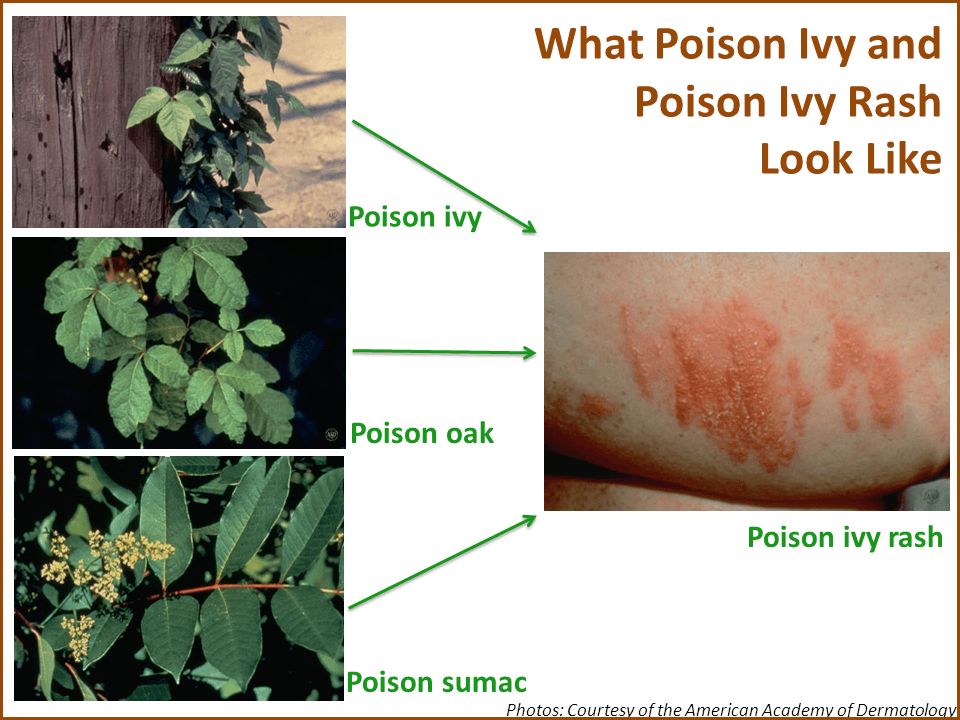
Let us start with the most common plant associated with rash. This is Poison Ivy. Poison Ivy release an oil called urushiol oil. This is what creates the reaction associated with Poison Ivy. Typically Poison Ivy triggers blistering, itchy patches on the skin. (1) This rash is typically red, blistered and very itchy. It normally takes anywhere from 12 hours to several days after being exposed to urushiol oil for the rash to appear. The more often you are exposed to urushiol oil the faster the rash will appear. I want to point out that contrary to gossip the rash from Poison Ivy is not contagious from person to person. However, if someone has urushiol on their clothing, skin, or pet fur (if they are a furry friend lol) and that gets on you then you will develop a rash. This also means that if you have urushiol on one part of your body or clothes and get it on your skin then that spot will also develop a rash. If you go to PoisonIvy.org you can see pictures of Poison Ivy at various stages of growth. Poison Ivy isn’t the only plant to produce urushiol. Poison Oak and Poison Sumac also produce this compound. They create a rash that looks like Poison Ivy since it is triggered by the same compound. (2)
Stinging Nettle is another common trigger for a skin rash. This plant has tiny little hair on both its leaves and stem. These little hairs are what irritates the skin and causes a rash. Typically, the little hairs on Stinging Nettles trigger hives, these present as raised red, itchy bumps. There is also usually a rash that is also red and itchy. Unlike Poison Ivy/Oak/ Sumac where there is a delay before the rash appears with stinging Nettles the rash appears rapidly after contact with the little hairs. (3)
Giant Hogweed has funny name! But no, it is not the name of a fluffy little pet. It is the name of a tall plant that produces sap that can lead to severe skin irritation. If the exposure to the sap is followed by sunlight it can lead to painful skin blisters. For some people, these blisters can scar. Other plants that can trigger a rash include Baby’s Breath, Leadwort and even Ragweed! (3)
This is all interesting, but all of these are well known to trigger a rash. Where it gets interesting is when we investigate your garden. Some of the very plants you are putting in your garden can trigger a rash. For example, tulip bulbs, hyacinth and daffodil bulbs can all trigger a rash. Rose hips can make for tasty tea but the plants that they are grown on can trigger a rash. Borage plants and comfrey can also trigger a rash. Some plants may produce tasty fruits and veggies BUT if you are sensitive these plants may trigger a rash. Common plants that people can be sensitive can include strawberries, tomatoes, hot peppers and even garlic! (4) Ornamental plants and common garden plants that can trigger a rash include chrysanthemums, marigolds, dahlias, poinsettias, buttercups, asparagus ferns, squash leaves, cucumber, citrus plants, and figs. (5)
But what do these rashes all look like? If you are at all squeamish, I would look away now. But if you are brave, you can take a look to see what these types of rashes typically look like.
Let us start with the most common, Poison Ivy, Oak and Sumac. (6)
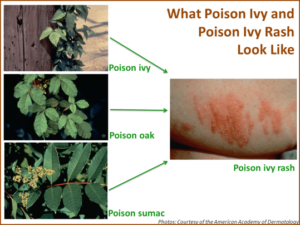
Next is Stinging Nettles. (7)
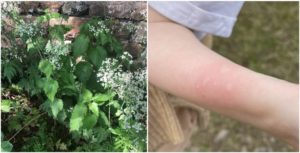
Giant Hogweed is next. (8)
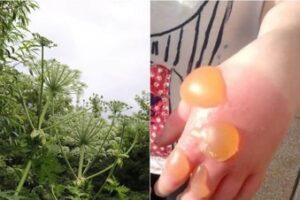
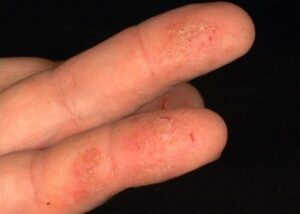
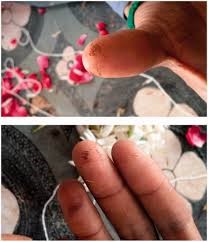
I won’t include all the common plants that can trigger a rash, but I will highlight Hyacinth and tulips. (9-10)
Hyacinth
Tulip
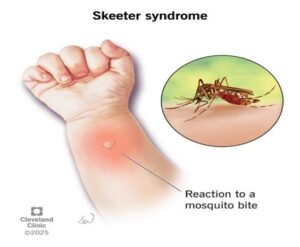
I wanted to include mosquito bites to help you be able to differentiate between a rash from a plant source and a mosquito bite. While most people experience a mild reaction to mosquito bite others can have a more severe rash because of the bite. I wanted to include a picture of a more severe bite so that it can be used to easily tell the difference between a more severe mosquito bite and the rashes caused by plants. (11)
This blog is full of interesting facts about different plants that can trigger a rash. But what can you do? In our next blog on this topic, we will be talking about how to use nutrients such as Green Tea, Vitamin C and even Turmeric to help reduce your histamine and itchy skin.
Sources:
- https://cceorangecounty.org/ag-environment/plant-induced-contact-dermatitis
- https://www.healthline.com/health/how-to-identify-poison-ivy
- https://www.verywellhealth.com/plants-that-cause-rashes-5215507
- https://tecnu.com/a/docs/photos/rash-causing-and-dangerous-plants
- https://www.google.com/search?q=common+garden+skin+irritants&ie=UTF-8&oe=UTF-8&hl=en-us&client=safari
- https://www.skincarephysicians.net/wp-content/uploads/2014/05/What-Poison-Ivy-and-Poison-Ivy-Rash-Look-Like1.png
- https://www.minifirstaid.co.uk/blog/how-to-treat-nettle-stings-in-babies-and-children
- https://www.yorkshireeveningpost.co.uk/news/uks-most-dangerous-plant-giant-hogweed-rife-in-leeds-as-shocking-map-shows-where-it-is-found-3256968
- https://laidbackgardener.blog/2020/10/02/do-you-have-hyacinth-fingers/
- https://www.tandfonline.com/doi/full/10.1080/15563650.2018.1440588
- https://my.clevelandclinic.org/health/diseases/23289-skeeter-syndrome