Author: Danielle Menke

New Study: Weight Loss Slows Degeneration of the Joint

New Study: Weight Loss Slows Degeneration of the Joint

You’ll hear Jerry Hickey, R.Ph regularly mention on his radio program that there are a few factors that positively benefit all health conditions – following an active lifestyle, losing weight, and eating the right foods. A new study, focusing on Osteoarthritis and joint degeneration, backs …

The Scientific Link Between Alcohol and Breast Cancer in African American Women

The Scientific Link Between Alcohol and Breast Cancer in African American Women

*Image: Huffington Post The scientific link between alcohol and breast cancer is strong, but most of the research backing it has been done in caucasian women, not diverse groups of women. Now, in a new analysis published in Cancer Epidemiology, Biomarkers & Prevention, scientists find …

The Importance of Understanding Your Blood Test Results

The Importance of Understanding Your Blood Test Results

Written By Amanda Williams, MPH

How often have you had an annual physical and are told by your healthcare provider that “everything looks good”? You leave their office feeling assured that everything is okay, health wise. But what does that “okay” mean exactly?

The question that I ask my customers who tell me they have had their blood tested is, do you really know what any of the results mean? If you are not sure what tests your provider is even ordering, then how are you to know that everything is “good”? It never surprises me when someone brings their blood results to me and states, “My doctor did a complete workup and tells me everything is normal”. And after one quick glimpse of the test, I find time and time again that the only tests that were ordered are a CBC (complete blood count), Metabolic Panel, Lipid Panel, and on occasion a TSH (thyroid stimulating hormone) test. These are the most basic tests that are ordered and do not provide you with the most important aspects of your overall health. So let us look at the tests that should be ordered to really give you a more comprehensive look into your health.

I believe it is essential to know what if any inflammation is occurring in the body. As many already know, all chronic diseases have an underlying component of inflammation. It is advisable to have the following tests run –

hs-CRP

High sensitivity C-Reactive Protein will let you know if there is any low level of inflammation in the body. This level is not cardiac specific but can indicate an increased cardiovascular risk when elevated.

Homocysteine

This is an assessment of blood vessel inflammation, which is a cardiovascular risk when elevated.

25-Hydroxy Vitamin D

This test is very important, as low levels of Vitamin D are strongly linked with reduced immune system function. Nearly every autoimmune and neurodegenerative disorder is associated with low Vitamin D levels. Knowing and understanding your blood levels allow you to have a better idea of how much Vitamin D3 to supplement with daily.

Fibrinogen

Fibrinogen is a test generally utilized to assess the “stickiness” or coagulation of the blood. It can also be an independent risk factor for coronary artery disease when it is elevated.

Cholesterol Particle Testing

This test looks at the size and the number of cholesterol particles. This is a more comprehensive way to assess your cholesterol than just looking at the total number. The size of the particles is a better indicator of your cardiovascular risk. The smaller the cholesterol particle, the greater the risk than if your cholesterol particles are larger. Size matters! Have your cholesterol particles tested.

CoQ10

This test will give you an accurate depiction of how much Coenzyme Q10 is in your system. This very important antioxidant is also the energy source for the cells throughout the body. We know that this level can be lowered through medications, such as statins for cholesterol and high blood pressure medications like beta blockers. Low levels of CoQ10 are commonly found in many health conditions such as Heart disease, Diabetes, Parkinson’s, Muscular Dystrophy, and cancers. Anyone taking a stain medication should request to have their level of CoQ10 checked.

Certain medications and prescription drugs can deplete important minerals in your body! Click here for more information!

Fasting Insulin

This test is a must for any pre-diabetic or diabetic. It is the best way to assess insulin resistance. Elevated fasting Insulin levels are a sign of inadequate pancreatic function.

DHEA

This very important adrenal hormone is responsible not only for making testosterone and estrogen, but it is also extremely important for immune function and our stress response. As we age, our DHEA levels begin to decline which can have a negative impact on muscle mass and immune defenses. It is critical to know what your DHEA level is, because low levels are associated with increased cardiovascular events, increased risk of infections, Sarcopenia (muscle loss), and shortened life span.

There are many more tests that would be important to assess for your overall health, but it is sometimes best to start with the basics and move on from there. It is your body and you should know what your blood test mean. Be proactive, not reactive about your health!

Questions about your blood test results? Leave them for Amanda Williams, MPH right here in the comments!

INVITE® HEALTH CURRENT SALE

New Study says Stevia May Help Control Blood Sugar Levels

New Study says Stevia May Help Control Blood Sugar Levels

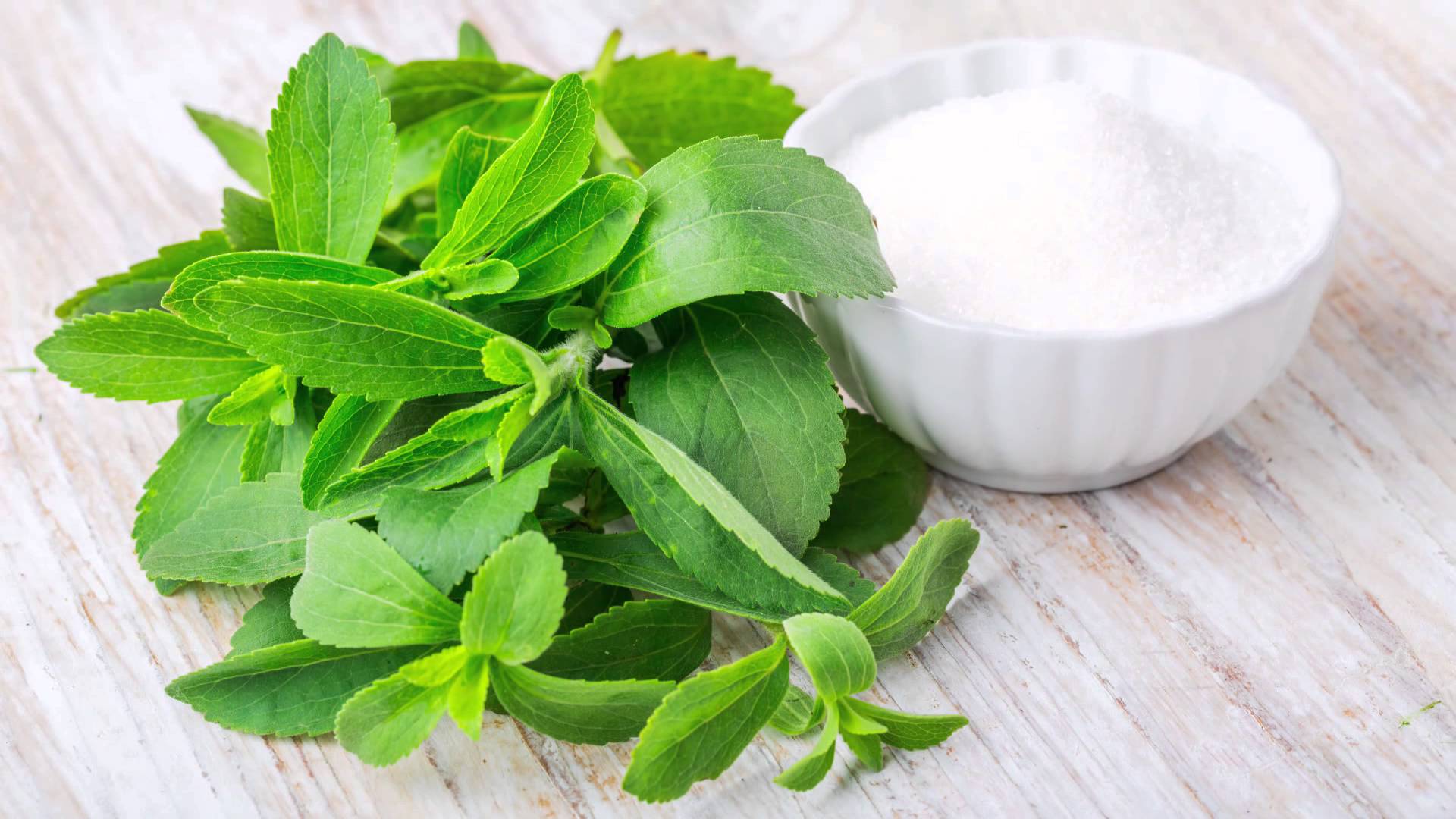
Stevia is a natural, no-calorie sweetener that many have chosen as a replacement to the harmful but commonly consumed white sugar. This alternative sweetener is particularly popular among individuals with diabetes, as their need to control their blood sugar intake and maintenance is much higher. …

Your Quality of Sleep Declines As You Get Older

Your Quality of Sleep Declines As You Get Older

A recent review of scientific literature published in the journal Neuron found that aging adults may be losing their ability to produce deep, restorative sleep. Medical News Today states that as the brain ages, neurons and circuits in the areas that regulate sleep slowly degrade, …

Cholesterol Levels: Why They’re More Important Than You Think

Cholesterol Levels: Why They’re More Important Than You Think

You’ve probably heard, “Watch your cholesterol levels!” more than you’d like. But, the fact is, your cholesterol level can determine a lot about your health and other factors you may be at high risk of developing.

What is Cholesterol?

Cholesterol is a fat-like substance found in all cells of the body. Your body needs it to make hormones, Vitamin D, and substances that help you digest foods. Your body makes all of the cholesterol that it needs, but because humans consume foods high in cholesterol like meat, poultry and dairy products, high levels can cause a lot of damage to the body.

The highest quality ingredients to support optimal cholesterol health – click here!

There are two types of cholesterol – LDL and HDL. LDL is the “bad” cholesterol that can cause a buildup in your arteries.  HDL cholesterol, “good” cholesterol, carries cholesterol from other parts of your body back to your liver, where it is removed from the body naturally.

When to Worry

Having high cholesterol levels, specifically LDL, means you have too much bad cholesterol in your blood. This can be determined by your doctor running a blood test and testing your levels. High LDL levels are dangerous, as it increases your risk of developing heart disease.

According to The Framingham Heart Study, the following ratios roughly signal different degrees of heart disease risk:

Men

  • 5.0 = average risk
  • 3.4 = half the average risk
  • 9.6 = twice the average risk

Women

  • 4.4 = average risk
  • 3.3 = half the average risk
  • 7.0 = twice the average risk

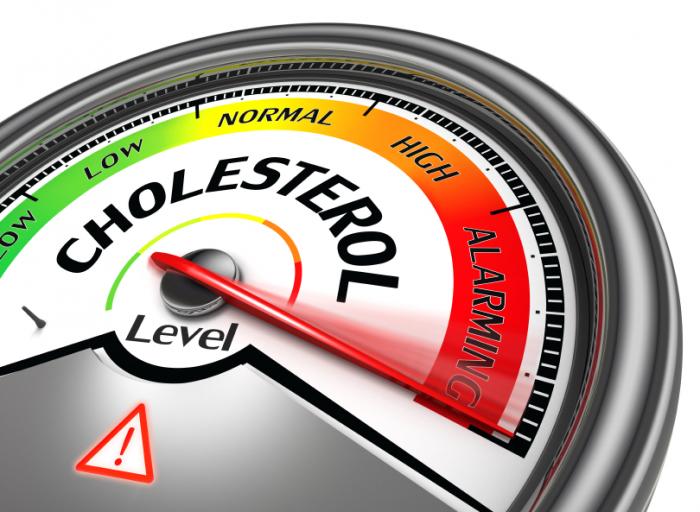
According to the National Center for Health Statistics, nearly 1 in every 2 American women has high or borderline high cholesterol. The center reports, 240 mg/dl and above is considered high, 200-239 mg/dl is borderline high, and less than 200 mg/dl is considered your desirable level.

What happens to your body when you have high levels?  

Heart disease is a condition where plaque builds up inside your arteries. When plaque – a combination of cholesterol, fat, calcium and other substances – builds up, that is called Atherosclerosis, which limits the flow of oxygen-rich blood to the heat. If the buildup of plaque becomes too large, it can cause a complete block of blood through the artery which commonly leads to a heart attack, as the blood to your heart muscle is reduced or blocked.

What can you do if you have high cholesterol?

The good news, according to Jerry Hickey, R.Ph is that your cholesterol levels are completely manageable. “A major strategy of health professionals in reducing the risk of cardiovascular related death and morbidity is to reduce LDL-cholesterol, and if need be increase beneficial HDL. It is crucially important here to emphasize a good and balanced diet as the first line of action against high cholesterol. A menu rich in fresh fruits and vegetables, including some whole grains, seeds, fresh nuts and beans, is a fantastic start. Salmon or some other fish two or three times a week is also a good choice. Restrict salt, and consume only small amounts of saturated fats while avoiding synthetic trans-fats altogether. Exercise, stress management, and rest are also required components in lowering blood cholesterol levels and the risk of stroke and heart attack. In recent years it has come to light that inflammation is an important contributor to cardiovascular disease. Inflammation causes immune system factors such as C-reactive protein (and many others) to spill into the blood stream. These factors greatly contribute to hardening of the arteries and all its related woes. In fact, C-reactive protein has been shown to cause blood vessel dysfunction and dramatically increase the risk of stroke and heart attack.

Nutrients for Healthy Cholesterol Levels

There are nutrients that, along with a healthy diet and exercise, that may contribute to healthy cardiovascular health. Here are important phytonutrients to include into your diet, according to Jerry Hickey, R.Ph –

Plant Phytosterol Esters are natural components of foods that safely compete with bad cholesterol for absorption. To a degree, the more Phytosterol Esters present in your digestive tract during a meal, the less cholesterol you will absorb. Phytosterol Esters have been studied in large and varied populations over the past 50 years and it is very well documented that Phytosterol Esters are very safe. They quickly lower total cholesterol and dangerous LDL-cholesterol and improve the ratio of LDL to HDL (a determinant of longevity in the elderly).

Policosanol is a component of sugar cane wax that safely aids a healthy cholesterol balance. Although it comes from sugar cane, Policosanol lacks sugar and is safe for use by diabetics and weight watchers. Policosanol reduces the production of cholesterol, while also increasing its rate of excretion.

Red Yeast Rice is an important nutrient that is formed by fermenting rice with red yeast, creating structures called monacolins. Monacolins have a profound impact on healthy cholesterol balance. Red yeast rice has been used in traditional Chinese medicine for promoting healthy circulation, as it helps decrease levels of LDL-cholesterol and total cholesterol, lowers triglyceride levels and impacts lipoprotein (a blood fat difficult to lower that may be more dangerous than LDL-cholesterol). Red yeast rice also decreases C-reactive proteins and other inflammatory components in the blood.

Resveratrol is an important nutrient, derived from red grape skins. Rather than directly lowering cholesterol levels, Resveratrol stimulates greater release of PON-1 by our liver. Pon-1 is an important component of HDL, and it gives HDL its ability to stabilize LDL- cholesterol. This prevents LDL rancidity helping to prevent cardiovascular disease. Resveratrol also has the ability to directly protect the heart muscle and relax blood vessel walls – improving blood flow and helping to prevent increases of blood pressure. Resveratrol also directly protects the blood vessel walls from damage and decreases inflammation on blood vessel walls. It may also modestly improve blood viscosity.

Source: https://goo.gl/6seVUQ

Do you have questions about your Cholesterol levels? Leave a comment for Jerry Hickey, R.Ph for some advice!

INVITE® HEALTH CURRENT SALE