Author: Danielle Menke

3 Lifestyle Changes that May Stave off Dementia

3 Lifestyle Changes that May Stave off Dementia

The National Academies of Sciences, Engineering, and Medicine released a report in June 2017 that says there is evidence that three interventions may slow cognitive decline and the onset of dementia, though much more testing is needed. What is Dementia? According to the Alzheimer’s Association, …

Gut Health Impacts Sleep, Calling for Pre- and Probiotics

Gut Health Impacts Sleep, Calling for Pre- and Probiotics

The interaction between the gastrointestinal tract and the nervous system is called the Gut Brain Axis. And it’s gaining a lot of attention from both scientists and consumers. Though the number of clinical trials that explore this link is limited, recent reviews of this interaction …

Eating Meals Late at Night Causes Weight Gain and Impairs Fat Metabolism

Eating Meals Late at Night Causes Weight Gain and Impairs Fat Metabolism

If you’ve ever been on a diet, one common tip is to not eat heavy meals at night, usually past 9pm. The reason being that the probability of high activity level after that time, enough to burn the fat from that meal, is very slim. But findings presented at SLEEP 2017, the 31st Annual Meeting of the Associated Professional Sleep Societies LLC, report that eating late at night could be more dangerous than you think.

Healthy Digestion

In order to understand how eating a meal late at night can negatively impact your body, you must understand how healthy digestion takes place. First, of course, as you eat your meal, your teeth are breaking up the food and enzymes are breaking down the sugars. Once the food makes it way to the stomach, stomach acids and enzymes break it down into proteins. Next, it travels to the small intestines, where enzymes are further breaking down the food particles into proteins, fats and sugars. Once the nutrients from the food particles are absorbed into the small intestines, they pass through the blood stream and are carried to the liver to be processed.

Clinical studies from leading research institutions point to the benefits of targeted nutrition for gastrointestinal health.

Digestion of Harmful Foods

When you are eating harmful foods like junk food, the digestion process is slower. Fast foods do not have the healthy enzymes needed to breakdown the foods properly. An unbalanced diet leads to a high amount of carbohydrates, sugars, salt, and fats at a low nutritional value. The foods are processed and refined but lost most of their key nutrients, do not contain enough nutrients, or contain poor water content (needed to break down the food).

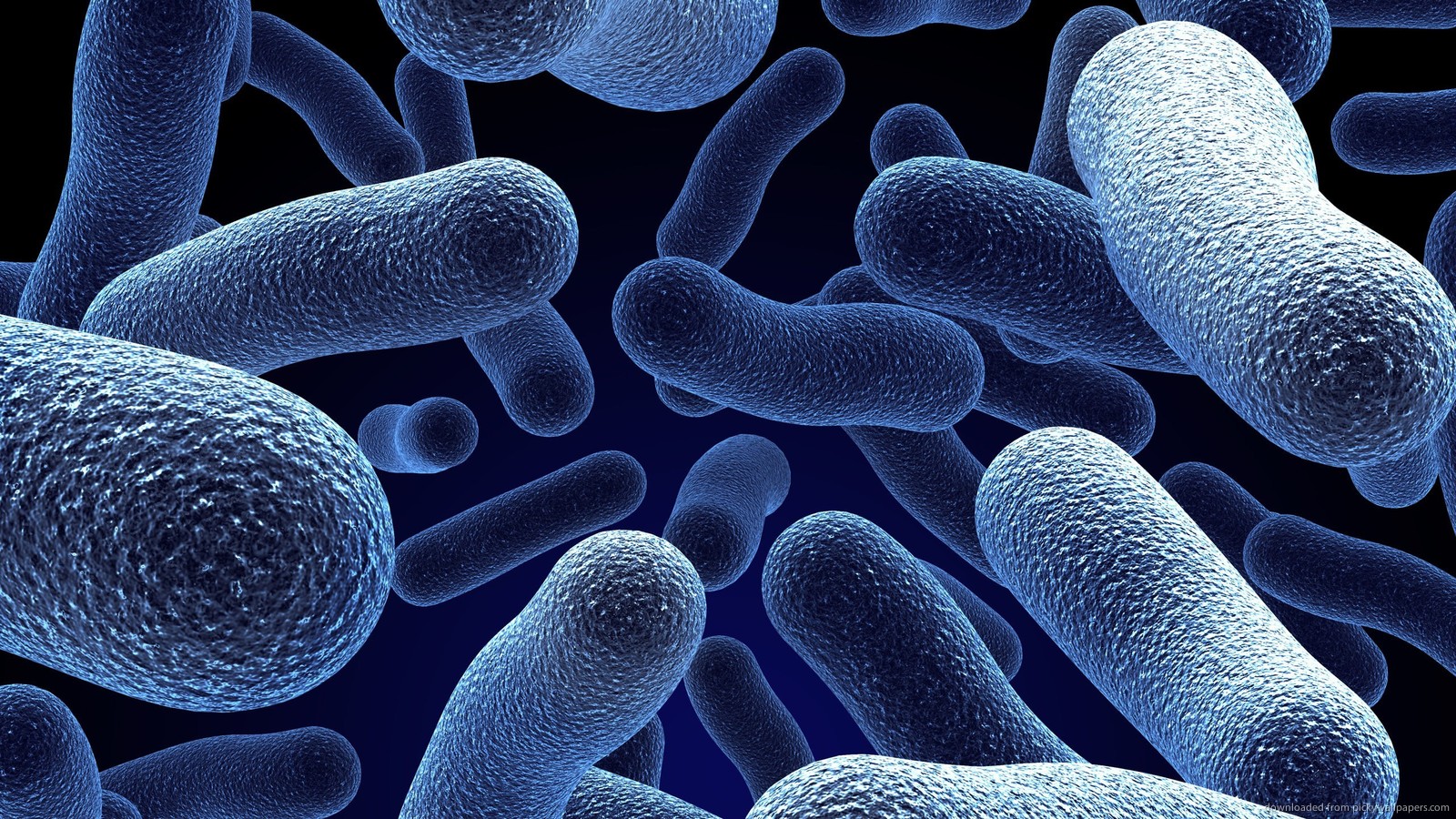
For good digestive health you need to maintain healthy probiotic bacteria, or “good” bacteria levels.

The Study

New findings of a small study performed by researchers at the University Of Pennsylvania School Of Medicine report that, compared to eating earlier in the day, prolonged delayed eating can increase weight, insulin and cholesterol levels, and negatively affect fat metabolism, and hormonal markers implicated in heart disease, diabetes and other health problems.

In the study, nine healthy weight adults underwent two conditions, one of daytime eating – three meals and two snacks between 8am and 7pm – for eight weeks. The other, delayed eating – three meals and two snacks eating from noon to 11pm – for eight weeks. There was a two-week washout period between conditions to make sure there was no carry over effect. The sleep period was held constant, between 11pm and 9am. Metabolic measures and blood was drawn throughout the study to allow the team to note changes in weight, metabolism and energy used.

The correct foods and weight management supplements can make a major difference in supporting your weight management needs.

Findings

The participants who ate later, compared to the daytime condition, weight increased. Respiratory quotient (the ratio of carbon dioxide products by the body to oxygen consumed by the body) rose as well, indicating that eating later led to metabolizing fewer lipids and carbs. The hormone ghrelin that stimulates appetite was found to peak earlier in the daytime in those who followed daytime eating conditions. Researchers say this suggests that eating earlier may help prevent overeating in the evening and at night.

Questions about healthy eating, weight loss, or metabolism? Leave Jerry Hickey, R.Ph a comment below and join the conversation!

INVITE® HEALTH CURRENT SALE

Study: Almost Half of African-American Woman have Experienced Hair Loss

Study: Almost Half of African-American Woman have Experienced Hair Loss

Most individuals shed 50 to 100 hairs per day. This isn’t a concern though, as new hair grows at the same rate. But when your hair does not grow in at the same rate it is falling out, visible hair loss occurs. There could be …

New Study says Turmeric (Curcumin) May Help Manage Diabetes

New Study says Turmeric (Curcumin) May Help Manage Diabetes

Turmeric, Curcuma longa, is a powerful herb that is native to India. It is a bright yellow/orange spice that is commonly found in foods like curry. The health world is buzzing about this herb due to its high levels of curcuminoids, or curcumin. Curcumin is …

Men, Could Your Graying Hair Be A Sign of Increased Cardiovascular Risk?

Men, Could Your Graying Hair Be A Sign of Increased Cardiovascular Risk?

There are many factors that may cause graying hair, including genetics, low levels of catalase in the body, and high levels of stress. But the main factor that causes your hair to change from its dark, vibrant tresses to a light gray is due to melanin. Every hair follicle contains pigment cells called melanocytes. When you first start to notice your hair graying, melanocytes are still present but are less active. As the graying process progresses, the melanocytes die off until there are no cells left to produce your vibrant, natural hair color.

Recently, a cardiologist at Cairo University in Egypt, Dr. Irini Samuel, reported in a new study that gray hair has been linked with an increased risk of heart disease in men.

What is Atherosclerosis?

Atherosclerosis is the hardening and narrowing of the arteries that silently and slowly blocks the arteries from healthy blood flow. It is the common cause of heart attack, stroke and peripheral vascular disease – what together are called cardiovascular disease. Researchers from Cairo University have reported that Atherosclerosis and graying hair share similar mechanisms, such as impaired DNA repair, oxidative stress, inflammation and hormonal changes.

Fortify your hair naturally with therapeutic ingredients, leaving your hair healthier and looking and feeling more vibrant and soft.

The Study on Cardiovascular Disease and Graying Hair

This study was a prospective and observational study, which included 545 adult men that underwent a coronary angiography, a non-invasive diagnostic test that detects Atherosclerosis in the coronary artery. Patients were divided into subgroups according to the presence or absence of coronary artery disease and the amount of gray/white hair, using a hair whitening score – 1 = pure black hair, 2 = black more than white, 3 = black equals white, 4 = white more than black, and 5 = pure white.

Results of The Study

Researchers found that a high hair whitening score of grade 3 or more was associated with increased risk of coronary artery disease. Patients with coronary artery disease had a statistically significant higher hair whitening score and higher coronary artery calcification than those without coronary artery disease.

Heart health vitamins to assist in improving your overall cardiovascular health

Though Dr. Samuel says further research is needed in coordination with dermatologists and larger studies involving both men and women, “If you findings are confirmed, standardization of the scoring system for evaluation of hair graying could be used as a predictor for coronary artery disease.”

The Importance of Catalase in the Body by Jerry Hickey, R.Ph

Catalase is a conditionally essential nutrient and a highly-active primary antioxidant. It is a catalytic enzyme that occurs naturally in the body and is found in all cells, helping to protect the body from the damaging free radical hydrogen peroxide. Hydrogen peroxide is a byproduct of energy utilization found in every cell in the body. Catalase’s function is to break down hydrogen peroxide. But when the body does not have enough Catalase, excessive levels of hydrogen peroxide can result in bleaching, seen in the hair.

Questions for Jerry Hickey, R.Ph about Heart Health and graying hair? Leave them in the comments!

INVITE® HEALTH CURRENT SALE