Author: Danielle Menke

Bacterial Infections Common for Contact Wearers

Bacterial Infections Common for Contact Wearers

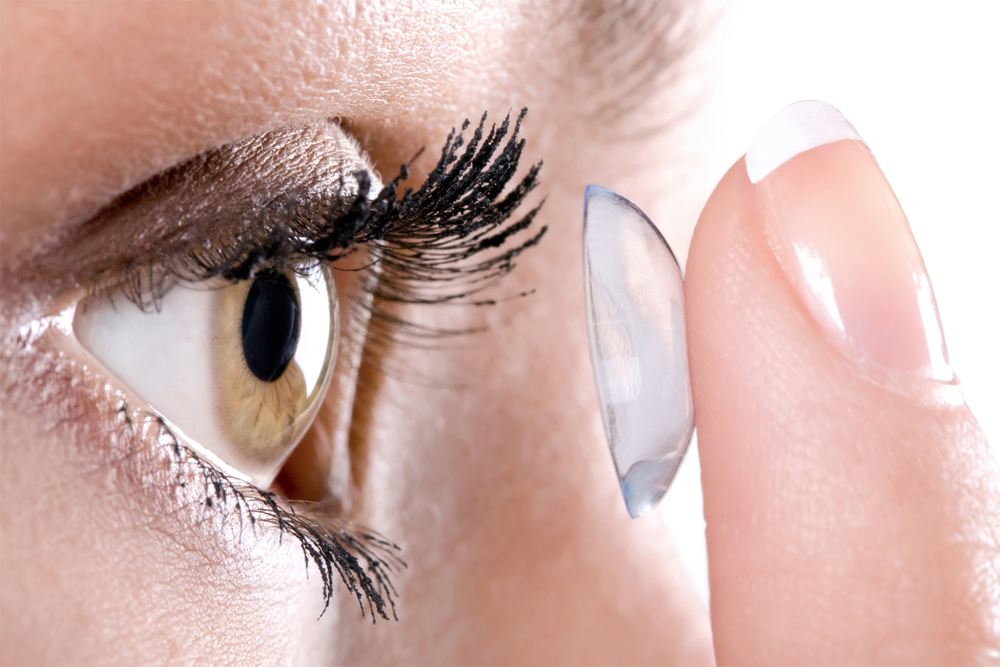
Contacts have become less of a rare commodity and more of a necessity for those with vision problems who do not want to be troubled with wearing glasses every day. But as common as contacts are, so are the bacterial infections they can harbor. Many …

7 Misconceptions about the Brain

7 Misconceptions about the Brain

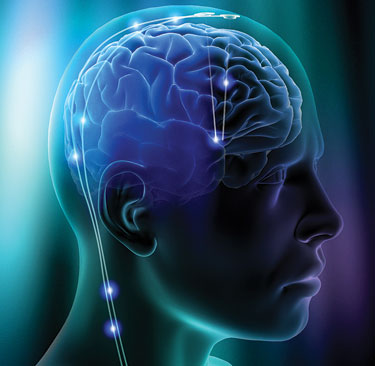
The brain is commonly referred to as the “command center” of your body, as it serves numerous purposes that are essential to its function. But it can be very difficult to fully understand. Its complexity has helped to create several myths that are commonly believed …

What You Need To Know About Attention Deficit Hyperactivity Disorder (ADHD)

What You Need To Know About Attention Deficit Hyperactivity Disorder (ADHD)

The number of children diagnosed with ADHD, or attention deficit hyperactivity disorder, continues to increase. According to the CDC, in 2003, the rate of children with ADHD was 7.8%. Just eight years later, in 2011, the rate had increased to 11%.

Though the disorder is often shown and diagnosed in children between the ages of 3 and 6, the National Institute of Mental Health reports that this disorder is not just a childhood disease. In fact, ADHD could continue through teenage years and adulthood. But what exactly is ADHD and how is it diagnosed?

There are three types of ADHD, according to the FDA:

  1. Inattentive ADHD: Trouble focusing, following instructions and finishing tasks.
  2. Hyperactive-impulsive: constantly on-the-go, talking excessively and interrupting others.
  3. Combined ADHD: Symptoms of both inattention and hyperactivity-impulsivity.

Child psychiatrist at the Federal Drug Administration (FDA), Tiffany R. Farchione, M.D., reviews drugs that are used to treat ADHD and explains, “The increase can be due to a greater public awareness of the disorder and psychiatric illnesses in general.” For more information on drug-induced nutrient depletions, click here! According to studies performed by the FDA, boys are more likely than girls to be diagnosed with ADHD by 7.6% because boys are more likely to be the hyperactive-impulsive type.

If your child is diagnosed with Attention Deficit Hyperactivity Disorder, don’t panic. The FDA has approved two types of medications – stimulants and non-stimulants. Both medications help to reduce the symptoms of ADHD and may help improve function in children as young as 6 years old. Farchione explains, “It may seem counterintuitive but despite their name, stimulants, which contain various forms of methylphenidate and amphetamine, actually have a calming effect on hyperactive children with ADHD. They are believed to increase brain levels of dopamine – a neurotransmitter associated with motivation, attention and movement.”

Also approved by the FDA are three non-stimulants – Strattera, Intuniv, and Kapvay. These non-stimulants can be a useful alternative for children who may not tolerate stimulants well. The best way to figure out which medication is the best fit for your child is by speaking with a healthcare professional.

There are other ways to treat Attention Deficit Hyperactivity Disorder than with medication. Behavioral therapy is also used to manage symptoms and provide coping skills. If ADHD is left untreated, the American Academy of Child and Adolescent Psychiatry reports that there could be some serious consequences – the child may fall behind academically, encounter difficulties in friendships and have conflicts with loved ones.

But ADHA is not just a child’s disorder – some studies suggest that about 4% of adults have ADHD (FDA). Though the symptoms are commonly similar, they can manifest differently in an adult than a child. The FDA reports that adults with Attention Deficit Hyperactivity Disorder, may have “poor time management skills and trouble with multi-tasking, become restless with downtime and avoid activities that require sustained concentration.”

The University of Maryland Medical Center reports that surveys show parents are using alternative methods, rather than prescription or drug methods to offer support for the symptoms of ADHD. The report mentions dietary changes that may positively impact your child’s ADHD, including concentrating on eating foods that are high in protein and carbohydrates and eliminating sugar. Other methods include vitamins and minerals – Magnesium, Vitamin B6, Zinc, Essential Fatty Acids (Omega-3s), and L-Carnitine. Herbs mentioned in the report include Gingko (Gingko Biloba), Passion Flower and Lemon Balm. For more information on these alternative treatment methods, view The University of Maryland Medical Center’s report by clicking here.

Visit your family’s doctor or pediatrician if you believe you or your child could have Attention Deficit Hyperactivity Disorder. Farchione says, you or your child’s “vision, hearing and anything else that may contribute to inattention should also be checked.”
Can Different Skin Tones Pose an Increased Risk of Skin Cancer?

Can Different Skin Tones Pose an Increased Risk of Skin Cancer?

As one of the most common cancers in the United States, skin cancer can be caused by many different factors. While anyone concerned about their risk of skin cancer should consult a dermatologist, there are certain factors that can somebody more likely to develop cancer. …

The Top Ten Health Benefits of Coconut Oil

The Top Ten Health Benefits of Coconut Oil

Coconut oil is an amazing superfood that has a long list of benefits. It is one of the richest sources of saturated fats out there and is very rich is Lauric Acid. But what exactly can coconut oil help you with? According to Walter C. …

Video: How the Voices in the Heads of the Mentally Ill May Sound

Video: How the Voices in the Heads of the Mentally Ill May Sound

The “voices” in the heads of the mentally ill have been depicted in countless movies and TV shows. As a common symptom of a severe mental illness, such as schizophrenia, the experience of hearing voices can be difficult to both explain and understand. For many that suffer from mental illness, auditory hallucinations are very real and not as common an occurrence as most think. Other than schizophrenia, people who suffer from disorders like bipolar disorder, manic depression and psychotic experiences report hearing the voices, as well.

For those who do not suffer from hearing voices, Jarrad Wale, a mental health worker, created a video which he posted to his Youtube channel, that portrays what, he says, the voices may sound like. “This is designed to provide the listener with some understanding of what it might be like to experience auditory hallucinations. Content in this presentation is based on things our clients tell us they hear through my experience as a mental health outreach worker,” Wale explains on his Youtube account.

The Video – Auditory Hallucinations: An Auto Representation

Watch and listen to the video here:

Warning: Some of the voices can get very dark and graphic. You will hear whispers, laughing, heavy breathing and name calling. There is some profanity in this video.

Though this video clearly depicts more than one voice hallucination at a time, it does give you a very clear idea of what people with mental illnesses may be suffering from when they hear auditory hallucinations.

Tips for Mentally Ill Individuals Hearing Voices

If you or someone you know reports hearing voices in their head, here are some tips, according to the Mental Health Foundation:

  • Connect with other voice hearers and share your experiences.
  • Talk to someone you trust about the voices to recognize patterns such as the games or tricks they may play. This may help you better understand and prepare for future onset of voices.
  • Seek explanations to account for the voices to understand where the voices come from and why, and what triggers them can be a helpful coping strategy.
  • Develop your own point of view and take responsibility for yourself to accept the voices.
  • Understand that the voices may express what you are feeling or thinking deep inside.

Source: http://www.mentalhealth.org.uk

Click here to read recent mental health studies!

How do you feel about mental illness after watching and listening to the video? Does this change what you initially thought of auditory hallucinations?

InVite® Health Current Sale