Recent Posts

Wellness Workshops with Vascular Expert Dr. Nackman, MD – Palisades Center

Wellness Workshops with Vascular Expert Dr. Nackman, MD – Palisades Center

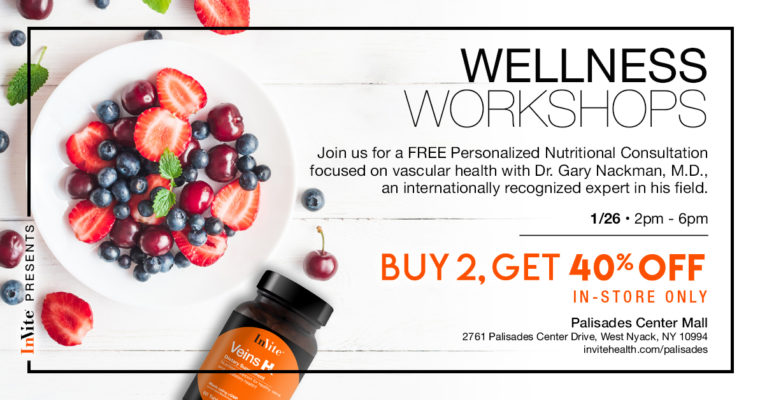
Join us for a Free Nutritional Consultation with vascular health expert Dr. Gary Nackman, MD. at the Palisades Center Mall, located on Level 2 near Lord & Taylor and Macy’s. Take advantage of our exclusive in-store offer – Buy 2, Get 40% off retail! Meet 

How To Be Sure Your Probiotic Is Getting To Your Gut

How To Be Sure Your Probiotic Is Getting To Your Gut

Photo by Christopher Campbell on Unsplash Are you spending time browsing the vitamin aisle, trying to figure out which Probiotic will work best for your personal health and wellness needs? There are dozens of choices, and while all of them promise to support healthy digestion, 

5 Foods That Can Activate Your Immune System

5 Foods That Can Activate Your Immune System

Photo by Brooke Lark on Unsplash

As the temperature gets colder, your immune system is in over drive. It is important to know what you can do to keep your immune system balanced and healthy in order to avoid getting sick. Here are eight foods that, when added to a balanced diet, can support your immune system. Drinking plenty of water and getting enough sleep throughout the winter months specifically, only further benefit your bodies ability to protect itself.

Citrus Fruits

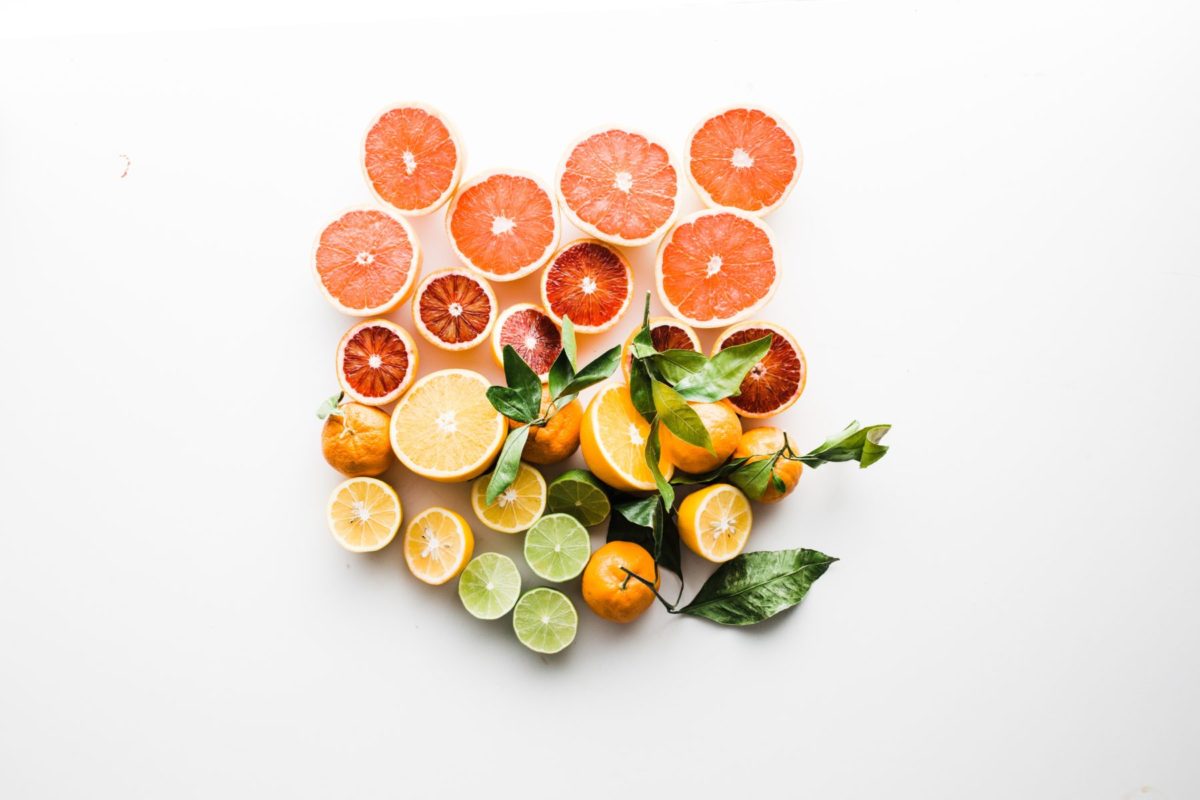
Many people turn to vitamin C to to help build up the immune system, as this vitamin in particular is thought to increase the production of white blood cells. Popular citrus fruits include grapefruit, oranges, tangerines and lemons.

For those having trouble consuming vitamin C in their diet, a Vitamin C supplement can provide superior antioxidant protection. Orange-colored fruits and vegetables can provide support for your cells, metabolism and energy. Check out Dr. Pressman’s Oranges Hx®, complete with a fruit and vegetable blend, to round out the benefits of your diet.

Red Bell Peppers

Did you know that red bell peppers contain twice as much vitamin C than citrus fruits? They are also a rich source of beta carotene, the red-orange pigment found in plants and fruits that is converted in Vitamin A in the body. Beta carotene is both an antioxidant and a carotenoid, which means that it can protect the body from free radicals (boosting immunity) and keeps your eyes and skin healthy.

To get your beta-carotene boost, turn to superior Multivitamins that have been formulated to boost your energy and provide your body with essential vitamins and minerals. A superior, non-GMO Daily Multivitamin supplies beta carotene (vitamin A) to promote healthy immunity, energy and overall wellness.

What are the 6 must-have supplements you need this season? Find out by clicking here! >>

Broccoli and Spinach

Talk about superfoods! Broccoli has tons of important vitamin and minerals, including vitamins A, C and E, as well as many other antioxidants and fiber. Spinach is not only rich in Vitamin C, but it is packed with numerous antioxidants and beta carotene.

Having trouble getting the recommended 3 cups of vegetable serving, based on USDA MyPlate recommendations? Smart-Serve Vegetable Blend offers 14 organic kale leaves, 4 organic spinach leaves and 1 organic broccoli floret in order to help you improve your daily number of servings of green, leafy vegetables.

Yogurt

You’ll want to find an organic-sourced yogurt that has “live and active cultures” printed on the label. This is because yogurt contains probiotics, the good bacteria that lives in your gut and plays a major role in stimulating your immune system to help it fight off colds, viruses and infections. Watch out for the sugar in certain brands of yogurt!

Probiotics are one of the most used supplements on the market today. But a superior source will contain non-GMO bacterial strains, be a vegetarian formula (free of milk, soy and wheat) and contain at least five species of CFU’s, meaning the strains of healthy bacteria can survive your stomach acids and make it into your gut.

What are some of your favorite immune-boosting foods? Leave us a comment below to join the conversation!

INVITE® HEALTH CURRENT SALE

Introducing the InVite® Master Class: Weight Loss & Gut Health (Brandon, FL)

Introducing the InVite® Master Class: Weight Loss & Gut Health (Brandon, FL)

Introducing the InVite® Master Class The InVite® Health Master Class is designed to give you the information necessary to make the best decisions for your health. Our goal is to dissect the extensive research and deliver it in a way that allows you to know 

Wellness Workshops with Jerry Hickey, Ph. at the Palisades Center in NY

Wellness Workshops with Jerry Hickey, Ph. at the Palisades Center in NY

Join us for a Free Nutritional Consultation with Jerry Hickey, Ph. at the Palisades Center Mall, located on Level 2 near Lord & Taylor and Macy’s. Take advantage of our exclusive in-store offer – Buy 2, Get 40% off retail! InVite® Health recognizes that the 

This is What Happens to Your Gut When You’re Stressed Out

This is What Happens to Your Gut When You’re Stressed Out

You may not have realized it, but your level of stress has a direct relationship with your gut. Have you ever felt extremely nervous before giving a major presentation? Or have you been so anxious because of a big test coming up that you’ve completely lost your appetite? Congratulations! You have officially felt the impact that stress can have on your body, specifically on your gut. Here’s why it’s important to understand that relationship and what it means for your overall wellness.

The Connection.

Your brain and gut are connected through your vagus nerve, or the nerve that helps tell the heart, digestive tract and lungs what to do. When your stressed, this nerve triggers an inflammatory response in your body, which prevents it from sending information.

According to Harvard Medical Schools online journal Healthbeat, “Watch our for these common symptoms of stress and discuss them with your doctor. Together, you can come up with strategies to help you deal with the stressors in your life, and also ease your digestive discomforts.”

Physical Symptoms Behavior Symptoms Emotional Symptoms
Stiff or tense muscles, especially in the neck and shoulders Procrastination Crying
Headaches Grinding Teeth Overwhelming sense of tension or pressure
Sleep problems Difficulty completing work assignments Trouble relaxing
Shakiness or temors Changes in the amount of alcohol or food you consume Nervousness
Recent loss of interest in sex Taking up smoking, or smoking more than usual Quick temper
Weight Loss or Gain Increased desire to be with or withdrwaw from others Depression
Restlessness Rumination (frequent talking or brooding about stressful situations) Poor Concentration
Troubling remembering things
Loss of sense of humor
Indecisiveness
Source: https://www.health.harvard.edu/diseases-and-conditions/the-gut-brain-connection

These gastrointestinal-induced complications can cause nausea, inflammation, constipation, and other digestive discomforts.

What you can do to manage it

What do you do when you are in a vicious cycle of stress impacting your gut? There are five things you can do to get your stress level (and overall wellness) back on track.

Step 1: Remove the Stressors.

You cannot heal your gut without removing the stressors that it is reacting to first. Start with a to do list to prioritize the tasks you need to complete. Ask a friend or co-worker for help on a major project you are working on. Or simply, practice some stress relief through breathing or exercise.

Step 2. Supplement your diet.

There are certain products that have been show in clinical studies to both protect and support a healthy gut. You will need to replace the digestive enzymes you are lacking with Probiotics and a Multivitamin. A high-quality multivitamin, complete with Vitamin C, biotin, Magnesium, an organic blend of greens (organic broccoli, kale, spinach and more!) and probiotics, can provide you with numerous health benefits, for your gut, skin and everything in between.

Read more about the benefits of Probiotics & Greens in your Multivitamin Here >>

Step 3. Review your diet.

You may want to rid your diet of processed foods and sugars to rebalance your gut through your diet. Turning to anti-inflammatory foods like fiber-rich whole foods that contain lots of vitamins and minerals can help. Think: broccoli, beans, nuts, berries, and apples.

Questions about how stress can impact your gut health? Leave a comment for one of our certified nutritionists below!

INVITE® HEALTH CURRENT SALE