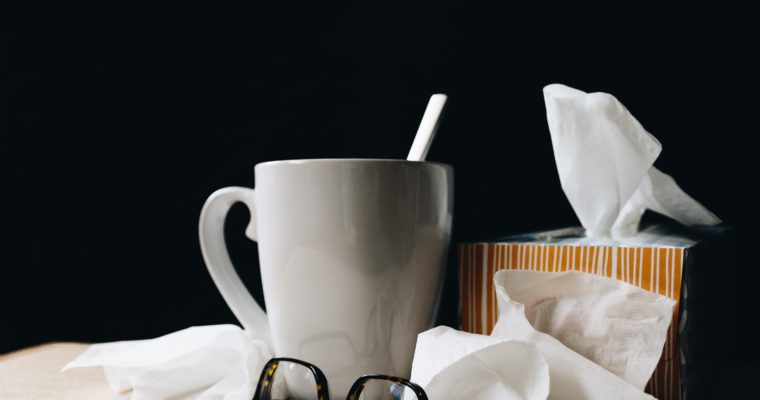
Photo by Toa Heftiba on Unsplash
Written by Allison Menor, BS
Emotional eating is a problem that has plagued our country for decades as a result of unhealthy cultural behaviors. The use of unhealthy foods for positive reinforcement has caused millions of Americans to associate food with feeling. So, while unhealthy food choices taste delicious and seem to ease your stress and fatigue, you’re really just postponing the inevitable – a crash in energy and weight gain.
A Good Night’s Sleep
Let’s face it – with our busy schedules, it’s hard to get a good night’s sleep. When we are finally able to rest throughout the night, we feel refreshed, energized and ready to take on the day. But when we can’t get the sleep we so desperately need, not only is our energy impacted, but our body’s, as well. Adequate sleep is necessary to restore us physically, mentally and emotionally. It is essential to our overall health. When we follow unhealthy sleep patterns, our bodies are not able to perform to their best abilities.
Numerous studies show that getting more sleep is directly correlated with a healthy weight. On the other hand, that means that getting less sleep can be directly attributed to weight gain. One study, reported by the National American Association for the Study of Obesity, showed that people who got less than four hours of sleep each night were 73% more likely to suffer from obesity, than those who get the standard eight hours of rest. Obesity risk was 50% higher in people getting about five hours of sleep on average, and 23% higher for those hitting the hay for only six hours a night. The findings confirmed that the hormones that affect appetites are thrown off by lack of sleep. “Leptin, a blood protein that curbs your appetite decreases and Ghrelin, which makes you want to eat, increases when your body is deprived of sleep”, explains Jerry Hickey, R.Ph., Scientific Director and Pharmacist of InVite® Health.
Leave the Stress Behind
There are lots of ways someone may choose to destress. It all depends on the individual. However, when it comes to getting rid of stress we commonly choose foods that we find comforting; these are often high in fat and calories and lacking in nutrients. Think about it – do you find yourself eating a bag of chips on the couch while binge-watching your favorite show after work or school? Or maybe you’re a parent who’s stealing some cookies as you pack your kids lunch for the day. You’re not alone! The stressors we face everyday impact more than our sleep and diet, it greatly impacts our weight.
When we are chronically stressed by life, work and all that is in between, our bodies are prone to visceral fat, or fat located around the abdominal region. This specific kind of fat is related to greater risks of heart disease and diabetes. Stress can pose serious health risks, so it’s important that stressors are reduced where possible. If people don’t do something about their stress, it can get even worse, causing future health risks. According to a study performed by Yale University, women who aren’t overweight but are stressed and have high levels of cortisol (the stress hormone), are more likely to have excess abdominal fat. Elissa Epel, Ph.D and lead investigator of the study also reports, “We also found that women with greater abdominal fat had more negative moods and higher levels of life stress. Greater exposure to life stress or psychological vulnerability to stress may explain their enhanced cortisol reactivity. In turn, their cortisol exposure may have led them to accumulate great abdominal fat.”
Natural Sleep and Stress Remedies
The good news is that there are a variety of nutritional supplements that have been shown to tackle the sleep, stress and weight gain link.
5-HTP, 5-hydroxytrptamine
Serotonin is a neurotransmitter, a messenger in our brain. Our bodies make serotonin from an amino acid known as L-Tryptophan, which is transformed into a metabolite called 5-HTP (5-hydroxytrptophan). With the help of Vitamin B6, it is converted into 5-HTP (5-hydroxytrptamine), also known as Serotonin.†
“The Most Effective and Natural Cures on Earth,” written by Jonny Bowden Ph.D., C.N.S., predominantly suggests 5-HTP for depression. However, he also discusses the product as a weight-loss protocol as well, specifically because it may greatly reduce carbohydrate cravings. When we alter levels of serotonin in the brain, it is possible that we will become much more likely to inhibit our own eating behaviors.†
In a small double-blind, placebo-controlled study of obese females, those who were give 8mg per kg of body weight of 5-HTP for five weeks achieved a significant weight loss of about 5%. Those findings were confirmed by a second study conducted over a longer period of time.†
L-Theanine
L-Theanine is a non-essential amino acid that is derived from tea leaves and mushrooms. It is most commonly known to assist in mental relaxation and reduction of anxiety. “Research on human volunteers has demonstrated that L-Theanine creates a sense of relaxation in approximately 30-40 minutes after ingestion via at least two different mechanisms. First, this amino acid directly stimulates the production of alpha brain waves, creating a state of deep relaxation coupled with mental alertness similar to what is achieved through meditation. Second, L-Theanine is involved in the formation of the inhibitory neurotransmitter, gamma amino butyric acid (GABA). GABA influences the levels of two other neurotransmitters, dopamine and serotonin, producing the key relaxation effect.”2
This relaxation effect is perfect for individuals that often have a hard time falling asleep. Studies have shown that a lack of sleep is directly related to weight-gain over time. When our bodies have not acquired an adequate amount of sleep, our energy levels are lowered, and we are more likely to choose foods that have a higher amount of caffeine, fat, or sugar in order to temporarily fix fatigue. We are also less likely to engage in physical activity as a result of these low energy levels.†
If you’re gaining weight and not sure why, be sure to pay attention to your stress and sleep levels. Once you have found the core problem, you will be able to find a resolution to your issue.
If you take the relevant action, you will soon be able to reap its benefits. Although, you may need more than a quick cat nap to get back on track.
References:
1. Bowden, Jonny. The most effective natural cures on Earth: the surprising, unbiased truth about what treatments work and why. Beverly, Mass.: Fair Winds Press, 2008. Print.
2. Mason R. 200 mg of Zen; L-theanine boosts alpha waves, promotes alert relaxation. Alternative & Complementary Therapies 2001, April; 7:91-95
Questions about Weight Gain? Leave us a comment below.