Recent Posts

Could A Protein be to Blame for Anxiety and Diabetes?

Could A Protein be to Blame for Anxiety and Diabetes?

Photo by Tim Gouw on Unsplash A protein, FKBP51, has been associated with anxiety and diabetes, as it contributes to the regulation of the stress system. Diabetes Diabetes is a life-threatening disease that causes your blood sugar and triglycerides to become continuously and severely elevated. …

New Study: ALCAR Found Very Effective for Depression

New Study: ALCAR Found Very Effective for Depression

Photo by Kim Carpenter on Unsplash What is ALCAR? Acetyl L-Carnitine (ALCAR) is an absorbable form of the amino acid L-Carnitine, a naturally occurring amino acid that is synthesized in the liver and kidney. Like L-Carnitine, ALCAR produces energy in the mitochondria of the cell. …

Screen Time before Bed: Less Sleep & Higher BMIs

Screen Time before Bed: Less Sleep & Higher BMIs

Photo by Rhett Noonan on Unsplash

According to Penn State College of Medicine, researchers have found that using technology before bed was associated with less sleep, poor sleep quality, greater fatigue, and high body mass indexes (BMI).

Previous research points to technology impacting sleep patterns. But new research shows that 40% of children have cell phones by grade 5, and many of those previous studies have not targeted the effects of technology on the younger population. As we all know, sleep is critical to a child’s development.

The researchers asked the parents of 234 children between the ages of 8 and 17 years old questions regarding their children’s sleep and technology habits, sleep patterns, nutrition and activity.

Results of the Study

Results found several adverse effects associated with using different technologies before bed.

Caitlyn Fuller, medical student from Penn State, says, “We found an association between higher BMIs and an increase in technology use, and also that children who reported more technology use at bedtime were associated with less sleep at night. These children were also more likely to be tired in the morning, which is also a risk factor for higher BMIs.”

According to the study’s results, children who reported watching TV or playing video games before bed got an average of 30 minutes less sleep than those who did not, while kids who used their phone or a computer before bed averaged an hour less of sleep than those who did not. An association between using technology before bed and increased cell phone use at night, such as waking up to text someone, with watching TV resulting in the highest odds.

Recommendations

The American Academy of Pediatrics (AAP) recommends that parents create boundaries around technology use, like no devices at dinner. Dr. Marsha Novik, associate professor of pediatrics and family and community medicine, said that while more research is needed to determine whether multiple devices at bedtime results in worse sleep than just one device, the study can help pediatricians talk to parents about the use of technology. “Although there are many benefits to using technology, pediatricians may want to counsel parents about limiting technology for their kids, particularly at bedtime, to promote healthy childhood development and mental health.”

This research was supported by the Bedrick Family Medical Student Research Program Award and the Penn State Clinical and Translational Research Institute.

Combat Damaging Blue Light with Lutein and Zeaxanthin

Lutein has been nicknamed “the eye vitamin” – and for good reason! Lutein and Zeaxanthin are powerful antioxidants naturally found in vegetables like kale, broccoli and citrus fruits. Think of them as built-in sunglasses for your eyes. The antioxidant abilities of Lutein has allowed it to fight against free radical damage cause by blue light and sun exposure. Cell phones, televisions and computer screens all emit blue light, so it is more important now than ever to protect the retina.

According to Nicole Crane, BS, NTP, former Director of Nutrition for InVite® Health, the human body cannot make the Lutein and Zeaxanthin it needs, which is the reason why colorful vegetables are essential to good nutrition, especially for the eyes and brain. If you aren’t getting enough leafy greens and other colorful veggies, it is ideal to supplement with these essential nutrients. “The average American is getting just 10% of the amount of Lutein and Zeaxanthin (about 2 mg combined) that is required by the eye to stay healthy for a lifetime. An early study showed that just 6 mg of Lutein per day has been shown to reduce the risk of age-related macular degeneration by 43%.”[1]

[1] https://www.invitehealth.com/Article-antioxidants-eye-lutein-zeaxanthin.html

Questions about blue light, sleep or Lutein? Leave Scientific Director and Pharmacist, Jerry Hickey a comment below!


INVITE® HEALTH CURRENT SALE

What to Do When your Superfood and Protein Shakes Become Boring

What to Do When your Superfood and Protein Shakes Become Boring

Photo by Jose Soriano on Unsplash Making the same protein shake every morning or before your workout can get boring pretty fast. Shake up your routine by adding superfood powers like Cocoa Hx®, Greens Hx® and Collagen Hx® and InVite®’s Whey Protein Powders into these …

The Top 7 Products You Need for Winter Skin Care

The Top 7 Products You Need for Winter Skin Care

The cold and dry winter weather can be severely damaging to the skin. While you should always pay attention to your skin, it does need a little more TLC during the winter. Winter does bring about some serious challenges to your skin that you need …

Probiotics: Why the ‘Live and Active’ Cultures in Your Yogurt Don’t Cut It

Probiotics: Why the ‘Live and Active’ Cultures in Your Yogurt Don’t Cut It

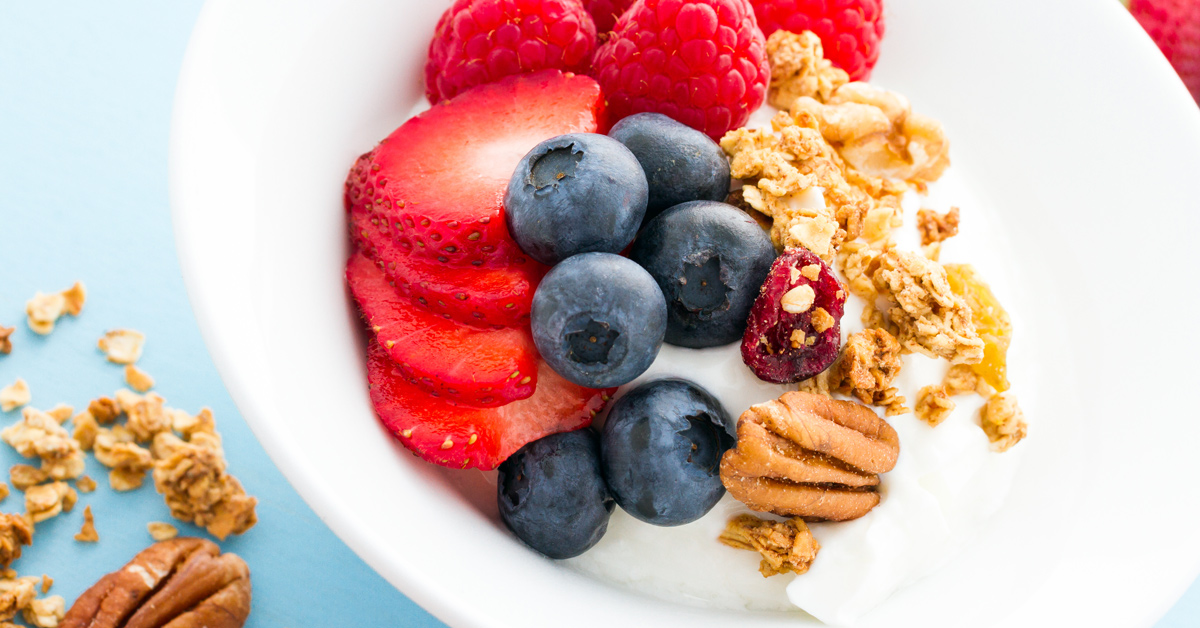
If you are like many others, you think grabbing yogurt is both delicious and beneficial; of course its organic and contains live and active probiotic cultures. But how beneficial are these cultures? And how much do you need? Heres what reports are saying.

What are Probiotics?

Probiotics are friendly bacteria that make up the microbiome in your gut or digestive tract and are the key to good health, especially to good digestion and regularity. Bacteria, though naturally present in the body, accounts for two pounds of bio-mass in your intestines, which need a balance of beneficial bacteria to promote good health.

Levels of probiotics decrease with age and can be affected by other factors, including a poor diet and obesity. As the levels of probiotics decrease, problematic bacteria in the gut thrive, which can lead to digestive problems like bloating and gas.

Probiotics in Yogurt

Many probiotic yogurt brands claim that their product contains active, live cultures and many do. But when heat, pasteurization or sterilization is introduced, it kills the bacteria, rendering it useless. While the best kind of yogurt is organic because it does not usually use these processes, you must be aware that different yogurt brands contain different strains of bacteria. Some strains of bacteria may be more effective than others.

The amount of probiotics in each serving of yogurt varies, as well. Yogurt labels do not list a precise amount of colony-forming units (CFUs) (the dosing for probiotics) that are in each serving. Consumer Reports stated in 2011, that most yogurt products contain a wide-range, from 90 billion to 500 billion CFUs per serving. But the amount each person needs daily depends on multiple factors, including your weight and your ailment. So, while adding yogurt to your diet can provide some vitamins, minerals, protein and probiotics, it is unclear if its consumption can do the job of a high-quality probiotic. In order to reap the benefits that probiotics have to offer, you may want to include a probiotic supplement in your diet. Heres what certified nutritionists and naturopathic doctors are saying about superior probiotic supplements.

Probiotic Supplements

According to Archana Gogna, MS, CNS, MBA, levels of probiotics tend to decrease with age and are lowered by factors such as a poor diet and obesity. As these levels decrease, problematic bacteria in the gut thrive. The most important strains of probiotic bacteria include Lactobacillus, Bifidobacterium and bacillus.

Lactobacillus bacteria inhabit the small intestine, mouth and vaginal tissue. Bifidobacterium are more numerous and are major inhabitants of the large intestine (colon). Both create many important metabolites out of their food and perform a number of functions including burning fat, controlling appetite, fueling digestion and detoxification and support immunity. Bacillus bacteria are spore-bearing bacteria that carry around their own house (and are the only ones to do so). This makes them resistant to heat, moisture, light, stomach acids and digestive enzymes.

When searching for a superior probiotic supplement, make sure that the bacterial strains are non-GMO and that it is a vegetarian formula. The formula should be free of gluten, soy and dairy and contains five of the most important strains of bacteria. All strains must be supplied with at least 2 billion CFU per strain to be sure they can survive and colonize.

Questions about Probiotics? Leave Scientific Director and Pharmacist Jerry Hickey a comment below!

INVITE HEALTH CURRENT SALE