Imagine stopping to smell a fragrant red rose and pricking your finger on a hidden thorn. Just a minor puncture, but your body goes to work immediately to stop the bleeding and quickly seal the wound. One of the major nutrients at work is Vitamin K, discovered in the 1930s and named after the German word Koagulation. Vitamin K’s most essential role is in coagulation, or blood clotting, due to its function in the creation and activation of clotting factors. These factors work together to form blood clots and scabs, an essential supportive step in the healing process. Clotting is just one of the many versatile roles of Vitamin K. This superhero nutrient is also critical for a healthy heart, strong bones and normal calcium absorption. Further, Vitamin K is a great asset in optimal blood sugar balance and healthy cell growth. With widespread action from its role in protein activation, Vitamin K has long been underestimated.
Forms and Foods
Vitamin K is the name for several related compounds which share a basic chemical structure. Vitamin K1, known as phylloquinone, is the inactive form. It is sourced from vegetables, especially dark leafy greens like kale, spinach and Swiss chard. Active Vitamin K2 comes in several forms called menaquinones (MK7, MK4 and MK-9) found in –
- pastured dairy and butter
- organic eggs
- naturally raised meats
- Lamb and liver
- cheese (swiss cheese)
- kim chi
- pickles
Vitamin K is a fat soluble nutrient, meaning it requires dietary fats, pancreatic digestive juices and bile, produced by the liver, for optimal absorption. Vitamin K rich foods should be consumed with a meal or other source of fat, like cooking with butter or using an olive oil based salad dressing. Supplements should be taken with a meal rich in healthy fats, or at least a handful of raw nuts or seeds. Consuming one serving of K2 stays active in body for several days, where K1 is absorbed and used in several hours. K1 is recycled and used again, while K2 is not reused and ideally should be consumed daily. The K2 forms are significantly more absorbable than the plant-based K1 forms, especially when supplementing.
Click here for more information on Vitamin K2 by Jerry Hickey, R.Ph
Blood Clotting
Vitamin K has direct influence over at least seven clotting factors, made of specialized proteins. These are essential to stop bleeding by forming a blood clot. Other Vitamin K dependent proteins have anti-coagulation properties. This keeps the clotting cascade in balance and allows for control and regulation over this life-saving mechanism. The ability to clot properly is a necessary function throughout the body, not just on the skin’s surface. Any internal injury also requires the clotting cascade to swoop in and repair the damage. Without enough Vitamin K, the risk of uncontrolled bleeding, or hemorrhage, becomes significantly greater. Yet, affecting the proteins that generate blood clotting is just one of many functions of Vitamin K.
IMPORTANT NOTE: Due to the effect of Vitamin K and K-rich foods on those taking prescription blood thinners like Coumadin (Warfarin), supplemental K should be avoided and individuals should speak to their health practitioner about the proper intake of Vitamin K foods.
Bone Health
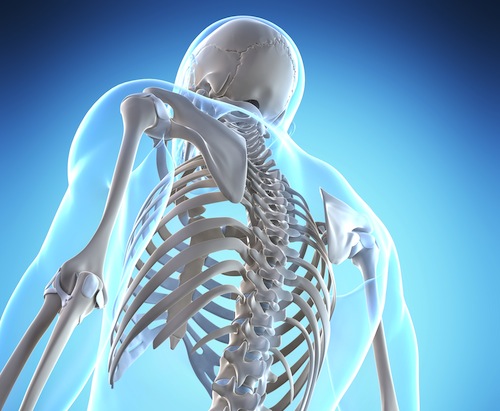
Building strong, healthy bones and teeth involves many vitamins, minerals and proteins beyond calcium. Despite their rigidity, bones are quite alive, in a constant state of being built up and broken down. Bones are made by laying down a base of collagen and other proteins, which are then filled in with mineral crystals like calcium, magnesium and phosphorus. This action is directly driven by the presence of enough Vitamin K.
Another protein called matrix GLA protein (MGP) is also Vitamin K dependent. It has been found in several different structural tissues, like bone, cartilage and other soft tissues including blood vessels. The calcium-binding protein can also be found in the heart, lungs and kidneys and plays several roles in the normal development and growth of bone tissue. Proper regulation of MPG will ensure that calcium and other minerals end up in the bones and teeth. With optimal mineral absorption, bones and teeth grow stronger and denser. MGP also protects cartilage and soft tissue from becoming calcified, or hardened, because of mineral deposits. Vitamin K’s influence over this protein may ward off kidney stones and protect against calcium deposits in the arteries and other soft tissues.
Blood Sugar Balance
Osteocalcin does more than just build bone tissue. This protein is also a hormone, and affects the insulin-secreting beta cells in the pancreas. Osteocalcin entices the release of more insulin, resulting in a number of other effects. Insulin itself is a complex hormone which directs our bodies how to use calories, regulates blood sugar, influences energy production and many other roles. Osteocalcin also sends instructions to the fat cells to release the hormone adiponectin, a key factor in insulin sensitivity. As Vitamin K controls proteins which regulate osteocalcin, a deficiency of this nutrient can affect insulin production. Vitamin K’s effect on the way the body makes and uses insulin helps to keep blood sugar within normal ranges. Healthy blood sugar levels support overall wellness, including healthy body weight, optimal inflammatory response, proper nerve function, and normal stress responses.
Cardiovascular Health
Vitamin K’s ability to activate proteins also helps to prevent plaque formation and calcification of the arteries. Healthy levels of Vitamin K itself can significantly lower markers of inflammatory activity, fostering heart health and reducing inflammation throughout the body.
The role of Vitamin K in blood clotting has influence over the viscosity, or thickness, of blood. Normal blood viscosity is essential for healthy circulation and a well-functioning heart muscle. By activating these important proteins, Vitamin K directly supports several different aspects of heart and vascular health.
There are few nutrients which support as many different body systems as Vitamin K does. This single, spectacular nutrient supports the heart, vessels, brain, nerves, bones, weight control, blood sugar and energy, reduced inflammation and rapid healing. Only Vitamin D3 may be more versatile, and the two work closely together to support the essential functions of the other. As more is discovered about the whole body benefits of this powerhouse nutrient, hopefully it will gain the attention and recognition it deserves. Vitamin K gives us a new reason to eat our veggies and fermented foods.
What do you think about the powerful, Vitamin K? Leave us a comment if you have any questions for Jerry Hickey, R.Ph about this important and powerful vitamin.