Recent Posts

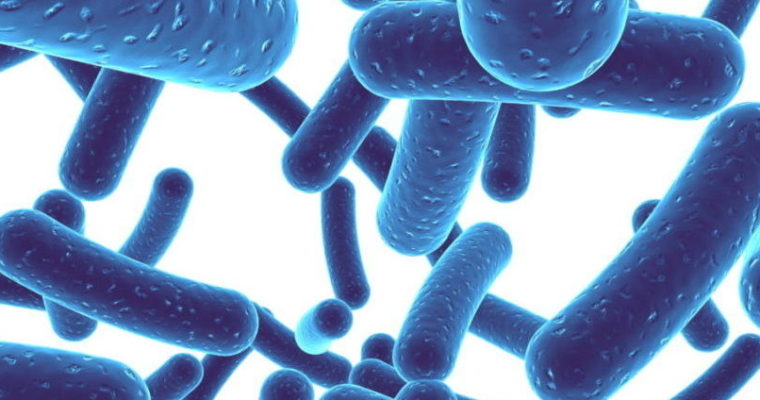
Dairy and Soy-free, Non-GMO Healthy Bacteria by Jerry Hickey, R.Ph

Dairy and Soy-free, Non-GMO Healthy Bacteria by Jerry Hickey, R.Ph

Humans have about two pounds of bacteria in the intestines. Probiotic refers to the lactic acid producing strains required for overall health and digestion. The pressures of modern existence make it difficult to maintain a balanced population of normal, healthy microbes. Poor food choices, illness, …

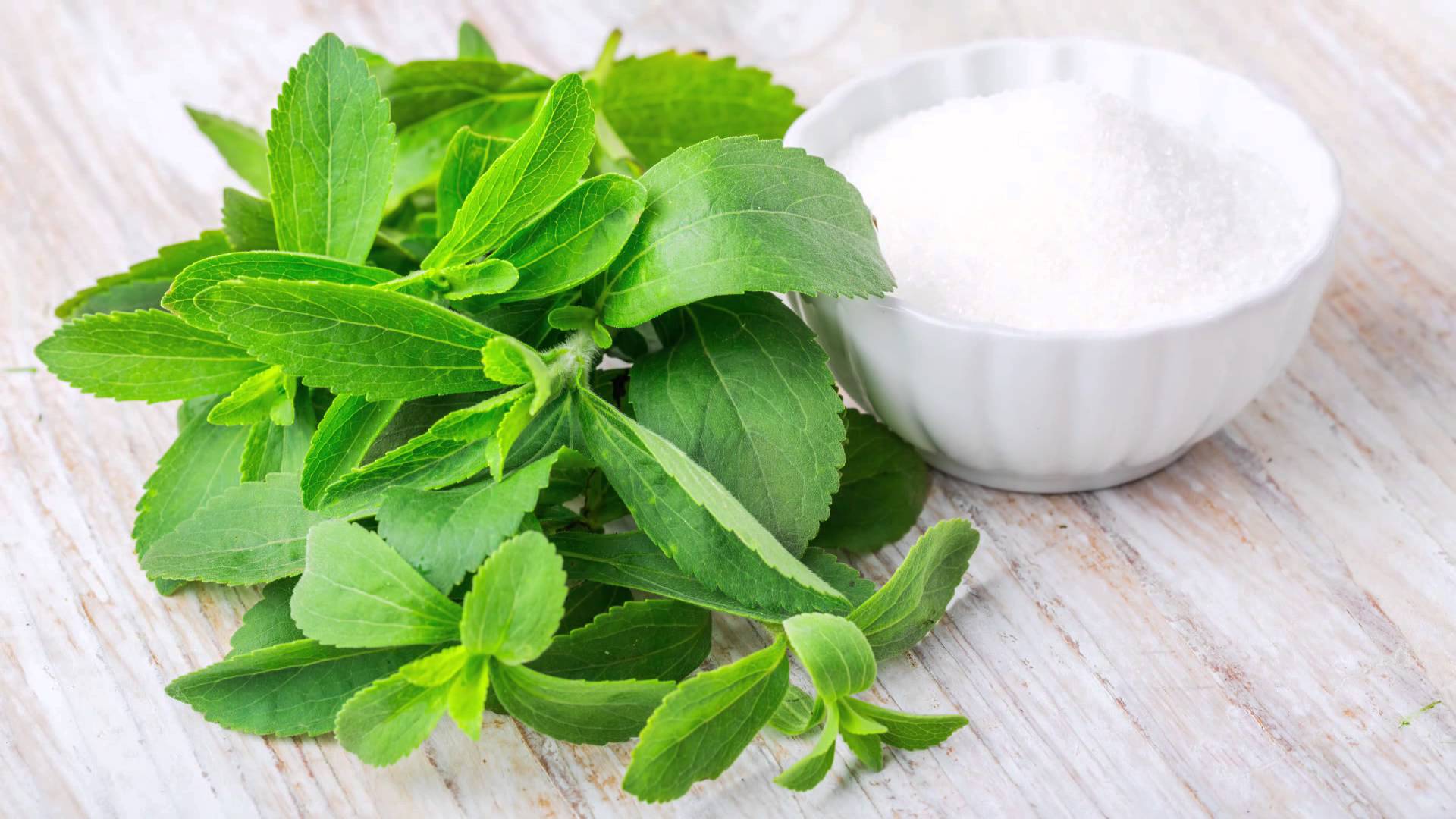
New Study says Stevia May Help Control Blood Sugar Levels

New Study says Stevia May Help Control Blood Sugar Levels

Stevia is a natural, no-calorie sweetener that many have chosen as a replacement to the harmful but commonly consumed white sugar. This alternative sweetener is particularly popular among individuals with diabetes, as their need to control their blood sugar intake and maintenance is much higher. …

Your Quality of Sleep Declines As You Get Older

Your Quality of Sleep Declines As You Get Older

A recent review of scientific literature published in the journal Neuron found that aging adults may be losing their ability to produce deep, restorative sleep.

Medical News Today states that as the brain ages, neurons and circuits in the areas that regulate sleep slowly degrade, resulting in a decreased amount of non-REM sleep. Since non-REM deep sleep plays a key role in maintaining memory and cognition, that’s is a major issue. Matthew Walker, who leads the Sleep and Neuroimaging Laboratory at the University of California, reports, “Every one of the major diseases that are killing us in first-world nations – from diabetes to obesity to Alzeheimer’s disease to cancer – all of those things now have strong causal links to a lack of sleep. And all of those diseases significantly increase in likelihood the older that we get, and especially in dementia.”

Bryce Mander of University of California Berkeley says the loss of deep sleep starts as early as the mid-thirties. The major change that individuals feel is the “early-to-bed, early-to-rise” schedule or waking up in the middle of the night more often.

Insomnia

Millie Lytle, ND, MPH former Director of Nutrition for InVite® Health, states that if you have a hard time falling asleep or staying asleep, you may have insomnia. Nearly 50% of older adults have insomnia, with difficulty in getting to sleep, early awakening, or feeling unrefreshed on waking. With aging, several changes occur that higher ones risk for insomnia, including age-related changes in various circadian rhythms (your body’s internal clock), environmental and lifestyle changes, and decreases in nutrient intake, absorption, retention, and utilization of these nutrients. In addition to fatigue, insomnia in older adults is of particular concern because it could increase risk of injury, with impaired quality of life, cognitive impairment, depression and a heightened risk of metabolic syndrome. Insomnia is also associated with a moderately increased risk for cardiovascular diseases.

Natural Remedies

There are some natural alternatives that may be just what you need to begin getting the sleep you deserve, according to Mille Lytle, ND, MPH –

Magnesium is an essential mineral that has been shown to relax the nervous system, improving measures of insomnia such as sleep efficiency, sleep time, and early morning awakening. Melatonin is a hormone produced in the pineal gland in your brain that regulates the body’s circadian rhythm. When Melatonin levels are high, coritsol levels are low, making this supplement an excellent factor in healthy sleep patterns. Valerian Root has been used as a sedative and anti-anxiety treatment for more than 2,000 years. Extracts of the roots of valerian are widely used for inducing sleep and improving sleep quality. L-Theanine, an extract from green tea, is an excellent support for anxiety, panic, to calm down worrisome thoughts and sleep. One. Japanese study on rats found that chamomile extract helped them to fall asleep just as quickly as rats that got a dose of benzodiazepine (a tranquilizing medication). There are further solutions and other forms of medication that can help anyone get through this as well.

One of the best practices that help to fall asleep is exercising. Another good tip is to finish dinner at least 2 hours prior to “hitting the hay” and develop a routine. Follow this checklist to help turn your nights into dreams:

  • Turn off cell phones, computers and the television at least an hour before bed
  • Go to bed at a regular time each night. The best time is at least 1-2 hours prior to midnight.
  • Engage in gentle activities such as: calm conversation, listening to soothing music or meditation tracks, light stretching, having a bath, drinking herbal teas, reading a novel, cuddling or other intimate contact, or petting an animal.

Read, “Your Natural Sleep Routine by Dr. Millie Lytle ND, CNS.” by clicking here for more information on how you can get a healthy nights rest!

Once into bed, only do sleep-time activities. At this time, using essential oils such as lavender applied to the bottoms of feet and dropping on pillow is enjoyable and soothing. If counting sheep are not enough to blank your mind, then try an exercise-based relaxation technique called progressive-relaxation, which involves clenching each muscle group of the body as hard as possible, then enjoy the relaxation. Progressive relaxation clears the mind and relaxes the body.

What are some things you do to help you relax and enjoy a restful night’s sleep? Leave your feedback in the comments!

INVITE® HEALTH CURRENT SALE

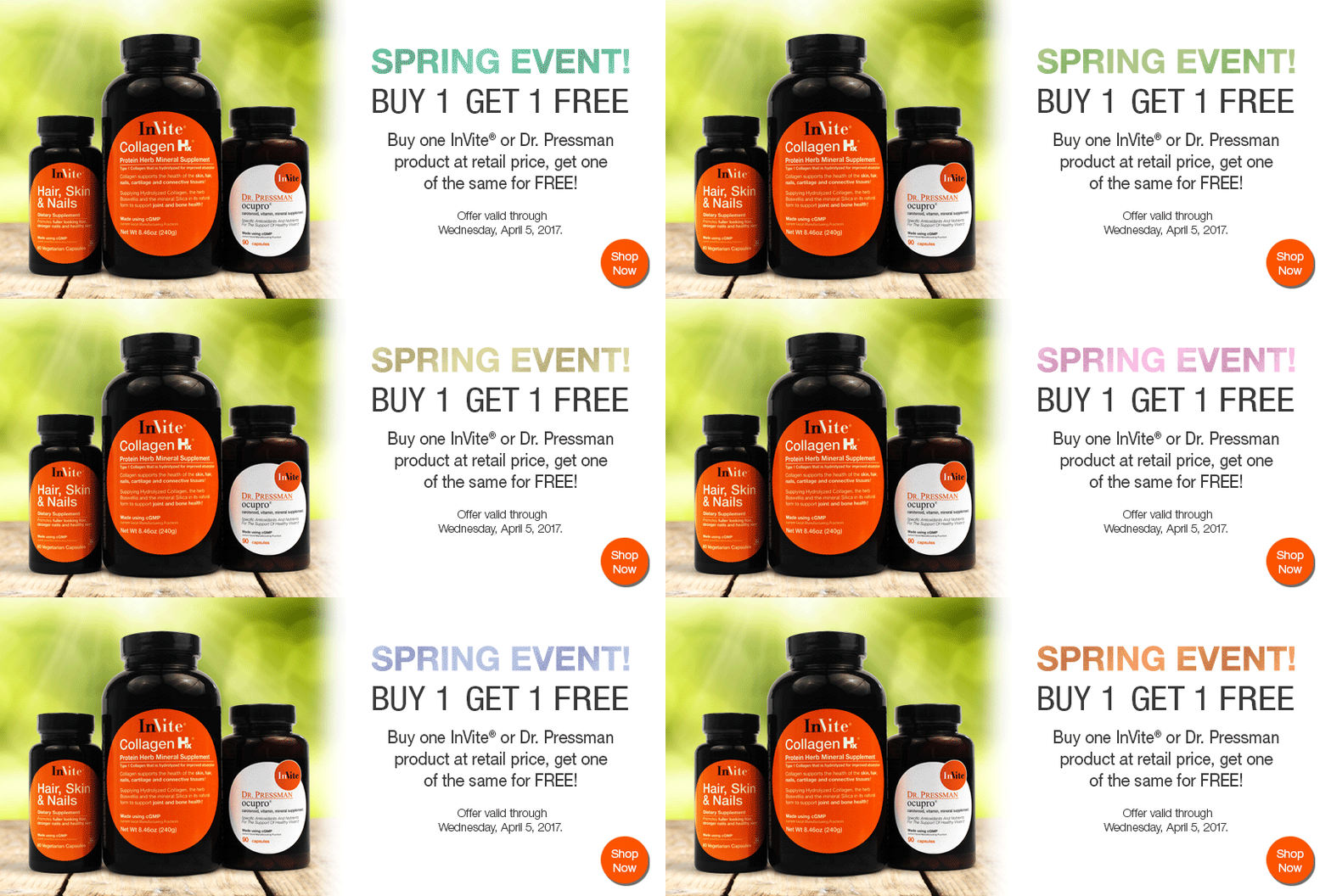
Buy 1, Get 1 FREE: Spring Event Has Arrived!

Buy 1, Get 1 FREE: Spring Event Has Arrived!

Welcome to the InVite® Health’s, Buy 1, Get 1 FREE Spring Event! At InVite® Health, we provide a simplified luxury experience by offering superior quality products, educational information and resources, and a team of healthcare experts in a beautifully designed boutique environment with products at …

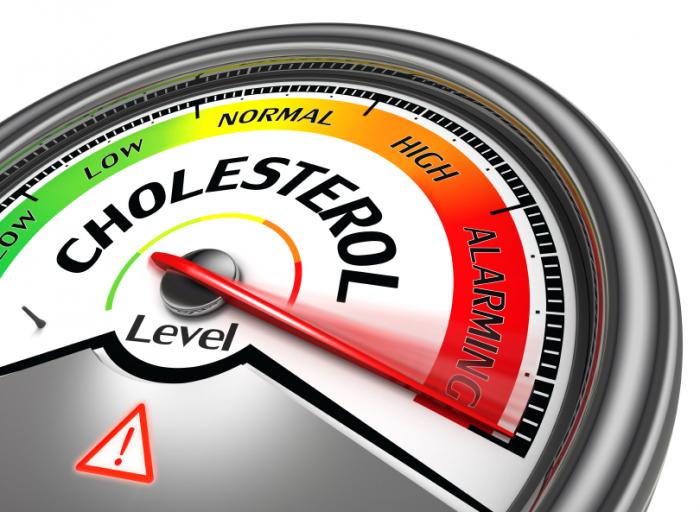
Cholesterol Levels: Why They’re More Important Than You Think

Cholesterol Levels: Why They’re More Important Than You Think

You’ve probably heard, “Watch your cholesterol levels!” more than you’d like. But, the fact is, your cholesterol level can determine a lot about your health and other factors you may be at high risk of developing. What is Cholesterol? Cholesterol is a fat-like substance found …

Inactive Teens Have Weaker Bones than Active Teens

Inactive Teens Have Weaker Bones than Active Teens

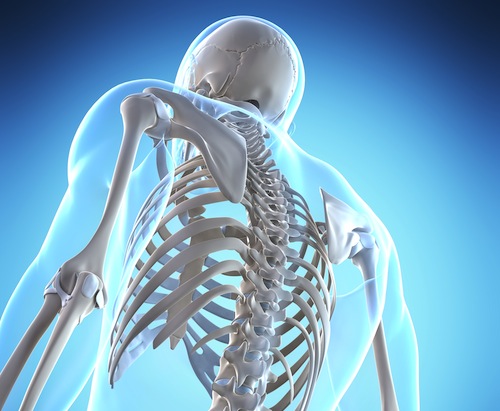
It’s common knowledge that inactive individuals can have a higher risk of becoming obese and developing numerous conditions, including type 2 diabetes. But did you know that inactive individuals, especially teenagers, have weaker bones than those who are physically active?

Bones: Inactive Teens vs. Active Teens

According to the study performed at the Vancouver Coastal Health Research Institute by researchers from the University of British Columbia (UBC) and the Centre for Hip Health and Mobility, as much as 36% of the human skeleton is formed in girls between the ages of 10 and 14 and boys between 12 and 16 years old. Leigh Gabel, lead author and PhD candidate in orthopedics at UBC used high-resolution 3D x-ray images to compare the differences between youth who met the daily recommendation of 60 minutes of moderate-to-vigorous physical activity per day and those who got less than 30 minutes a day. Bone strength is classified by a combination of the bone size, density, and microarchitecture.

Pediatricians, psychologists, and nutritionists recognize the critical role of children’s vitamins and minerals in your child’s overall development.

Researchers and authors of the study report that both schools and communities need to take steps towards helping children to lead a more active lifestyle. While any and all exercise is great for kids, weight-baring activities like walking, running, basketball and hiking may be best for their bones.

Bone Health Information

Bone is living tissue that is consistently changing, with new bone replacing old bone constantly. During childhood and adolescence, much more bone is being deposited than withdrawn as the skeleton grows. The amount of bone tissue in the skeleton peaks in our late twenties. Though Osteoporosis commonly occurs in older individuals, according to the National Institute of Arthritis and Musculoskeletal and Skin Diseases, it can occur in both young and middle-aged adults. “Optimizing peak bone mass and developing lifelong healthy bone behaviors during youth are important ways to help prevent or minimize Osteoporosis risk as an adult.”

Natural Bone Health Alternatives

According to Nicole Crane, BS, NTP, of all bone nutrients, Calcium, Magnesium, Vitamin K2, Strontium, and Collagen are required in the largest amounts to keep your bones healthy and strong.

Approximately 99% of the calcium in our body is found in the bones, with the remaining 1% in blood to maintain essential life supporting functions like the beating of the heart, relaxation and constriction of blood vessels, nerve signaling, muscle contraction and other essential life supporting functions. Calcium plays numerous important roles in the body, including muscle contraction and hormone secretion, blood clotting and pH balance. An acidic pH will always lead to bone loss, as calcium is used as an alkaline buffer for blood. Many people either do not consume enough calcium, or consume poorly absorbed forms. You must be replenishing your body with calcium!

Magnesium influences calcium and other mineral metabolism in bone, reducing bone turnover and promoting new bone formation. Magnesium is required to transport calcium into the bones and for the formation of normal calcium crystals in bone tissue.

By far, the most underappreciated and most necessary nutrient for rebuilding bones is Vitamin K2. It has long been known that vitamin D helps the body absorb calcium; however, it wasn’t until more recently that researchers discovered that vitamin K2 is necessary to direct calcium into the bones where it belongs and away from soft tissues, including the arteries.

Strontium is one of the newest players in bone health. This mineral is more dense than calcium and shares a number of its bone functions. Most strontium, about 90%, is found in bone. This mineral gives strength to bone and draws calcium to the bone and encourages minerals to be deposited in bone. The more bone building activity that takes place, the greater the uptake of strontium into the bones. Strontium enhances the activity of the osteoblasts, the bone builder cells, while reducing the activity of the osteoclasts, which break down bone.

Ninety percent of the organic mass of your bone is made out of collagen. Think of the relationship collagen has with our bones as a relationship that a foundation has to a house. collagen is the compound that provides the framework healthy bones to occur.

What do you think about this study on bones? Leave us a comment below!

INVITE® HEALTH CURRENT SALE