According to the Centers for Disease Control and Prevention (CDC), 35% of United States adults do not get enough sleep, an issue that can lead to increased risks of developing a number of diseases and conditions.
Sleep is an important part of good health, as it is the way you recharge your body; the same way you recharge your cell phone every night. If you do not put your cell phone to charge, it is virtually useless. In the same way, your body needs sleep to perform to its highest ability. About 1 in 3 (an estimated 83 million) U.S. adults reported usually sleeping less than 7 hours in a 24-hour period, based on data from the 2014 Behavioral Risk Factor Surveillance System (BRFSS), a study with data compiled from all 50 states and the District of Columbia.
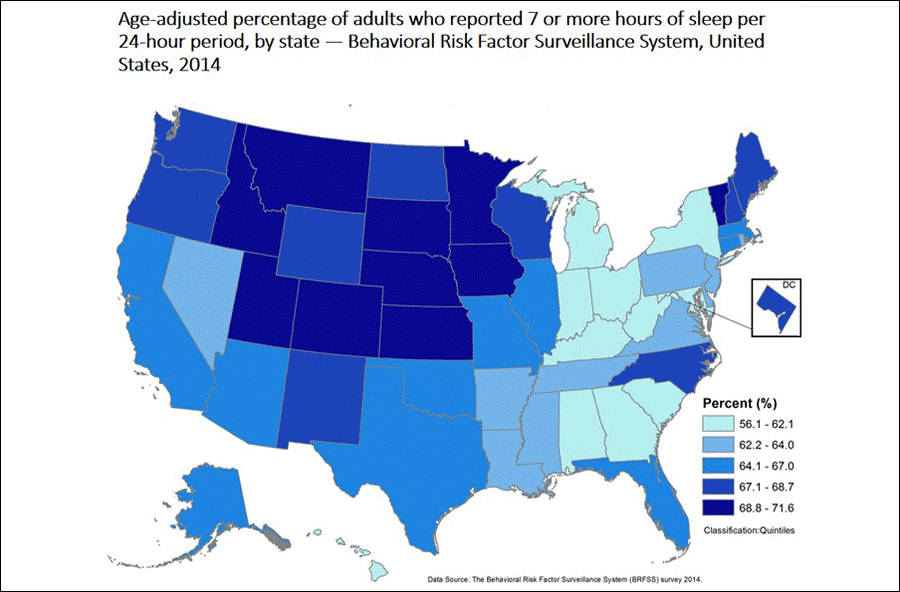
So what can happen if you do not get the recommended 7 hours of sleep per night? The CDC reports, “Sleeping less than 7 hours per night is linked to increased risk of chronic diseases, such as diabetes, stroke, high blood pressure, heart disease, obesity, and poor mental health, as well as early death.”
Many times, if you have a hard time falling or staying asleep, insomnia may be to blame. Dr. Millie Lytle, ND, CNS, former Director of Nutrition for InVite® Health, explains, “In order to be diagnosed with insomnia, sleep difficulty must occur at least 3 times per week and must be a problem for at least 1 month.” She continues, “Nearly 50% of older adults have insomnia, with difficulty of getting to sleep, early awakening, or not feeling refreshed on waking. With aging, several changes occur that higher ones risk for insomnia, including age-related changes, environmental and lifestyle changes, and decreases in nutrient intake, absorption, retention, and utilization of these nutrients.” There are so many different options that you can introduce into your life to help combat your insomnia and some of them have been listed below.
The CDC recommends some tips that may help to improve your sleep health[1]:
- Be consistent. Go to bed at the same time each night and get up at the same time each morning, including on the weekends.
- Make sure your bedroom is quiet, dark, relaxing, and at a comfortable temperature. Additionally, ensure that your mattress is comfortable enough to sleep on (a bad mattress can really impact your sleep).
- Remove electronic devices, such as TVs, computers, and smartphones, from the bedroom.
- Avoid large meals, caffeine, and alcohol before bedtime
- Avoid tobacco/nicotine
- Get some exercise. Being physically active during the day can help you fall asleep more easily at night.
Dr. Millie Lytle, ND, CNS, suggests other natural insomnia remedies that may be just what you need to begin getting the sleep you deserve[2]:
- Magnesium is an essential mineral to over 400 functions in the body and has been shown calm the heart rate, ease muscle cramping and restless leg syndrome and to relax the nervous system.
- Melatonin helps to regulate the body’s circadian rhythms, your body’s 24-hour clock which regulates your sleep/wake cycle.
- Valerian Root has been used as a sedative and anti-anxiety treatment for more than 2,000 years. Extracts of the roots of Valerian are also widely used for inducing sleep and improving sleep quality.
- California Poppy (Eschscholzia Californica) is one of the only safe and available sources of opiates. This herb works as a painkiller and helps to include sleep.
- L-Theanine, an extract from green tea, can be taken day or night for anxiety, panic and to calm down worrisome thoughts by increasing blissful alpha-waves in the brain, before bed or the middle of the night.
- Chamomile can be taken as a tea, in an herbal tincture or in a sleep formula. Ensure you are brewing chamomile tea properly by using two or three tea bags and putting a lid on the pot to keep oils in the water and to contain the medicinal effects of the tea.
Read Dr. Millie Lytle, ND, CNS’s full article, Your Natural Sleep Routine, here.
[1] http://www.cdc.gov/features/getting-enough-sleep/
[2] http://www.invitehealth.com/ARTICLE-sleep-routine-millie-lytle.html



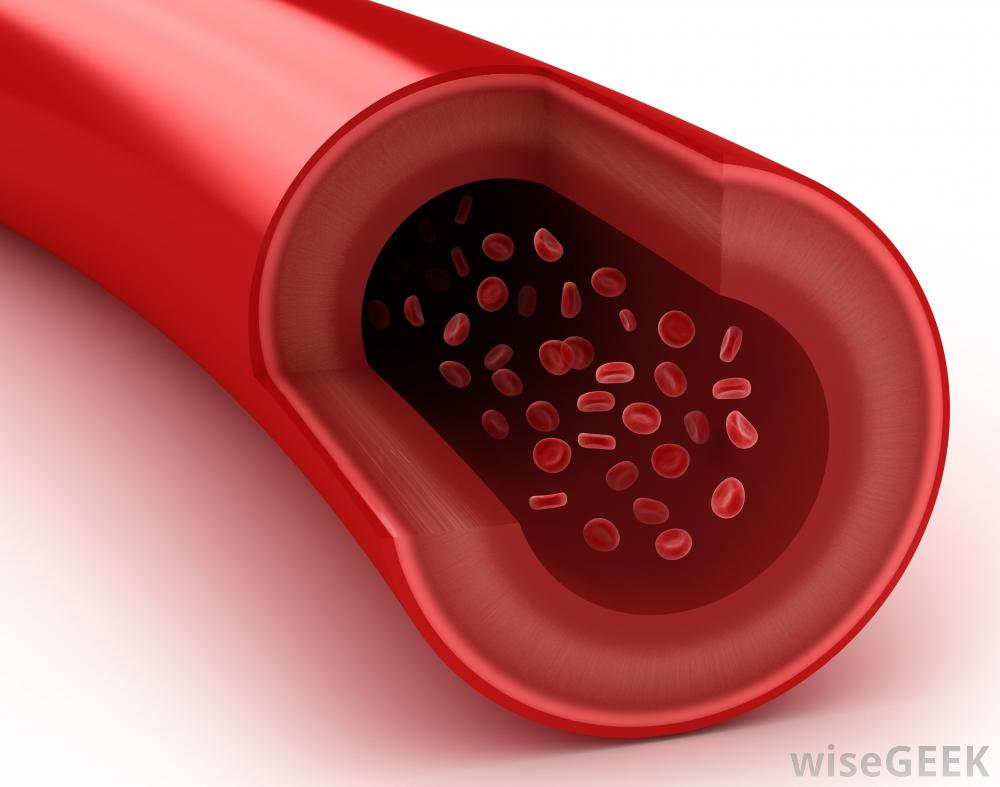
 Endothelial dysfunction is a fancy word for a condition where the inner linings of blood vessels are not functioning correctly. This is because of three issues – reduced vasodilation (the opening of the artery when the heart pumps), inflammation of the lining of the artery, and the formation of clots.