Recent Posts

Don’t Accept Chronic Pain as Normal, Biocurcumin and 5-loxin can help. Invite Health Podcast, Episode 628.

Don’t Accept Chronic Pain as Normal, Biocurcumin and 5-loxin can help. Invite Health Podcast, Episode 628.

Subscribe Today! Please see below for a complete transcript of this episode. DON’T ACCEPT CHRONIC PAIN AS NORMAL, BIOCURCUMIN & 5-LOXIN CAN HELP, INVITEⓇ HEALTH PODCAST, EPISODE 628 Hosted by Amanda Williams, MD, MPH *Intro Music* InViteⓇ Health Podcast Intro: [00:00:04] Welcome to the Invite 

ANXIETY VS DEPRESSION part 1: SIGNS, SYMPTOMS AND STRATEGIES

ANXIETY VS DEPRESSION part 1: SIGNS, SYMPTOMS AND STRATEGIES

  By: Allie Might, FMC, INHC, ATT For further questions or concerns email me at amight@invitehealth.com We’ve been talking a lot about stress and how it can affect our well-being. No conversation about stress management would be complete without understanding anxiety and depression. Let’s take a 

Heart Murmurs & Mitral Valve Prolapse, Invite Health Podcast, Episode 627

Heart Murmurs & Mitral Valve Prolapse, Invite Health Podcast, Episode 627


Subscribe Today!

Apple PodcastsGoogle PodcastsiHeartRadioSpotify


Please see below for a complete transcript of this episode.

HEART MURMURS & MITRAL VALVE PROLAPSE, INVITEⓇ HEALTH PODCAST, EPISODE 627

Hosted by Amanda Williams, MD, MPH

*Intro Music*

InViteⓇ Health Podcast Intro: [00:00:04] Welcome to the InViteⓇ Health Podcast, where our degreed health care professionals are excited to offer you the most important health and wellness information you need to make informed choices about your health. You can learn more about the products discussed in each of these episodes and all that Invite Health has to offer at invitehealth.com/podcast. First time customers can use promo code podcast at checkout for an additional 15% off your first purchase. Let’s get started. †  [00:00:34]

*Intro Music*

Amanda Williams MD, MPH: [00:00:40] We’ve all come to realize the importance of having a healthy heart, and if you have high blood pressure or any other problem that may arise throughout your life when it comes to the cardiovascular system, there’s always room for concern. And if you’re diagnosed with a particular heart condition, it can be incredibly overwhelming and a lot of what ifs and what do I do when told that there is a cardiac condition? Certainly, we can look at a very common condition that oftentimes is incredibly harmless and is asymptomatic, meaning it’s not creating any problems for you, but that is heart murmurs. And we know that heart murmurs are very common in children, and we see this in upwards of 75% of children can have a heart murmur. And then when we get into adulthood, it’s estimated that somewhere around 10% of the population will have a heart murmur. So, it is relatively common and for the most part, they are considered to be innocent but there can be reasons for alarm and to have concern. So, I want to talk a little bit about murmurs today and what you should be doing if you’ve been told in the past that you have a heart murmur or maybe something such as mitral valve prolapse, this is usually the most common causative reason as to why someone in their adulthood can experience a murmur. So, we’ll talk a little bit about that. I am Dr. Amanda Williams, scientific director at Invite Health. And when it comes to the cardiovascular system, clearly this is very complex, a lot of moving parts, we’ve got electrolytes, we have an electrical conduction system, we have the heart muscles themselves, we have upper chambers and lower chambers. There’s a lot of areas where things can kind of go haywire, which is why we want to do everything in our power to protect our heart as we go throughout our life, want to eat the right foods, those high antioxidant foods. We want to have a healthy, active lifestyle, definitely important to make sure that we have good blood circulation and of course we want to take the right nutrients, omega three fatty acids, for example, coenzyme Q10 in the Ubiquinol form. Looking at nutrients such as vitamin K2, definitely important, Vitamin D3, also key and magnesium, which I’m going to get into in some detail, because when it comes to heart murmurs, magnesium can become your new best friend. So, understanding that heart murmurs for the most part, are considered to be, not a life-threatening condition and for the most part remain to be asymptomatic. So, meaning if you didn’t know because your doctor didn’t tell you, oh, I’m listening through the stethoscope and I can hear a murmur, you wouldn’t probably recognize this because it’s not creating any symptoms nor is it really impacting the true functionality of how the heart is working. † [00:03:56]

[00:03:57] But what we have to look at is, you know, what causes the murmur itself. So, you have different valves, so the heart itself has four valves, you have the aortic valve, the mitral valve, the tricuspid valve and the pulmonary valve. In any of those valves, we can have an interruption of how that valve is opening or closing. So the amount of blood that’s flowing in or out can be impacted based on those valves. It’s kind of like, if you’re closing a door in your house, maybe it sticks a little bit. So as you’re closing the door, you have to pull it a little harder for it to completely close. It’s the same concept for thinking about the heart valves, so as blood is flowing out of one chamber into another chamber, it may create this kind of flapping sound because that valve door, we can think about that door closing, that valve is taking a little longer, and so this is the disruption and what the doctor can hear in a stethoscope for this wooshing sound. And so the normal beat that you’re listening for is kind of a lub dub. So sometimes you’ll hear an extra beat, for example, now, this isn’t something that the average person is sitting around with a stethoscope listening to heart rates and heartbeats all day long. But what we do know is that this is a very common condition, like I said, estimated that 75% of children at some point will have a heart murmur, and it’s estimated that about 10% of adults will have a harmless murmur. Usually, the most common valve that creates this problem is the mitral valve. And mitral valve prolapse is a fairly common diagnosis. And when someone is told that they have mitral valve prolapse, once again this can create room for concern. Because you go, oh my goodness, does this mean, you know, I’m going to drop dead of a heart attack or have a stroke? Because oftentimes, doctors aren’t the best at explaining what exactly mitral valve prolapse is.† [00:06:03]

[00:06:05] So it’s a condition in which the two valve flaps of the mitral valve don’t close smoothly or evenly. And because of this, it throws off that normal Lub dub sound, so the heart itself is, you know, pumping or contracting, the musculature of the heart. It’s forcing that blood in and out of those chambers. And so, you can kind of get this little regurgitation of blood, a little bit of blood kind of flows back through slowly through that valve because the valve didn’t properly open or close. So hence, this is mitral valve prolapse. The reason I kind of zeroed in on this is because this is going to be the most common reason as to why someone has a detectable murmur and, in most cases, this is completely harmless. However, we do know that this can, you know, potentially create some problems further down the road if we add insult to injury with other cardiovascular conditions such as hypertension, problems with cholesterol, so we always want to do right by the heart, by taking the right nutrients and of course following an anti-inflammatory diet is definitely very, very important. Now, there’s other reasons as to why a murmur can occur. We can look at a congenital heart problem, you know, babies born with a hole in the heart. Which is, you know, or a septal defect where the heart itself didn’t properly develop. So, this is something that you will hear clearly, a detectable murmur. But this is going to be found in pediatric cases, when we’re looking at adult cases with that murmur, we’re going to be looking more as the mitral valve being that flappiness, which creates that, the issue in terms of the sound, hence a murmur. Now, symptomatically, if someone is having a more severe problem with a murmur, there could be conditions such as chest pain, shortness of breath, feeling kind of lightheaded. These are going to be clear indications that you need to, you know, seek out medical attention for that and do further testing. They can do, you know, EKGs, echocardiograms, a Doppler exam as well, to really see how much of that blood flow is either backing up or not getting through and this is something that is, you know, always worth researching or investigating into, if you are having any type of a symptom associated with a murmur. † [00:08:45]

COQ10 UBIQUINOL AND SELENIUM: YOU NEED THESE FOR STROKE OR HEART ATTACKS – INVITE HEALTH PODCAST EPISODE 555>>LISTEN NOW!

 [00:08:46] Now, when it comes to nutrition, what can you be doing? Well, we know that there’s really at the end of the day, not much we can do to necessarily reverse this, but what we do know is that magnesium, the power of magnesium has been shown to be the most effective way to deal with a mitral valve prolapse type of murmur. In the American Journal of Cardiology, over 20 years ago, they talk about this, they talk about how magnesium supplementation is highly advisable for those who are dealing with mitral valve prolapse and with that audible murmur that the doctor can detect. So, supplementation with magnesium on a daily basis would be incredibly advantageous. Now, we can also look at the other nutrients that we know the heart relies on, which would include coenzyme Q10, certainly there are research studies that date all the way back to the 1980s, that show that supplementation with coenzyme Q10 definitely something that should be looked at for those who have mitral valve prolapse, they did stress EKGs and they were able to induce a more severe prolapse effect of that mitral valve. And then they found that when they gave those patients coenzyme Q10, that the severity of that prolapse definitely improved. So, this is another reason as to why we talk about the cardiovascular system and the key nutrients to which the heart is highly reliant on, which includes coenzyme Q10, omega three fatty acids, magnesium, of course, Vitamin D, all of these nutrients, at the end of the day, we know can do so much when it comes to giving us that overall support. Looking at the pathophysiology of mitral valve prolapse and understanding that, you know, roughly about 3% of the general population has this, which means you’re talking millions of Americans are dealing with mitral valve prolapse, but they generally don’t know this because, like I said, it’s going to be asymptomatic. It’s highly unlikely that someone who has mitral valve prolapse, is experiencing any type of symptoms, such as dizziness, shortness of breath, it’s very out of the norm to have mitral valve prolapse with symptoms. Generally, it is always going to be considered an innocent murmur or an asymptomatic condition. † [00:11:28]

[00:11:29] Now, if you know that you have mitral valve prolapse, are there things you should be doing? Yes, of course, because we don’t want to make things worse and never travel down the road where we’re going to have to have some type of surgical intervention. So, this is why, you know, following, you know, a healthy diet, a Mediterranean heart, healthy diet, along with supplementation daily of magnesium, omega three fatty acids such as fish oil, or Krill oil, taking your coenzyme Q10 in that Ubiquinol form would be incredibly advantageous. Now, if you’re not exactly sure, maybe you’re like, you know what? When I was little, I remember someone once telling me that I had a murmur. Do I still have it? Probably not. We know that oftentimes we can have these murmurs in childhood and we, in a sense, kind of outgrow them, but we know that there are different reasons as what can make a murmur worse. Certainly, things like exercise, does that mean you shouldn’t exercise? No, not at all. But we know that this is a more pronounced way to actually hear that type of a murmur, the more blood that we can have pumping through the heart, can make it easier, in a sense. To be able to detect that murmur actually occurring, so this is a reason why oftentimes doctors will have people do a stress EKG so they can try and get that blood flow up so they can detect any level of abnormality that is occurring when it comes to, you know, exercise itself. So, heart murmurs in general are harmless, we know that we can call it a leaky heart valve. Sometimes doctors will tell you the full name, they may say, oh, you have mitral valve regurgitation, or mitral valve prolapse. You know, if it’s a more nefarious conditions, such as a hole in the heart or something along those lines, you will be having symptoms such as trouble breathing, shortness of breath, chest pain, things along that line. But we know that when it comes to the treatment of an asymptomatic, quote unquote, innocent murmur, there’s not much that most doctors are going to do other than kind of a watch and wait and encourage their patients to make sure that they’re following healthy lifestyle modifications. Getting out there, exercising and getting that blood pumping through the heart, is definitely key. Taking things such as magnesium, coenzyme Q10 and omega three fatty acids definitely can be incredibly beneficial. So that’s just a little bit of a background on murmurs. The heart itself is quite complex and there are many ways to discuss cardiac murmurs but to keep it in a very simple fashion, murmurs, commonly heard, generally speaking, are not a problem. And there are definitely things that you can be doing to support the health of your heart. Magnesium and Co Q10, being your two best friends when it comes to heart health. So, I want to thank you so much for tuning in to the InViteⓇ Health Podcast. Remember, you can find all of our episodes for free wherever you listen to podcasts, or by visiting invitehealth.com/podcast. Do make sure that you subscribe. You leave us a review. You can follow us on Facebook, Twitter and Instagram. And we will see you next time for another episode of the              InViteⓇ Health Podcast.† [00:11:29]

ICYMI:A LITTLE COCOA GOES A LONG WAY, INVITE HEALTH PODCAST, EPISODE 622>>Listen now!


Systemic Lupus Erythematosus (SLE)- Invite Blog

Systemic Lupus Erythematosus (SLE)- Invite Blog

Written by Dr. Claire Arcidiacono, ND For further questions or concerns email me at carcidiacono@invitehealth.com Last time we talked about RA, (Rheumatoid Arthritis), which is an autoimmune disease that includes joint pain as well as joint damage. In this same theme we have Lupus. Systemic 

Krill Oil or Fish Oils, Pick One and take it. Invite Health Podcast, Episode 626

Krill Oil or Fish Oils, Pick One and take it. Invite Health Podcast, Episode 626

Subscribe Today!   Please see below for a complete transcript of this episode. KRILL OIL, OR FISH OIL. PICK ON AND TAKE IT- PART 3. INVITEⓇ HEALTH PODCAST, EPISODE 626 Hosted by Jerry Hickey, Ph. *Intro Music* InViteⓇ Health Podcast Intro: [00:00:04] Welcome to the 

Rheumatoid Arthritis, Invite Health Blog

Rheumatoid Arthritis, Invite Health Blog

Written by Dr. Claire Arcidiacono, ND

For further questions or concerns email me at carcidiacono@invitehealth.com


Last week we started off our discussion of arthritis with osteoarthritis (OA). This week we will be looking at rheumatoid arthritis (RA). When most people think of RA they think of joint pain and while that is true RA is much more than just a joint disease. RA is an autoimmune disorder which involves the immune system attacking the joints. This inflammatory response affects both the cartilage and the underlying bone. However, unlike in OA where other parts of the body are relatively unaffected in RA multiple systems are affected by the disease. In RA for example the skin, eyes, lungs, heart, nerves and even the blood vessels can all be affected. † (1)
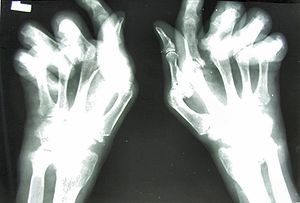
The first signs of RA involve the joints. Typically, the affected joints will be swollen, warm and in the morning, they will be very stiff and need to be “warmed up” as people say. Interestingly this is different from the joint pain we see in OA where there is no difference in the morning meaning that there is no morning inflammation or morning joint pain that just needs to be “warmed up”. As the autoimmune disease progresses in its severity the underlying tendons can become affected, and this leads to the structural changes typically seen in RA. I would like to point out that in addition to the structural changes seen in the fingers there can often be similar structural changes in the toes. This is important since it can affect mobility in the long run. (2) Please see the attached pictures.  † (3) (4)

Fingers


Toes


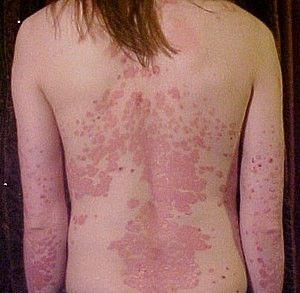
As I said earlier due to the fact that RA is an autoimmune illness other parts of the body are affected and will show signs of the illness. As I discuss each individual aspect of the disease, I will go over how the systems are affected. To start with the very beginning the skin can develop something called a rheumatoid nodule. These typically occur over areas such as the elbow, heels, and the knuckles. † (5) Please see picture (6)


Additionally, vasculitis, which is inflamed blood vessels, can also occur in the skin. Other symptoms of RA that can occur in the skin include but are not limited to the following: Pyoderma gangrenosum, sweets syndrome, Erythema nodosum and even atrophy of the skin of the fingers. † (7)

RA can also affect the lungs and cause signs of respiratory illness. In fact, having symptoms of lung disease when you have RA is so common it even has a name – Rheumatoid lung disease or lung fibrosis. As I said this is a well-known complication of RA. Caplan syndrome is a diagnosis that describes lung nodules that occur when RA is present. † (8)
In addition to symptoms of lung disease individuals with RA often experience comorbidity of the heart and blood vessels. For example, these can include an increased risk of atherosclerosis, MI, and stroke. Other possible complications can include pericarditis, endocarditis, valvulitis and fibrosis. † (9)

Anemia as well as a decrease in white blood cells can also occur. When the inflammation is not well controlled, we can also see an increase in platelet count. † (10)
RA can also affect the kidneys and cause symptoms of kidney disease. It can affect the liver as well and cause symptoms of liver disease. In the long run it can even cause vision changes as it affects our eyes. Over time as the autoimmune aspects of RA starts to affect the nerves, we can start to see signs of neuropathy. † (11)

GENERAL SYMPTOMS
The general symptoms of RA include fatigue, low grade fever, malaise, morning stiffness, and periodontal disease. † (12)

COMMON RISK FACTORS
There are some very common risk factors for RA. For those with RA in their family tree the risk of developing RA increases 3 to 5X that of someone without a family history. In fact is estimated that genetics account for 40-65% of sero-positive RA and 20% of sero-negative RA. (13) Smoking has been found to increase the risk of RA 3X compared to nonsmokers! †(14)
Studies have found that having vitamin D levels that are lower than optimum can increase the risk of developing RA. † (15)
Anything that increases inflammation can also increase the risk of RA. This can include the standard American diet, stress and even other autoimmune disorders. As I mentioned in my article series on digestion having leaky gut is a risk factor for all autoimmune disorders including RA. Studies also show a link between RA and gluten sensitivities. † (16)
As I mentioned previously RA is diagnosed with blood work as well as certain imaging tests. Blood work can also be used to monitor the effectiveness of treatments. In addition to any treatments recommend by your doctor the following may be helpful:

WHAT CAN BE HELPFUL? 

1. Lifestyle changes such as stop smoking! †
2. Making dietary changes – A Mediterranean diet has been found to be anti-inflammatory in studies! (17) I would also suggest increasing anti-inflammatory foods – such as leafy greens, broccoli, cauliflower, cabbage, brussels sprouts, kale, berries of all types, cherries, oily fish, avocados, olive oil and nuts. † (18)
3. Working on the inflammation part of RA sometimes requires supplements in addition to diet! †
–> Turmeric has been found to lower inflammation and help with the morning stiffness as well as the inflammation seen in RA. (19) Please see Invite’s Biocurcumin, Turmeric with ginger and Curcumin blend! †
–> Boswellia has been found to reduce inflammatory parameters in studies. (20) Please see Invite’s Biocurcumin!†
–> Ginger has been found to reduce inflammatory factors hs-CRP and IL-1β or in other words it helps to reduce the inflammation seen in RA. (21) Please see Invite’s Turmeric with ginger. †
–> Omega 3’s may have an effect on disease activity especially the swollen and crooked joints. (22) Please see Invite’s Fish oil, Krill oil, and Inflammune.†
–> D3 is important to supplement when you are low. † (23)
4. If the leaky gut is causing the inflammation, it’s important to heal the gut! Please refer to my series on GI health. †

START Dr.Claire’s series on GI Health here–>THE BASICS OF DIGESTIVE HEALTH, PART 1>>READ NOW!

5. We also want to work on protecting the joints! †

–> Collagen has been found to lower joint inflammation and joint pain. (24) While more studies on collagen are important to do at this time current studies show that collagen may help to promote the growth of cartilage damaged by OA or RA. (25) Please see Invite’s Collagen Hx, Collagex HA, Collagen tablets and Cartilage Hx!†
–> Hyaluronic acid has been found in studies to help promote cartilage repair as well as reduce inflammation. (26) Please see Invite’s Hylauronic Acid with Devil’s Claw†

6. Lastly let’s protect some of the other organs affected by RA! †
–> For lung health there are a number of products that can help! NAC has been found to improve respiratory function. (27) Black seed is also amazing for lung health and respiratory function. (28) Please see Invite’s NAC and Black seed with Rosemary†
–> Coq10 is amazing for heart health! Please see all Invite’s Coq10 products! †
–>Resveratrol is amazing for so many different areas. It helps the lungs, heart and is just an amazing antioxidant! (29) Please see Invite’s Resveratrol 100mg Hx and our new Resvertrol Max formula†
–> Bilberry has been found in studies to help with vision and eye heath. (30) For this and other amazing eye nutrients please see our Macula Hx and Macula Advanced Hx†

For further questions or concerns email me at carcidiacono@invitehealth.com

REFERENCES

1. “Handout on Health: Rheumatoid Arthritis”. National Institute of Arthritis and Musculoskeletal and Skin Diseases. August 2014. Archived from the original on June 30, 2015. Retrieved July 2, 2015.
2. Majithia V, Geraci SA (November 2007). “Rheumatoid arthritis: diagnosis and management”. The American Journal of Medicine. 120 (11): 936–939. doi:10.1016/j.amjmed.2007.04.005. PMID 17976416.
3. https://www.orthobullets.com/basic-science/9085/rheumatoid-arthritis
4. https://www.thehealthsite.com/diseases-conditions/how-rheumatoid-arthritis-affects-the-foot-and-ankle-b1016-440550/
5. Turesson C (May 2013). “Extra-articular rheumatoid arthritis”. Current Opinion in Rheumatology. 25 (3): 360–366. doi:10.1097/bor.0b013e32835f693f. PMID 23425964. S2CID 21462453.
6. https://www.pcds.org.uk/clinical-guidance/rheumatoid-nodules
7. Genta MS, Genta RM, Gabay C (October 2006). “Systemic rheumatoid vasculitis: a review”. Seminars in Arthritis and Rheumatism. 36 (2): 88–98. doi:10.1016/j.semarthrit.2006.04.006. PMID 17023257.
8. arthritis-associated interstitial lung disease: the relevance of histopathologic and radiographic pattern”. Chest. 136 (5): 1397–1405. doi:10.1378/chest.09-0444. PMC 2818853. PMID 19892679.
9. 9). “Evaluating cardiovascular risk in rheumatoid arthritis”. Journal of Musculoskeletal Medicine. 26 (8): 481–494. Archived from the original on 2012-07-23.
10. Gibbs JE, Ray DW (February 2013). “The role of the circadian clock in rheumatoid arthritis”. Arthritis Res Ther. 15 (1): 205. doi:10.1186/ar4146. PMC 3672712. PMID 23427807.
11. de Groot K (August 2007). “[Renal manifestations in rheumatic diseases]”. Der Internist. 48 (8): 779–785. doi:10.1007/s00108-007-1887-9. PMID 17571244. S2CID 28781598.
12. “Handout on Health: Rheumatoid Arthritis”. National Institute of Arthritis and Musculoskeletal and Skin Diseases. August 2014. Archived from the original on June 30, 2015. Retrieved July 2, 2015.
13. Smolen JS, Aletaha D, McInnes IB (October 2016). “Rheumatoid arthritis” (PDF). Lancet. 388 (10055): 2023–2038. doi:10.1016/S0140-6736(16)30173-8. PMID 27156434. S2CID 37973054.
14. Sugiyama D, Nishimura K, Tamaki K, Tsuji G, Nakazawa T, Morinobu A, Kumagai S (January 2010). “Impact of smoking as a risk factor for developing rheumatoid arthritis: a meta-analysis of observational studies” (PDF). Annals of the Rheumatic Diseases. 69 (1): 70–81. doi:10.1136/ard.2008.096487. PMID 19174392. S2CID 11303269. Archived from the original (PDF) on 2021-03-01. Retrieved 2018-04-20.(subscription required)
15. https://www.keckmedicine.org/blog/could-more-vitamin-d-help-relieve-your-rheumatoid-arthritis/#:~:text=Studies%20also%20have%20found%20that,in%20the%20hands%20and%20feet.
16. https://pubmed.ncbi.nlm.nih.gov/33677948/
17. https://www.eatingwell.com/article/2061785/anti-inflammatory-mediterranean-diet-plan/#:~:text=In%20fact%2C%20research%20has%20identified,oil)%20in%20the%20diet%20every
18. https://www.healthline.com/nutrition/13-anti-inflammatory-foods
19. https://pubmed.ncbi.nlm.nih.gov/33914984/
20. https://www.ncbi.nlm.nih.gov/pmc/articles/PMC6477955/
21. https://www.ncbi.nlm.nih.gov/pmc/articles/PMC7137811/
22. https://www.ncbi.nlm.nih.gov/pmc/articles/PMC7362115/
23. https://www.ncbi.nlm.nih.gov/pmc/articles/PMC3539179/
24. https://www.versusarthritis.org/about-arthritis/complementary-and-alternative-treatments/types-of-complementary-treatments/collagen/#:~:text=Four%20trials%20tested%20collagen%20against,the%20trials%20against%20a%20placebo.
25. https://blog.designsforhealth.com/node/1375
26. https://www.arthritis-health.com/treatment/injections/what-hyaluronic-acid#:~:text=Hyaluronic%20acid%20helps%20in%20the,by%20injury%20or%20tissue%20degeneration.
27. https://www.lifeextension.com/magazine/2020/ss/protect-your-respiratory-system#:~:text=NAC%20(N%2Dacetyl%2DL,%2C%20MD%2C%20in%20May%202022.
28. https://www.webmd.com/vitamins/ai/ingredientmono-901/black-seed#:~:text=Taking%20black%20seed%20oil%20by,low%20lung%20function%20before%20treatment.
29. https://www.webmd.com/diet/health-benefits-resveratrol#:~:text=Resveratrol%20has%20antioxidant%20and%20anti,for%20arthritis%2C%20and%20skin%20inflammation.
30. https://www.ncbi.nlm.nih.gov/pmc/articles/PMC7146147/