Tag: anti aging

Resveratrol is the Anti-Aging Supplement You’ve Been Looking For

Resveratrol is the Anti-Aging Supplement You’ve Been Looking For

Resveratrol is a phytoalexin, a natural substance that is released by plants to protect them from fungus and other microbes, from extreme temperatures, and from excessive dampness or drought. Resveratrol is found in the skin of red grapes, red wine, and peanuts. As a supplement, 

Antioxidants: Our Companions in Healthy Aging by Amanda M. Williams, MPH

Antioxidants: Our Companions in Healthy Aging by Amanda M. Williams, MPH

Amanda Williams holds a doctorate in medicine from Xavier University in Aruba, a Masters degree in Public Health from Nova Southeastern University, and a Bachelor’s degree in biology from St. Mary’s College Orchard Lake. Amanda has spent the last ten years focused on nutrition and 

Green Tea Pumps the Brakes on Accelerated Aging by Amanda Williams, MPH

Green Tea Pumps the Brakes on Accelerated Aging by Amanda Williams, MPH

awilliams

Amanda Williams holds a doctorate in medicine from Xavier University in Aruba, a Master’s degree in Public Health from Nova Southeastern University, and a Bachelor’s degree in biology from St. Mary’s College Orchard Lake. Her background in disease state management allows for a unique nutritional approach to many of the most common health concerns. She has successfully completed training as an instructor in Diabetes Self-Management through Stanford University. To stay on top of the wellness world, she continues to obtain medical education credits through the American Academy of Anti-Aging. Amanda is currently the Director of Nutrition for InVite®’s Boca Raton store. Email Amanda Williams: AWilliams@invitehealth.com

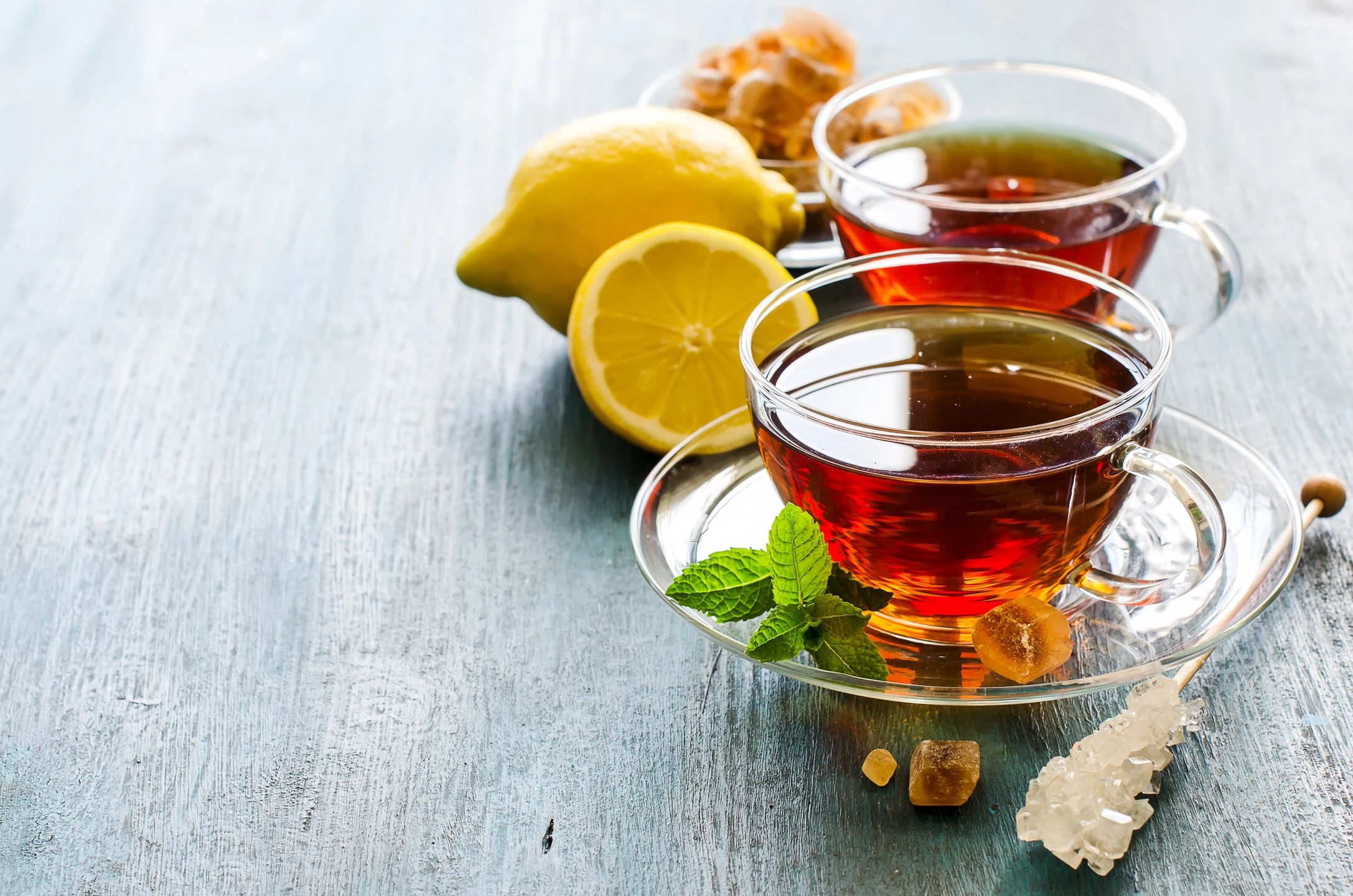
Teas have been consumed for centuries throughout the world. We have all probably heard of the potential health benefits tea may provide for our bodies. In fact, a systematic analysis of green tea polyphenols showed that 15 separate polyphenols from green tea target 200 human genes. These targets were classified into six groups according to their related disease, which included cancer, diabetes, neurodegenerative disease, cardiovascular disease, muscular disease, and inflammation. Green tea has been studied the most extensively of all of the teas. Many have come to realize the potent antioxidant capabilities that green tea offers. Of course it’s most famous polyphenol is EGCG.

What is EGCD?

EGCG, short for Epigallocatechin 3-Gallate, is the most potent of the green tea polyphenols, and has been the direct subject of the extensive research conducted on green tea. The interesting thing about EGCG is that it appears to affect a number of molecular processes, including induction of tumor cell apoptosis and inhibition of tumor growth, invasion, and angiogenesis, and research is under way to define the precise molecular processes affected. EGCG has an antioxidant activity about 25 and 100 times greater than that of vitamins E and C, respectively, and is the most potent of all the catechins.

Clinical Study: EGCG from Green Tea may decrease the risk of bladder cancer

What we do know is that arthritis affects close to 50 million people in the U.S. alone and it is expected to continue rising. We know currently the medical community focuses on NSAID’s (nonsteroidal anti-inflammatory drugs), and immunosuppressant’s such as Enbrel, to target RA and OA. What we also know is that EGCG from green tea has been studied extensively in terms of regulating the expression of cytokines, chemokines, reactive oxygen species, COX2 and prostaglandins. Hence, the inflammatory mediators in the body.

Inflammation

One of the most unique functions of EGCG in the body is that multiple studies have proven that EGCG is highly effective at “turning off” the HMGB1 switch that induces chronic inflammation. HMGB1 stands for “High Mobility Group Box-1”. HMGB1 turns on the release of chemical signals called cytokines that generate inflammation in your body. It releases inflammatory cytokines during an acute inflammatory response which is great. The problem is if and when there is cellular damage the HMGB1 will leak out of the cell and cause chronic inflammation, which is not a good thing at all. What we know is that HMGB1 is now looked at as one of the most powerful agents in accelerated aging or INFLAMMAGING.

Read more: Chronic Inflammation: The Slow Burn of Disease by Nicole Crane, BS, NTP

Elevated HMGB1 levels have now been found to be associated with many acute and chronic inflammation-related disorders, including: asthma, COPD, heart disease, diabetes, cancer, autoimmune diseases, neurodegenerative disorders, and inflammatory bowel disorders.  Two very recent studies from the Department of Emergency Medicine, North Shore University Hospital on Long Island, New York; University School of Medicine, New York; and the Feinstein Institute for Medical Research, Manhasset, New York, looked at the therapeutic role of targeting HMGB1 in sepsis. Sepsis and severe sepsis are leading causes of death in the United States and the most common cause of death among critically ill patients in non-coronary intensive care units. Sepsis occurs at an estimated rate of 300 cases per every 100,000 patients in the United States. It is remarkable that researchers are now looking outside of the box to find alternative therapies to target sepsis.

This is very exciting information as well as a breakthrough in scientific findings regarding EGCG from green tea and its profound benefits on our health. As we are becoming ever more aware of the direct connection between accelerated aging and chronic inflammation. We need to be cognizant of the nutrients available to us that help to keep us away from the pro- inflammatory state that drives up the likelihood of chronic disease.

For a full list of references, click here!

Read more about the uses and benefits of Green Tea Antioxidants by Jerry Hickey, R. Ph by clicking here!

INVITE® HEALTH CURRENT SALE

Expert Discussion: Collagen by Jerry Hickey, R.Ph

Expert Discussion: Collagen by Jerry Hickey, R.Ph

Jerry Hickey is a pharmacist and radio personality and fills the esteemed role of Scientific Director and President of Invite Health. He has spent his professional life analyzing nutritional information and medical studies with the aim of creating the highest quality and most natural nutraceuticals 

Which Vitamins and Nutrients are Best for Your Aging Body

Which Vitamins and Nutrients are Best for Your Aging Body

Written by Dr. Claire Arcidiacono, ND As we age, the need to keep up with the constant changes in our bodies can prove to be difficult. The aging process gives way to deficiencies as our bodies become less able to process many vitamins and nutrients. 

Important Anti-Aging Nutrients For All Ages

Important Anti-Aging Nutrients For All Ages

[sgmb id=”1″]

While it is true that your body needs different vitamins and nutrients as you age, it is also true that your body needs essential vitamins and nutrients no matter if you are 25 or 65. As you get older and find gray hairs or wrinkles that weren’t there last week, it’s common to run to the nearest drug store or hair salon to cover up or “fix” your problem. But when it comes to taking vitamins and nutrients, there are some that may help from the inside first, no matter your age or the amount of gray hairs you find.

Dermatologist Judith Hellman, MD, explains, “Certain nutrients are proven to increase telomere length – the little caps on the end of DNA strands that correlate to aging.” Basically, as we age, these “little caps” begin to shorten and it becomes more difficult for DNA to regenerate like it did in the past, causing cells to breakdown, also known as aging. Hellman also explains that your telomere length serves as a marker for your lifespan: The shorter the telomeres get, the less time you have left. But she also explains that certain nutrients and antioxidants can help to counteract these aging processes.

Vitamin A, C & D

According to the Harvard T.H. Chan School of Public Health, Vitamin A, “stimulates the production and activity of white blood cells, takes part in remodeling bone, helps maintain the health of endothelial cells (those lining the body’s interior surfaces), and regulates cell growth and division.”

Vitamin C is one of the most exhaustively studied of all vitamins, and there is a promising amount of clinical research to support the fact that Vitamin C is highly beneficial for a variety of body functions. These include its powerful antioxidant protection, its role in the formation of collagen and wound healing, and its ability to protect the body from damaging free radicals. It is also a very effective nutrient for maintaining a healthy immune system. Vitamin C mediates the inflammatory pathways throughout your body, fighting various sources of inflammation and increasing overall immunity.[1]

Vitamin D has become one of the most highly recommended dietary supplements over the last few years by healthcare professionals. Vitamin D is not technically an essential vitamin, since the body naturally synthesizes the “sunshine vitamin” through a chemical reaction between the sun’s UV rays and the cholesterol on your skin. Nevertheless, it has been estimated that approximately 70% of North Americans have Vitamin D deficiencies. This is due to a combination of factors: low levels of sunlight for most of the year, obesity, sun avoidance, and low consumption of foods high in Vitamin D such as fatty fish (salmon, tuna, sardines). Inadequate Vitamin D in the body often leads to conditions such as rickets and osteomalacia, which bring on symptoms like bone and muscle pain, enlarged joints, and easily fractured bones. Given the high prevalence of Vitamin D deficiency, this could be the most essential of all the conditionally essential vitamins.[2]

Click here to read more studies on this important vitamins!

Omega-3 Fatty Acids

Director of Nutrition of InVite Health’s Boca Raton location, Nicole Crane, BS, NTP, has said that fish and other omega-3s are considered to be the best source of fat and, while most people don’t get nearly enough omega-3 fats in their diet, they give you a huge advantage in protecting your heart and the rest of your body. “Two essential fatty acids, EPA and DHA, support cardiovascular wellness in several fundamental ways, and the research shows how protective they are. Managing inflammation is vital for wellness and disease prevention. Further, the body uses EPA and DHA as the building blocks for eyes, nerves, the brain, the skin and many types of cells, as well as many body systems. EPA and DHA are infinitely helpful and nourishing for the entire body.” Read more about Omega-3’s in Nicole Crane’s latest article by clicking here.

Polyphenols

Studies published in the January 2005 issue of The American Journal of Clinical Nutrition have indicated benefits of polyphenols on aging, overall brain health and the cardiovascular system –

Beneficial Effects of Fruit Polyphenols on Aging and Brain Health

“These improvements may show up as improved mobility and improved cognitive function. Our research shows that it is not just antioxidant and anti-inflammatory activities by these nutrients but also improved cell signaling (communication between cells that insures the development of normal-healthy cells) and improved neuronal communication.”

Polyphenols and Cardiovascular Protection

“Epidemiological studies suggest that higher intake of polyphenols from fruit and vegetables is associated with a decreased risk of cardiovascular disease. Polyphenols improve the surface function of blood vessel walls and help regulate platelets decreasing the risk of an abnormal blood clot. Improving the function of blood vessel wall cells decreases the risk of coronary artery disease. The positive effect on platelets decreases the abnormal coagulation (blood clotting) seen in acute coronary syndromes including a heart attack and unstable angina.”

Turmeric

According to Scientific Director of InVite Health, Jerry Hickey, R.Ph, “Turmeric is a wonderful herb. It is native to India and is a major constituent in curry. Turmeric is achieving success in suppressing inflammation in many wonderful human clinical trials. It is great for the digestive tract, for protecting the skin, lungs, liver and kidneys, and for healing many tissues that otherwise, causes you to suffer with needless pain when they become inflamed.”

In a recent study by researchers at the University of Texas MD Anderson Cancer Center, curcumin (which gives turmeric its “peppery flavor” and “mustardy smell”) appeared to block the growth of melanoma and also tamps down inflammation in the body.*

Magnesium

“The mineral Magnesium is best known as a counterpart to Calcium for improving bone health but that is only a small part of the Magnesium story. The National Institutes of Health lists Magnesium as being necessary for more than 300 biochemical reactions in the body. It is necessary for protein synthesis and maintaining normal muscle and nerve function, keeping the hearts rhythm steady and normal, and for energy production. Magnesium is also needed for blood glucose control (blood sugar), and blood pressure regulation,” Jerry Hickey, R.Ph explained in a radio study in November of 2013.

Resveratrol

According to another Radio Study explained by Jerry Hickey, R.Ph, “Resveratrol is a major manipulator and that’s not a bad thing because Resveratrol manipulates your genes. Resveratrol slows aging of important genes in your brain, your heart and your muscles and this is very, very good because these genes keep your brain, your heart and other organs younger and well-functioning. Resveratrol also works as a powerful cellular antioxidant putting out the flames of inflammation in a microscopic fashion. Because of this, Resveratrol has demonstrated major ability to help protect your heart, circulation, brain, kidneys, pancreas, thyroid and adrenal glands.”

CoQ10

“Coenzyme Q10 works like a spark plug igniting the ability to utilize energy. Some of the organs in your body can have a sufficient supply of Coenzyme Q10, however it stays put, so if another organ such as the brain or heart lacks the nutrient it cannot borrow any; it must have its own supply. Unfortunately the level of Coenzyme Q10 naturally declines with aging and illness in key organs including the heart, the brain, the liver and kidneys. Also, many classes of prescription drugs deplete your Coenzyme Q10 making supplementation imperative for maintaining energy and efficiency. Statin cholesterol drugs are notorious for depleting Coenzyme Q10 but so do many drugs used for treating high blood pressure, diabetes, depression, as well as other popular drug categories. By supplementing with Coenzyme Q10 you can ensure an adequate supply of this energy producing nutrient in every important organ of your body,” explains Jerry Hickey, R.Ph in an article titled, “Turn the Clock Back on your Aging Brain.

Source: http://www.prevention.com/health/anti-aging-nutrients-for-any-age

[1] http://www.invitehealth.com/buffered-vitamin-c-1000-mg/antioxidants-supplements/

[2] http://www.invitehealth.com/vitamin-d3-1000iu-90-capsules/warehouse-clearance/

InVite® Health Current Sale