
What You Need To Know About Gout – InVite Health Podcast, Episode 309
Gout is an incredibly painful form of arthritis. But what can exacerbate it and what should you be doing to better manage it?
Nutrition. Vitamins. You.
Gout is an incredibly painful form of arthritis. But what can exacerbate it and what should you be doing to better manage it?

UC-IIⓇ is really unique. It’s an undenatured type two collagen. Studies has shown that UC-IIⓇ can help ease inflammation in the body.

Invite Health Podcast, Episode hosted by Jerry Hickey. Ph
Subscribe Today!


S-Adenomethionine, or SAMe, is a naturally-occurring compound found in nearly every tissue of the body. It is commonly used for brain health, mood and liver health, as it plays a role in your serotonin activity in the brain. But several studies have shown SAMe can assist with joint discomfort, as well.
SAMe for Joint Health
SAMe seems to be able to play a role in a number of mechanisms when it comes to the knee and joint itself. Clinical reviews in the journal Food, Science and Nutrition reports that SAMe helps to regenerate joint cartilage and reduces inflammation, likely due to its antioxidant effect. This is from the Sciences University of Alberta in Canada.
The book ‘The Procedures and Clinical Practice Third Edition’ studied pain procedures in clinical practice for orthopedic doctors, rheumatologists, and other practicing MDs. This research reported that SAMe works as well as Celecoxib at the two month point for arthritis in the knee. Celecoxib is the most commonly used drug on the planet for arthritic knees. Its trade name is Celebrex. This research suggests that SAMe likely has an anti-inflammatory effect because it has been shown to reduce inflammatory chemicals within the knee, such as tumour necrosis factor. These are chemicals that can damage the cartilage of the knee, causing swelling and the degradation of joint tissue. SAMe also stimulates proteoglycan synthesis that helps maintain joint cartilage.

The problem with many joint medications are that they have some serious side effects. This can includes a raise in blood pressure and heart failure.
Support a Torn Meniscus with these Joint Health Nutrients. Learn More >>
The Agency for Healthcare Research and Quality is part of the United States Department of Health and Human Services. It is their goal, according to their website, to develop scientific information for other agencies and governmental organizations. They reviewed the research for SAMe for joint health; they performed a meta-analysis of ten human clinical trials. According to the analysis, even compared to enzytes, SAMe worked just as well. Enzates are drugs that are commonly prescribed for arthritis.
Thank you for tuning in to the Invite Health Podcast. You can find all of our episodes for free wherever you listen to podcasts or by visiting www.invitehealth.com/podcast. Make sure you subscribe and leave us a review! Follow us on Facebook, Twitter and Instagram at Invite Health today. We’ll see you next time on another episode of the Invite Health Podcast.



Uric acid is normally found in your blood and in your urine. Higher levels can cause a kidney stone, painful arthritis, kidney damage or can trigger a stroke or a heart attack.
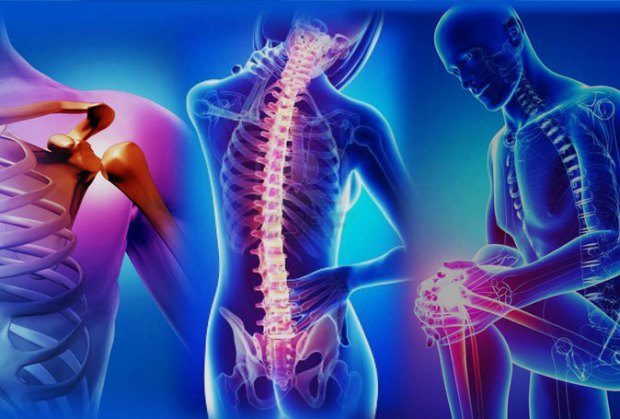
Aches in your back and joints are one thing (and are very common in older individuals) but when the aches turn into pain, you should really pay more attention. Here’s what you should be on the lookout for. First, understand that pain and tenderness are …
FEATURED IN INVITE® HEALTH’S SUMMER 2015 CATALOG

Suddenly, one morning you wake up with a stiff, swollen, and painful joint. You most likely have arthritis. In the United States, more than 50% of individuals over 60 years of age have osteoarthritis, the most common form of arthritis followed by Rheumatoid Arthritis (1). Arthritis can be defined as inflammation in the joint, and is usually coupled with degeneration of the cartilage tissue. Arthritis pain generally worsens with weight-bearing activities such as exercising, stairs, walking uphill or even walking on a flat surface. These activities are all a part of daily living; which may lead to a decrease in quality of life.1 Undenatured type II collagen is a functional, natural product that may support joint degeneration due to normal wear and tear. More Americans are switching to natural products to slow progression of cartilage degeneration and promote healing.
The framework of human joint cartilage is primarily Type II collagen. Undenatured Type II collagen (UC-II) is derived from the sternum of chickens, and sourced and manufactured in the United States, where it is now available in a once a day capsule. Type II collagen for joint support was discovered decades ago. However, the use of chicken collagen was discovered in the early 2000s by researcher Dr. Moore, who was searching for a naturally safe treatment for his daughter in her 20s, suffering from incredible joint pain. His investigation and research led to the development of the correct preparation of type II collagen from chickens that proved most effective for his daughter’s joints. It is important that the sternum cartilage is undenatured, as cooking the cartilage destroys the therapeutic effects.1 UC-II is prepared using a low-heat, non-enzymatic process. The scientific preparation of glycosylation preserves the biological activity and therapeutic benefits of UC-II and is designated as GMP-certified and GRAS (Generally Regarded as Safe).1,2
Mechanism of UC-II
Chronic, strenuous mechanical stress on chondrocytes causes breakdown of cartilage, inflammation and the release of type II collagen into the blood stream. Because type II collagen is not supposed to be in the blood stream, it is recognized as foreign and is attacked by killer T-cells. These immune cells also attack type II collagen in the joints, which can lead to further inflammation. UC-II has been shown to slow the progression of arthritis via oral tolerance, a mechanism that works with the gut-associated lymphoid tissue (GALT or immune tissue) of the small intestine. When UC-II is orally administered, it interacts with the GALT to release T-regulatory cells that dramatically slows inflammation and deactivates killer T-cells.2,3
Clinical Trials
In one study, 40mg of UC-II was compared with 1500mg of Glucosamine Chondroitin. UC-II was found to be more effective than Glucosamine Chondroitin against stiffness and pain in the knee in climbing stairs, up from sitting, walking on a flat surface and even night pain. At the end of the 90-day study, UC-II reduced stiffness and pain 40%, whereas Glucosamine Chondroitin was 15%.1 Another study looked at joint pain from strenuous exercise on healthy joints. This was the first study of its kind. These experts felt that joint pain from strenuous exercise may indicate possible future joint problems. Their hopes were that UC-II might prevent damage to joints and preserve joint health. Subjects taking UC-II were able to exercise longer before experiencing any joint discomfort, and extended the offset of joint discomfort after exercising. Studies show fewer inflammatory makers with the use of UC-II.2 7 In these human clinical trials, UC-II showed statistically significance compared to placebo and glucosamine-chondroitin at only 40mg daily. In dogs, UC-II also shows significant decline in pain, stiffness over time, with no adverse effects.4,7
Current pharmacologic strategies for joint pain and degeneration mainly address anti-inflammatory and immune suppression mechanisms, both of which have limited success. Many studies support UC-II supplementation for joints to improve overall quality of life and activities of daily living.1 It supports arthritic, healthy joints, and joints that endure strenuous activities. Joint support is now in a convenient dose of one capsule a day. Take 40mg on an empty stomach prior to bedtime.1 UC-II has undergone rigorous third-party research and testing, and is proven effective, safe, and well-tolerated with no adverse effects.4,5,6,7 Now you can plan for long walks, adventurous hiking trails, or start training for the marathon.
References: