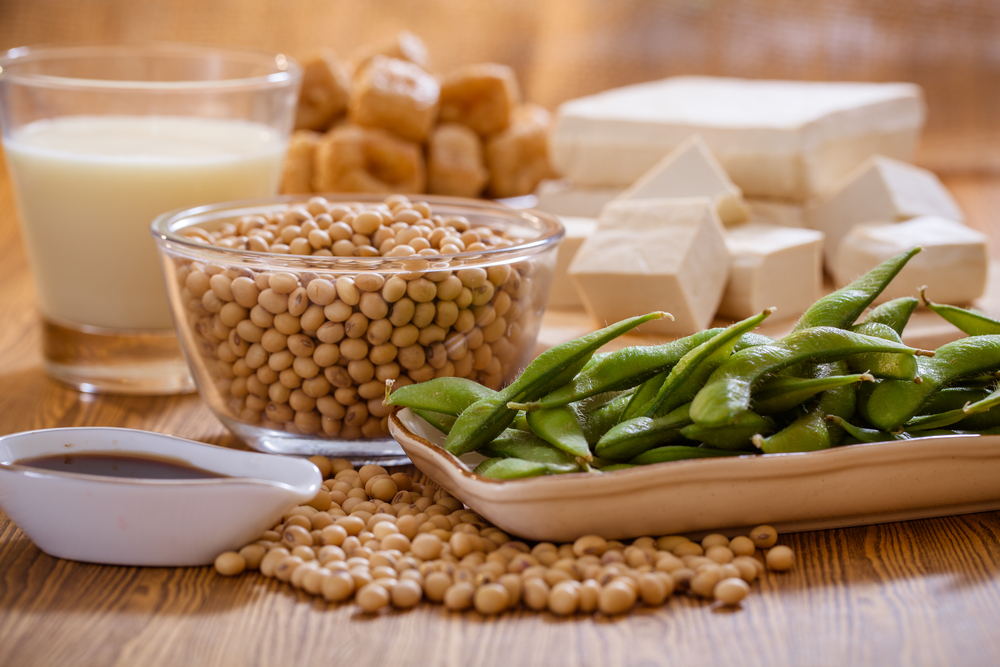
What are Soy Isoflavones? Soy Isoflavones are antioxidant and phytoestrogen plant-derived components from the soybean plant. Commonly consumed through soy-based foods like soy flours and soy proteins, soy isoflavones are also found in dietary supplements. A new study conducted by Arak University of Medical Sciences …
The Center for Disease Control (CDC) reports that insufficient sleep is associated with a number of chronic diseases and conditions that especially threaten the health of the U.S. population, as high numbers of the population suffer from diabetes, cardiovascular disease, obesity, and depression. A new …
Resveratrol is a phytoalexin, a natural substance that is released by plants to protect them from fungus and other microbes, from extreme temperatures and excessive dampness or drought. It is found in small amounts in the following foods: the skin of the red grapes, red wine, peanuts, and in Polygonum cuspidatum (a large perennial plant).
Resveratrol is a major manipulator and that’s not a bad thing because it manipulates your genes; it slows aging of important genes in your brain, your heart and your muscles that keep your brain, heart and other organs younger and well-functioning. Resveratrol also works as a powerful cellular antioxidant, putting out the flames of inflammation in a microscopic fashion. Because of this, it has demonstrated major ability to help protect your heart, circulation, brain, kidneys, pancreas, thyroid and adrenal glands. Resveratrol also demonstrates the ability to help reduce dangerous cellular changes and mutations in a woman’s breasts and in a man’s prostate gland.
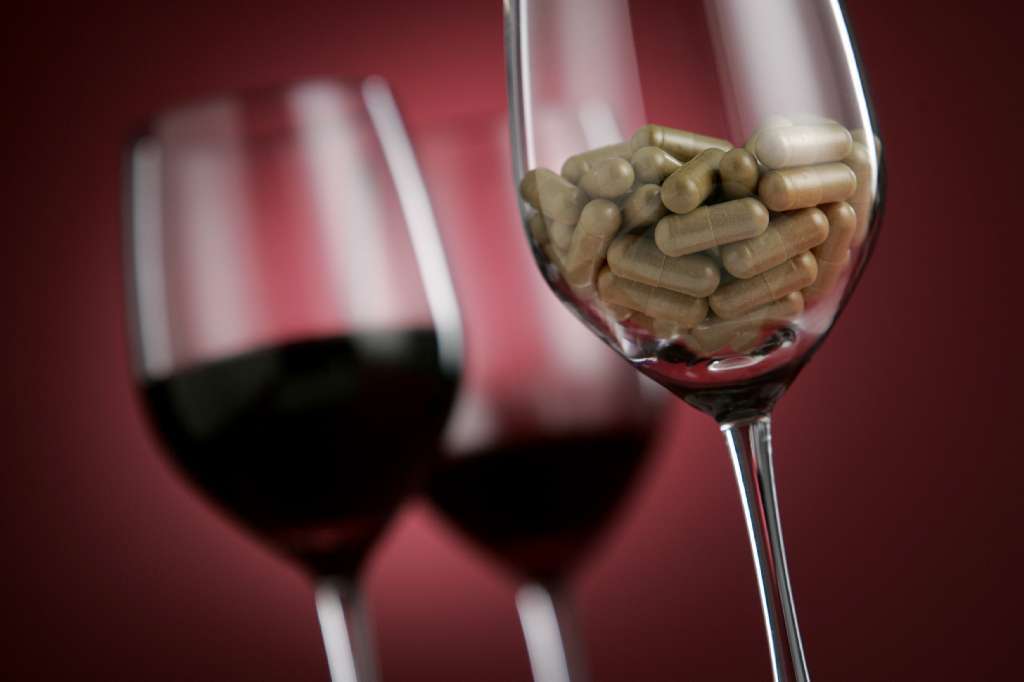
Red wine has known benefits, mainly due to its antioxidant content. But the calories in red wine do not have to be metabolized and are directly stored as belly fat. Additionally, alcohol is corrosive in the stomach and toxic to the liver. With Resveratrol, you are getting the major health benefits of red wine without the calories and alcohol.
Image: LATimes.com
By being small enough to penetrate almost any cell in the body, Resveratrol is able to activate many latent genes that aid in our survival and potentially extend the life of our cells. Additionally, Resveratrol utilizes a process called gene silencing that remarkably switches off genes involved in the initiation and progression of disease.
Quickly supports circulation, connectivity, and cognitive functions in the brains of adult diabetics
Inadequate blood flow inside the brains of diabetics (poor cerebral perfusion) contributes to cognitive impairment. In this randomized, controlled trial diabetic adults were administered various dosages of Resveratrol or a placebo once a week until they were administered every dosage. The researchers from Australia’s University of Newcastle School of Biomedical Sciences and Pharmacy gave each patient 0mg (placebo), 75mg, 150mg, and 300mg Resveratrol in random order. Compared to placebo, 75mg significantly improved perfusion of the brain with blood, and consequently neurovascular coupling improved with increasing potencies of Resveratrol. It enhanced performance on a battery of cognitive function tests. Neurovascular coupling is the relationship of local brain activity and it’s improvement is seen with improved perfusion of blood. The study is published in the July 12th, 2016 issue of the journal Nutrients.
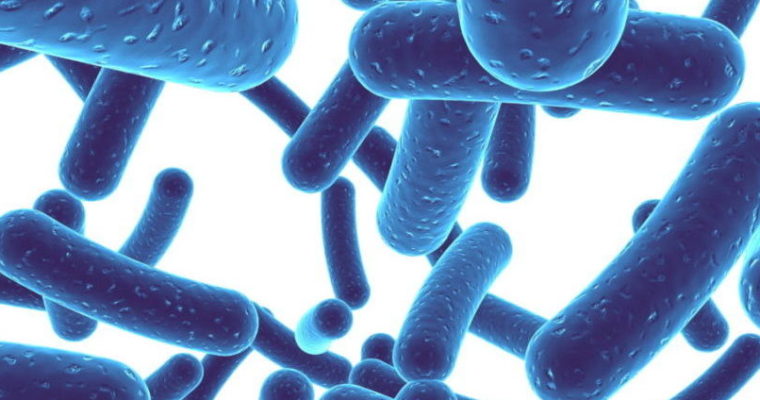
New Study: Lactobacilli Bacteria May Help Protect Breast Tissue Recent research from Spain indicates that over 700 different bacterial species live in the milk ducts of a woman’s breasts. The bacteria living in us and on us are referred to as the microbiome; there are …
A majority of individuals are always looking for the next big weight loss fad. But what would you say to a new obesity treatment device that uses a surgically-placed tube to drain some of what you consumed after every meal? Well, the FDA says it’s …
According to Jun Wang, MS, Nutritional Consultant at InVite Health’s Forest Hills and Bronx store locations, “Osteoporosis is a health condition where your bones are weak and brittle. Health risks of osteoporosis may include an increase of fractures of the hip, wrist and spine. Generally speaking, osteoporosis is bone loss and, every day since the day we are born, our bones are becoming weaker and weaker. Before our thirties, the breakdown of “old” bones are slower than the production of “new” bones, so the skeleton grows in both size and strength. After that point, bone density slowly declines in both men and women. Women after menopause are at the highest risk, while millions of American men are also suffering from osteoporosis.”
image source: http://www.wellbeinghi.com/
Researchers have developed an index one of the study’s authors, Albert Shieh, MD from the University of California says tests the blood or urine for proteins that reflect “either bone breakdown or bone formation along. Since both bone breakdown and bone formation occur at the same time in the body, we created an index that accounts for both processes, and tested whether this new index can help predict bone loss.”
The Study
This new index is called the Bone Balance Index. According to a new study published in the Endocrine Society’s Journal of Clinical Endocrinology & Metabolism, researchers used data from 685 women between the ages of 42 and 53 as they went through menopause, as women are prone to bone loss during the menopausal transition. Urine and blood samples were taken from the women to measure proteins that reflect bone breakdown and bone formation called bone turnover markers. These markers helped to determine each participants bone balance before their final menstrual period.
Shieh reported, “This novel approach to assessing an individual’s bone health may help identify which women are at risk of losing vertebral bone mineral density across the menopause transition.”