Recent Posts

Neem Oil: The Underrated Ingredient in Your Beauty Products

Neem Oil: The Underrated Ingredient in Your Beauty Products

Photo by Tiara Leitzman on Unsplash Neem oil is extracted from the seeds of the neem tree, which has been used since ancient times from everything from a medicinal treatment to dry skin. Here’s why it is such an important ingredient that packs numerous benefits …

All About Cognition: Superior Nutrients For Your Brain Health Needs

All About Cognition: Superior Nutrients For Your Brain Health Needs

Photo by Alina Grubnyak on Unsplash Cognition is a mental action that allows the acquiring of knowledge and understanding. These actions include reasoning, attention, memory and processing. As we age, cognitive decline can settle in, causing impairment, especially in those 65 years old and older. …

Happy National Women’s Health & Fitness Day

Happy National Women’s Health & Fitness Day

Photo by Bruce Mars on Unsplash

In honor of National Women’s Health & Fitness Day, we bring you the benefits of specific nutrients for women’s health, including essential nutrients needed for fitness. It’s so important that women are getting the essential nutrients to make sure they are keeping their body healthy as they look into fitness.  If you are taking fitness more seriously, make sure to take the correct nutrients too.

What vitamins and minerals are women deficient in?

If there’s one thing women need, it’s to be healthy. Women are continuously on-the-go. That means their energy levels need to keep up. But what happens when you’re exercising regularly and eating the right foods, but still seem to lack energy? A women’s multivitamin mineral formula could be what you need to help you boost your energy levels and combat nutrient depletions.

Nutrient depletion’s occur when your body is not receiving the correct amount of vitamins, minerals, amino acids, fatty acids and other nutrients. This can be caused by numerous factors, such as an unhealthy diet, prescriptions drugs and medications, and free radical damage.

View InVite®’s Drug-Induced Nutrient Depletion Chart for more information!

“We live in an increasingly polluted environment, loaded with toxins; the soil we grow our food in is often nutrient-depleted and many consume processed, factory-made foods supplying scant nutrients. Ironically, our bodies wind up requiring even more vitamins and minerals to effectively metabolize nutrient-depleted foods. Add that depletion with less time spent outdoors, minimal exercise, prescription drugs and medications, and chronic stress, and the result is that many individuals are truly nutritionally deficient,” reports Archana Gogna, MS, CNS, MBA, Director of Nutrition for InVite® Health. For these reasons, healthcare professionals are advising their patients to start taking a safe, reliably-made, high-quality multivitamin mineral formula on a daily basis to fill the nutritional deficits in their diet.

According to a recent USDA survey 37% of Americans do not get enough Vitamin C, 70% do not get enough Vitamin E, nearly 75% do not get enough Zinc, and 40% do not get enough Iron. But not just any commercially available nutritional supplement product will meet these needs!

What do women need?

Women need a series of B-complex vitamins, which support healthy cell growth, help to maintain skin and muscle tone, and support metabolism, immune and nervous system functions. Ubiquinol CoQ10, or Coenzyme Q10, is an important energy-releasing nutrient that allows calories from food to be absorbed and utilized as energy. Tocotrienols, or Pine Bark Extract, are powerful protectors for artery walls, the heart, liver and for sexual organs. It acts as a cellular protector against free radicals.

Trouble Understanding Or Balancing Your Hormones? Read More >>

Scientific Director and Pharmacist, Jerry Hickey, understands that women need different vitamins and minerals. Because of this nutritional need, he has developed a superior Women’s Multivitamin that provides all of the necessary vitamins and minerals, with a superior twist – four ingredients that naturally support women’s health – Iron Bisglycinate to support energy and endurance, Type I Collagen for the maintenance of skin, nails and hair, Purple Corn Flower to support brain, eye and breast health and metabolism and DIM, or Diindolylmethane, that helps support breast and cervical health.*

Questions about women’s health and fitness? Speak with a certified nutritionists by leaving a comment below!

INVITE® HEALTH CURRENT SALE

CDC Report: 7 States Have Obesity Levels At Or Above 35%

CDC Report: 7 States Have Obesity Levels At Or Above 35%

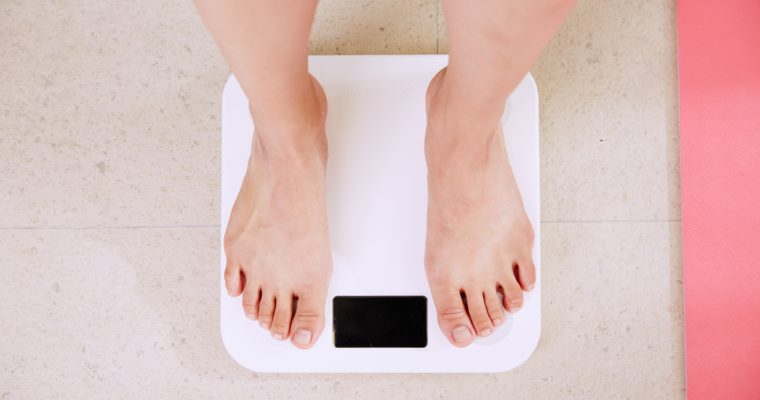
Photo by I Yunmai on Unsplash In a statement released by the CDC (Center for Disease Control and Prevention) on Wednesday, September 12, 2018, new data on self-reported adult obesity prevalence for all 50 states for 2017 were reported. This data comes from the Behavioral …

Could A Magnesium Deficiency Be To Blame For Your Sleeping Problems?

Could A Magnesium Deficiency Be To Blame For Your Sleeping Problems?

Photo by Zohre Nemati on Unsplash If you’ve done everything to try to get or stay asleep (from ditching the electronics, to taking melatonin or trying to exercise to tire your body out), we’ve got news for you! You may be deficient in Magnesium. What …

New Study: Dietary Fiber Reduces Brain Inflammation

New Study: Dietary Fiber Reduces Brain Inflammation

Photo by Polina Rytova on Unsplash

According to a new study performed by the University of Illinois of Agricultural, Consumer and Environmental Sciences, there may be a remedy to delay memory and brain issues as we age – dietary fiber.

The study reports, “As mammals age, immune cells in the brain (known as microglia) become chronically inflamed. In this state, they produce chemicals known to impair cognitive and motor functions. That’s one explanation for why memory fades and other brain functions decline during old age.”

The Link Between Your Gut and Your Brain

Dietary fiber promotes the growth of good bacteria in the gut. When the bacteria digest the fiber, they produce short-chain-fatty-acids (SCFAs). One of the most important SCFAs is Butyrate, which has been shown to have anti-inflammatory properties on microglia and improve memory in mice, according to a study entitled, Frontiers in Immunology.

Researchers report that butyrate derived from dietary fiber should have the same benefits in the brain as the drug form, but it has never been tested before.

The Study: Dietary Fiber and Memory

The researchers fed low- and high-fiber diets to groups of young and old mice,  then measured the levels of butyrate and other SCFAs in the blood, as well as inflammatory chemicals in the intestine.

“The high-fiber diet elevated butyrate and other SCFAs in  the blood, both for young and old mice. But only the old mice showed intestinal inflammation on the low-fiber diet. It’s interesting that young adults didn’t have that inflammatory response on the same diet. It clearly highlights the vulnerability of being old.”

When the old mice consumed the high-fiber diet, their intestinal inflammation was reduced dramatically, showing no difference between the age groups. Researchers then turned to examining signs of inflammation in the brain – 50 unique gene in microglia. They concluded that the high-fiber diet reduced that inflammatory profile in ages animals.

Johnson concludes, “dietary fiber can really manipulate the inflammatory environment in the gut.”

Adding Fiber to Your Diet

Dietary fiber is material from plant cells that cannot be broken down by enzymes in the digestive tract. It is important for the health of the digestive system and in lowering cholesterol. There are two types of fiber – water-soluble and water insoluble.

Soluble fibers absorb water during digestion, increase stool bulk and may decrease blood cholesterol levels. Soluble fiber can be found in fruits (like apples and oranges), vegetables, legumes and oats.

In-soluble fibers remain unchanged during digestion, promoting normal movement of intestinal contents. It can be found in fruits with edible peels and seeds, whole grain products (wheat bread and pasta), cereals and brown rice.

Dietary Fiber

According to The American Heart Association, total dietary fiber should be 25 to 30 grams a day from foo. Currently, dietary fiber intakes among adults in the U.S. average about 15 grams a day  – 10 grams below the current recommended intake.

If you are having a difficult time with your intake of dietary fiber, your doctor or a certified nutritionist may recommend fiber supplements. The three most studied and beneficial fiber supplements contain –

Inulin is a type of prebiotic fiber, non-digestible carbohydrates that act as food for probiotics. They play a major role in how you absorb nutrients and produce hormones. You can find Inulin in high-quality fiber supplements, however you’ll want to make sure it is a non-gmo, organic inulin, made following cGMP (current Good Manufacturing Practices).

Methylcellulose, is a common soluble fiber made from cellulose that is non-fermentable, meaning it is less likely to contribute to bloating and gas.

Psyllium contains 70% soluble fiber, which can help increase fullness and slow digestion. It also contains some insoluble fiber, so it passes through the gut easier, helping to keep you regular.

Questions about dietary fiber? Leave us a comment below to discuss.

INVITE® HEALTH CURRENT SALE