Recent Posts

Millions at Risk of Nutrient Deficiencies as CO2 Levels Climb

Millions at Risk of Nutrient Deficiencies as CO2 Levels Climb

Photo by Allef Vinicius (ig: @seteales) on Unsplash According to a new study performed by Harvard T.H. Chan School of Public Health, rising levels of carbon dioxide (CO2) from human activity are making staple crops – such as rice and wheat – less nutritious and …

Could Poor Oral Health Harm Your Lungs?

Could Poor Oral Health Harm Your Lungs?

In a new study carried out by a team of Japanese-based scientists and published in the journal mSphere, the scientists examined the effects of poor dental hygiene on the respiratory health of elderly Japanese people. The results shed light on the importance of tongue microbiota …

Could Being A “Night Owl” Lead to Weight Gain?

Could Being A “Night Owl” Lead to Weight Gain?

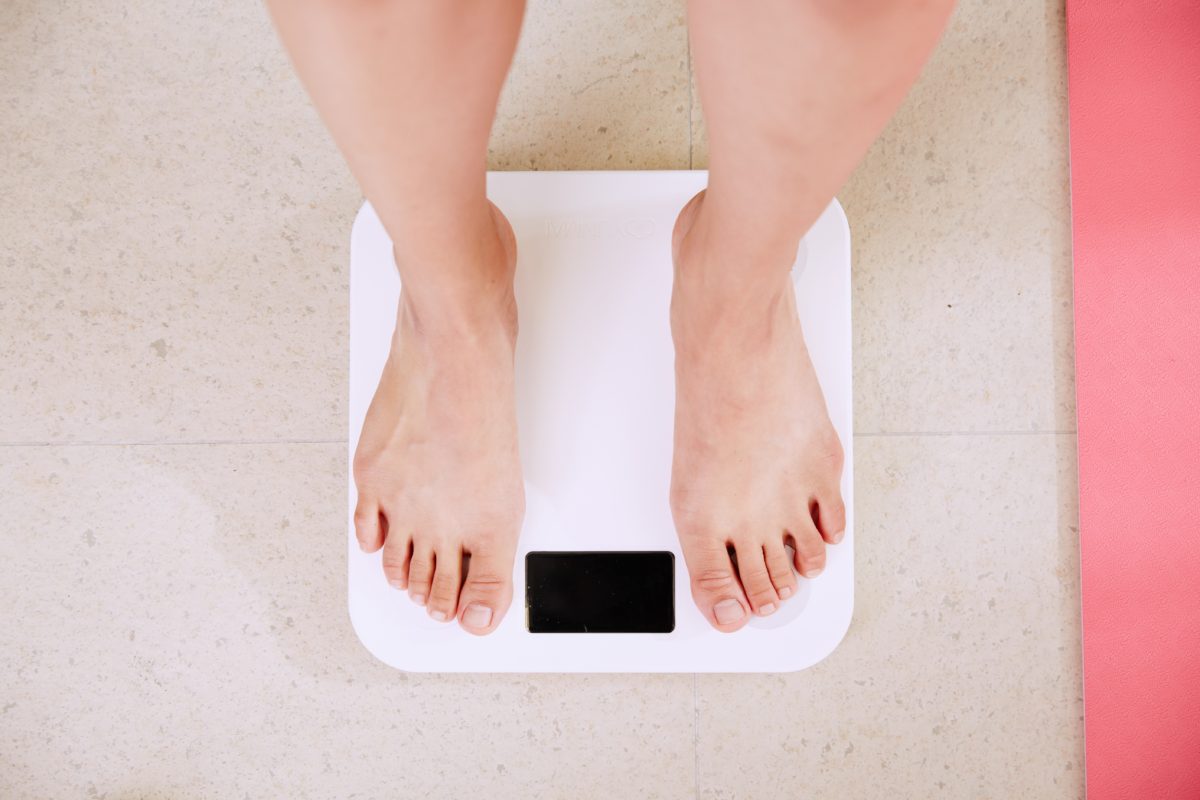
Photo by I Yunmai on Unsplash

A new paper, published in the journal Frontiers in Endocrinology by researchers from the University of Illinois at Chicago and Mahidol University in Thailand, set out to explore whether being a “night owl” (which includes evening activities or going to bed late) could be associated with higher body max index (BMI).

Participants of the study included 2,133 individuals with prediabetes who were 64 years old, on average. Using a questionnaire, the scientists assessed the participants “eveningness” and “morningness” – going to bed late or waking up early, respectively. The scientists also assessed the difference in sleep timing and duration between weekdays and weekends in the participants, called “social jetlag”.

Higher levels of “social jetlag” were found to correlate with a higher BMI. In people older than 60, “eveningness” was associated with a higher BMI, as well. But this was only show in individuals that did not have enough sleep, not in those with “social jetlag”.

Understanding Prediabetes

According to the Centers for Disease Control and Prevention (CDC), prediabetes is a serious health condition where blood sugar levels are higher than normal, but not high enough yet to be diagnosed as type 2 diabetes. “If you have prediabetes, the cells in your body don’t respond normally to insulin,” reports the CDC. Approximately 84 million American adults – more than 1 out of 3 – have prediabetes. Of those, 90% do not know they have it.

Prediabetes can put you at an increased risk of developing type 2 diabetes, heart disease, and other serious health problems. Here are some signs and symptoms to look out for (CDC)-

  • Being overweight
  • Being 45 years or older
  • Having a immediate family member with type 2 diabetes
  • Being physically active less than three times a week

If you feel you are at risk, visit your doctor for a simple blood sugar test.

Healthy Tips from our Scientific Director, Jerry Hickey, R.Ph

Having trouble losing or maintaining your weight?

“Research shows that taking a protein supplement after a meal helps you feel satiated. This curbing of your appetite decreases craving for food. Imparting a feeling of satiation improves the success of any diet plan. Additionally, staying on a post-meal protein supplement has been shown to help dieters keep the weight off successfully months after dieting is over and in fact they often continue to lose some additional weight.”†

“Your choice of protein can offer additional benefits. Choosing a New Zealand source milk protein isolate or high-quality whey protein may be the best choice if you need to improve the building of bone. These two proteins also supply the ingredients used by your body to create an incredibly protective antioxidant known as glutathione which benefits the entire body. Glutathione is involved with organ protection, detoxification, and immune system health. Choosing a non-genetically modified soybean-derived protein also improves satiety, protects bone health, and may help lower your cholesterol modestly.”†

“CLA (conjugated linoleic acid), dervived from safflower oil, has been using in numerous clinical studies and has been shown to help reduce body fat by decreasing the amount of fat your body stores on your waistline and thighs.”†

Read the full study here: https://www.frontiersin.org/articles/10.3389/fendo.2018.00435/full 

Questions about Weight Loss or Prediabetes? Are you a “night owl”? Send us your questions and comment below to discuss!


INVITE® HEALTH CURRENT SALE

Coming Soon! The TruebyInVite® Collection

Coming Soon! The TruebyInVite® Collection

TRUEbyInVite® is a refreshing collection, created with you in mind. Our mission is simple: we believe the products you use should be raw, powerful and packed with the nutrients your body needs to keep you moving. true wellness comes naturally. You don’t have time to …

Protect Your Eyes from Digital Strain with These Vision Nutrients

Protect Your Eyes from Digital Strain with These Vision Nutrients

Photo by John Schnobrich on Unsplash Written by Luke Kornblatt In the age of modern technology, it has become almost impossible to avoid the constant exposure to the screens of electronic devices. Whether it be from a cell phone, a tablet, a computer, or a …

Midday Slump Hitting You Hard? Drink Water to Stay Hydrated!

Midday Slump Hitting You Hard? Drink Water to Stay Hydrated!

Photo by Chris Ralston on Unsplash

It’s 2:30pm and you feel your eyes closing. You have no energy to listen to your professor or continue working on that major assignment due to your boss at the end of the day. Your first reaction may be to reach for some caffeine, but what if we told you that getting that midday energy boost may be as simple as staying hydrated with water?

According to a recent survey by Quench Water, almost 80% of working Americans say they don’t drink enough water. Brad Thomas, MD, explains, “When you think about it, the brain is 85% water, so even the slightest amount of dehydration can change one’s mental performance.”

Here’s why drinking water is so important

Water Helps to Maximize Physical Performance

According to a study published in the journal Sports Medicine, losing as little as 2% of your body’s water content can significantly impair physical performance. Researchers noted, “A critical review of the available literature suggests hypohydration limits strength, power and high intensity endurance and, therefore, is an important factor to consider when attempting to maximize muscular performance in athletic, military and industrial settings.”

Hydration Can Effect Energy Levels and Brain Function

Studies show that even mild dehydration (1-3% of body weight) can impair many aspects of brain function. In a study performed by the University of Connecticut‘s Human Performance Laboratory which focused on young women, fluid loss of 1.36% after exercise impaired both mood and concentration, and increased the frequency of headaches.

In a separate study performed by the Texas Health Presbyterian Hospital‘s Institute for Exercise and Environmental Medicine (which focused on young men), fluid loss of 1.59% was detrimental to working memory and increased feelings of anxiety and fatigue.

Staying Hydrated can Help Relieve Headaches

Researchers from the National Hospital for Neurology and Neurosurgery in London have concluded that water-deprivation headache is common. In their small study of 34 subjects, total relief was felt within 30 minutes of drinking water in 22 of the subjects. Eleven of the subjects found relief within 1 to 3 hours.

Hydration May Benefit Weight Loss

In a small German study preformed by researchers at Humboldt University, drinking 500ml of water was shown to increase metabolic rate (metabolism) by 30%. The increase occurred within 10 minutes and reached a maximum after 30-40 minutes.

In another study, dieters who drank half a liter of water before meals lost 44% more weight over a period of 12 weeks.

What do you think about these studies? Have you seen any major health benefit to drinking water throughout the day? Leave us a comment below to discuss.

INVITE® HEALTH CURRENT SALE