Recent Posts

Vitamin K: A Powerhouse Nutrient by Nicole Crane, B.S., NTP

Vitamin K: A Powerhouse Nutrient by Nicole Crane, B.S., NTP

Imagine stopping to smell a fragrant red rose and pricking your finger on a hidden thorn. Just a minor puncture, but your body goes to work immediately to stop the bleeding and quickly seal the wound. One of the major nutrients at work is Vitamin K, discovered …

Free Nutritional Consultation in Brooklyn, NY with Jerry Hickey, R.Ph

Free Nutritional Consultation in Brooklyn, NY with Jerry Hickey, R.Ph

Meet Jerry Hickey, R.Ph, InVite® Health’s Scientific Director and Pharmacist in Fort Greene, Brooklyn on Thursday, March 23, 2017 for a free nutritional consultation in-store! Jerry Hickey, R.Ph is taking his expertise into a store near you! Come meet the Scientific Director and popular radio …

New Study Links Soy to Reduction in Breast Cancer Deaths

New Study Links Soy to Reduction in Breast Cancer Deaths

Soy’s reputation is not the best; there are numerous controversies surrounding this protein-containing portion of the soy bean. But medical professionals all over the world are striking back. Many strongly disagree with its negative reputation and put the blame on the overuse of highly-processed government subsidized soy, AKA Genetically Modified. A new study is backing the medical professional’s positive outlook, reporting that it may be tied to a reduced breast cancer death risk.

What is Soy?

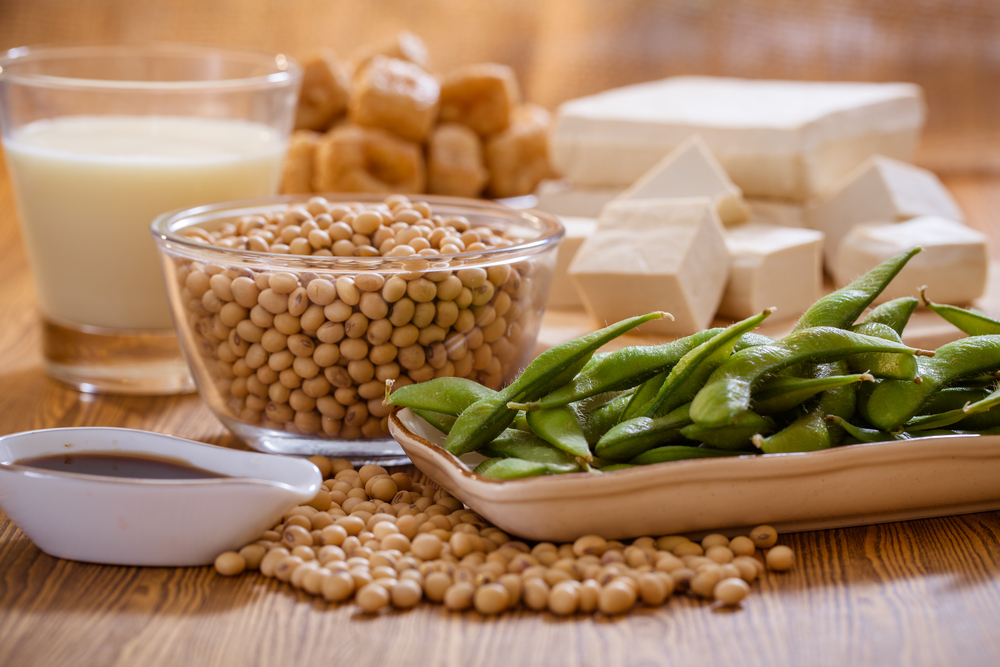
It is a plant that is part of the pea family common in Asian diets and present in foods and food ingredients in Western Diets. Soy protein is the protein-containing portion of the soybean. Whole, non-GMO soy products contain protein, fiber and carbohydrates, which makes this type of protein a healthy choice, especially for individuals who do not consume enough protein through their diet (mostly from meats).

According to Amanda Williams, MPH, Director of Nutrition at InVite® Health’s Boca retail location, here’s where soy gets its bad name – “Soy protein can be extracted and processed in a variety of different ways. Cheap, genetically modified versions are used as fillers in food products such as salad dressings, cereals, breads, cheeses, and pet foods. Like so many things in the nutrition world, misinformation and lack of scientific evidence can run the headlines and lead to unwarranted fears.”

The Role of Soy Protein to Reduce Cholesterol Levels

Soy Isoflavones

Soy Isoflavones are antioxidant and phytoestrogen compounds derived from the soy bean. Phytoestrogens are natural chemicals found in certain plants that mimic the actions of the hormone, estrogen. Estrogen is a natural hormone found in both men and women, but women need more estrogen to maintain normal bodily functions like menstruation. Soy isoflavones work to support a variety of cellular functions, including protein synthesis and growth factor actions.

Amanda Williams further reports, “We know that soy contains powerful antioxidants and we know the importance that antioxidants play in combating free radical damage to our cells. Diets rich in isoflavones have been shown to support healthy cardiovascular systems by releasing Nitric Oxide, to keep good, healthy blood flow throughout our blood vessels. These isoflavones are an excellent source of magnesium. It’s low glycemic index, makes soy an idea food for anyone concerned with blood sugar control, which should include everyone!”

The Breast Cancer Study

Research published earlier this month in the online journal Cancer, says that soy foods are not detrimental to (and may even be beneficial for) women with breast cancer. Investigators looked at the relationship between dietary intake of isoflavones and all-cause mortality in a multi-ethnic cohort of 6,235 US and Australian women with breast cancer. Data was collected from the women regarding their dietary intake within 5 years of their enrollment (before and after) in the Breast Cancer Family Registry.

Soy foods may protect Old Women from Hip Fractures

After a median follow-up of 9.4 years, 1,224 deaths were documented. The women with the highest intake of dietary soy isoflavones had a 21% decrease in all-cause mortality compared to women in the lowest quartile. Dr. Zhang, MD, PhD from the Friedman School of Nutrition and Science and Policy at Tufts University in Boston reports, “Based on our results, we do not see a detrimental effect of soy food intake among women who were treated with endocrine therapy. For women with hormone receptor-negative breast cancer, soy food products may potentially have a positive effect.” Omer Kucuk, MD, from the Winship Cancer Institite of Emory University in Atlanta, Georgia (not included in the study but excited about its results) added, “We now have evidence that soy foods not only prevent breast cancer but also benefit women who have breast cancer. Therefore, we can recommended women to consume soy foods because of its many health benefits.”

What Products to Look for

According to Amanda Williams, choose an organic, non-GMO soy product to reap the benefits that soy has to offer. If you are looking to increase your intake by adding certain foods to your diet, here’s what you should look to include –

  • Edamame
  • Miso
  • Soy milk
  • Soy nuts
  • Tofu
  • Whole soy beans
  • Soy protein

What do you think about this new study? Leave your feedback in the comments!

INVITE® HEALTH CURRENT SALE

Enter for your Chance to Win a $50 InVite® Health Gift Card

Enter for your Chance to Win a $50 InVite® Health Gift Card

ENTER FOR YOUR CHANCE TO WIN A $50 INVITE HEALTH GIFT CARD Enter to win a $50 InVite® Health Gift Card! Visit InVite® Health on Facebook to enter for your chance to win! Simply enter your email address and click “I’m Ready to Win!” to …

Could Your Diet Restrictions Be Creating A Nutritional Gap?

Could Your Diet Restrictions Be Creating A Nutritional Gap?

With summer quickly approaching, it is common to see more individuals than usual hitting the gym and trying their best to maintain their diets. Diets such as a low-carb diet or vegetarian diet can really help you to remove toxic and damaging foods from your …

Hair Spotlight: What You Need to Know About Alopecia Areata

Hair Spotlight: What You Need to Know About Alopecia Areata

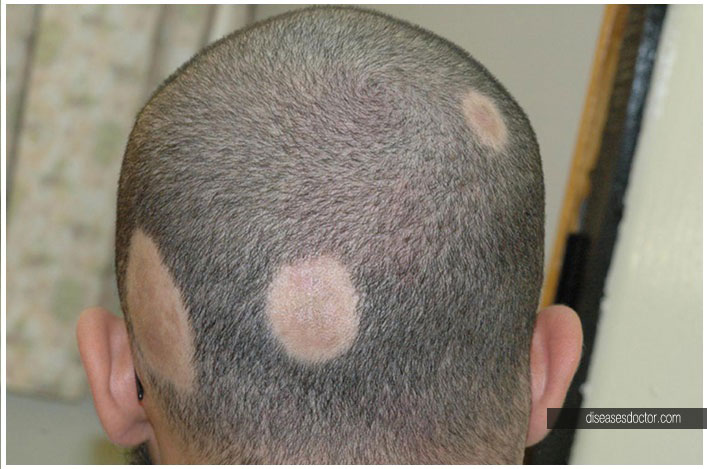
According to the American Academy of Dermatology (AAD), Alopecia Areata is a medical condition where hair falls out in round patches, predominantly on the scalp. This condition occurs because the immune system attacks the hair follicles (the structures that contain the roots of the hair), which causes hair loss.

Causes of Alopecia Areata

Alopecia is an autoimmune disease, which means that the body’s own immune system attacks the body. In this case, the body is attacking its own hair follicles. Because of this, according to the AAD, an individual diagnosed with alopecia areata may also be at a higher risk of developing other autoimmune diseases, such as thyroid disease, vitilago, asthma, and allergies.

Symptoms off Alopecia Areata

There are four types of signs and symptoms that are common for those who suffer from alopecia areata –

  • Patchy Hair Loss – 1 or more coin-sized, round bare patches where hair once was
  • “Exclamation Mark” Hairs – hair that is narrower on the bottom, like an exclamation mark
  • Widespread Hair Loss – balding at the scalp and on the body (body hair)
  • Nail Problems – Nails may have tiny dents (known as pitting), or white spots or lines

Look for hair care products that contain all-natural herbal ingredients made of plant extracts and antioxidants!

Alopecia Areata TreatmentsAlopecia Areata

A dermatologist may prescribe and suggest a few treatments for this condition. Corticosteroids are a type of medication that suppresses the immune system. Doctors inject this treatment into the places that have lost hair or it may come in the form of a cream, lotion or ointment. Other medications for hair growth include Minoxidil or Anthralin, according to the AAD, which may help to regrow hair and alter the skin’s immune function, respectively.

Certain prescription drugs and medications can cause potentially dangerous nutrient depletions in the body. Here’s what you need to know!

According to the University of Maryland Medical Center, certain nutritional supplements may provide some support for this condition.

  • Biotin and trace minerals, may promote hair growth. Biotin is found in lettuce, carrots and tomatoes but can also be consumed through dietary supplements.
  • Beta-Sitosterol and saw palmetto seem to help hair growth in men with male pattern hair loss. In one study, men who took this combination had greater hair growth than men who took a placebo.

Source: https://www.aad.org/public/diseases/hair-and-scalp-problems/alopecia-areata

Do you or someone you know suffer from Alopecia Areata? How are you currently treating your hair loss? Leave us a comment and share your story today!

INVITE® HEALTH CURRENT SALE