Recent Posts

5 Tips to Keep Your Skin Healthy this Winter

5 Tips to Keep Your Skin Healthy this Winter

The skin is the largest organ in the body and it is responsible for many functions that contribute to our health and well-being. It protects the body against physical and chemical aggressions, serves as a sensorial receptor, regulates body temperature, and supplies our cells with 

The Advantages of a cGMP & Non-GMO Verified Product Line

The Advantages of a cGMP & Non-GMO Verified Product Line

InVite® Health is upheld by a foundation of superior-quality products, state-of-the-art manufacturing, and the most cutting-edge technologies used in the health and wellness industry today. Our long-standing dedication to quality in every aspect of our business has allowed us to provide our clients with innovative, 

New Study: Omega-3s Protect Kids from Asthma

New Study: Omega-3s Protect Kids from Asthma

A new study says the risk of persistent wheeze or asthma was about 7% lower in children of mothers who received fish oil supplements during the third trimester. Here is what you need to know about the study and fish oils -The oils from fatty fish supply amazing health benefits. It’s true – fish is “brain food”. The key component in fish oil is their EPA-DHA (Omega-3) fatty acid content. Fish oils benefit every aspect of brain health, from mood regulation all the way to possible prevention of severe brain problems like stroke and dementia. They also support heart and circulation health, protect your vision, help maintain the digestive tract, and offer support for the kidneys, joints, lungs, and essentially every other tissue in your body. They improve and control immune function, support detoxification, adjust blood pressure and heart rate, and maintain lung function. In short, you cannot do without them – at least not for long.

Read ‘Fish Oil Capsules improve rheumatoid arthritis’ – Click here!

EPA and DHA

Derived from the tissues of cold-water oily fish, fish oil is the best known source of Omega-3 fatty acids, eicosapentaenoic acid (EPA) and docosahexaenoic acid (DHA). Omega-3s are considered “essential fatty acids”, as your body does not produce them. This means they are a necessary component to a basic nutrition protocol. We need to consume these on a regular basis in order to reap their vast health benefits. The problem is, despite the body’s need for them, they are generally under-consumed. Americans eat up to 50x more Omega-6 than Omega-3, whereas it’s recommend you eat a 2:1 ratio.

EPA and DHA are precursors of inflammatory mediating pathways throughout the body, and they have been studied for their nutritional support for healthy brain development and maintenance, mood regulation, improved memory and concentration, joint comfort and immunity.

The Study

Data from the Copenhagen Prospective Studies on Asthma in Childhood (COPSAC) 2010 cohort indicate that the risk of persistent wheeze or asthma was about 7% lower in children of mothers who received fish oil supplements during the third trimester, compared to those who only received olive oil. Professor Hans Bisgaard of the COPSAC stated, “These results add to the totality of scientific evidence, including, but not limited to the benefits associated with reducing the risk of early pre-term birth and improving child neurodevelopment, which underscores the importance of EPA and DHA during pregnancy. It’s clear that pregnant women need to be encouraged to increase their intake of fatty fish and omega-3 rich supplements.”

Read ‘Omega-3 Fatty Acids Keep You Biologically Younger’ – click here!

Of 736 pregnant women recruited for the study at 24 weeks gestation and randomly assigned to receive 2.4 grams of omega-3 rich fish oil or olive oil per day until one week after delivery, researchers saw a 7% reduction in the risk of wheeze and asthma in the omega-3 group.

In children of women with the lowest average blood levels of EPA and DHA, was a 16% lower risk. In addition, fish oil supplementation was associated with a 7% reduced risk of infections of the lower respiratory tract, compared to the control group.

Source: http://www.nutraingredients-usa.com/Research/Impressive-Omega-3s-during-pregnancy-may-protect-kids-from-asthma

INVITE® HEALTH CURRENT SALE

InVite®’s Winter 2017 Catalog Has Arrived!

InVite®’s Winter 2017 Catalog Has Arrived!

InVite® Health’s Catalog is intended to provide a number of important health and nutrition resources. In this new edition, you will find information on all InVite® product collections from Herbal Tinctures to Power Plant to Targeted Nutrition. Each product listed in InVite®’s catalog showcases each 

How the Immune System Functions by Jerry Hickey, R. Ph

How the Immune System Functions by Jerry Hickey, R. Ph

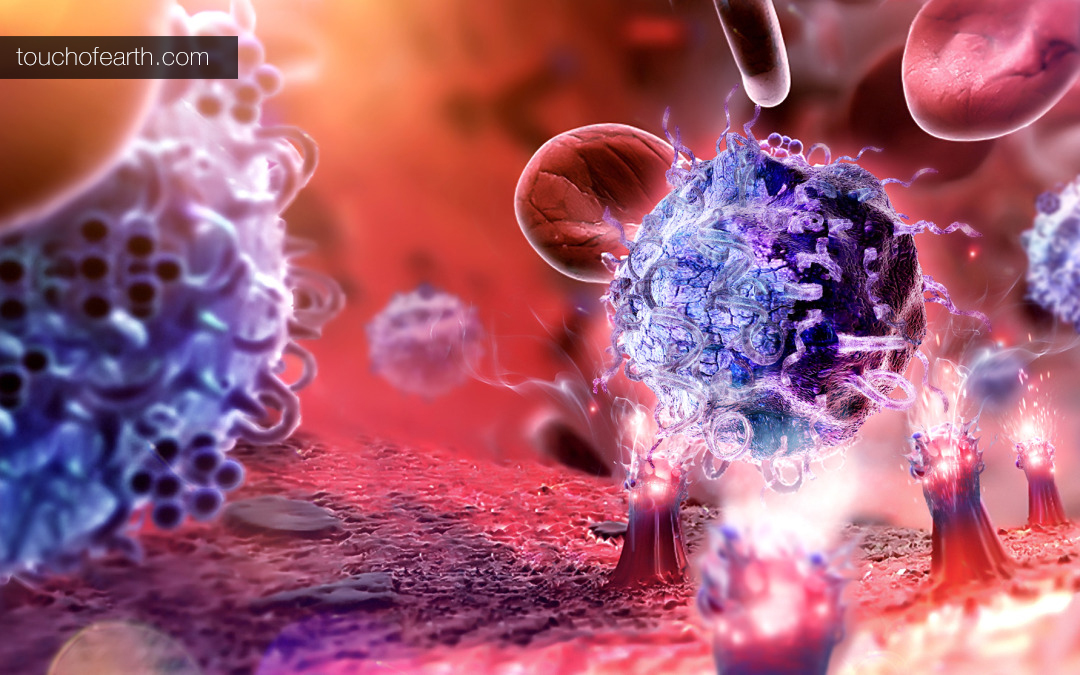
The purpose of the immune system is to keep infectious microbes such as dangerous bacteria, viruses, parasites and yeasts, out of the body, and to destroy any infectious microorganisms that do invade the body hopefully before they have time to cause infection and disease. Immune 

Probiotics for Healthy Individuals, Not Just Digestive Issues

Probiotics for Healthy Individuals, Not Just Digestive Issues

Most research performed on the benefits of Probiotics have focused on the benefits they provide for digestive health, specifically in individuals with gastrointestinal disorders and conditions. However, a new study says that a daily dose of a multi-species probiotic could help improve intestinal health even in healthy individuals.

Clinical studies from the top leading research institutions that observe digestive activity consistently point to the benefits of targeted, supplemental  nutrition for gastrointestinal health.

Probiotics

According to Archana Gogna, MS, CNS, MBA of InVite® Health, “Probiotics are friendly bacteria that make up the microbiome in the gut or digestive tract and are the gateway to good digestion and regularity. Naturally present in the body, bacteria accounts for two pounds of bio-mass in the intestines; this bacteria needs to be predominantly-friendly, health-promoting species. Research shows that species of probiotics, when naturally present or consumed in adequately supportive quantities, may confer the greatest health benefits to individuals of all ages. These include lactobacillus, which inhabit the small intestine, mouth and vaginal tissue, and Bifidobacterium, which are more numerous and are major inhabitants of the large intestine (colon). Both create many important metabolites out of our food and these perform a number of functions including burning fat, controlling our appetite, fueling digestion and detoxification, and supporting immunity. The third critical group of probiotic bacteria known as bacillus, are spore-bearing bacteria that carry around their own “house” (and are the only ones to do so). This makes them resistant to heat, moisture and light, stomach acids and digestive enzymes and they are readily able to colonize the small intestine.”

Read Archana Gogna, MS, CNS, MBA’s full article, “Probiotics are Healthy Bacteria” by clicking here!

The Study

The study, performed by Dutch probiotic firm Winclove and Swiss pharma company Mepha Schweiz, investigated the effects of multi-species probiotic on gut health and quality of life in a group of 40 healthy people.

The Swiss-Dutch team reported, “Our observational study shows that gastrointestinal symptoms are quite common in otherwise healthy adults.” After a six week supplementation regimen, researchers reveal that the study’s total gastrointestinal symptom score was significantly reduced from an average of 10 at baseline to six and that the percentage of participants who were “fully resolved” of symptoms including GI pain, bloating, and flatulence, significantly increased from baseline.

The team of researchers noted that, while the benefits of probiotics on digestive health have been widely studied, “The beneficial effect on healthy people has been less explored than the effect on symptoms of chronic gastrointestinal diseases.”

The study tested a multi-strain probiotic containing: Bifidobacterium lactis W51, Bifidobacterium lactis W52, Enterococcus faecium W54, Lactobacillus acidophilus W22, Lactobacillus paracasei W20, Lactobacillus plantarum W21, Lactobacillus salivarius W24, and Lactococcus lactis W19.

What do you think about this new study? Leave us a comment to join in the conversation!

INVITE® HEALTH CURRENT SALE