Recent Posts

New Study: Vitamin D & Light Exercise Prevents Falls For Elderly

New Study: Vitamin D & Light Exercise Prevents Falls For Elderly

Researchers at the School of Comprehensive Rehabilitation, Osaka Prefecture University in Japan studied 91 elderly subjects who were fragile and institutionalized in nursing homes for a three month period. One group received counseling on falls, and was given two individualized and one group exercise class 

Join the InVite® Team! We’re Seeking Healthcare & Sales Professionals!

Join the InVite® Team! We’re Seeking Healthcare & Sales Professionals!

Nutritional Consultant Are you a Certified Nutritionist, Naturopathic Doctor, or other healthcare professional interested in providing nutritional consultations in New York or New Jersey? InVite® Health, The Luxury Brand of Vitamins, is currently seeking Nutritionists/Naturopathic Doctors to be a part of the company’s growing team 

“Talk Test” to Determine Your Moderate Physical Activity

“Talk Test” to Determine Your Moderate Physical Activity

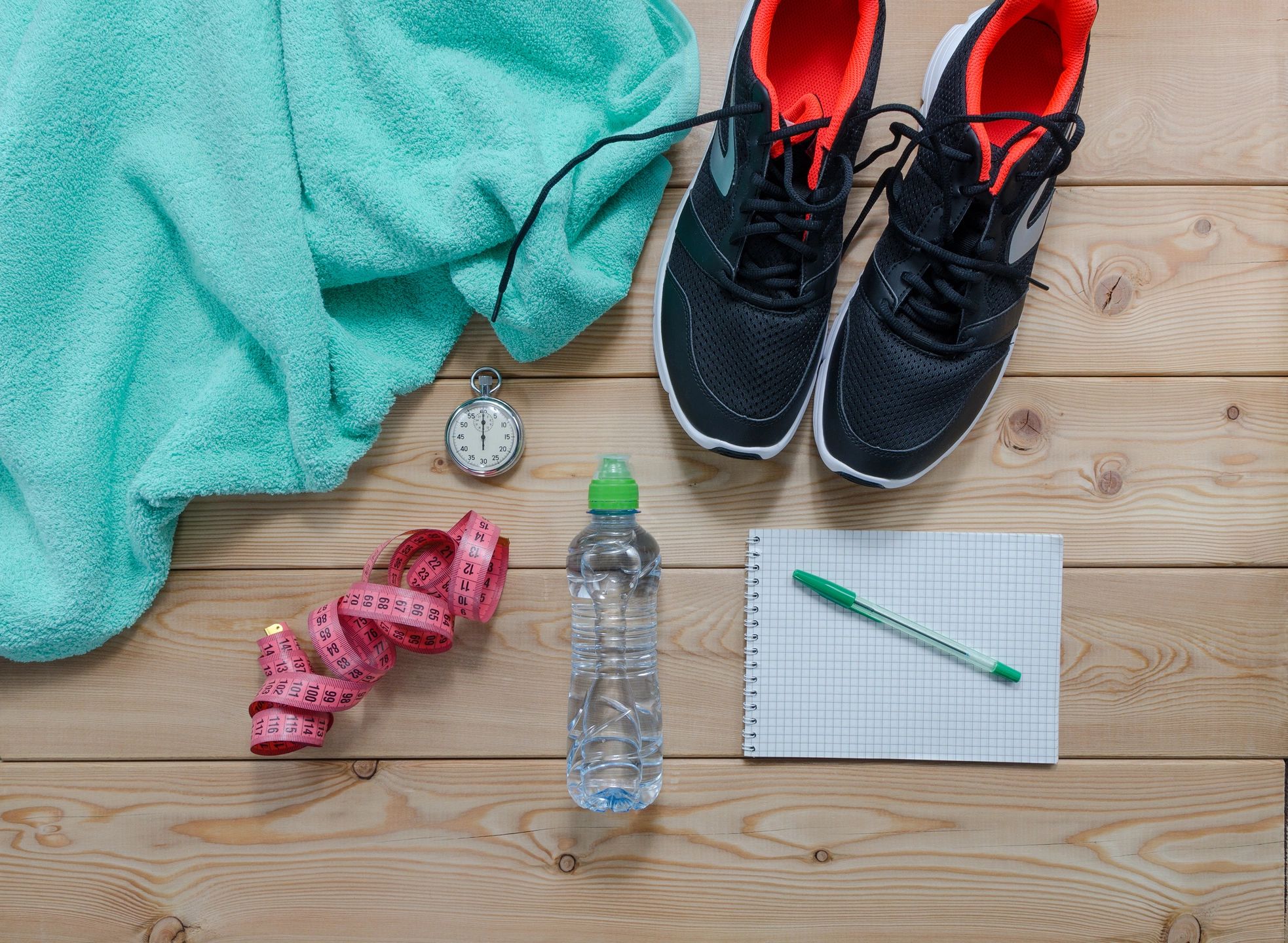
More than one-third of adults in the United States are obese. With that number on the rise, the risk of developing obesity-related conditions like heart disease, stroke, and type 2 diabetes is on the rise, as well. Your doctor has told you to start following a healthy diet and to begin exercising. But what types of exercises can you do that are both moderate and effective?

The key to losing weight, according to Jun Wang, MS, of InVite® Health, is to create an energy imbalance – eating less and exercising more. Wang states that physical activity is a must for weight loss and weight management. Just thirty minutes of moderate-intensity activity is recommended to reduce chronic disease risk and 60 minutes is recommended to prevent weight gain in adulthood.

In order to gauge your personal moderate level of activity, the CDC recommends using the “Talk Test” – if you’re doing moderate-intensity activity you can talk, but not sing during the activity. If you are doing too vigorous an activity, you will not be able to say more than a few words without pausing for a breath.

Moderate Physical Intensity VS. Vigorous Physical Intensity

According to the CDC, here are some examples of moderate intensity exercises compared to vigorous exercises.

Moderate

  • Walking briskly (3 miles per hour or faster, but not race-walking)
  • Water aerobics
  • Bicycling slower than 10 miles per hour
  • Tennis (doubles)
  • Ballroom dancing
  • General gardening

Vigorous

  • Race walking, jogging, or running
  • Swimming laps
  • Tennis (singles)
  • Aerobic dancing
  • Bicycling 10 miles per hour or faster
  • Jumping rope
  • Heavy gardening (continuous digging or hoeing)
  • Hiking uphill or with a heavy backpack

Dietary Approach

The first step in getting control over your weight is to monitor your eating habits. You may want to begin to record your food intake from the moment you wake up to the time you go to bed. “This can help assess the calorie count and nutritional value of what you are eating,” reports Wang. Another method is using a calorie counter. If you’re using your phone during your lunch break at work, you have enough time to enter what you are eating into a calorie counter app. This can give you an idea of how many calories you are consuming daily and how many you should consume in order to lose or gain weight. But be careful! Wang warns cutting your calorie intake drastically will not be a quick fix. In order to lose weight, Wang suggests cutting calorie intake gradually and consistently.

Supplements for Weight Management

Here are Jun Wang, MS, recommendations on supplements that can support weight management

White Kidney Beans: White kidney beans supply a carbohydrate blocker that inhibits the enzyme amylase from breaking starches down into sugar; absorbing less sugar from foods such as bread, potato, pasta or rice helps reduce your intake of calories.

Probiotics: Probiotics are live bacteria that support the activity of the body’s healthy bacterial population. They help burn calories by releasing the appetite-reducing hormone GLP-18,9 . They decrease body fat by increasing levels of the protein ANGPTL4.10 Probiotics can also reduce inflammation and may improve gut health. A meta-analysis of 17 randomized clinical trials in humans indicates that probiotics help treat obesity.11

CLA: Conjugated linoleic acid made from safflower oil helps reduce body fat by inhibiting the activity of the enzyme lipoprotein lipase which normally would transfer fats from the bloodstream into fat cells. CLA also promotes carnitine palmitoyltransferase, which helps burn fat, improving energy. A meta-analysis of 18 randomized, double-blind, placebo-controlled clinical trials (the gold-standard of clinical trials) concluded that taking 3.2g/d of CLA effectively reduces body fat in humans.12

A dietary lifestyle change and combination of exercise and premium quality supplements can lead you on a journey to your best health and best weight, naturally.

INVITE® HEALTH CURRENT SALE

Green Tea Pumps the Brakes on Accelerated Aging by Amanda Williams, MPH

Green Tea Pumps the Brakes on Accelerated Aging by Amanda Williams, MPH

Amanda Williams holds a doctorate in medicine from Xavier University in Aruba, a Master’s degree in Public Health from Nova Southeastern University, and a Bachelor’s degree in biology from St. Mary’s College Orchard Lake. Her background in disease state management allows for a unique nutritional 

Lutein Supplements May Improve Recovery from Light & Degradation

Lutein Supplements May Improve Recovery from Light & Degradation

According to data from the Lutein, Vision and Mental Acuity II (LAMA II) study, lutein and zeaxanthin may improve recovery from photostress and disability glare. The Study on Lutein Supplements Photostress recovery is “the amount of time the macular requires to return to its normal 

Life Expectancy in the U.S. Drops for the First Time Since 1993

Life Expectancy in the U.S. Drops for the First Time Since 1993

According to research from death certificates filed in all 50 states and the District of Columbia, the CDC’s National Center for Health Statistics has released a report stating that for the first time in more than two decades, life expectancy in the United States has declined at one-tenth of a year or about 5 weeks compared to 2014 results.

Life expectancy at birth was 78.8 years for the overall U.S. population in 2015. The last time life expectancy in the U.S. declined was in 1993. The main cause for the decline, according to the Centers for Disease Control and Prevention, were recurring leading causes of death – heart disease, chronic lower respiratory disease, unintentional injuries, stroke, Alzheimer’s disease, kidney disease, and suicide. The biggest increase was seen in Alzheimer’s at 15.7 percent. The report showed that women are still outliving men, a trend also seen in previous years.

life expectancy

The Good News

Of common diseases and conditions, cancer was the only major cause of death where rates showed an improvement; cancer deaths declined 1.7 percent from 2014 to 2015. The report noted that death rates from influenza and pneumonia did not significantly chance either.

Why Did This Happen?

Though researchers did not analyze the reasons behind this major decline, experts did note that it could be due to numerous explanations, including obesity, drug overdoses and suicides.

● Life expectancy for the U.S.population in 2015 was 78.8 years, a decrease of 0.1 year from 2014.
● The age-adjusted death rate increased 1.2% from 724.6 deaths per 100,000 standard population in 2014 to 733.1 in 2015.
● The 10 leading causes of death in 2015 remained the same as in 2014. Age-adjusted death rates increased for eight leading causes and decreased for one.
● The infant mortality rate of 589.5 infant deaths per 100,000 live births in 2015 was not significantly different from the 2014 rate.
● The 10 leading causes of infant death in 2015 remained the same as in 2014, although two causes exchanged ranks.

Age-related Deficiencies: Which Vitamins and Nutrients are Best for Your Aging Body

Written by Dr. Claire Arcidiacono, ND

As we age, the need to keep up with the constant changes in our bodies can prove to be difficult. The aging process gives way to deficiencies as our bodies become less able to process many vitamins and nutrients. For this reason, it is important to reevaluate your needs as you age. The following five supplements are what myself and numerous studies suggest for older men and women, as factors like memory, bone and joint health and maintenance, and heart health begin to take on a greater significance.

CONTINUE READING >>

What do you think about this new report? What do you think we can do to increase the average life expectancy in the United States? Leave us a comment to join the conversation!

INVITE® HEALTH CURRENT SALE