Recent Posts

When is the Best Time for Athletes to Take Calcium? by Jerry Hickey R.Ph

When is the Best Time for Athletes to Take Calcium? by Jerry Hickey R.Ph

Photo by Braden Collum on Unsplash Previous research has shown that intense physical exercise over the course of a year decreases bone mineral density in cyclists. During intense exercise the level of calcium in your blood drops for a number of reasons. As the level …

Ask Rick Longenecker: Spotlight on InVite® Health Multivitamins

Ask Rick Longenecker: Spotlight on InVite® Health Multivitamins

Written by Rick Longenecker Why take a multivitamin? The reasons for taking a multi are myriad. It fills in the gaps that even the best diets don’t cover. It makes it easier for the body to process foods and other supplements. The B vitamins help …

What You Need to Know About Your Sunscreen Written By Jerry Hickey R.Ph

What You Need to Know About Your Sunscreen Written By Jerry Hickey R.Ph

Photo by Chuttersnap on Unsplash

Don’t just grab a sunscreen off the shelf, take a moment, read the label and make sure you are getting the most out of it. You want to enjoy the sun but should protect you and your family. Jerry Hickey R.Ph clearly explains the importance of sunscreens and also includes a FDA-Approved Sunscreens chart to guide you along the right path of sun protection.

We moved from Ireland to New York City when I was a very young child. The sun is much more intense here and I suffered a number of sunburns; this is particularly dangerous in young, developing skin. As a result it is always on my mind to caution people about sun protection.

The sun is the number one cause of all three skin cancers as well as aging and wrinkling of the skin. So it is important to have an understanding of how sunscreens work and what they can and cannot do to help protect us from the sun. The sun is also a leading cause of cataract formation in the eyes so proper sunglasses should also be considered.

Sunscreens according to their SPF (Sun Protection Factor) measure how much protection they give us from UVB rays. There is no current SPF measuring the level of protection from UVA rays although sunscreen manufacturers commonly add at least a little protection for UVA rays. UVA rays account for up to 95 percent of the UV radiation reaching the Earth’s surface. Although they are less intense than UVB, UVA rays are 30 to 50 times more prevalent. They are present with relatively equal intensity during all daylight hours throughout the year, and can penetrate clouds and glass.

UVA rays penetrate the skin more deeply than UVB and have a powerful effect on wrinkling the skin. Studies over the past two decades also show that UVA damages keratinocyte skin cells in the basal layer of the epidermis, where most skin cancers occur. UVA contributes to and may even initiate the development of skin cancers. UVA is the dominant tanning ray, and we now know that tanning, whether outdoors or in a salon, causes skin damage to accumulate over time. A tan results from injury to the skin’s DNA; the skin darkens in an imperfect attempt to prevent further DNA damage. These imperfections, or mutations, can lead to skin cancer.

UVB rays are the major cause of sunburn. UVB tends to damage the skin’s more superficial layers. UVB rays are the major cause of sunburn. UVB tends to damage the skin’s more superficial layers. It does play a key role in the development of skin cancer and a contributory role in tanning and skin aging.

A sunscreen’s efficacy has been measured by its sun protection factor, or SPF. SPF indicates how long it will take for UVB rays to redden your skin when using a sunscreen, compared to how long skin would take to redden without the product. For instance, someone using a sunscreen with an SPF of 15 will take 15 times longer to redden than without the sunscreen. An SPF 15 sunscreen screens 93 percent of the sun’s UVB rays; SPF 30 protects against 97 percent; and SPF 50, 98 percent. The Skin Cancer Foundation maintains that SPFs of 15 or higher are necessary for adequate protection.

Since both UVA and UVB are harmful, you need protection from both kinds of rays. To make sure you’re getting effective UVA as well as UVB coverage, look for a sunscreen with an SPF of 15 or higher, plus some combination of the following UVA-screening ingredients: stabilized avobenzone and oxybenzone; these are broken down by the sun and last about 4 hours. Mexoryl helps, it’s a new ingredient that doesn’t’ break down in the sun and helps block UVA for about 6 hours. Titanium dioxide and zinc oxide also help block UVA.

You should see the phrases multi spectrum, broad spectrum or UVA/UVB protection on sunscreen labels, and these all indicate that some UVA protection is provided. However, because there is no consensus on how much protection these terms indicate, such phrases may not be entirely meaningful.

There are currently 17 active ingredients approved by the FDA for use in sunscreens. These filters fall into two broad categories: chemical and physical. Most UV filters are chemical: They form a thin, protective film on the surface of the skin and absorb the UV radiation before it penetrates the skin. The physical sunscreens are insoluble particles that reflect UV away from the skin. Most sunscreens contain a mixture of chemical and physical active ingredients.

FDA-Approved Sunscreens

Active Ingredient/UV Filter Name Range Covered
UVA1: 340-400 nm
UVA2: 320-340 nm
UVB: 290-320 nm
Chemical Absorbers:
Aminobenzoic acid (PABA) UVB
Avobenzone UVA1
Cinoxate UVB
Dioxybenzone UVB, UVA2
Ecamsule (Mexoryl SX) UVA2
Ensulizole (Phenylbenzimiazole Sulfonic Acid) UVB
Homosalate UVB
Meradimate (Menthyl Anthranilate) UVA2
Octocrylene UVB
Octinoxate (Octyl Methoxycinnamate) UVB
Octisalate ( Octyl Salicylate) UVB
Oxybenzone UVB, UVA2
Padimate O UVB
Sulisobenzone UVB, UVA2
Trolamine Salicylate UVB
Physical Filters:
Titanium Dioxide UVB, UVA2
Zinc Oxide UVB,UVA2, UVA1


INVITE® HEALTH CURRENT SALE

The Importance of Protein and Exercise in Your Lifestyle

The Importance of Protein and Exercise in Your Lifestyle

Photo by Sam Owoyemi on Unsplash Written by Dr. Millie Lytle If you have not thought of your protein consumption when you plan to exercise, here’s some great advice from Mille Lytle, ND. She explains how you can strengthen and build your muscles along with …

Jerry Hickey, R.Ph Spotlight: Why I Use Hydrolyzed Collagen

Jerry Hickey, R.Ph Spotlight: Why I Use Hydrolyzed Collagen

Written by Jerry Hickey, R.Ph, Scientific Director and Pharmacist for InVite® Health Yesterday I shared my plan for post-surgical healing. One of the nutrients I mentioned was Collagen explaining that both my wife and I customarily use collagen and here is the explanation for why. …

Jerry Hickey, Ph.s Knee Surgery Recovery Strategy

Jerry Hickey, Ph.s Knee Surgery Recovery Strategy

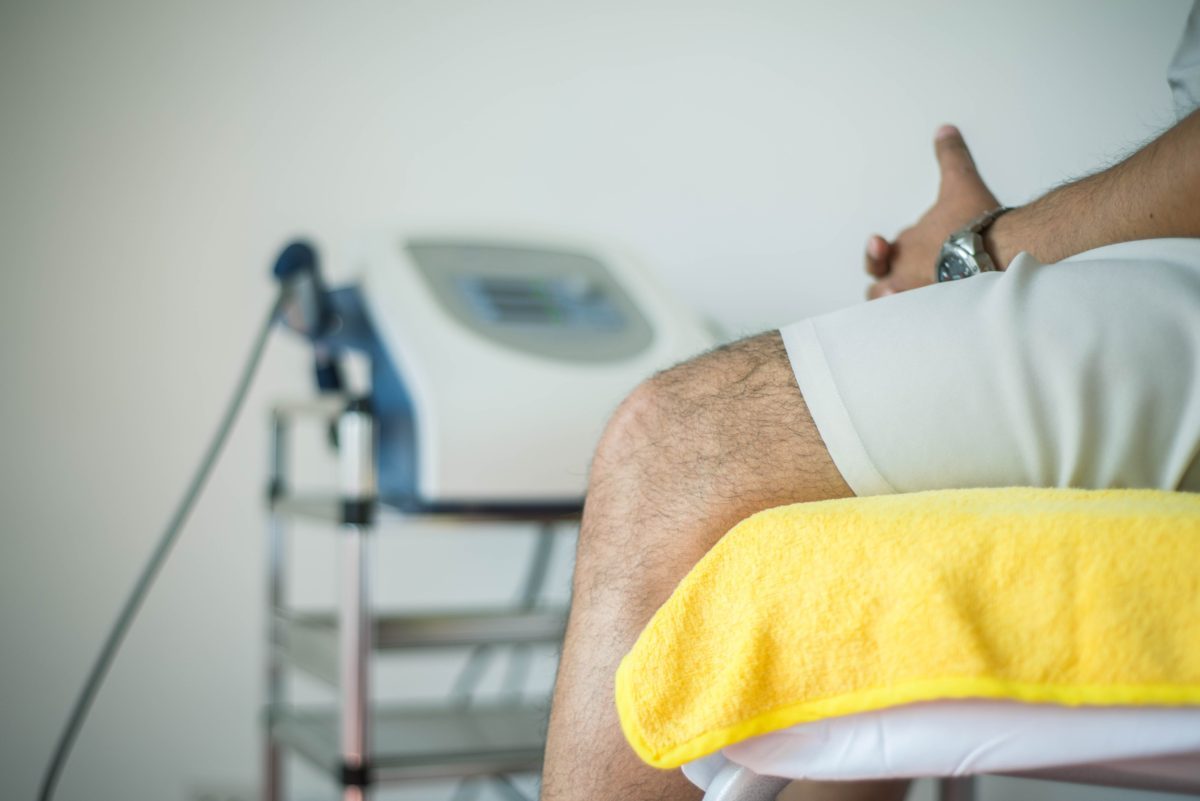
Photo by Marlon Lara on Unsplash

We are all very happy that Jerry is recovering and doing well from his recent knee surgery. In this blog, Jerry shares detailed information of his injury, surgery and post surgical recovery. I am sure this information will be of some help to many of you!

Jerry Hickey, R.Ph

Hi everyone! As you may know I recently had knee surgery. I tore my meniscus in several places and because the tissue was out of place it would never heal on its own. I was in pain and I couldn’t exercise or take a walk. Since discussing my situation on my radio programs, many people have contacted me by email sharing they too would soon have this surgery. I would like to share my experience to possibly help these and other people.

I also started physical therapy today in Westbury and am expecting to see excellent results. My range of motion, leg strength and lack of pain and swelling were all apparent.  After orthopedic surgery, if your doctor recommends PT make sure you comply because it can help you heal and regain your strength faster. Also you will learn important exercises and stretches for the affected region to help decrease the risk of future injuries.

First and foremost the surgery was easy, it took about thirty minutes and I was out of recovery walking to my car with the use of a cane within an additional half-hour. That was on Thursday at 11:00 am. Sunday at 11:00 I shed my bonds and made my way to my terrace taking it slow and easy.

By Monday morning I was walking with zero pain. By Tuesday I was completely mobile but limited my walking time to 10 to 15 minute periods between rests to prevent the inflammation and pain that often occurs with overuse soon after surgery. It would be okay to take these walks two or three times a day as long as I rest my leg in between them.

Here’s my plan for recovery, and of course part of the quick recovery and lack of pain may be due to strong leg muscles and the specific types of tear. Also I had a great knee surgeon; Doctor Jerry Lubliner from Beth Israel in Manhattan. Dr Lubliner is an expert on the shoulder and knee and previously in 2009 he did an excellent job of repairing my shoulder after an accident that severely tore my rotator cuff in several places.

 After surgery I rested in bed with my leg elevated for 72 hours; at that 72 hour point I started to move around a little bit with a cane. By staying elevated and restricting mobility for this period of time I avoided much of the swelling that causes pain and stiffness after surgery. However, I had a little help from my friends (supplements).

Here is what I took and I use some of these supplements even in patients facing major surgery. They help decrease the risk of complications and infections and speed up the rate of healing.

Three days before surgery:

L-Carnosine 500mg capsule – one a day

Zinc 30mg – one a day with food; Combining L-Carnosine with Zinc speeds up the rate of healing dramatically. My incisions were tiny so there is no risk of scarring but research does show that besides speeding healing combining Zinc with Carnosine may reduce scarring.

Nucleotides – 3 a day with breakfast; if I was in my twenties or thirties I wouldn’t need this supplement. Nucleotides give support for energy, immunity and healing

Shortly after surgery to avoid the swelling and further aid healing:

BioCurcumin/ 5-Loxin – two capsules 3 times a day with meals (I used this in place of NSAIDs such as Advil or Aleve); it has a very slight blood thinning effect so I don’t recommend it for everyone but for almost everyone

Aloe Vera (a special blend that lacks the aloe anthroquinones) – one 3 times a day with food, even a small snack; Aloe is great for inflammation

ALCAR with ALA – two tablets an hour before surgery; to support metabolism and energy and this improves healing

Ubiquinol Coq10 with NADH – one capsule twice a day with meals; support metabolism and healing

Magnesium Glycinate 200mg – one a day with lunch or dinner; support metabolism and healing

Collagen Hx Powder – a scoop twice a day in yogurt with fruits and nuts and real cocoa (this tastes like desert, is very low calorie and is filling); the meniscus is made out of collagen protein. I normally take this anyway and tomorrow I’ll write a mini review of why my wife Ruth and I both routinely use Collagen Powder.

Not everyone requires all of these, I just want to heal thoroughly and quickly, after all it’s kayaking and hiking season and in mid-July I’m going to Ireland with my family so I want to fully enjoy this trip. You typically add a week per decade to the length of recovery time; I’m 59 so that’s six weeks. I want to cut this time by 25% and I think I can do it.

If you have a question about supplements that are safe and helpful for surgery and a plan on how and when to take them contact me at jhickey@invitehealth.com. The protocol varies via age group, current medications and type of surgery.

Share your post surgery experiences and let is know how you are doing today.

INVITE® HEALTH CURRENT SALE