Tag: antioxidants

Top 7 Benefits of Including Green Tea in your Diet

Top 7 Benefits of Including Green Tea in your Diet

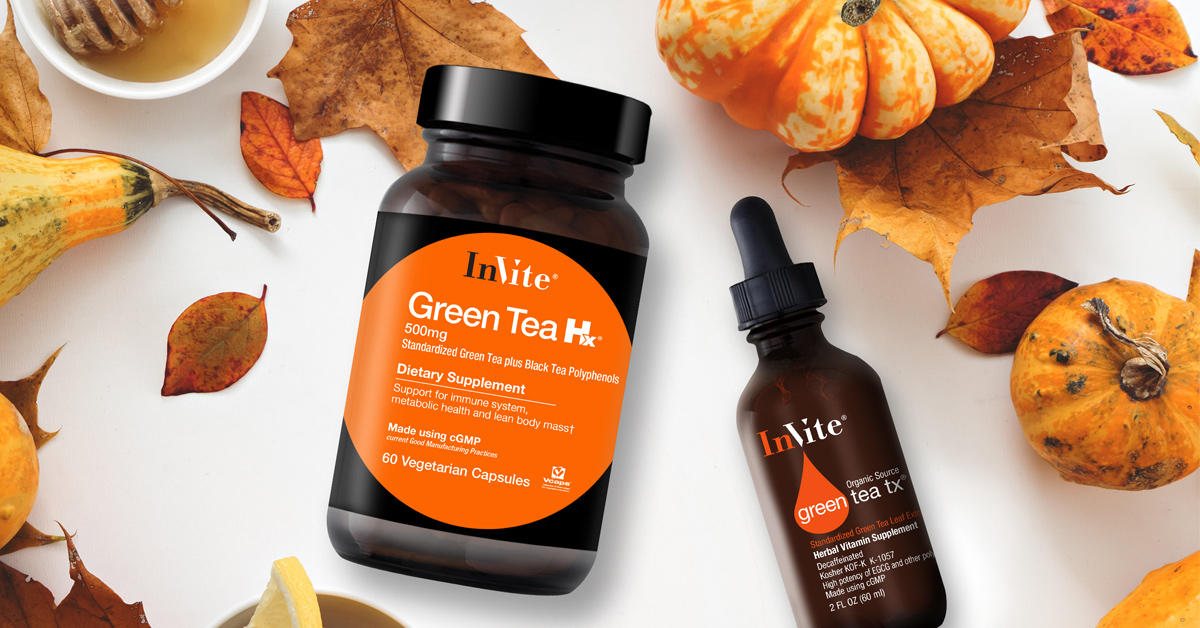
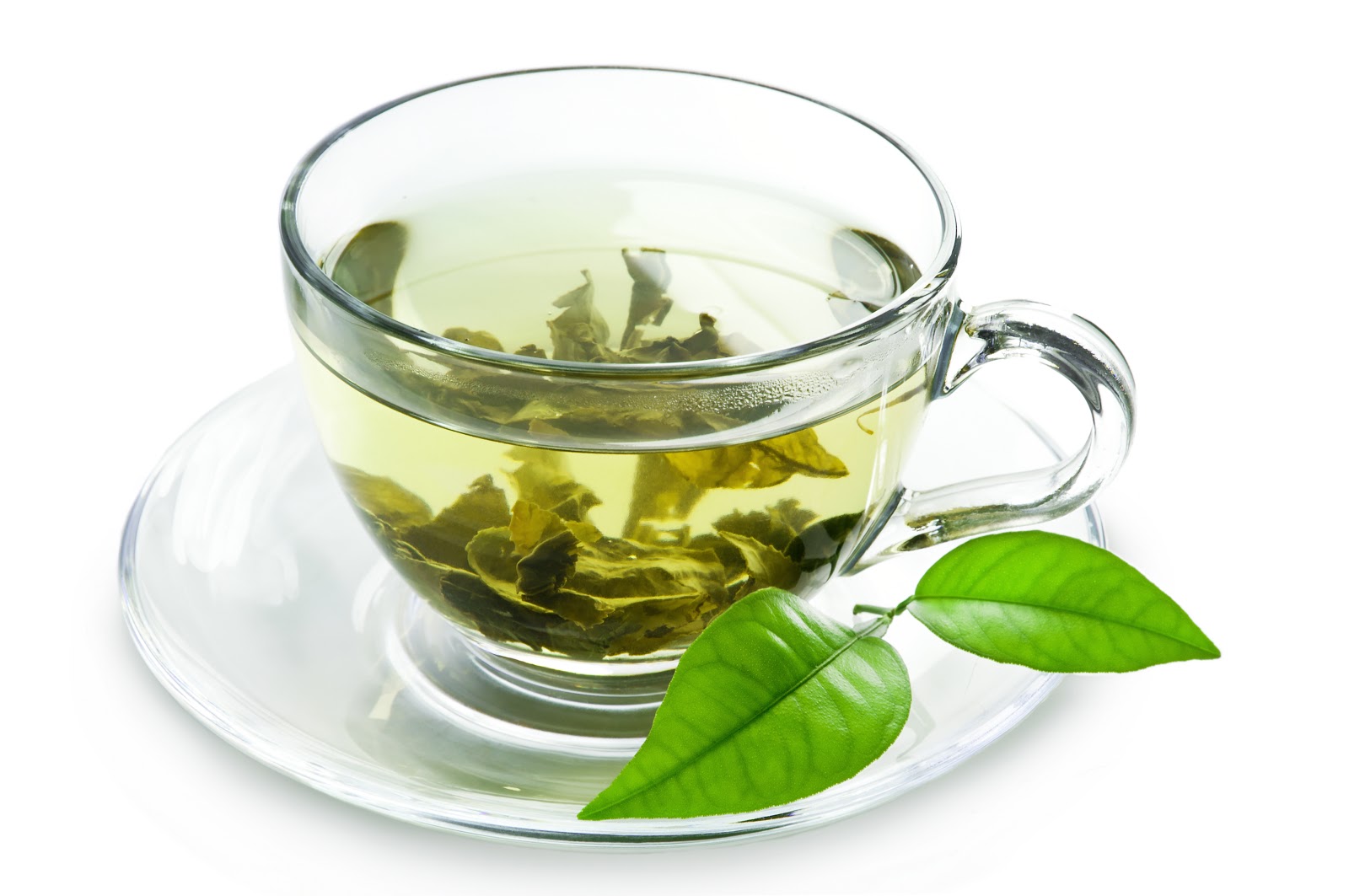
After water, green tea is the most consumed beverage in the world; and there’s good reason for it! The tea plant is rich in valuable antioxidants that tout numerous health benefits from immunity to oral health to weight management. And the evidence is very impressive. …

Antioxidants: Our Companions in Healthy Aging by Amanda M. Williams, MPH

Antioxidants: Our Companions in Healthy Aging by Amanda M. Williams, MPH

Amanda Williams holds a doctorate in medicine from Xavier University in Aruba, a Masters degree in Public Health from Nova Southeastern University, and a Bachelor’s degree in biology from St. Mary’s College Orchard Lake. Amanda has spent the last ten years focused on nutrition and …

Black-Pigmented Superfoods: A Rainbow of Benefits By Nicole Crane, B.S, NTP

Black-Pigmented Superfoods: A Rainbow of Benefits By Nicole Crane, B.S, NTP

For years, health professionals have been advising others to “eat the rainbow,” advising to eat a wide variety of colorful fruits and vegetables. For many, getting those 5-9 servings of fruits and vegetables is a struggle. How does one get the antioxidant, immune boosting, vitality supportive benefits of a rainbow of foods? While there is no replacement for eating fruits and vegetables, by including black-pigmented superfoods, you can support your body with antioxidants powerful enough to make a difference.

Importance of Black-Pigmented SuperFoods

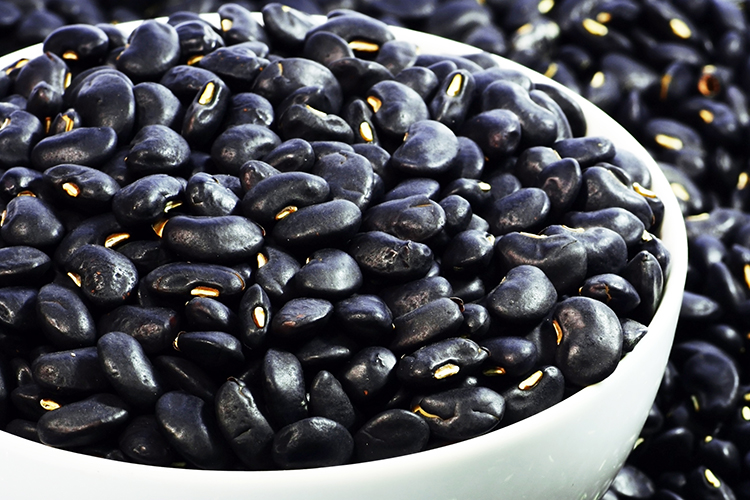
Black pigmented superfoods are among the strongest antioxidants that exist, as measured by the ORAC scale (Oxygen Radical Absorbance Capacity), which measures how effectively a food or nutrient neutralizes free radicals; the higher the number, the stronger the antioxidant. There is certainly something very special about black pigments as potent protectors of our body at the cellular level, where oxidative damage occurs. Oxidative damage is like rusting and leads to immune dysfunction, interruption in cellular communication, inflammation, accelerating aging and a host of other issues that keep wellness out of reach. Antioxidants act like martyrs, breaking down to protect our body from physical and biochemical damage, like a shield. A diet rich in antioxidants forms a substantially bigger and much more protective shield than a diet lacking them.

Black Seeds (Nigella sativa)

Black-Pigmented SuperfoodsThese special black-pigmented superfoods are especially nourishing for immunity and help to support normal inflammatory responses. Hailing from the Middle East, black seed (Nigella sativa) has been identified as an inflammation regulator, immune tonic, analgesic (pain fighter) and natural antimicrobial. Black seed also has been shown to reduce muscle spasms, support muscle function, balance blood sugar and nourish the optimal function of organ systems, especially the brain and neurons, heart, lungs, kidneys, liver and intestines. The ability of black seed to support so many body systems and functions is why it has been such a revered herb to the many cultures who value natural remedies. As a blood sugar balancer, black seed has been shown to support insulin production, glucose metabolism and cellular insulin uptake. Black seed supports the prevention of hypoglycemia (low blood sugar), bringing needed balance to this important biochemical system. In the heart, studies show that black seed supports healthy cholesterol levels, normal blood pressure and prevents platelets in blood from becoming too sticky, warding off blood clot formation and the buildup of plaque in the arteries. In the GI tract, black seed seems to support normal intestinal function, keeping colitis and ulcers at bay and may even protect against heartburn. In the kidneys, black seed reduced blood levels of creatinine, blood urea nitrogen, which reflect poor kidney function when levels are high; it acts as a shield against toxin-induced damage to the kidneys. x In the liver, black seed has been shown to protect against damage caused by heavy metals like lead and cadmium. Black seed also restores levels of glutathione, our internal master antioxidant and detoxifier, as well as other highly protective antioxidants in the liver. In the brain, black seed helps to combat stress and anxiety and balance brain chemistry and mood. This powerful spice also has a powerful protective and regenerative effect over nerve cells, as well as an anticonvulsive effect, opening the door for further research into brain disorders like epilepsy and even Alzheimer’s disease. Black seed may reduce lung inflammation, improve the function of different cell types and biochemicals in the lungs like surfactant that keeps lungs from deflating, clear respiratory viruses and mucus buildup and even improves lung function in asthmatics. In a 2010 study published in the journal Phytonutrients, participants with asthma were given two different doses of black seed oil or a placebo. Both groups experienced a dramatic reduction of wheezing, coughing, bronchial construction and other pulmonary dysfunction, some in just two weeks. At the end of the trial, most participants were using less medication, especially rescue-type inhalers and all had improved scores on pulmonary function tests.

Shiitake Mushroom (Lentinula Edodes)

Another black-pigmented superfood, the shiitake mushroom (Lentinula Edodes) hails from East Asia and has been used for thousands of years as both food and medicine.

CONTINUE READING & VIEW SOURCES >>>

What do you think about these black-pigmented superfoods? Leave us a comment to join in our conversation!

INVITE® HEALTH CURRENT SALE

Skin Care at InVite® Health by Allison Menor, BS

Skin Care at InVite® Health by Allison Menor, BS

Beauty is something that is always best achieved from the inside out; especially as we age and certain nutrients become depleted. That’s when the available pool of circulating antioxidants that would normally be available to protect and rejuvenate the skin has diminished and isn’t what …

Green Tea: Vital Immune Support By Nicole Crane BS, NTP

Green Tea: Vital Immune Support By Nicole Crane BS, NTP

After water, green tea, along with its white and black variants, all from the Camellia sinesis shrub,is the most consumed beverage in the world. There may be no beverage more salubrious. The tea plant is rich in valuable antioxidants known as polyphenols. The polyphenols in …

How Antioxidants, Superfoods and their Nutrients Heal Us By Dr. Millie Lytle ND, MPH, CNS

How Antioxidants, Superfoods and their Nutrients Heal Us By Dr. Millie Lytle ND, MPH, CNS

Antioxidants are natural or synthetic substances that may delay, prevent or heal cellular damage by reducing agents that harm cells (called free radicals or reactive oxygen species (ROS)). Antioxidants are naturally found in many plant foods and are also available as complexes or individual nutrients in supplements or drug form1.

While the Food and Drug Administration (FDA) maintains that the only reliable antioxidant claims come from Vitamin A and BetaCarotene (as long as it has a reliable level of Vitamin A, Vitamin C and Vitamin E2) some people are shying away from antioxidants at the advice of their doctor and some research3. However, there is a lot more to antioxidants than just vitamins.

Free Radicals

All living organisms are constantly exposed to oxidant agents (free-radicals or ROS) that derive from both endogenous and exogenous sources capable to modify biomolecules and induce damages. Free radicals generated by oxidative stress play an important role in the development of tissue damage and aging. Reactive species (RS) derived from oxygen (ROS) and nitrogen (RNS) pertain to the free radicals family and are constituted by various forms of activated oxygen or nitrogen. RS are continuously produced during normal physiological events but can be removed by antioxidant defense mechanisms; the imbalance between RS and antioxidant defense mechanism have a larger amount of reactive species than antioxidants and can lead to modifications in cellular membrane or intracellular molecules and, eventually, to genetically linked disorders and even cancer4.

Superfoods

Superfoods are called “superfoods” for a reason. But just what those reasons are remains a mystery. Deconstructing the nutritional value of foods remains very difficult as nutritional claims, daily value and RDAs are outdated and limited in terms of representations. Just as we do not truly know what is in breast milk, we do not understand or acknowledge all the healing properties of plant based foods. We know we have to consume them, we know we have to consume more of them, we even know we should consume up to 9 servings per day if we plan on acquiring a long health span. But many of us still do not understand why.

Phytochemical Antioxidants

IMG_6214Antioxidants (derived from plants) consumed through daily diet or plant-derived dietary supplements, have been shown to prevent free radical-related diseases by counteracting cell oxidative stress6. However, it is now considered that the beneficial effects of these phytochemicals on the body are unlikely to be explained by their antioxidant capability alone. Dozens of plant-based antioxidants exhibit hormetic properties, acting as ‘low-dose stressors’ that prepare cells to resist more severe stress. An organic plant is more medicinally valuable because it has had to fend for itself through cold snaps or when a pest takes a bite of it. These low-level stressors actually stimulate the plant to produce more protection mechanisms. And when we eat them, they do the same for us. In fact, low doses of these phytochemicals activate cell signaling pathways but high doses are cytotoxic, which explains why more is not necessarily better. It is a small amount in the daily diet that is most beneficial. A research study looked into the adaptive responses induced by the most known plant hormetic antioxidants – sulforaphane from broccoli, resveratrol from red grapes, curcumin from turmeric, flavonoids from the healthiest fruits and vegetables, green tea catechins and how they are specifically helpful in preventing degenerative disease and even cancer via activation of endemic antioxidant pathways6.

Another study looked at the variety of phytochemical antioxidants supplements that have demonstrated brain and central nervous system activity of neuronal cell death based on their chemical structures: (1) flavonoid polyphenols like epigallocatechin 3-gallate (EGCG) from green tea and quercetin from apples; (2) non-flavonoid polyphenols such as curcumin from tumeric and resveratrol from grapes; (3) phenolic acids or phenolic diterpenes such as rosmarinic acid or carnosic acid, respectively, both from rosemary; and (4) organosulfur compounds including the isothiocyanate, L-sulforaphane, from broccoli and the thiosulfonate allicin, from garlic. All of these compounds are generally considered to be antioxidants but not regarded by the FDA as such exhibit potential therapeutic value in neurodegenerative diseases7. They may be classified as antioxidants for one of two reasons – they directly scavenge free radicals or they indirectly increase endogenous cellular antioxidant defenses (for example, via activation of the nuclear factor transcription pathway, Nrf2). This means that these superfoods and super-nutrients have the ability to activate our own body’s antioxidants defense mechanism, namely Glutathione, Alpha-lipoic acid, Coenzyme Q, Ferritin, Uric acid, Bilirubin, Metallothioneine, L-carnitine and Melatonin4. Alternative mechanisms of action have also been suggested for the neuroprotective effects of these compounds such as modulation of signal effects on gene expression7.

Eat These Nutrients Daily

Here is the list of phytonutrients and their corresponding superfoods that have not been given an RDA or daily value recommendation but are absolutely proven for activating our own body’s antioxidant pathways, thereby lending further health value than any single antioxidant alone. These nutrients have an anti-aging ability by being able to activate antioxidant genes that stimulate our body’s own internal antioxidant protection mechanism. These protection mechanisms allow the cell to eject toxic substances and waste products, kill bad and cancerous cells, methylate the DNA for longevity and proper division, and improve the length of the cell cycle. If you eat these nutrients daily, your body will love you, even down to the genetic level.

The future of nutritional medicine is here! Do not wait to include these nutrients into your diet on a regular basis. There exists potential in superfoods to activate The NRF2 Antioxidant Nutrigenomic Pathway:5

  • Flavinoids found in red, blue, purple berries, and red & purple grapes.
  • Flavanols found in teas (green, black and oolong white), chocolate (choose dark chocolate for lower sugar content and higher catechin content!), grapes, berries
  • Proanthocyanidins found in chocolate, apples, berries, red grapes and red wine.
  • Flavanones found in Citrus.
  • Flavonols found in yellow onions, scallions, kale, broccoli, apples, berries and teas.
  • Flavones found in parsley, thyme, celery, and hot peppers.
  • Isoflavones found in Soybeans Legumes.
  • Non-flavonoid Polyphenols
  • Resveratrol found in Grapes.
  • Phenolic acids or Phenolic diterpenes
  • Organosulfur compounds found in Cruciferous or Brassica vegetables – Sprouts of Broccoli & Cauliflower (highest content), kale, broccoli, brussel sprouts, cabbage, cauliflower, bok choy, collards, Chinese broccoli and Broccoli rabe, kohl rabi, mustard, turnip, radish, arugula and watercress.
  • Thiosulfonate found in Garlic – Aged garlic is fermented garlic that converts allicin to S-allylcysteine & S- allylmercaptocysteine, which are more bioavailable, water soluble and stable.
  • Cinnaminic aldehyde found in Cinnamon.

For a full list of sources and references, click here!

InVite® Health Current Sale