lungs
Subscribe Today!
Please see below for a complete transcript of this episode.
How Resveratrol Supports Healthy Lungs – InViteⓇ Health Podcast, Episode 540
Hosted by Jerry Hickey, Ph.
*Intro music*
InViteⓇ Health Podcast Intro: Welcome to the InViteⓇ Health Podcast, where our degreed healthcare professionals are excited to offer you the most important health and wellness information you need to make informed choices about your health. You can learn more about the products discussed in each of these episodes and all that InViteⓇ Health has to offer at www.invitehealth.com/podcast. First time customers can use promo code PODCAST at checkout for an additional 15% off your first purchase. Let’s get started!
*Intro music*
Jerry Hickey, Ph.: [00:00:40] There are plenty of hazards that threaten our lung function, the health of our lungs: Inhaling dusts of all sorts; pollution, both indoor and outdoor. Now, indoor pollution can include smoke from wood burning and coal burning stoves and smoking, of course. Infections, even aging, affects our lung function. So many things can harm the tissues of our lungs, I’ll go into the anatomy of our lungs in a minute, and this can contribute to lung diseases, among them pneumonia, chronic obstructive pulmonary disease, asthma. Many studies are pointing to the benefits of resveratrol for lung function. So hi, my name is Jerry Hickey. I’m a nutritional pharmacist. Welcome to my episode, Resveratrol and Lung Health. You can listen to all of our episodes for free wherever you listen to podcasts or just go to invitehealth.com/podcast. Also, you can listen to us on Facebook, Instagram and Twitter @invitehealth.† [00:01:50]
[00:01:51] So what exactly is resveratrol? It’s found in plants, it protects plants. For instance, red grapes under a lot of stress… So there’s a red grape growing in a part of Spain where it’s very dry and it’s very hot. The plant releases resveratrol to protect the grapes. And in fact, in red wine, you could get a tiny bit of resveratrol, maybe a milligram in a good red wine, but it dissipates very quickly. Once you open a red wine, the resveratrol evaporates in about a day, and even if you cork it really well, it only lasts about five days. And when you purchase a resveratrol supplement do not get a liquid, do not get a powder, because both light and oxygen cause resveratrol to decay. So you want to get resveratrol protected with something in the capsule. For instance, we use chlorophyll, the green stuff from vegetables and plants, to shield resveratrol from light and we use these capsules with a really tight weave that keep oxygen away from resveratrol. And if you could find a resveratrol supplement, by the way, with some other natural ingredients that are found in the same plants as resveratrol, science has proven that the resveratrol will be more beneficial. They amplify the benefits of resveratrol, namely, quercetin. Quercetin is found in good foods like garlic and onions and green tea and broccoli and spinach. And grape seed extract, any polyphenol similar to grape seed extract, which is an oligomeric proanthocyanidins, an OPC. So if you could find an OPC and quercetin in with your resveratrol and if it’s protected from light and oxygen, it’ll last longer. It’ll work better.† [00:03:41]
GETTING THE MAXIMUM OUT OF RESVERATROL – INVITE HEALTH PODCAST, EPISODE 479. Listen Now>>
[00:03:43] Now, there’s a bunch of proven benefits for resveratrol. I’ll go into that at the end of the program, but it really has an impact on the lungs. In fact, there’s some evidence that it protects the lungs from viruses, which is really important during the time of COVID-19. Resveratrol has alkylamines in it. Certain plants have alkylamines, like green tea, turmeric, you know, the curcumin in turmeric, and resveratrol, and these signal the immune system to fight viruses. But resveratrol is also an anti-inflammatory antioxidant in the lungs, and it also triggers genes that protect the lungs and improve the health of the lungs. For the lungs, resveratrol helps reduce inflammation, helps protect the tissues of the lungs, works as a powerful antioxidant to reduce damage by free radicals. Free radicals are found in things like smoke, but that’s just part of daily life. When you eat food and create energy, you create free radicals. So you need to shield the lungs from this as you grow older. It’s been shown to reduce fibrosis in the lungs. Fibrosis is a buildup of kind of scar connective tissue that can stiffen the lungs with age. Like I said, it can help inhibit viruses.† [00:04:50]
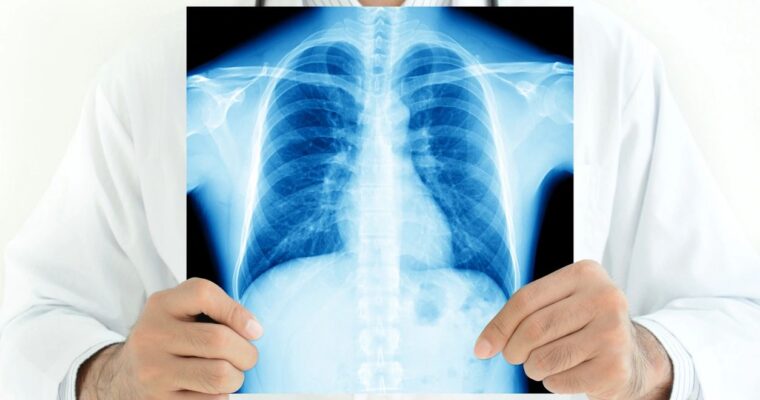
[00:04:52] So let’s talk about the lungs. Your respiratory system, of course, you nose and your mouth are part of your respiratory system and you inhale. And then there’s this sort of curve at the end of the nasal pharynx. So you breathe in and the air has to start to go down to the lungs. So first it goes through the trachea, which is your windpipe. It’s a pipe from your, the back of your throat down to your lungs and that branches off to a left and a right bronchi. They connect the trachea to the lungs. So there’s two lungs, you need two bronchi. And the lungs are spongy tissue that exchange carbon dioxide for oxygen. And in the lungs, there’s these little sacs, they’re tiny air sacs called alveoli. We have millions and millions of them and they exchange the carbon dioxide for the oxygen. That’s where it takes place.† [00:05:46]
[00:05:48] So some of the common conditions that affect the lungs, there’s pneumonia. Now, there’s different types of pneumonia. If you got liquid in your lungs, that’s droplet pneumonia. But most pneumonias are caused by inflammation related to bacterial infections and viral infections, like viral pneumonia is fairly common. And what happens, you get cytokines, immune messengers, and fluids affecting the lining of the lungs and this reduces the surface area of the lungs that’s working, so it makes it harder to breathe. And of course, it could get dangerous. And then there’s bronchitis. I didn’t mention the bronchioles before when I was talking about the lung anatomy, but at the end of your bronchi, remember, there’s the windpipe, the trachea that splits into bronchi. And at the end of the bronchi, there’s these little branches that are called bronchioles. And in bronchitis, the bronchioles become inflamed and you get lots of mucus and it can really affect your breathing. Then there’s asthma. Asthma. Did I say asthma? Asthma. And once again, it’s the bronchioles. The bronchioles are narrowed and they spasm and this greatly reduces the airflow. And it’s a very scary, very, very dangerous situation. We’ve done some podcast episodes on nutrients that can aid, nutrients that can aid breathing in asthma. And if you have asthma, I would recommend listening to those. Of course, asthma is a very serious, dangerous situation and I’m sure it’s quite scary. You should always have, if you have asthma, a new inhaler, rescue inhaler, in case you have an attack with a good expiration date on it. Because you never know. Then there’s emphysema. I mentioned inside the lungs there’s these tiny sacs called alveoli, and in emphysema, something’s causing them to break down and they squash down on one another and makes it terribly hard to breathe. And of course, there’s COVID-19. COVID-19 can trigger acute respiratory distress syndrome, where the lining of the lungs filled with fluid, making it terribly hard to breathe and that’s when it’s really, truly dangerous. Vitamin D can help offset that. We’ve done several podcast episodes on Vitamin D lowering the risk of acute respiratory distress syndrome. There’s plenty of research on that at this point.† [00:08:02]
[00:08:04] Aging. Oh, aging affects your lungs. Lung, lung capacity declines with age, and resveratrol can help make up for all these situations, by the way. It’s not the total answer. It’s part of the equation. It’s part of the answer. It’s helpful. I wouldn’t just depend on resveratrol, but resveratrol is very good for the lungs. I’ll go into some other nutrients that are good for the lungs at the end of the episode. So aging affects lung capacity. A bunch of things happen. The diaphragm muscle, there’s no muscles in the lungs. You have a muscle called the diaphragm that helps you breathe. It pushes your lungs up and helps you breathe, helps you exhale, and then the lungs drop and you inhale again. The diaphragm weakens, nerves weaken, the tissues in the lungs weaken. It’s all not good. So I take resveratrol every day to actually counter a lot of things that go wrong with aging in the brain, believe it or not, in the back of the eyes, in the heart and in the lungs. But it’s also good for your bones. We’ll go into it. Exercise is always good for your breathing capacity, maintaining a good body weight. If you’re overweight, it makes it harder to breathe. Avoiding smoking. Obviously, smoking is terrible for the lungs. Try to avoid pollution if it’s possible. Both indoor and outdoor pollution are terrible for the lungs. And I would take resveratrol. I would definitely add some resveratrol about 200 milligrams a day because that’s the dosage that’s great for the brain and memory also.† [00:09:34]
[00:09:35] So the Department of Infectious Diseases, the University of Rome, Sapienza, they do a lot of great research. They’re coming out with research all the time. They said resveratrol is a promising antiviral agent. Well, that’s true. I mean, plants release resveratrol to help protect them from infections as well as help protect them from stress, environmental stress. So resveratrol has some antibacterial, antiviral and antifungal activities. So they said that the University of Rome and Sapienza resveratrol has activities that can affect viruses that are bad for the lungs, like SARS-CoV-2, you know, the COVID-19 infection, influenza, the flu, respiratory syncytial virus. It can help prevent lung damage. I mean, it really is terribly, terribly important. So the University of Rome at Sapienza, they published a study in the journal Antiviral Research from the Department of Infectious Diseases. The rhinovirus. It often triggers asthma attacks and it creates attacks on people with chronic obstructive pulmonary disease. And there’s no, there’s no immunization against the rhinovirus. That’s a common cold virus. Well, resveratrol inhibits many viruses, including the rhinovirus and to a degree, coronaviruses. It weakens them. But in human rhinoviruses, resveratrol seems to have a pretty powerful activity. It reduces the inflammation triggered by the common cold virus. So that’s not a bad thing. I mean, it’s not the answer, but it’s helpful.† [00:11:15]

[00:11:18] So the University of Catania is also in Italy. I’ve read many studies from the University of Catania, just like I’ve read many studies from the University of Rome in Sapienza. Very good quality studies, non-biased, very, very legitimate studies. And the doctors reviewed the research pertaining to resveratrol, lung health and lung disease, including chronic obstructive pulmonary diseases like emphysema, asthma, lung fibrosis. Lung fibrosis is scar tissue build up in the lungs and it’s terrible and it can happen to anybody as we age. And they said resveratrol has benefits as a therapeutic agent. So we’re not just talking about prevention here, we’re talking about treatment. And that’s because it’s a great anti-inflammatory in the lungs.† [00:12:01]
[00:12:05] Now patients with asthma and patients with respiratory tract problems, they have cells called eosinophils that are extremely active in a bad way, which attack the lungs and cause inflammation and all kinds of symptoms and damage. So these are researchers from China. It’s the Department of Respiratory Medicine, Xinjiang Medical University in China, and they’re looking at eosinophils from asthmatic patients. Eosinophils are dominant immune cells, white blood cells that are strongly involved with the symptoms you suffer with an allergy. So you find them in your nose and in your throat and by your lungs or by your skin and by your eyes. And but they’re also involved with asthma attacks and the symptoms of an asthma attack and danger of an asthma attack. So they express the eosinophils from patients with asthma and they treated it with resveratrol and other things. And resveratrol is preventing the eosinophils from multiplying. That’s really important because that’s what happens in like an asthma attack or an allergy. The number of eosinophils proliferate, grow in number. And that’s dangerous because they keep on whipping up all the turmoil in your lungs and your respiratory tract. So the resveratrol effectively suppressed the proliferation of these eosinophils for these asthmatic patients. And the longer the exposure of the cells and the greater the exposure of the cells, the better the resveratrol worked.† [00:13:34]
[00:13:35] So let’s go to people now. Evidence inside people, not just in a test tube. This is the journal Allergy and Asthma Proceedings. And once again, it’s Italian researchers. It’s the University of Verona, their pediatric department, and it’s almost 50 kids with moderate to severe asthma. And all of these kids had attacks bad enough that they were admitted to the hospital. It’s Misurina Hospital up in the Italian Alps. They were given corticosteroids. These are the inhalers that block the inflammation, but they gradually were able to reduce the dosage of the corticosteroid inhaler. Corticosteroids are commonly used to treat asthma because they’re such powerful anti-inflammatory agents. Now, a group of these children also received a nutraceutical, a combination of herbs and nutrients: curcumin, which is from the turmeric plant, you know, the curry plant; zinc, which is great for the lungs; selenium, which is great for the lungs; Vitamin D, which is magnificent for the lungs; but of course, resveratrol was the key component in there. And when they gave these children these these pills, the inflammation in their lungs was greatly reduced. So, for instance, you would measure that inflammation by an exhalation. And they found that the products of inflammation in the exhaled air was greatly reduced in the children on the supplements. So the combination strongly reduced lung inflammation. It’s pretty common to combine nutrients that affect similar pathways. For instance, you’d want to combine fish oils with other nutrients for brain health, like B-vitamins and Vitamin C or Vitamin E, they’re all important for the brain. So there are certain combinations that work well together, so they hit on a combination that was pretty darn good.† [00:15:34]
HOW AIR POLLUTION IS HARMING YOUR HEALTH – INVITE HEALTH PODCAST, EPISODE 277. Listen Now>>
[00:15:37] Okay, so this is the European Respiratory Journal. It’s University Medical Center Groningen. Groningen would be in the Netherlands. And they’re looking at how come… Does red wine and white wine really support lung function? There’s been some evidence that red and white wines support lung function, but I wouldn’t go down that route because they’re clearly not healthy for your liver or your intestines. The wine, any alcohol tends to kill off your good bacteria, so it’s not the best way to treat something. But inside the red wine is resveratrol. So the doctors gave these people resveratrol or placebo. Now, this is a pretty big study, it’s 3224 people of all different ages, 3224 people. And they found that the resveratrol improved forced expiratory volume. That’s the amount of air you can quickly exhale after taking your deepest breath. And it also improved forced vital capacity. That’s the amount of air you expel after taking your deepest breath. Oh, that one’s not timed. So, resveratrol improved breathing. These people were able to inhale better and exhale more air, a stronger exhalation. I mean, this is just the opposite of what happens with aging. So just to go back and explain a little better, the forced expiratory volume is measured with time. It’s you know, you take your biggest gulp of air and you exhale, but you have to do it within like a second, where the first vital capacity, it’s just how much can you exhale after a deep breath? But they both improved with resveratrol. That’s what we’re looking for.† [00:17:30]
[00:17:32] Now, there’s a lot of evidence that resveratrol lowers the risk of lung cancer. So that’s important if you’re exposed to a lot of pollution, that’s important if you’re exposed to secondhand smoke. So this is University of California at Merced. It’s a team of researchers from California. And they’re looking into, is there truly evidence that resveratrol helps prevent lung cancer? So they said before tumors grow in the lungs, there’s a buildup of toxic free radicals. Free, free radicals are generated in abundance. And they found that, yes, resveratrol is an antioxidant that quenches free radicals, but it does something else. They found out that the resveratrol protected caspases in the lungs. So what’s a caspase? Because this was not something they expected. This was an unexpected finding in the study. Caspases are cellular executioners, and one of the things they execute are cancer cells. So what they found is things like cigarette smoke and pollution, etc. destroyed the caspases and then the caspases can’t control the growth of evil, bad, dangerous cells like cancer cells. And if they gave people resveratrol that you swallow, it protected the caspases in the lining of the lungs. That helps get rid of bad cells and it keeps the lungs healthy. Every time a smoker takes a puff from a cigarette, millions of these bronchial cells in the lungs become inflamed. And this causes white blood cells to flood into the region. These white blood cells, they do not have the ability to discriminate between a damaged lung cell and a healthy cell. So the caspases help prevent the damage by the white blood cells by breaking down the damaged lung cells. This reduces the level of the immune response, therefore protecting the lung tissue. So it’s all a bit complex. The problem is that smoking also destroys the caspases. See? So when you smoke, you’re inflaming the lungs, you’re causing white blood cells to rush in there. The white blood cells will destroy the good cells and the bad cells. But the smoking destroys the caspases, so you can’t protect the lungs. So when you take resveratrol, the resveratrol protects the caspases, it prevents the inflammation of the lungs, it gets rid of damaged cells. It’s all really good. So the University of California team in the Journal of Biochemistry and Cellular Biology said resveratrol protects the caspases from cigarette smoke and other things that could be inhaled and this in turn protects the lung. So there really is some evidence that resveratrol protects the lungs. Like I said, it’s not the total answer. It’s part of the equation for the answer, for the correct answer.† [00:20:31]
[00:20:31] Now what? And 200 milligrams a day is sufficient. When they did studies on brain health… Let me give you some other benefits of resveratrol and then I’ll tell you some other supplements that are good for the lungs. When they did studies on elderly people and resveratrol, 200 milligrams was like a perfect dosage. It improves circulation to the aging brain, circulation to the brain declines with age and their memory improved. So I said, why not make 200 milligrams? But they also found that resveratrol improves bone strength like even an elderly women, postmenopausal women. It helps prevent a hip fracture. Resveratrol is good for heart and circulatory health and people with elevated blood sugar, resveratrol helps normalize blood sugar. It’s part of the benefit you can give. It’s part of things you can give to benefit people with pre-diabetes or diabetes. It doesn’t affect blood sugar and people with normal blood sugar levels. It only seems to help people with elevated blood sugar levels. So that’s a good thing. So there’s other benefits for resveratrol: memory, bone strength, heart health and circulation, improving blood sugar. There are other benefits too. Now, so I take 200 milligrams a day. It’s good for my aging lungs. It’s good for my brain and my memory. It’s good for my heart, it’s good for my pancreas. I didn’t even discuss that. It’s good for my kidneys and my liver, so, and it’s good for my bones.† [00:21:48]
[00:21:49] Other supplements that are good for the lungs: NAC. NAC is a stabilized version of the amino acid cysteine and cysteine’s unstable, so when you add an acetyl group to the cysteine, it becomes N-acetyl-cysteine, it’s stable and it creates a master antioxidant all over the body, including in the lungs that shield the lungs from damage. So NAC’s great for the lungs. People come in and see me with bronchiectasis and chronic bronchitis and emphysema and asthma. I always put them on NAC. Once again, it’s part of the answer. Black seed. Black cumin seed. Black cumin seed is used in those flatbreads in the Middle East and Northern Africa and because it protects the bread and keeps it fresh. Black seed, black cumin seed has many benefits, but it’s great for the lungs. It’s great. It’s helpful for asthma. It’s helpful for allergies. Vitamin C and Vitamin E. There’s a surface liquid in the lungs. And this surface liquid has to be loaded with glutathione, Vitamin C and Vitamin E to protect the lungs. So getting some Vitamin C and Vitamin E every day, you don’t need a lot of Vitamin E, helps protect your lungs.† [00:23:00]
[00:23:02] I want to thank you for listening to this edition of the InViteⓇ Health Podcast. You can find all of our episodes for free wherever you listen to podcasts or go to invitehealth.com/podcast. You can also listen to us on Twitter, Instagram and Facebook. I want to thank you for listening to this episode and this is Jerry Hickey signing off.† [00:23:02]
*Exit music*