Tag: bacteria

Could Poor Oral Health Harm Your Lungs?

Could Poor Oral Health Harm Your Lungs?

In a new study carried out by a team of Japanese-based scientists and published in the journal mSphere, the scientists examined the effects of poor dental hygiene on the respiratory health of elderly Japanese people. The results shed light on the importance of tongue microbiota 

Could Your Cell Phone Be Damaging Your Skin?

Could Your Cell Phone Be Damaging Your Skin?

Photo by Rawpixel.com on Unsplash There’s no question about it – we’re all addicted to our cell phones. Whether we’re sending 5 texts a minute, scrolling through Facebook, or chatting with our friends about our weekend plans, we are always using our devices to stay 

This High-Fiber Diet Improves Gut Bacteria and Benefits Those with Type-2 Diabetes

This High-Fiber Diet Improves Gut Bacteria and Benefits Those with Type-2 Diabetes

According to research published in the journal Science by researchers from the Department of Biochemistry and Microbiology, School of Environmental and Biological Sciences at Rutgers University-New Brunswick, the promotion of a select group of gut bacteria by a diet high in diverse fibers leads to better glucose control, greater weight loss and better lipid levels.

The 6-year study simply provides evidence that eating more of the right dietary fibers may rebalance the gut microbiota, or the ecosystem of bacteria, in the gut that help digest food and are important for overall health.

What is Type-2 Diabetes?

Diabetes is a group of diseases marked by high levels of blood sugar due to insulin production or insulin action. The most common form is Type-2 diabetes. It is a major contributor to mortality and morbidity. However, this type of diabetes can be completely avoided through lifestyle changes. For those with Type-2 diabetes, there are steps to control it and lower the risk of complications.

Importance of Gut Bacteria

In the gut, it is the job of bacteria to break down carbohydrates and nourish our gut to reduce inflammation and help control appetite. Probiotics are the good bacteria in your digestive tract that are the key to healthy digestion and regularity. Levels of probiotics decrease as we age, but can also be lowered by factors like a poor diet and obesity. As the level of probiotics in our bodies decrease, problematic bacteria in the gut thrive. A shortage of short-chain fatty acids have been associated with type 2 diabetes and other diseases.

The Study

Researchers randomized patients with type-2 diabetes into two groups. One received standard patient education and dietary recommendations. The other, was given a large amount of many times of dietary fibers, while ingesting a similar diet for energy and major nutrients. Both took Acarbose, a drug used to help control blood glucose.

After 12 weeks, patients on the high-fiber diet had greater reduction in a three-month average of blood glucose levels. Their fasting blood glucose levels also dropped faster and they lost more weight.

The study supports establishing healthy gut bacteria as a new nutritional approach for preventing and managing type-2 diabetes.

Journal Reference:

  1. Liping Zhao, Feng Zhang, Xiaoying Ding, Guojun Wu, Yan Y. Lam, Xuejiao Wang, Huaqing Fu, Xinhe Xue, Chunhua Lu, Jilin Ma, Lihua Yu, Chengmei Xu, Zhongying Ren, Ying Xu, Songmei Xu, Hongli Shen, Xiuli Zhu, Yu Shi, Qingyun Shen, Weiping Dong, Rui Liu, Yunxia Ling, Yue Zeng, Xingpeng Wang, Qianpeng Zhang, Jing Wang, Linghua Wang, Yanqiu Wu, Benhua Zeng, Hong Wei, Menghui Zhang, Yongde Peng, Chenhong Zhang. Gut bacteria selectively promoted by dietary fibers alleviate type 2 diabetes. Science, 2018; 359 (6380): 1151 DOI: 10.1126/science.aao5774

What do you think about this new study? Leave us a comment below to discuss!

INVITE® HEALTH CURRENT SALE

Non-Antibiotic Drugs Can Alter Gut Bacteria

Non-Antibiotic Drugs Can Alter Gut Bacteria

A new study published in the journal Nature from researchers at the European Molecular Biology Laboratory (EMBL) in Heidelberg, Germany report that not only can many common non-antibiotic drugs alter gut bacteria, but they can also contribute to antibiotic resistance. The human gut is home 

The Importance of Fiber and How to Incorporate More into Your Diet

The Importance of Fiber and How to Incorporate More into Your Diet

Fiber can be found in vegetables, fruits, beans and whole grains. And it’s important. Its job is to bulk up the stool and retain water. Bacteria then helps to digest the fiber, producing healthy ingredients for the colon and promoting healthy bowel movements. Without enough 

Probiotics: Why the ‘Live and Active’ Cultures in Your Yogurt Don’t Cut It

Probiotics: Why the ‘Live and Active’ Cultures in Your Yogurt Don’t Cut It

If you are like many others, you think grabbing yogurt is both delicious and beneficial; of course its organic and contains live and active probiotic cultures. But how beneficial are these cultures? And how much do you need? Heres what reports are saying.

What are Probiotics?

Probiotics are friendly bacteria that make up the microbiome in your gut or digestive tract and are the key to good health, especially to good digestion and regularity. Bacteria, though naturally present in the body, accounts for two pounds of bio-mass in your intestines, which need a balance of beneficial bacteria to promote good health.

Levels of probiotics decrease with age and can be affected by other factors, including a poor diet and obesity. As the levels of probiotics decrease, problematic bacteria in the gut thrive, which can lead to digestive problems like bloating and gas.

Probiotics in Yogurt

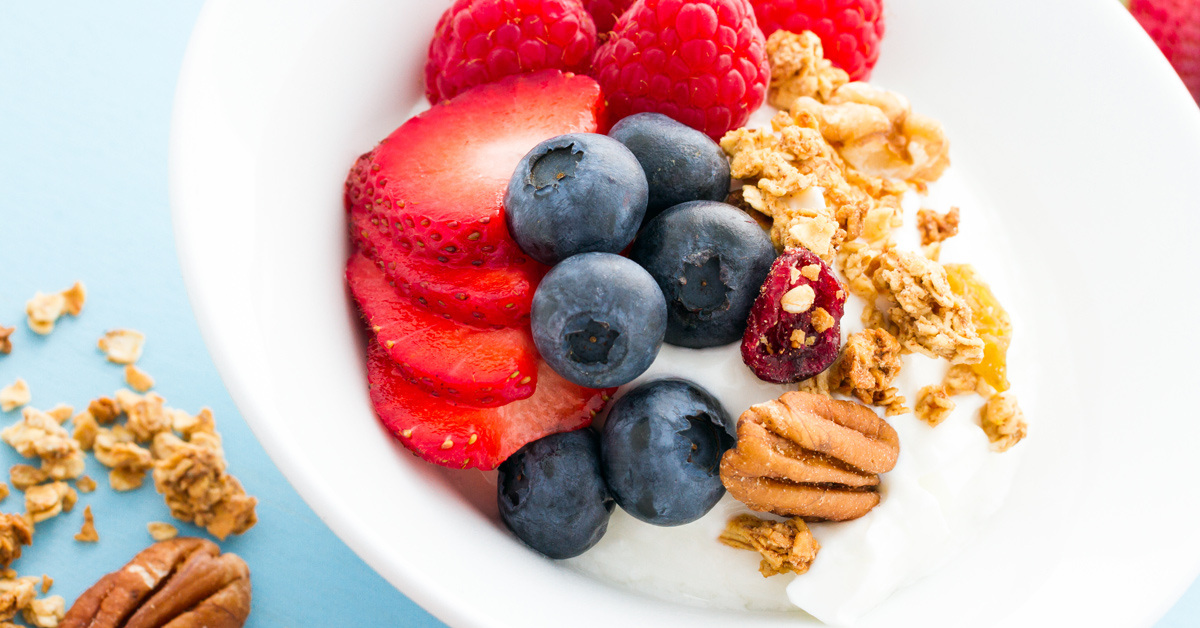
Many probiotic yogurt brands claim that their product contains active, live cultures and many do. But when heat, pasteurization or sterilization is introduced, it kills the bacteria, rendering it useless. While the best kind of yogurt is organic because it does not usually use these processes, you must be aware that different yogurt brands contain different strains of bacteria. Some strains of bacteria may be more effective than others.

The amount of probiotics in each serving of yogurt varies, as well. Yogurt labels do not list a precise amount of colony-forming units (CFUs) (the dosing for probiotics) that are in each serving. Consumer Reports stated in 2011, that most yogurt products contain a wide-range, from 90 billion to 500 billion CFUs per serving. But the amount each person needs daily depends on multiple factors, including your weight and your ailment. So, while adding yogurt to your diet can provide some vitamins, minerals, protein and probiotics, it is unclear if its consumption can do the job of a high-quality probiotic. In order to reap the benefits that probiotics have to offer, you may want to include a probiotic supplement in your diet. Heres what certified nutritionists and naturopathic doctors are saying about superior probiotic supplements.

Probiotic Supplements

According to Archana Gogna, MS, CNS, MBA, levels of probiotics tend to decrease with age and are lowered by factors such as a poor diet and obesity. As these levels decrease, problematic bacteria in the gut thrive. The most important strains of probiotic bacteria include Lactobacillus, Bifidobacterium and bacillus.

Lactobacillus bacteria inhabit the small intestine, mouth and vaginal tissue. Bifidobacterium are more numerous and are major inhabitants of the large intestine (colon). Both create many important metabolites out of their food and perform a number of functions including burning fat, controlling appetite, fueling digestion and detoxification and support immunity. Bacillus bacteria are spore-bearing bacteria that carry around their own house (and are the only ones to do so). This makes them resistant to heat, moisture, light, stomach acids and digestive enzymes.

When searching for a superior probiotic supplement, make sure that the bacterial strains are non-GMO and that it is a vegetarian formula. The formula should be free of gluten, soy and dairy and contains five of the most important strains of bacteria. All strains must be supplied with at least 2 billion CFU per strain to be sure they can survive and colonize.

Questions about Probiotics? Leave Scientific Director and Pharmacist Jerry Hickey a comment below!


INVITE HEALTH CURRENT SALE