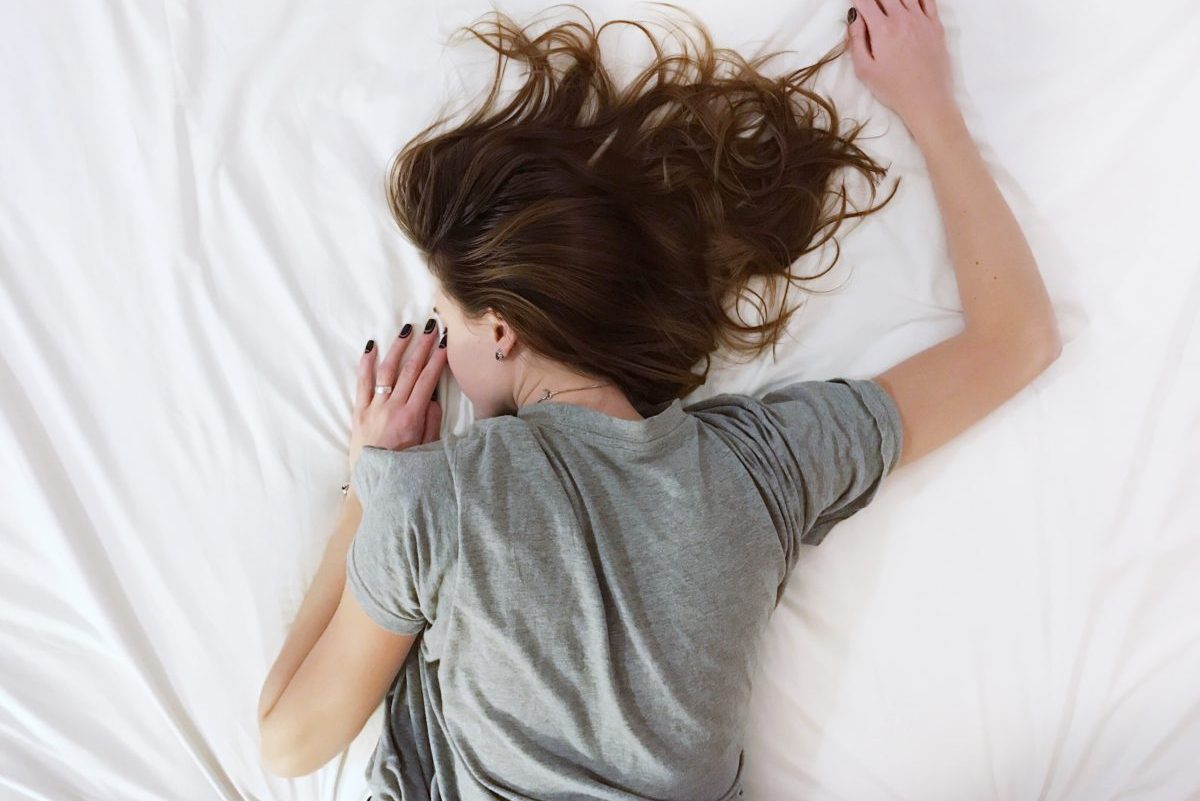
There are thousands of us who like to slip into our pajamas and put our heads down for a good night’s sleep. But what happens when you find yourself lying away in the early hours of the morning because you can’t fall asleep or can’t stay asleep? You’re not alone! About 70 million Americans suffer from chronic sleep problems, according to the Centers for Disease Control and Prevention (CDC).”Lack of sleep is associated with injuries, chronic diseases, mental illness, poor quality of life and well-being, increased healthcare costs, and lost work productivity,” reports the CDC.
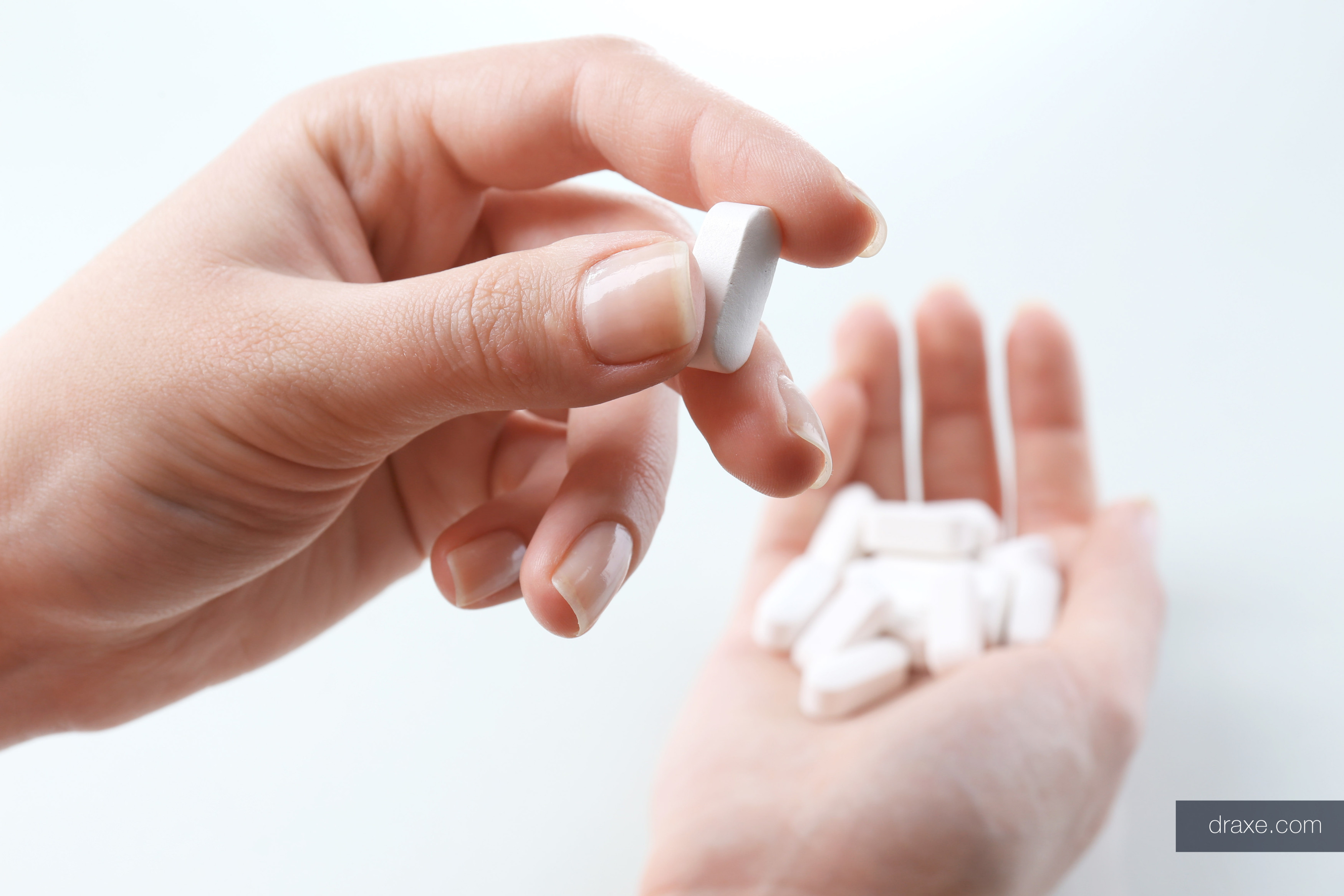
Luckily, there are a number of things that people can do to try and improve their sleeping schedule. Here are some of the most popular supplements that might help you get to sleep and stay asleep, for the nights rest you’ve been searching for, according to former InVite® Health Nutritionist, Millie Lytle, ND.
Melatonin
Melatonin is a hormone produced in the pineal gland in the center of your brain. Melatonin regulates the body’s circadian rhythms, your body’s 24-hour clock that regulate your sleep-wake cycle. The levels of melatonin in the blood are highest prior to bedtime. When Melatonin is high, cortisol is low. Melatonin is also essential for the synthesis of Serotonin. As a supplement, it re-calibrates your 24-hour body clock for shift workers or those who work nights. Excellent for jet lag and traveling. In a systematic review of sleep aids used for children and adolescents with ADHD, melatonin showed a positive response, higher total sleep time, and easier time falling asleep at bedtime as well as after waking in the middle of the night6.†
5-HTP
5-HTP (5-Hydroxytryptophan) is an amino acid that contributes to healthy serotonin activity in the brain during the day. By supporting and regulating your brain’s serotonin supply during the daytime hours, 5-HTP helps to boost your mood, promote a feeling of overall well-being, stabilize mood swings and decrease anxiety. Overnight, 5-HTP acts as the precursor to your brain’s natural melatonin production. This function may help support a restful night’s sleep. The daytime and night-time activities of 5-HTP work together to improve your mood and restore mental energy.†
Valerian Root
Valerian root has been used as a sedative and anti- anxiety treatment for more than 2,000 years. Extracts of the roots of valerian (Valeriana officinalis) are widely used for inducing sleep and improving sleep quality. A review of 16 small studies suggests that valerian may help people fall to sleep faster with only minor side effects and no hangover5. Valerian’s sedative properties becomes more effective over time, so it’s best to take it every night for a short period of time. Start with the lowest dose (200mg) then increase over several days’ time (up to 1000mg). Valerian is considered safe to take for four to six weeks alone or in combination with other herbs, but not alcohol or sleep medications. Valerian does not work for everyone.†
L-Theanine
L-Theanine, anextract from green tea, is excellent for persistent thoughts. Day or night, take for anxiety, panic and to calm down worrisome thoughts by increasing blissful alpha-waves in the brain, before bed or in the middle of the night. It works fast and comes with very few side effects. L-Theanine, when compared with the drug Zolpidem, increased speed of falling asleep children with ADHD using Zolpidem experienced zero sleep benefits and many side effects6.†
Magnesium
Magnesium is a mineral essential to over 400 functions in the body. It is essential for blood pressure and blood sugar regulation. It is an electrolyte that calms the heart rate, eases muscle cramping and restless leg syndrome. It is also relaxing to the nervous system. Supplementation of magnesium improved subjective measures of insomnia such sleep efficiency, sleep time, early morning awakening in one study on elderly people. It also reduced stress signaling, such as lowering cortisol and increased melatonin levels in the same population2. If L-Theanine relaxes the mind, Magnesium relaxes the body.†
Alternatives Methods for a Good Quality Sleep
One of the best practices that help to fall asleep is exercising. Another good tip is to finish dinner at least 2 hours prior to “hitting the hay” and develop a sleep routine. Follow this checklist to help turn your nights into dreams:
- Turn off cell phones, computers and the television at least an hour before bed
- Go to bed at a regular time each night. The best time is at least 1-2 hours prior to midnight.
- Engage in gentle activities such as: calm conversation, listening to soothing music or meditation tracks, light stretching, having a bath, drinking herbal teas, reading a novel, cuddling or other intimate contact, or petting an animal.
Once into bed, only do sleep-time activities. Trying to find the solution for you can be difficult as there are so many techniques online. Other methods can include using essential oils such as lavender applied to the bottoms of feet and on pillows can be enjoyable and soothing. If counting sheep are not enough to blank your mind, then try an exercise-based relaxation technique called progressive-relaxation, which involves clenching each muscle group of the body as hard as possible, then enjoy the relaxation. Progressive relaxation clears the mind and relaxes the body.
References:
Mai E and Buysse DJInsomnia: Prevalence, Impact, Pathogenesis, Differential Diagnosis, and Evaluation. Sleep Med Clin. 2008; 3(2): 167–174.
Bent S, Padula A, Moore D, Patterson M, Mehling W. Valerian for sleep: a systematic review and meta-analysis. Am J Med. 2006 Dec;119(12):1005-12.
Barrett JR, Tracy DK and Giaroli G. To Sleep or Not To Sleep: A Systematic Review of the Literature of Pharmacological Treatments of Insomnia in Children and Adolescents with Attention-Deficit/Hyperactivity Disorder. J Child Adolesc Psychopharmacol. 2013 Dec 1; 23(10): 640–647





 Jerry Hickey is a pharmacist and