Photo by Lucaxx Freire on Unsplash Researchers from the University of California (UCLA) have discovered that adults that spend more time sitting in the day had greater thinning of the medial temporal lobe, the area of the brain that is important for making new memories. …
Being physically fit is known to contribute to a host of healthy benefits, including staving off metabolic diseases and protecting against heart disease. Now, a new study says that being physically fit can highly decrease a women’s risk of dementia. What is Dementia? According to …
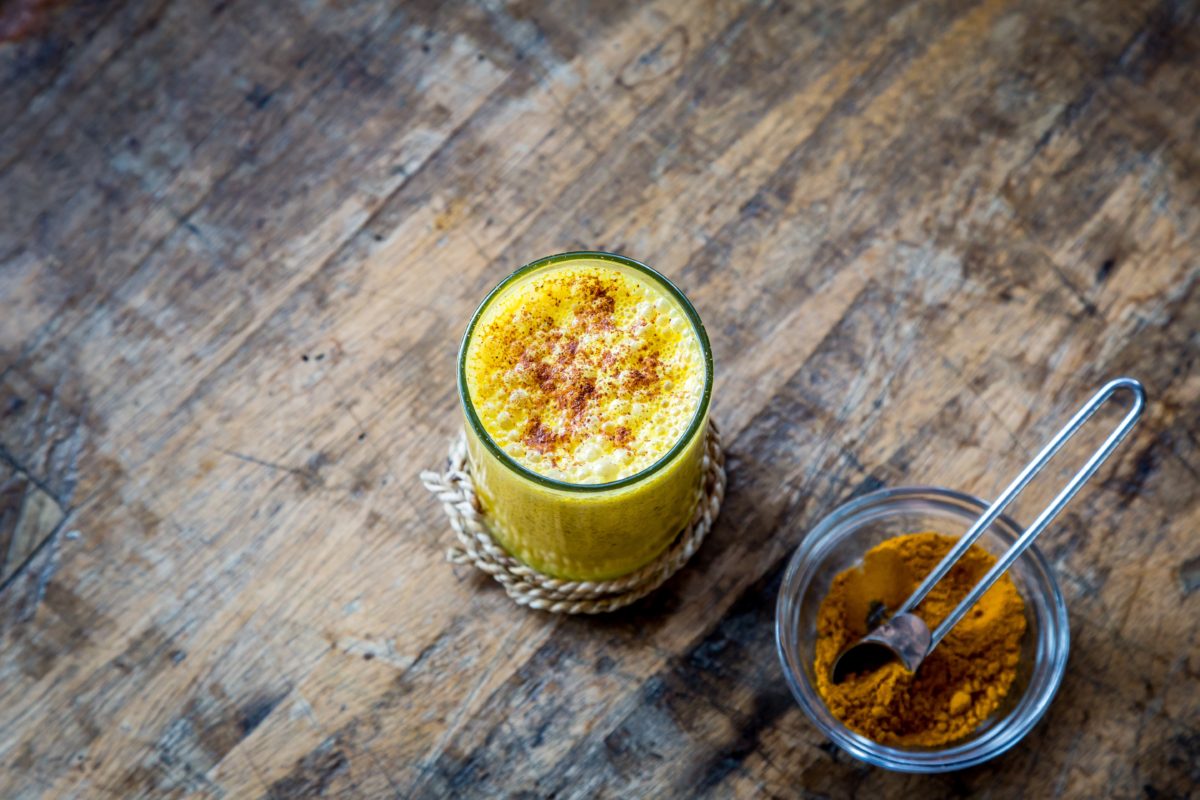
Curcumin, or Curcuma longa, is a major ingredient in the Turmeric root. It is a ginger-like plant used for its powerful healing properties in China, the Middle East and India. Turmeric refers to the plants underground stem, rich in a variety of powerful ingredients collectively and generically known as Curcuminoids, with Curcumin being the prominent constituent. Turmeric is widely available as a fine, bright-yellow powder. It is a major constituent in curry, giving it both its color and flavor. Traditional Indian medicine has used Curcumin against biliary disorders like issues with the gall bladder, cold symptoms, and swellings caused by injury. The Himalayan system of medicine recommends turmeric for insect stings, wounds, inflammation, pimples and as a skin tonic. This is why many of today’s DIY face masks and cleansers use Turmeric as the main ingredient to stave off acne, blemishes and discoloration.
Research on Curcumin Today
Research on this herb today is exploding, with more than 2000 reports presently available. This is because Curcumin has been shown to act on multiple targets in the human body and at multiple levels.
Memory
Over the years, studies have shown that Curcumin, or taking Turmeric itself, specifically improves memory in older individuals. Researchers at UCLA’s Longevity Center 40 older people with mild memory complaints into their study. Their age ranged from 50 to 90. They were randomly given Curcumin or placebo (a sham capsule) twice a day for 18 months. The participants were given cognitive assessment tests at the start of the study and every six months and their blood was tested to make sure they were actually taking the herbal ingredient. Many also received PET scans of their brains at the start of the study and again at the 18 month point.
Results show the individuals who took Curcumin had a 28% improvement in their memory over the 18 month period. The people on the placebo had no improvement. Those taking Curcumin also had a mild improvement in their mood. Their PET scan also showed significantly less evidence of beta-amyloid brain plaques and less of the tangled mess of nerve tissue known as tauopathy which are both found in Alzheimer’s disease; this was in their amygdale and hippocampus – regions of the brain involved with memory and emotional functions. The study is published in The American Journal of Geriatric Psychiatry.
Mood
A study published in the journal Phytotherapy Research shows BioCurcumin may benefit individuals with depression. In a small study of sixty patients with major depressive disorder (MDD), participants were split into three groups of 20 and given either 500mg capsule of BioCurcumin twice daily, 20mg daily of fluoxetine, or the combination of BioCurcumin with Fluoxetine. All three groups had good improvement in their level of depression. The proportion of responders as measured by the HAM-D17 scale was higher in the combination group (78 %) than in the fluoxetine (65 %) and the Curcumin (63 %) groups.
While the benefits of Turmeric extend to inflammation and tenderness, this potent herb can be difficult to absorb. Using Turmeric as a spice adds both flavor and a health-kick, taking Curcumin as a herbal supplement has been shown to produce a more profound effect. Combining Curcumin with 5-Loxin®, a frankincense plant, actually helps in the absorption of the nutrient and with joint discomfort, as it inhibits one of the pathways that cause inflammatory responses throughout the body. Because of this, the combination – called Bio-Curcumin® 5-Loxin® – is a powerful herbal support for joint tissue, brain and intestinal health all in one!
Questions on Curcumin? Leave us a comment below to join the conversation!
by Nicole Crane, B.S., NTP Chocolate is one of nature’s most powerful superfoods. But it’s benefits can be reversed when milk, cholesterol from milk solids and enormous amounts of refined sugars are added (i.e. the chocolate we all know and love!). What is Cocoa? Cocoa …
The National Academies of Sciences, Engineering, and Medicine released a report in June 2017 that says there is evidence that three interventions may slow cognitive decline and the onset of dementia, though much more testing is needed. What is Dementia? According to the Alzheimer’s Association, …
According to the Alzheimer’s Foundation of America, Alzheimer’s disease is a progressive, degenerative disorder that attacks the brain’s nerve cells (neurons), which results in loss of memory, thinking and language skills, and behavioral changes. Affecting more than a million Americans, this debilitating disease has scientists and researchers in over-drive to find a cure. But a new study, performed by a professor (Dr. Dale Bredesen) at the Buck Institute for Research on Aging and a professor at the Easton Laboratories for Neurodegenerative Disease Research at UCLA, shows exciting and hopeful results for Alzheimer’s patients, specifically regarding the reversal of memory loss.
The Study
image source: http://www.freemalaysiatoday.com/
Published in the journal Aging, Dr. Bredesen and researchers studied 10 patients experiencing age-related memory decline after a brain scan showed improvements after using MEND, Metabolic Enhancement for Neurodegeneration. MEND is a 36-point regimen of a combination of diet, exercise, brain stimulation, sleep improvements, medication, vitamins and other protocols patients must follow for five to 24 months.
The Results
In short, under the MEND protocol, participants who had to discontinue work were able to return to work, and those struggling at work were able to improve their performance.
image source: http://www.prevention.com/
For example, one 66-year old patient reported he experienced what he called “senior moments” for two years, like forgetting where he placed his keys and forgetting scheduled appointments. An MRI showed a hippocampal volume (the area of the brain that controls learning and memory, but shrinks in Alzheimer’s patients) at only the 17th percentile for his age. This participant began the MEND protocol and, the study reports, lost 18 pounds, and after three months reported that his memory improved, work came easier, and 10 months later his hippocampal volume increased to the 75th percentile. However, after five months and a discontinuation of the MEND protocol, the participant’s wife reported that she came home to “find his car in the driveway, idling with the keys still in the ignition, while he was inside” and unaware his car was left running outside. After he re-initiated the program, the report says he no longer experienced “forgetful” episodes.
The MEND program could be very difficult to follow as it calls for a full lifestyle change for Alzheimer’s patients– nutrition, exercise, sleep, and stress reduction are all major components of the program. Dr. Bredensen said health coaches will be provided to the patients to help simply the program. Dr. Bredensen also reported. “The MEND protocol was suitable for patients in the early stages of Alzheimer’s”, as one participant in a 2014 study who was diagnosed with late-stage Alzheimer’s showed improvement when following the protocol.
Researchers agree that more research is necessary but are excited that this small case study “provides a nice point to start a discussion.”