Author: Danielle Menke

Fitness Spotlight: Do “Weekend Warriors” Have the Right Idea?

Fitness Spotlight: Do “Weekend Warriors” Have the Right Idea?

A new study published in the journal JAMA Internal Medicine says that packing the recommended amount of weekly exercise into just one or two workout sessions may lower your risk of death close to risk levels that regular exercise offers. Though WHO (the World Health …

New Analysis: Blood Pressure Levels Rising Worldwide

New Analysis: Blood Pressure Levels Rising Worldwide

According to a new analysis published in the Journal of the American Medical Association and based on more than 8 million people from 154 countries across 844 studies, elevated blood pressure is a worldwide concern. Certain foods and heart health supplements can make a major …

5 Tips to Keep Your Skin Healthy this Winter

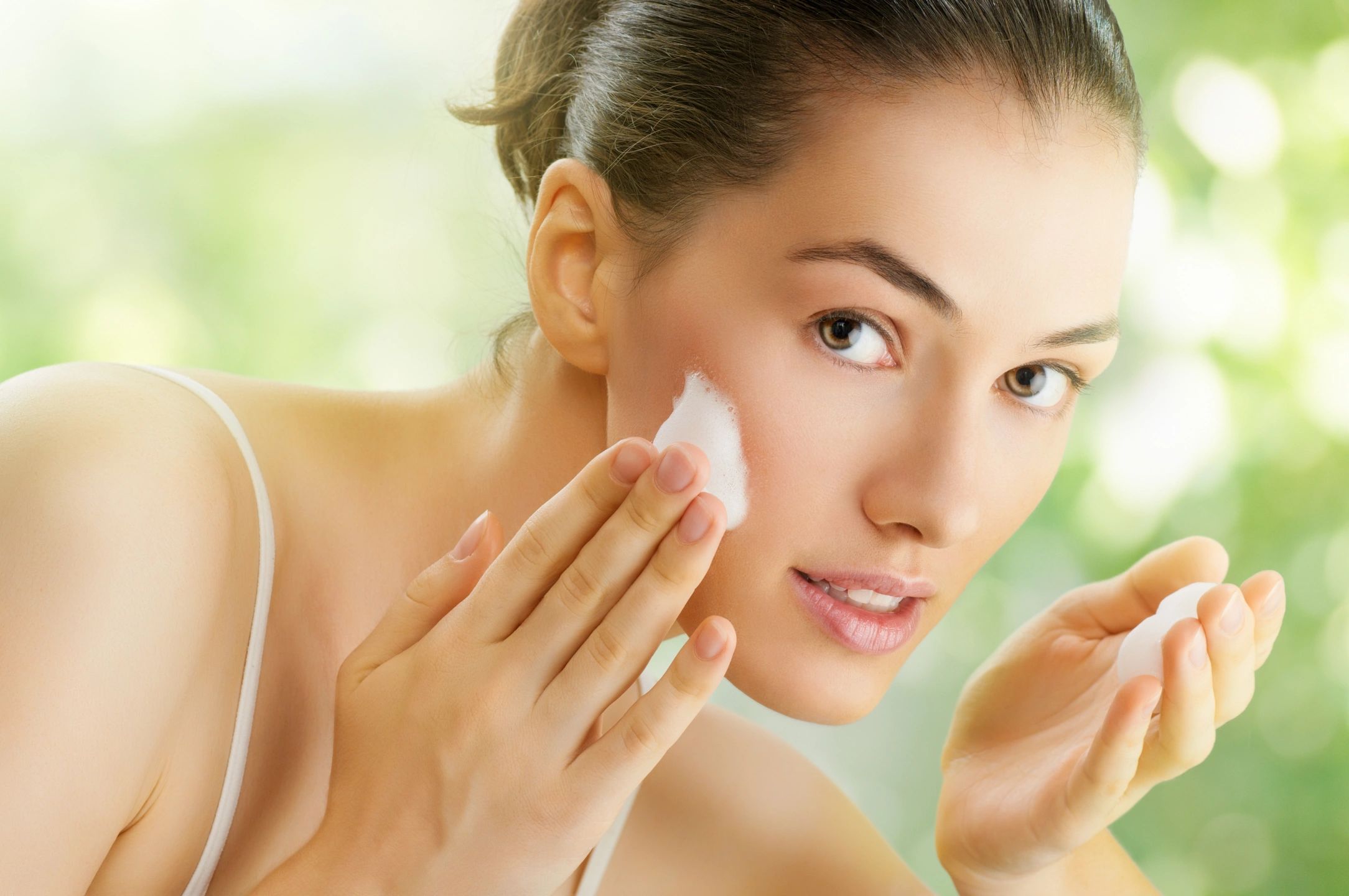
5 Tips to Keep Your Skin Healthy this Winter

The skin is the largest organ in the body and it is responsible for many functions that contribute to our health and well-being. It protects the body against physical and chemical aggressions, serves as a sensorial receptor, regulates body temperature, and supplies our cells with oxygen, water, and minerals. It also synthesizes Vitamin D from the sun, which is essential for healthy, strong bones and bone growth.

But winter months can leave it feeling dry and looking dull due to harsh weather conditions. Here are some tips to maintain the health of your skin all season long –

Protect your Lips

If you’re head gets cold, you make sure to put on a hat. The same thinking should be carried out when your lips get dry – put on some protection! The dryness of winter can leave your lips dry, chapped and may even cause stinging or burning. You’ll want to use a product that moistens your lips the natural way – with antioxidants. Applying antioxidant-emollient protection to your lips may also provide immune support, while keeping your lips moisturized.

Skin cosmeceuticals are full of essential nutrients and ingredients that can help fortify and maintain a smooth, healthy and youthful appearance, while leaving it soft, radiant and hydrated.

Facial Moisturizer

Not only do moisturizers provide hydration for the skin, but they may also counteract the effects of aging. Moisturizers that contain Vitamin D and Collagen can enhance moisture, smoothness, texture and resilience. The addition of essential vitamins may also help revitalize skin affected by fine lines and wrinkles, and help to exfoliate your skin, removed dead skin cells.

Start using Collagen

Approximately 70% of skin and 36% of bone is made out of collagen. Collagen is used to form skin, hair, nails and bone. It naturally slows with age, starting at about age 25, at a rate of about 1.5% per year. A study in the journal Skin Pharmacology and Physiology reports that applying collagen cosmetics to the face will fill in lines, reduce wrinkles, and increases moisture content. Collagen is also available as a dietary supplement in powdered form, easily mixed into your favorite beverages.

‘Nourish Skin From the Inside Out with Collagen’ by Nicole Crane, BS, NTP – Click to read this article!

Stop Using Products with Harmful Ingredients

Sixty percent of what you apply to your skin is absorbed into your body, according to Mariesette Zeyl, ND of InVite® Health. “It is likely that your daily go-to skin care routine contains products that are loaded with harmful toxins and chemicals that could be affecting your health negatively. You may not notice immediate reactions to these products, but overtime the toxic burden can slowly build up in our bodies.” Here are some ingredients that you should avoid. Remember: If you can’t pronounce it, then it probably isn’t good for you!

  • Butylated hydroxyanisole (BHA) are synthetic antioxidants that are commonly used as preservatives in lipstick and moisturizers, among other cosmetics. BHA and BHT have been known to cause allergic reactions in the skin
  • Dibutyl phthalate (DBP) is mainly used in nail products as a solvent for dyes and to prevent nail polish from turning brittle.
  • Parabens penetrate the skin easily and can also interfere with hormone function, as they mimic estrogen. In one study, parabens were detected in human breast cancer tissues.*
  • Fragrances: Over 3,000 chemicals are used as fragrances that act as irritants and can trigger allergies and migraines. In addition, a survey found that amongst asthmatics, perfumes or colognes triggered asthma attacks in three out of four individuals.*
  • Sodium Laureth Sulfate is a cleansing chemical that makes products bubble and foam, commonly found in shampoos, soaps, facial cleansers and body gel. There is evidence that sulfates can actually cause rashes and irritation.*

Here’s what these harmful ingredients can do to your body, according to Mariesette Zeyl, ND of InVite Health!

Start using Products with these Ingredients

  • Vitamin C
  • Vitamin A
  • Aloe Vera
  • Shea Butter
  • Mango Butter

Here’s why these ingredients can benefit your skin and overall health, according to Mariesette Zeyl, ND of InVite Health!

What are some other methods you follow during the winter season to keep your skin as healthy as possible? Share your feedback in the comments!


INVITE® HEALTH CURRENT SALE

New Study: Omega-3s Protect Kids from Asthma

New Study: Omega-3s Protect Kids from Asthma

A new study says the risk of persistent wheeze or asthma was about 7% lower in children of mothers who received fish oil supplements during the third trimester. Here is what you need to know about the study and fish oils -The oils from fatty …

Probiotics for Healthy Individuals, Not Just Digestive Issues

Probiotics for Healthy Individuals, Not Just Digestive Issues

Most research performed on the benefits of Probiotics have focused on the benefits they provide for digestive health, specifically in individuals with gastrointestinal disorders and conditions. However, a new study says that a daily dose of a multi-species probiotic could help improve intestinal health even …

New Study: Vitamin D & Light Exercise Prevents Falls For Elderly

New Study: Vitamin D & Light Exercise Prevents Falls For Elderly

Researchers at the School of Comprehensive Rehabilitation, Osaka Prefecture University in Japan studied 91 elderly subjects who were fragile and institutionalized in nursing homes for a three month period. One group received counseling on falls, and was given two individualized and one group exercise class each week, and had objects that were hazards for falling removed from their living space. The second group was given the same counseling and hazard removal but received a twice a week guided exercise regimen to specifically build strength and reduce fall risk. The third group was given 900 IU of Vitamin D3 each day with food. The last group received both the 900 IU of Vitamin D3 combined with the twice a week guided exercise regimen.

Results of the Study in Elderly Individuals

Vitamin D cut the incidence of falling by 43%. The twice a week exercise cut the incidence of falling by 53%. Adding the vitamin to the guided twice weekly exercise reduced the incidence of falling by 73%. The research is published online ahead of print in the International Journal of Gerontology.

Read, “Vitamin D3 and Bone Health” By Lisa Flax, former Nutritionist at InVite® Health by clicking here!

The ‘Sunshine’ Vitamin

Vitamin D has become one of the most highly recommended dietary supplements over the last few years by healthcare professionals. This vitamin is not technically an essential vitamin, since the body naturally synthesizes the “sunshine vitamin” through a chemical reaction between the sun’s UV rays and the cholesterol on your skin. Nevertheless, it has been estimated that approximately 70% of North Americans have Vitamin D deficiencies. This is due to a combination of factors: low levels of sunlight for most of the year, obesity, sun avoidance, and low consumption of foods high in Vitamin D such as fatty fish (salmon, tuna, sardines). Inadequate levels of this vitamin in the body often leads to conditions such as rickets and osteomalacia, which bring on symptoms like bone and muscle pain, enlarged joints, and easily fractured bones. Given the high prevalence of this deficiency, this could be the most essential of all the conditionally essential vitamins.

New Study: Low Vitamin D levels linked to rapid and severe mental decline in the elderly

Vitamin D3 supplementation can effectively reverse common vitamin D deficiency. Vitamin D3 is the active form of vitamin D. It is sourced from sheep’s wool and easily absorbed by the body. Vitamin D3 1000IU may be taken in multiple servings to increase Vitamin D levels and correct deficiencies. Research suggests that an adequate supply of vitamin D can help maintain normal blood sugar levels and support blood pressure already within normal range, when taken as part of a well-balanced diet. Vitamin D may help promote a healthy immune response as well by activating T and B cells of the immune system. In fact without sufficient vitamin D levels, the immune system cannot function properly to resist infection.

Despite these results, there is no saying that vitamin D prevents falls altogether; falls will still inevitably happen amongst the elderly. When they do occur, it’s important to be prepared and for the elderly faller to be escorted to hospital as soon as possible. If you know an elderly person who’s fragile or taking frequent falls, as well as getting them some Vitamin D, it may be worth looking into a fall detection device for top safety.

Do you take Vitamin D? What do you think about this new study? Leave us a comment to join the conversation!

INVITE® HEALTH CURRENT SALE