Author: Danielle Menke

Not Getting Enough Sleep?

Not Getting Enough Sleep?

According to the Centers for Disease Control and Prevention (CDC), 35% of United States adults do not get enough sleep, an issue that can lead to increased risks of developing a number of diseases and conditions. Sleep is an important part of good health, as …

The Dirt on Skin Care Products By Mariesette Zeyl, ND

The Dirt on Skin Care Products By Mariesette Zeyl, ND

By Mariesette Zeyl, ND Did you know that we absorb up to 60 percent of what we apply on our skin? Yes, it is true! Anything you are putting on your skin is being absorbed into your body and into your bloodstream. Our skin is …

Digestive Health and Vitamin D

Digestive Health and Vitamin D

Up to 70% of Americans suffer from low levels of vitamin D due to low sunlight for much of the year, avoiding the sun during the summer months, and/or insufficient consumption of food sources. Without an adequate amount of this “sunshine vitamin”, you may become more prone to conditions effecting bone and muscle health but may also face digestives issues, like bloating and abdominal pain. “There are vitamin D receptors located throughout the colon that help regulate bowel inflammation – and not getting enough vitamin D could interfere with that. Vitamin D also seems to play a role in the production of the mood-boosting neurotransmitter serotonin, which may be why people with IBS are also more likely to be depressed and rate quality of life as low.” [For more information on Vitamin D, click here!]

Published in the Journal of British Society of Gastroenterology, researchers set out to investigate a link between vitamin D deficiency and gastrointestinal conditions – inflammatory bowel disease, colorectal cancer and irritable bowel syndrome. In this small 12-week trial, 51 participants were either given a placebo or a combination of vitamin D and probiotics. Eighty-two percent of participants with irritable bowel syndrome (a disorder affecting the colon characterized by abdominal pain, constipation, diarrhea, and bloating) had insufficient vitamin D levels. Researchers found that the lower the vitamin D levels, the more severe the participants symptoms and quality of life. Study coauthor Bernard Corfe, PhD, stated, “Right now, it’s too early to say if vitamin D deficiency causes IBS, or if people with some of these symptoms like frequent bloating – but not full-blown IBS – are also more likely to be low in vitamin D. But there is good reason to believe that increasing vitamin D levels will improve general bowel health, as previous research shows that conditions like inflammatory bowel disease and colorectal cancer are associated with low vitamin D levels.”

In a much earlier study published in 2007 in the October issue of the American Journal of Physiology; Gastrointestinal and Liver Physiology, researchers from the University of Chicago used mice to demonstate the link between inflammatory bowel disease and vitamin D deficiency. The mice were fed dextran sulfate sodium (DSS), an irritant that can cause intestinal damage. The mice that had a genetic disturbance in their ability to use vitamin D quickly developed severe diarrhea, rectal bleeding, and severe weight loss. The mice that could use vitamin D, were “basically resistant to the irritant effect of lower doses of DSS.”

While both studies say further testing and research is needed, Dr. Corfe suggests that “Upping vitamin D intake via sun exposure, supplements, and food may help remedy certain symptoms for those with IBS and promote good general bowel health for the average person.”

Source: Prevention

InVite® Health Current Sale

New Study: People with Metabolic Syndrome Live Longer with Lycopene

New Study: People with Metabolic Syndrome Live Longer with Lycopene

What is Lycopene? Lycopene is a naturally occurring pigment that gives fruits and vegetables a red color; it is an important carotenoid and research indicates that it may be the most important carotenoid for the skin and body. On the other hand, Lutein (the carotenoid …

New Study: Nutrition and Mental Health

New Study: Nutrition and Mental Health

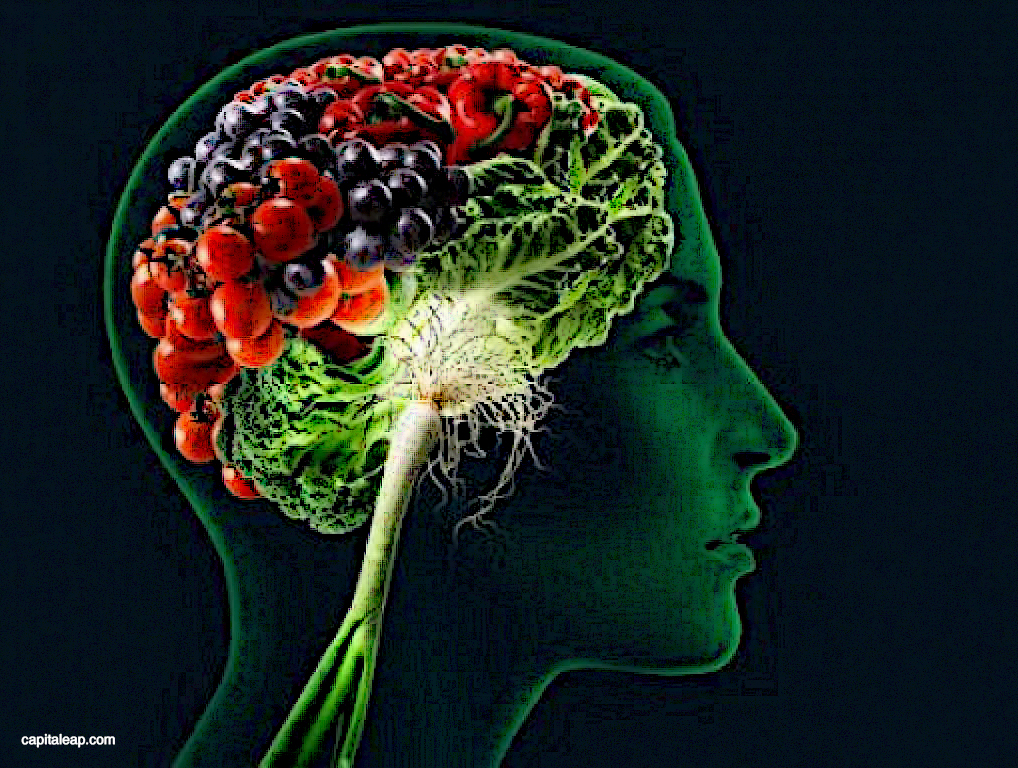
Researchers from the University of Las Palmas de Gran Canaria in Spain are exploring the link between nutrition and mental health, namely the association between healthy dietary patterns and their association with the risk of depression. Almudena Sanchez-Villegas, lead researcher of the study, explains, “We …

New Study: Zinc Supplementation Improves Immune System Function in the Elderly

New Study: Zinc Supplementation Improves Immune System Function in the Elderly

Supplementing elderly people in a nursing home with Zinc improves the Function of their Immune System

Zinc is a micro-mineral, meaning we need less of it than others. As far as the amount of a mineral the body requires on a daily basis, it may be split into two groups of minerals – macrominerals and trace minerals. There are seven macrominerals that your body needs in larger amounts – calcium, phosphorus, magnesium, sodium, potassium, chloride and sulfur. Your body needs smaller amounts of trace minerals which include iron, manganese, copper, iodine, zinc, and selenium.

Many chronic diseases of the elderly including atherosclerosis, diabetes, neuro-degenerative disorders, Parkinson’s disease, and age-related macular degeneration are related to chronic inflammation and increased oxidative stress. This mineral plays an important role in immunity and healing and it is also an antioxidant and anti-inflammatory agent. In developed countries, nearly 30% of the elderly are zinc deficient, with many others having low levels of zinc, but not to the level of deficiency.

Zinc has a number of property benefits, meaning it can be used for a variety of needs and functions- from health to skincare.

Previous Study

In a previous study, researchers from the Department of Medical Oncology at Wayne State University School of Medicine and the Karmanos Cancer Center in Detroit report that studies where the elderly are supplemented with zinc have shown decreased numbers of infections, improved antioxidant activity (decreased oxidative stress or internal rusting), and decreased generation of inflammatory cytokines (biochemical molecules that increase inflammation). There are also decreased incidences of blindness in patients with age-related macular degeneration and increased protection against hardening of the arteries (atherogenesis) observed in the zinc supplemented elderly. Zinc is a molecular signal for proper function of immune cells and many gene-related factors involved in the release of inflammatory cytokines are regulated by zinc. *The study is published in the August 2014 issue of the Journal of Trace Elements in Medicine and Biology.

New Study

In this new study, researchers from the USDA Research Center on Aging at Tufts University, along with researchers from the Section of Infectious Diseases and Section of Geriatrics at Boston University School of Medicine, Harvard Medical School, and Boston University School of Public Health enrolled 53 nursing home residents aged 65 or older. Thirty-one (58%) had a low concentration of zinc in their serum. They were randomly split into two groups -one received 5mg of zinc a day and the other received 30 mg of zinc a day for three months. For some, 30mg a day was not a sufficient enough dosage to raise serume zinc levels to normal.

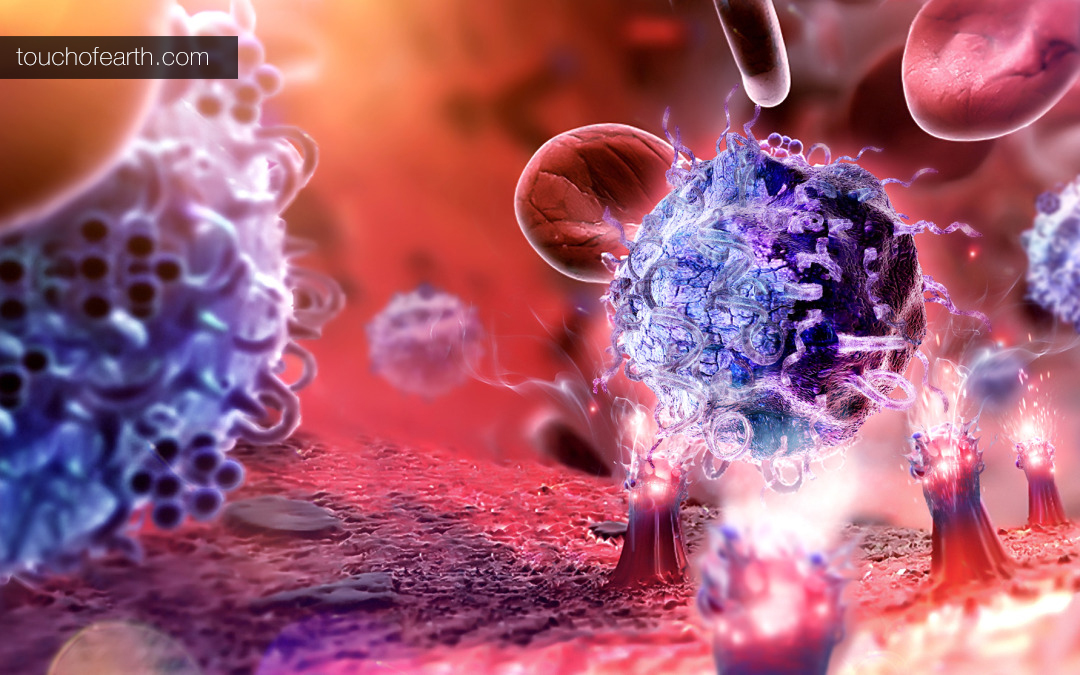
Supplementation of 30mg a day significantly improved the number of T-cells, however. T cells are a group of lymphocytes that play a large role in our immune systems response and especially for cell-mediated immunity. This is the defense against tumor cells and dangerous organisms that occur inside body cells and every effective immune response involves T cell activation. The abbreviation “T” stands for thymus, the organ in which the cells final stage of development occurs. *The study is published in the January 27th, 2016 issue of The American Journal of Clinical Nutrition.

Click here for Jerry Hickey, R.Ph’s full collection of Radio Studies!

Questions for Jerry Hickey, R.Ph? Click here to email him directly!

InVite® Health Current Sale