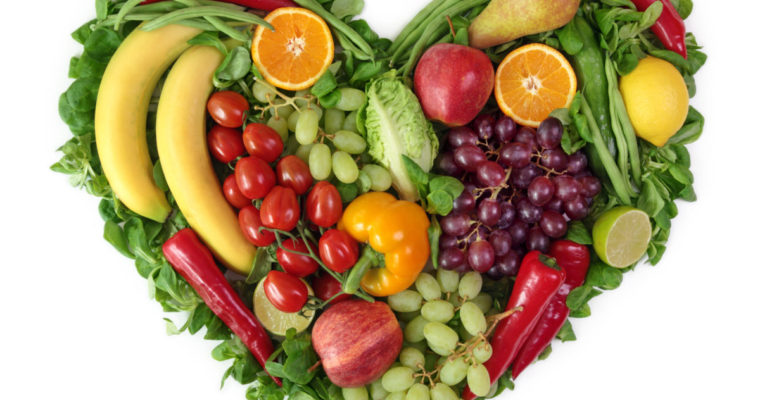
Harvard: 11 Foods That Lower LDL-Cholesterol
It is easy to eat your way to high cholesterol levels. But it may also be easy to lower LDL-cholesterol by changing the foods that you eat.
Nutrition. Vitamins. You.
It is easy to eat your way to high cholesterol levels. But it may also be easy to lower LDL-cholesterol by changing the foods that you eat.
The presence of excess body fat is known as Overfat; posing an increased risk of chronic diseases, mortality and reduced quality of life.
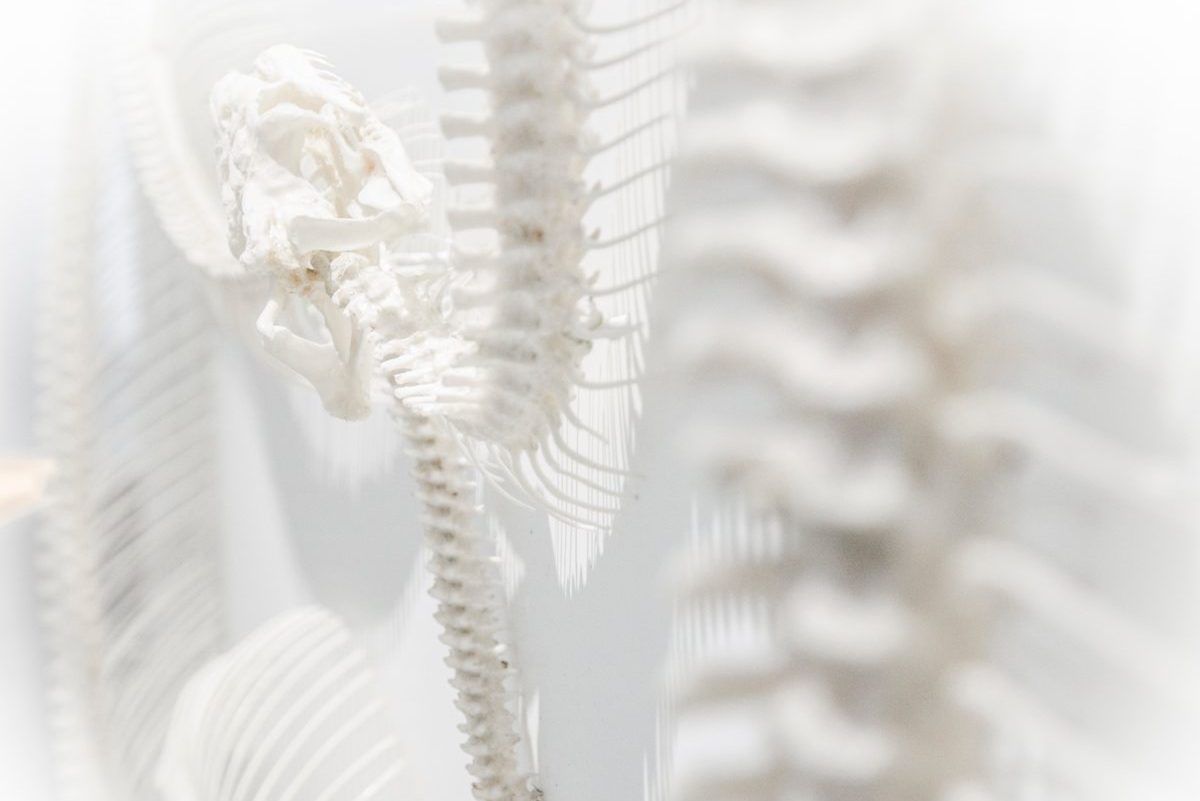
Written By: Nicole Crane, B.S. NTP
Peel back the layers of skin and muscle and imagine your bones. You are likely thinking of something very rigid and static that does not change once you reach adulthood. Despite being a hard substance, our bones are very much alive, growing and changing throughout our lives. This means that if we nourish our bones correctly, we can keep them healthy for our entire lifetime. There is a lot more to bone health than just getting enough calcium. In fact, taking calcium alone may even be problematic, as calcium needs several nutrients to direct it to the bones. Without these nutrients, calcium may get laid down in our arteries, kidneys and other organs and can eventually cause damage.
In 2011, the per capita consumption of milk alone was 174.1 pounds (or 2,785 ounces) and 603 pounds of all dairy productsi , yet there are still millions of people who have low bone density. The National Osteoporosis Foundation reported in 2014 that 10.2 million Americans have osteoporosis (brittle bone disease) and another 43.4 million Americans have osteopenia (low bone density, a precursor to osteoporosis)ii . Two million bone breaks and fractures are also attributed to osteoporosis, yet more often than not, osteoporosis is never tested for or even considered.iii Clearly, there are other factors involved besides getting enough calcium. In fact, there are nearly 25 nutrients that make up our bones and are needed for proper mineralization of our bones!
Our bones are made of a protein-mineral matrix. We essentially have two types of bones; 75% makes up the hard exterior and protects bone from trauma and 25% of softer tissue on the inside of bone, which includes bone marrow and allows bones to withstand pressure without breaking. The minerals make our bones hard and strong. Our bones contain calcium, potassium, manganese, magnesium, silica, iron, zinc, selenium, boron, phosphorus, sulfur, chromium, and many more. The proteins include collagen and osteocalcin, which gives our bones flexibility and allows them to bend without breaking. It is collagen which allows us to twist our bodies and sustain falls without experiencing a bone fracture. This softer tissue is more metabolically active and has a higher turnover rate. There are a few factors that affect the health of our inner bones, like low estrogen levels in both women and men, steroid use and immobilization. Similarly, a very sedentary lifestyle can lead to loss of this type of bone.
Our bones are constantly being broken down and built back up, so the body can remove old frail bone cells and replace them with new strong ones. This is a normal process the body must do to repair for the microdamage of daily life. When you stub your toe or hit your elbow, your body needs a way to repair that tissue. The osteoclasts break down bone and prevent old bone cells from accumulating. They make proteins and enzymes which dissolve the bone tissue. While this may sound like a negative factor, the osteoclasts are important. Without them, old, weak and worn out bone cells would not be removed and replaced with new, strong bone tissue. The osteoblasts are the other key to bone health, helping the body lay down new bone tissue. Their main job is to lay down the protein matrix and attract calcium compounds to it. When we are children, new bone is added faster than old bone is removed. Women reach 85% of their bone mass by age 18. Men reach 85% of their bone mass by age 20. Good nutrition and mineral intake during this stage of life is so important for healthy bones later in life. We reach our peak bone mass at around age 30. After this age, old bone is removed faster than new bone can be laid down. At this point, it is key to maintain the bones you have because the time where it is very easy to build new bones has ended. While it is still possible to build new bones, it is just not nearly as efficient for the body as it was when you were young. It is normal to lose some bone as we age, but good nutrition and a healthy lifestyle can prevent damaging rates of bone tissue loss.
There are several major factors to consider when it comes to what breaks down our bones and may interfere with bone health.
Luckily, there are many things you can do to build up your bones. Nutrition is where it all starts. Given the right vitamins and minerals, the body can be put into a state where the bones have the optimal potential to regenerate. These nutrients play a critical role in activating the bone building osteoblasts and making sure the osteoclasts that break down bone are functioning normally.
IMPORTANT NOTE: Due to the effect of Vitamin K and K-rich foods on those taking prescription blood thinners like Coumadin (Warfarin), supplemental K should be avoided and individuals should speak to their health practitioner about the proper intake of Vitamin K rich foods.
It’s never too late or too early to build healthy bones. Be sure to think beyond calcium – you want to be sure you are at least increasing your magnesium, vitamin D and vitamin K levels. If you need therapeutic bone support, consider adding strontium, collagen powder or silica. With the right nutrition and lifestyle factors, the body will take the steps to heal itself, without medications. Our bones are dependent on good nutrition.
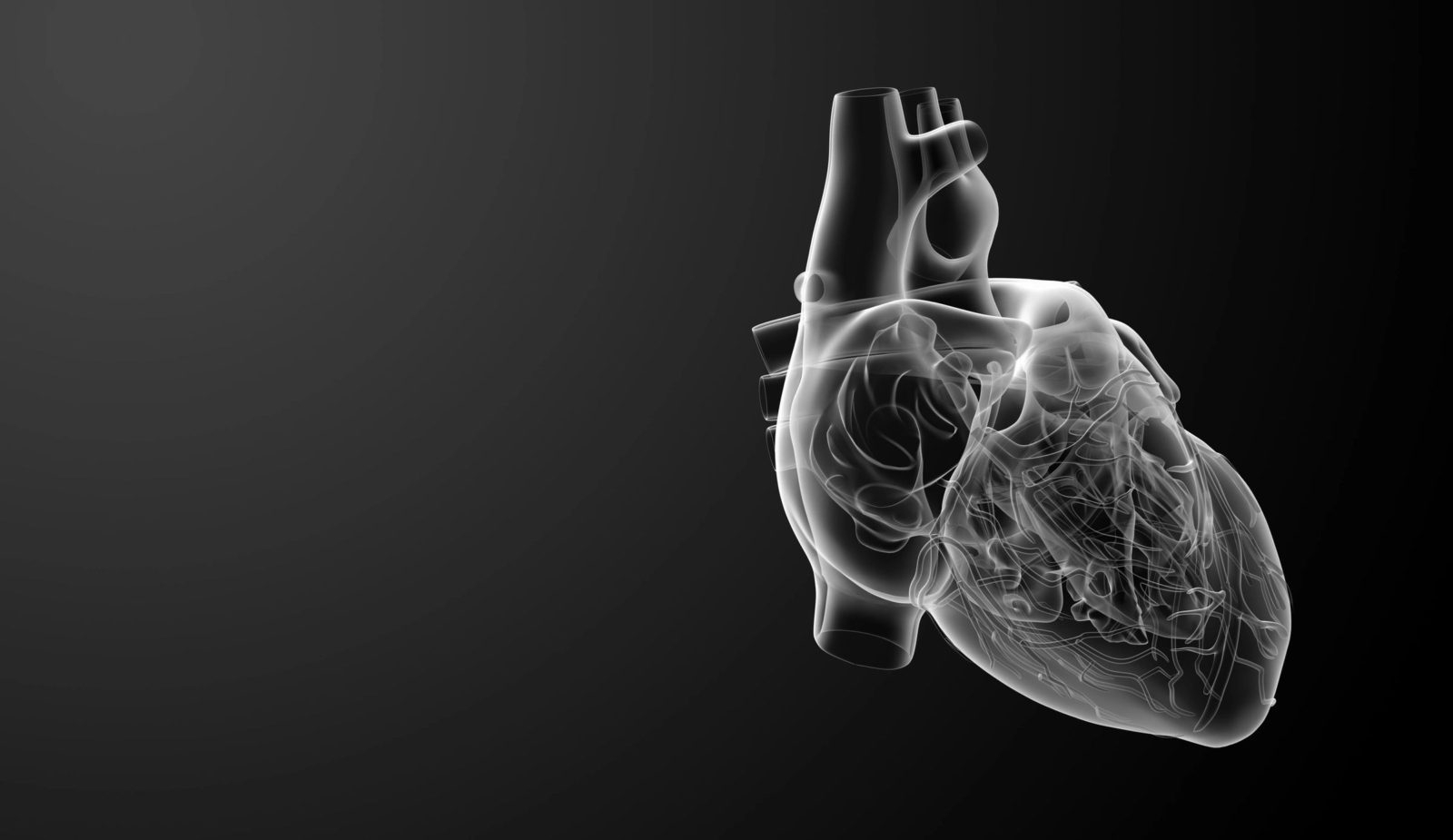
New research suggests that iron may have a protective effect against heart disease, which could pave the way for new treatments in the future. What is Heart Disease? Cardiovascular Disease (CVD), known as heart disease, is related to Atherosclerosis, a condition that develops when plaque …
Many of us rely on a caffeinated cup of coffee or tea at the start of our day to get ourselves going and provide that boost of energy we all need. Caffeine is commonly used to increase wakefulness and improve concentration and focus. But how …
A new study by researchers at Rush University Medical Center in Chicago shows has developed a diet plan, called the MIND diet, that may reduce the risk of developing Alzheimer’s disease by as much as 53 percent. Even those who didn’t stick to the diet perfectly but followed it “moderately well” reduced their risk of Alzheimer’s by about a third.
Nutritional epidemiologist Martha Clare Morris, PhD, the lead author of the MIND diet study, says diet, genetics and other factors like smoking, exercise and education play a role. But the MIND diet helped slow the rate of cognitive decline and protect against >Alzheimer’s regardless of other risk factors.
The study, published in the journal Alzheimer’s & Dementia, reviewed data from more than 900 people between the ages of 58 and 98 who filled out food questionnaires and underwent repeated neurological testing. It found participants whose diets most closely followed the MIND recommendations had a level of cognitive function the equivalent of a person 7.5 years younger.
This diet combines many elements of two other popular nutrition plans which have been proven to benefit heart health: the Mediterranean diet and the DASH (Dietary Approaches to Stop Hypertension) diet. MIND stands for Mediterranean-DASH Intervention for Neurodegenerative Delay.
But the MIND diet also differs from those plans in a few significant ways and proved more effective than either of them at reducing the risk of Alzheimer’s. The MIND diet recommends frequent servings of green leafy vegetables. Kale, spinach, broccoli, collards and other greens are packed with vitamins A and C and other nutrients. At least two servings a week can help, and researchers found six or more servings a week provide the greatest brain benefits.
The Mediterranean and DASH diets do not specifically recommend these types of vegetables, but the MIND diet study found that including greens in addition to other veggies made a difference in reducing the risk of Alzheimer’s.
Like other diets focused on weight loss and heart health, the MIND diet emphasizes the importance of vegetables for brain health. The researchers recommend eating a salad and at least one other vegetable every day to reduce the risk of Alzheimer’s.
Even “modest adherence” to the MIND diet measurably reduced a person’s chances of developing Alzheimer’s disease, and the longer you stick with it, the greater the benefits. “People who eat this diet consistently over the years get the best protection,” said lead author Martha Clare Morris. “You’ll be healthier if you’ve been doing the right thing for a long time.”
“Additionally, exercise, getting enough sleep, and challenging the brain with math and learning, or doing crossword puzzles is important for maintaining memory. So is treating depression. Engaging in social interaction is important; spend time with friends and if you don’t have enough maybe consider introducing yourself to some neighbors. I would add real cocoa, organic green tea, and mushrooms to the list of desirable foods along with the culinary herbs rosemary, cinnamon (in moderation), turmeric, and oregano. I would also have fish more than once a week; two or three times seems more like it.”