Recent Posts

CDC: STDs at Record High in the U.S.

CDC: STDs at Record High in the U.S.

Photo by Brooke Cagle on Unsplash According to the Center for Disease Control and Prevention (CDC), more than two million cases of chlamydia, gonorrhea and syphilis were reported in the U.S in 2016, the highest number ever recorded. The majority of the diagnoses were cases …

The Threat on your Plate: Salt may Increase Diabetes Risk

The Threat on your Plate: Salt may Increase Diabetes Risk

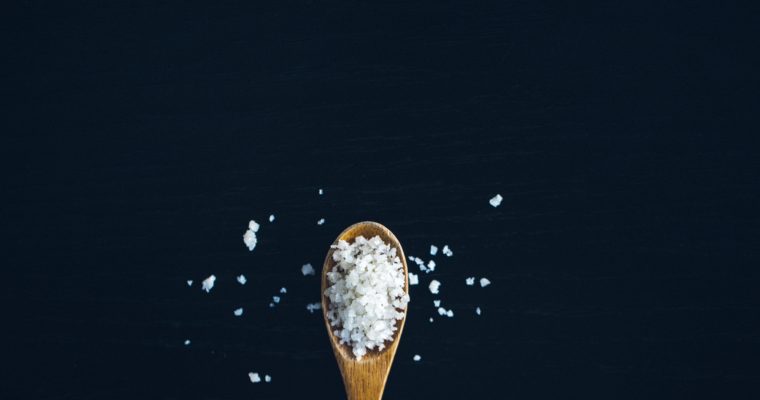
Photo by Jason Tuinstra on Unsplash Diabetes is a vicious and life-threatening disease. It is a condition where your blood sugar is continuously and seriously elevated. The excess circulating blood sugar is very destructive, inflaming tissues in the heart and circulation, the eyes, brain, kidneys …

Cocoa Also Supports Your Gut, Not Just Your Brain

Cocoa Also Supports Your Gut, Not Just Your Brain

Trillions of bacteria live in our gut – both healthy and unhealthy. When the body has more unhealthy bacteria than healthy bacteria, it can cause digestive problems such as bloating and gassiness. Research has shown that balanced levels of “good” bacteria is needed for proper digestion and overall health. A new study says that cocoa may be an important factor for digestive health, as well.

Cocoa

What is Cocoa?

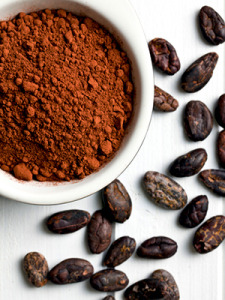
Cocoa, derived from the cacao bean, is chocolate in its natural form (without all of the additives) that contain essential minerals and polyphenols. Its benefits are generally reversed when milk, cholesterol from milk solids, and an enormous amount of refined sugar are added, creating the chocolate we all know and love today.

Because of cocoa’s natural components, it offers excellent antioxidant protection. Studies have shown that cocoa increases circulation to the brain and heart, improving healthy blood flow due to its flavonols, which may also help manage blood pressure.

Gut and Cocoa

In order to reap the benefits of cocoa, our bodies must break it down and absorb its nutrients; this is dependent on the bacteria that live in our intestines. Numerous studies have shown that its consumption actually increases the levels of good bacteria in the gut.

Researchers from the Department of Food and Nutritional Services at the University of Reading in the UK measured higher levels of good bacteria (Probiotics) Lactobacillus and Bididobacterium species in the intestines of human volunteers who drank high-cocoa chocolate milk for 4 weeks. The same team a few years earlier proved that components in cocoa can reduce the growth of Clostridium histolyticum bacteria, which are present in the guts of individuals with inflammatory bowel disease.

In a 2014 study, unveiled at the 247th National Meeting & Exposition of the American Chemical Society, researchers from Louisiana State University tested three cocoa powders using a model digestive tract. “In our study, we found that the fiber is fermented and the large polyphenolic polymers are metabolized to smaller molecules, which are more easily absorbed. These smaller polymers exhibit anti-inflammatory activity,” said John Finley, Ph.D. Finley went on to note that combining the fiber with prebiotics is “likely to improve a person’s overall health and help convert polyphenolics in the stomach into anti-inflammatory compounds.”

Cocoa Supplement

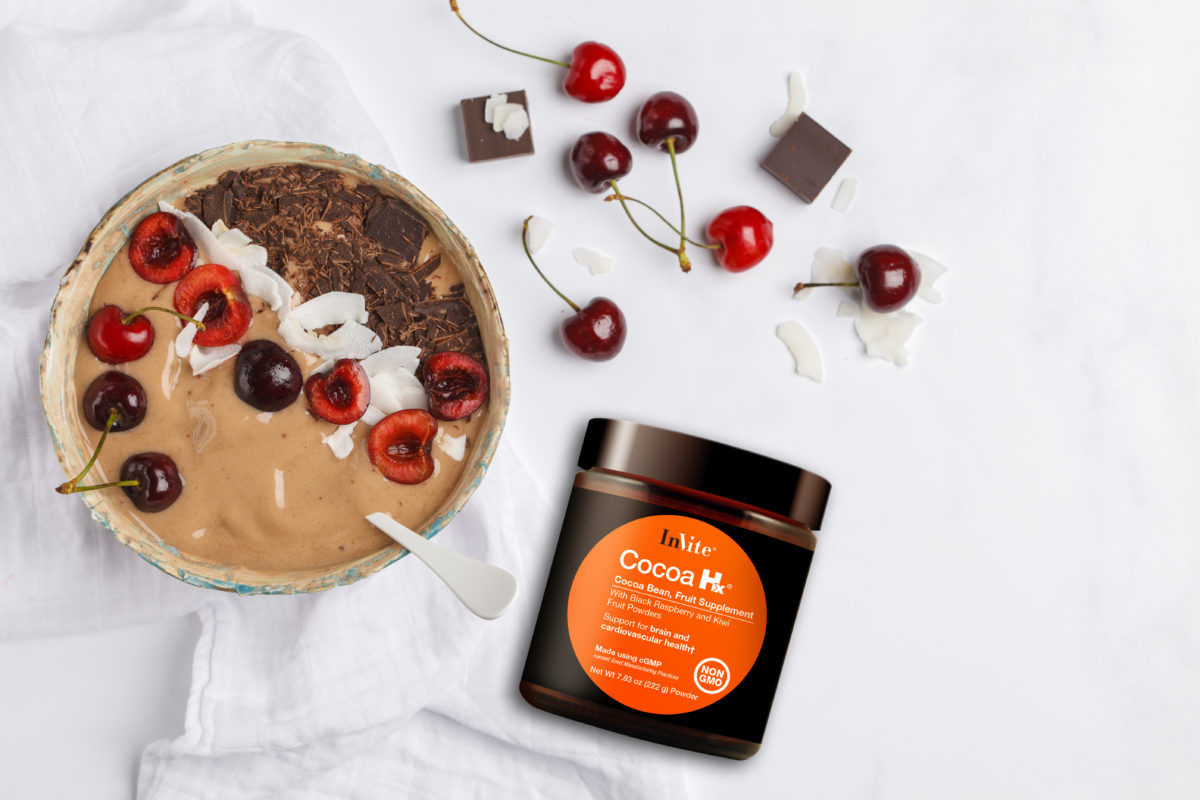
Supplementing with cocoa allows your body to obtain all of the nutritional component that occur naturally in pure dark chocolate, without the saturated fat, sugar or calories commonly found in chocolate bars. A high-quality non-GMO supplement may also contain other ingredients like kiwi or black raspberries to support respiratory health, and protect your genes and DNA throughout the aging process. These powerful nutrient-rich ingredients may also provide further support for the digestive tract, including the mouth, stomach and colon.

Questions for Scientific Director and Pharmacist, Jerry Hickey? Leave a comment now!

INVITE® HEALTH CURRENT SALE

Collagen Explained: Not All Are Created Equal

Collagen Explained: Not All Are Created Equal

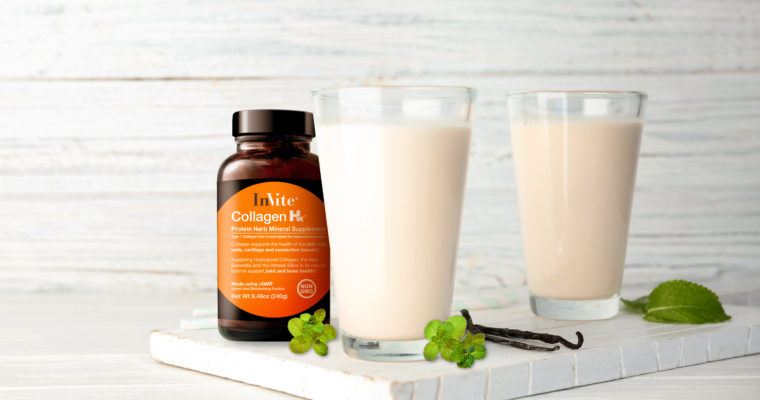
Collagen is the most abundant protein in our bodies. It is found in our bones, skin, nails, muscles, tendons and ligaments. Think of Collagen simply as the ‘glue’ that holds us together. While our bodies naturally produce Collagen, by the time we hit age 25, …

How InVite® Health Leads the Industry

How InVite® Health Leads the Industry

“I have the simplest of tastes. I am always satisfied with the best.” -Oscar Wilde From jewelry to vitamins, choosing which product is the best for you can be an overwhelming experience. Most customers will choose to purchase the cheapest products because they found a …

Winter is Here! Let L-Carnitine Keep You Warm

Winter is Here! Let L-Carnitine Keep You Warm

Photo by Laurence Cruz on Unsplash

A common complaint of older adults is their inability to stay warm, as they are more sensitive to the cold. New research has found that L-carnitine may be able to jump-start the body’s central heating. Say goodbye to your snuggie!

Conducted at the University of Utah Health in Salt Lake City, a study using mice set out to investigate the ability to keep our bodies warm. As we age, our ability to do so is compromised, which sets older individuals up for a higher risk of hyperthermia. Researchers set out to determine if they could lower that risk. To do this, senior author Claudio Villanueva, Ph.D, an assistant professor of biochemistry, focused on fats.

Types of Fats

There are two types of fat cells (adipocytes) – white fat and brown fat. White fat is the predominant form of fat in the body, especially in connective tissue. It functions as the largest energy resource in the body and is a thermal insulator that cushions our internal organs and helps regulate appetite and hunger. But too much white fat, as with everything in life, can be dangerous. According to Pam Peeke, MD, MPH, FACP, white fat is generated by consuming too many calories and expending too few calories. You know the fat we’re talking about – it’s found around the hips, thighs and belly region.

Iron and tiny blood vessels give brown fat its color. Its purpose is to burn calories in order to generate heat, which is why it is often regarded as the “good fat”. Brown fat is derived from muscle tissue. But, as we age, the quantity of brown fat significantly decreases. According to Peeke, adults who have comparatively more brown fat than white fat tend to be younger, slender and have normal blood sugar levels. We generate brown fat by exercising and getting enough sleep.

Peeke goes on to explain that white fat interacts with brown fat. Here’s why – “When people overeat, they not only increase their total amount of white fat, but the over-consumption results in their brown fat becoming dysfunctional and thus unable to burn calories.” In order to keep everything balanced eat whole foods in moderation, stay active, practice stress resilience, and lead a mindful lifestyle.

The Study

Researchers found that acylcarnitines, a waxy lipid, rose rapidly in response to lower temperatures, but in older mice, acylcarnitines remained relatively low – a possible sign that they had less control over their core temperature. Researchers gave older mice a single dose of the common nutritional supplement L-carnitine, which is known to increase levels of acylcarnitines. The increased levels of circulating acylcarnitines improved the older mice’s ability to adapt to the cold.

At first, the result of higher levels of acylcarnitines were daunting, as it is commonly seen as a warning sign. For example, infants that have higher levels of acylcarnitines indicate metabolic disease. However, this is the first time that researchers have reported levels have been coming from the liver. From the liver, lipids circulated through the bloodstream and stopped at “energy-intensive tissues”, where they were metabolized by acylcarnitines to be used to generate heat. To test this, researchers artificially reduced the amount of circulating acylcarnitines. Once lowered, even younger mice struggled to warm up in cold temperatures.

Until now, finding a way to activate brown fat has proven difficult. Now, with the knowledge that acylcarnitines might act as a switch, it is likely to pick up pace.

L-Carnitine Supplement

L-Carnitine is a natural substance found in most cells of the body, and it is crucial for the production of energy. After your body metabolizes fats and carbohydrates into fatty acids, L-Carnitine transports them into the mitochondrial power plants of the cell, where they serve as fuel for energy production. Simply put, L-Carnitine turns fat into energy.

As a dietary supplement, L-Carnitine offers support for healthy fat metabolism, resulting in healthy and lean body mass, and increases endurance, strength, and stamina in the muscles. L-Carnitine allows the body to convert fat into energy so the muscle can use it. Remember, the heart is a muscle as well, and a very metabolically active one at that! L-Carnitine is ideal for helping to strengthen and protect the heart, as well as recover from exercise.

Questions about L-Carnitine? Leave them in the comments for Scientific Director and Pharmacist, Jerry Hickey.

INVITE® HEALTH CURRENT SALE