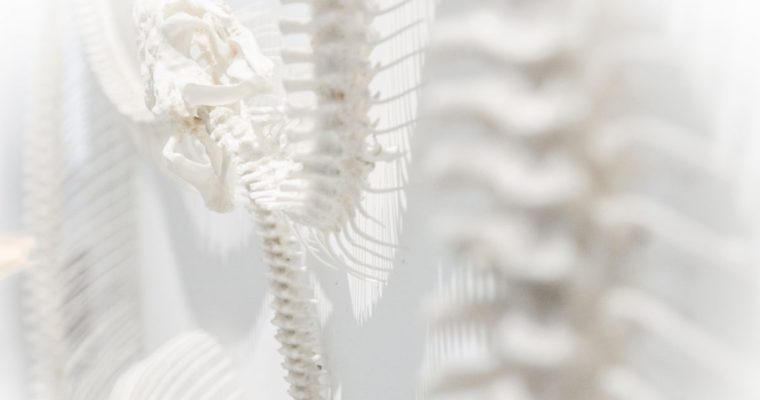
Healthy Bones: Why Calcium Alone Just Doesn’t Cut It
Our bones are constantly being broken down and built back up, so the body can remove old frail bone cells and replace them with new strong ones. But calcium is not the only nutrient you need.
Nutrition. Vitamins. You.
Our bones are constantly being broken down and built back up, so the body can remove old frail bone cells and replace them with new strong ones. But calcium is not the only nutrient you need.
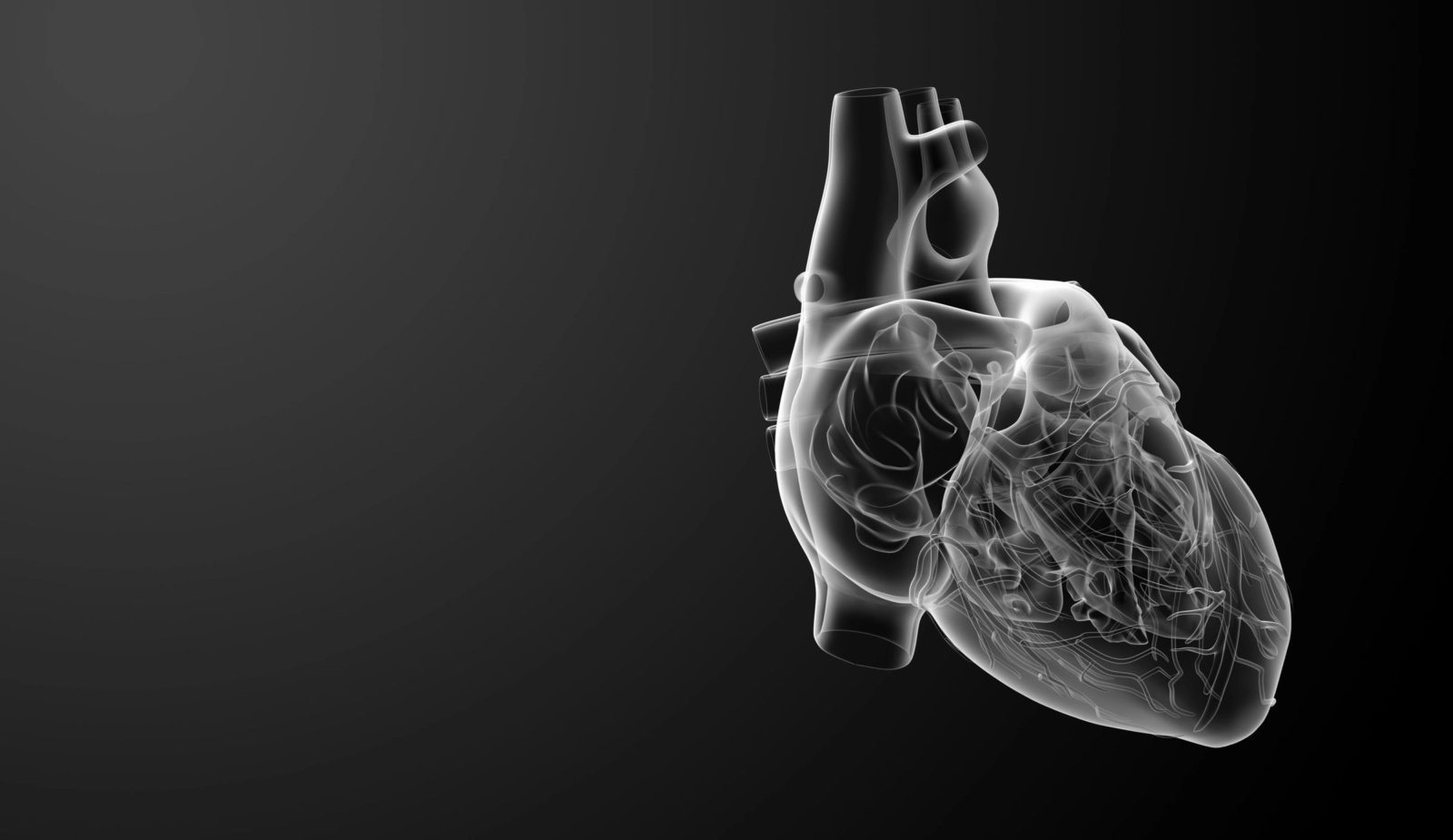
New research suggests that iron may have a protective effect against heart disease, which could pave the way for new treatments in the future. What is Heart Disease? Cardiovascular Disease (CVD), known as heart disease, is related to Atherosclerosis, a condition that develops when plaque …

Many of us rely on a caffeinated cup of coffee or tea at the start of our day to get ourselves going and provide that boost of energy we all need. Caffeine is commonly used to increase wakefulness and improve concentration and focus. But how much caffeine is harmful to our bodies?
According to a study performed in 2013 by the American Academy of Pediatrics, teens (ages 17 and 18) were drinking less soda in 2014 than they did 11 years before. However, in its place came coffee and energy drinks. Researchers found that these teens were drinking almost double the amount of caffeine from these drinks, compared with what they consumed 11 years earlier. Caffeine in small portions may not drastically harm your body, but consuming large portions of caffeine can negatively impact your health.
Caffeine is a natural stimulant and is derived from over 60 different plant sources, including coffee beans, tea leaves, cacao seeds and cola nut seeds. According to the University of Michigan Health Service, the stimulating effect of caffeine can start as early as 15 minutes after consumption and last up to 6 hours.
According to the FDA, for healthy adults, 400 milligrams (about four or five cups of coffee) has been cited as “an amount not generally associated with dangerous, negative effects”. But the FDA and the American Academy of Pediatrics discourages the consumption of caffeine and other stimulants by children and adolescents.
Steven E. Meredith of The John Hopkins University School of Medicine says that caffeine is a psychoactive substance. “Unlike most other psychoactive substances, caffeine use is socially acceptable, and the drug is widely used. In fact, caffeine is the most commonly used psychoactive substance in the world.”
The Mayo Clinic states that consuming more than 500-600mg of caffeine a day may lead to insomnia, nervousness, restlessness, irritability, an upset stomach, a fast heartbeat and even muscle tremors. However, these effects may vary for each individual.
Meredith also notes the reality of caffeine addition and withdrawal – “caffeine activates many of the same behavioral and neuropharmacological mechanisms that are activated by other reinforcers, including other drugs of abuse. And, like many reinforcers, caffeine is associated with various positive subjective effects like increased well-being, sociability, and feelings of energy and alertness. For this reason and others, a small percentage of the population develops caffeine use disorder.” This can trigger headaches, fatigue, drowsiness, depression, irritability, concentration difficulties, nausea, and vomiting.
Kids and adolescents should say clear or caffeine consumption, as the majority of pediatricians report how excessive caffeine intake may impact the developing brain.
According to Mariesette Zeyl, ND, low energy or fatigue is not considered a condition in itself, but a symptom associated with a number of health conditions such diabetes, hypothyroidism, poor circulation, anemia/iron deficiency, allergies, depression, stress and even poor dietary habits. Ultimately, what is responsible for how much energy your body produces is your metabolism. As we age, our daily lifestyle activities do not tend to promote a healthy metabolism. Cellular metabolism is controlled by the powerhouses of the trillions of cells in your body, also known as the mitochondria. The main fuel source for energy production are fatty acids, but they are only able to cross the mitochondrial membrane with help from certain nutrients.
Acetyl-l-Carnitine (ALCAR) plays an important role in transporting energy by shuttling fatty acids directly across into the mitochondria to be burned. Supplementation of ALCAR has a powerful antioxidative ability to improve metabolism and reduce both mental and physical fatigue.
Alpha-Lipoic-Acid (ALA) is also a cellular metabolism nutrient. Aside from being the most powerful and versatile of antioxidants, it enhances energy levels. Research indicates ALA can improve energy production and homeostasis, stress response, and reverse energy decline associated with aging.
A vitamin B-Complex is a combination of all of the B vitamins. They are needed to fight off fatigue and for normal brain function, hormone production and conversion of fats, carbohydrates and protein into energy. Specifically, nicotinamide adenine dinucleotide (NADH) is the activated form of the B3 vitamin niacin, which is essential to any living cell’s energy production. NADH is directly responsible for the release of energy within the mitochondria. It is also a powerful antioxidant. With more than one million Americans suffering from Chronic Fatigue Syndrome (CFS), studies in the management of CFS reported significant reduction in patients’ perception of fatigue with NADH. During exercise, NADH was shown to improve endurance and showed lower oxidative stress.
CoenzymeQ10 (CoQ10, in the active form of Ubiquinol) is an essential nutrient for cellular metabolism. It is typically known for its heart health benefits, but it is essential to creating the spark that ignites the creation of energy. Ubiquinol also acts as a powerful antioxidant as it neutralizes free radicals inside the cell. If you are taking a statin drug, it depletes your body of Ubiquinol, so it can be beneficial to supplement with this invaluable energy creator. In a double-blind, controlled study, Ubiquinol supplementation significantly enhanced peak power production amongst athletes. Another study found that Ubiquinol improved chronic fatigue symptoms in patients suffering from fibromyalgia.
Supplementing daily with ALCAR, CoQ10 as Ubiquinol, ALA, a B-complex and NADH are your keys to energizing your body at the cellular level. Other important things to consider when it comes to achieving optimal energy and banishing fatigue are to increase your water intake; even when you are a little bit dehydrated, that can result in feeling tired. Avoid sugar [Here are some tips on how to quit sugar for good!], caffeine, alcohol, white flour products and processed foods – these are known as energy robbers. Include more nuts, seeds, and fresh fruits and vegetables in your diet, especially green leafy vegetables or a greens powder, which can increase vitality and energy. Last but not least, get regular exercise and adequate rest.
A new study by researchers at Rush University Medical Center in Chicago shows has developed a diet plan, called the MIND diet, that may reduce the risk of developing Alzheimer’s disease by as much as 53 percent. Even those who didn’t stick to the diet …
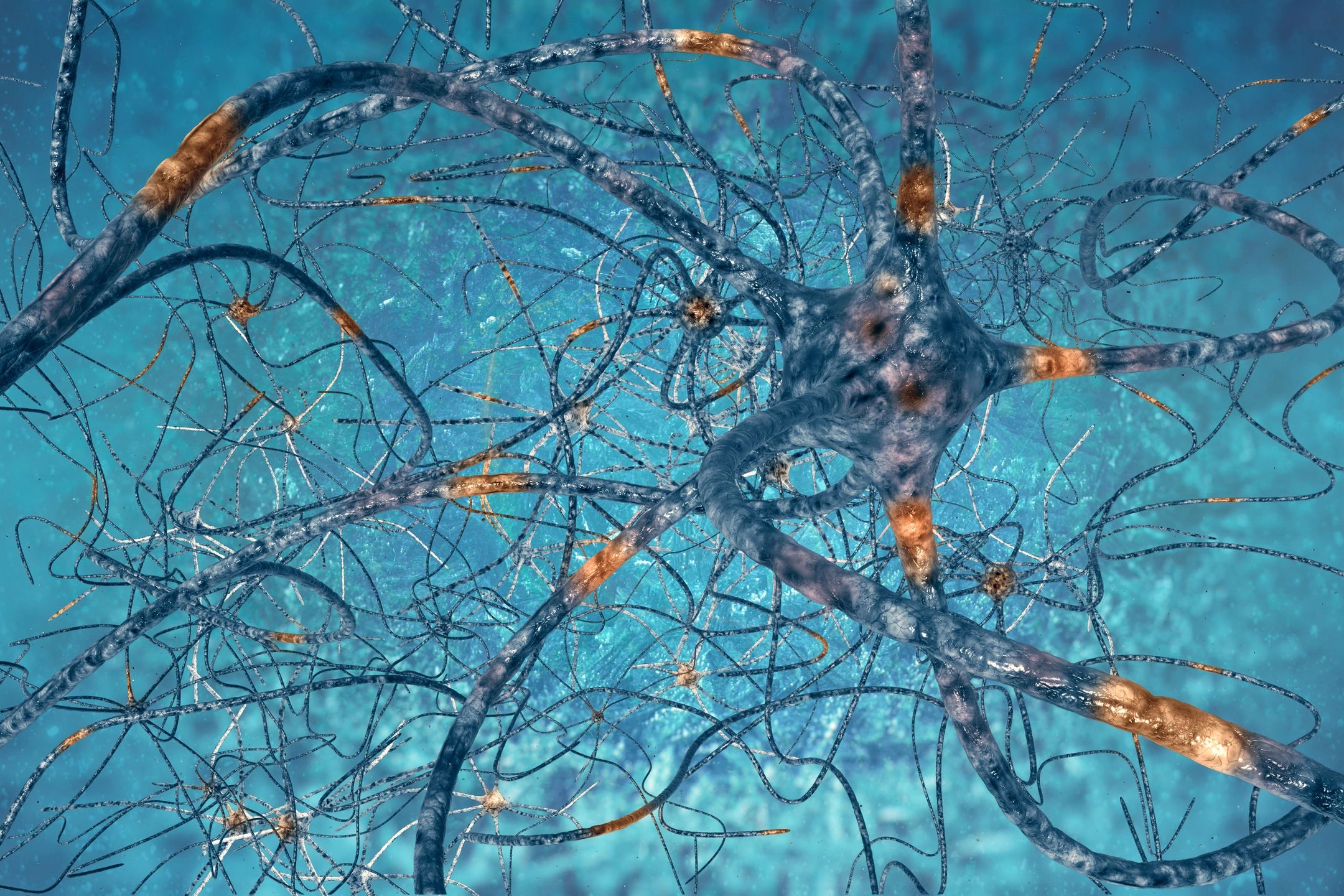
The National Academies of Sciences, Engineering, and Medicine released a report in June 2017 that says there is evidence that three interventions may slow cognitive decline and the onset of dementia, though much more testing is needed. What is Dementia? According to the Alzheimer’s Association, …
The interaction between the gastrointestinal tract and the nervous system is called the Gut Brain Axis. And it’s gaining a lot of attention from both scientists and consumers. Though the number of clinical trials that explore this link is limited, recent reviews of this interaction are showing promising results.
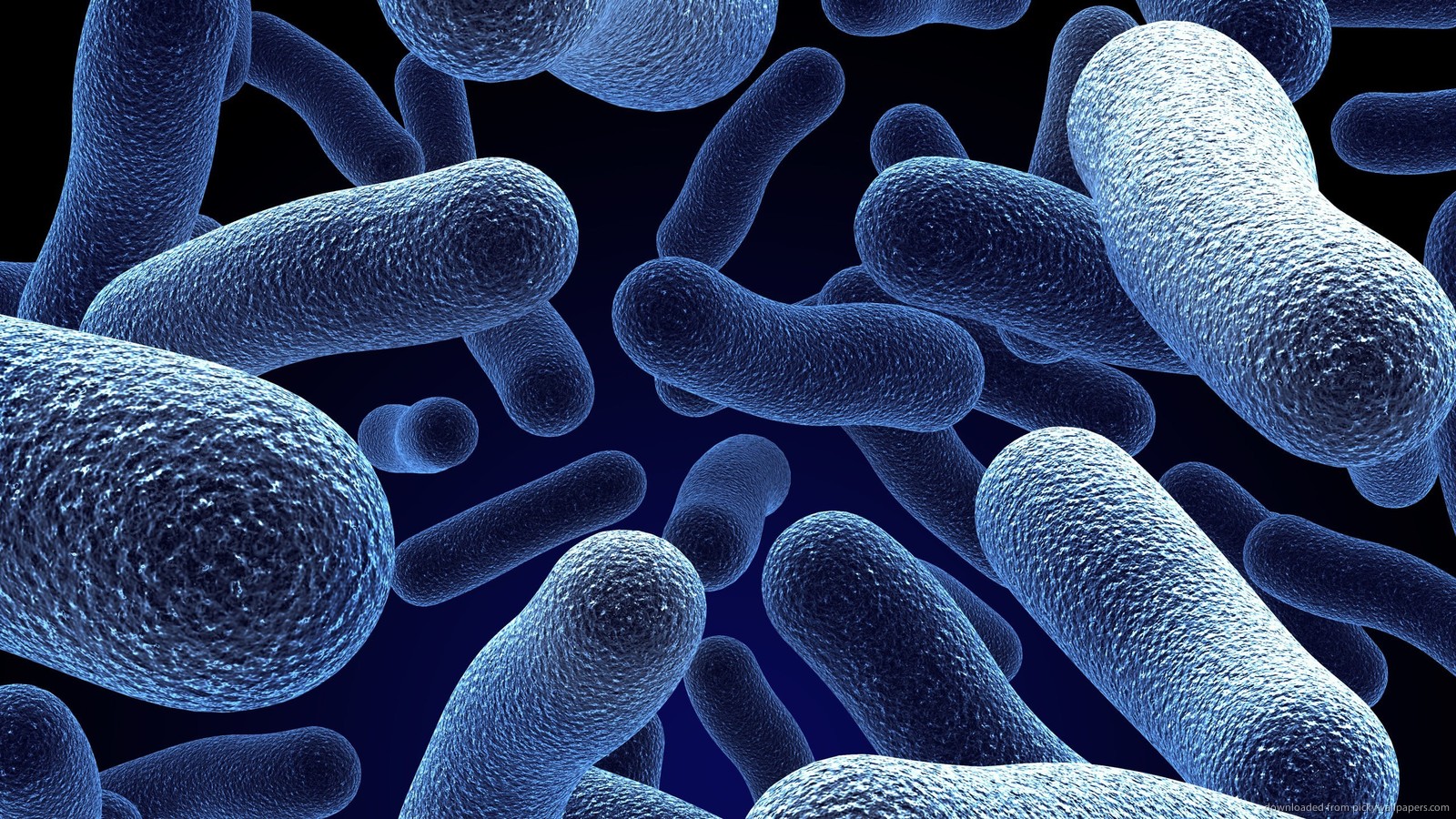
Bacteria that exists in your body is often thought of as unhealthy, but certain strains of bacteria in the intestines are crucial for proper digestion and overall health. Your intestines naturally hold about two pounds of bacteria in total, but this bacteria needs to be varied in species and abundant in the healthy strains.
Probiotics are friendly bacteria that make up the microbiome in the gut, or digestive tract; they are a key to good health, and the gateway to good digestion and regularity.
Levels of probiotics tend to decrease with age and are lowered by other factors including poor diet and obesity. As the level of probiotics decrease, problematic bacteria in the gut generally thrive and increase. Research shows that species of probiotics, when naturally present or consumed in adequately supportive quantities, may confer the greatest health benefits to individuals of all ages. These include lactobacillus (which inhabit the small intestine), mouth and vaginal tissue, and Bifidobacterium (which are more numerous and are major inhabitants of the large intestine (colon)). Both create many important metabolites out of our food and these perform a number of functions including burning fat, controlling our appetite, fueling digestion and detoxification, and supporting immunity.
The third critical group of probiotic bacteria known as bacillus, are spore-bearing bacteria that carry around their own house (and are the only ones to do so). This makes them resistant to heat, moisture and light, stomach acids and digestive enzymes and they are readily able to colonize the small intestine.
Prebiotics are non-digestible carbohydrates that act as food for probiotics. These can be found in whole grains, bananas, onions, garlic, honey and artichokes. But when you do not consume those foods in your diet, you can be creating a major deficit in prebiotics. Foods like yogurt are considered symbiotic, as they contain both prebiotics and probiotics – live, healthy bacteria and the fuel they need to survive.
In January 2017, scientists from the University of Colorado, the University of California and Mead Johnson Nutrition reported that supplementing the diet of lab rats with probiotics (galactooliosaccharide and polydextrose) plus lactoferrin and milk fat globule membrane, may improve non-REM sleep in early life and a quicker rebound in REM sleep after stress. Scientists reported, “In addition, the rats consuming the test diet had an attenuated stress-induced flattening of the core body temperature and were protected from the stress-induced decrease in gut microbial alpha diversity. These data are the first to show that a diet rich in prebiotics can modulate the sleep/wake cycle both before and after stress and induce stress-protective effect in diumal physiology and the gut microbiota.”