Aches in your back and joints are one thing (and are very common in older individuals) but when the aches turn into pain, you should really pay more attention. Here’s what you should be on the lookout for.
First, understand that pain and tenderness are two different things. Tenderness is a feeling of discomfort when a specific area is pressed down on. Pain is a general feeling of distress, without the need of pressure on a specific area. These two feelings are very common in a few conditions that are important to understand if you are feeling aches and pain in your back or joints. Fortunately, if you’re consistently experiencing aches and pains, there are ways to make your day to day activities more manageable.
Osteoarthritis
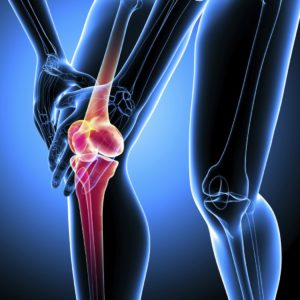 According to Claudia Guy, ND, of InVite® Health, “In the United States, more than 50% of individuals over 60 years of age have osteoarthritis, the most common form of arthritis.” Arthritis is defined as inflammation in the joints and is usually coupled with degeneration of cartilage tissue. This condition generally worsens with weight-bearing activities like exercising or other common daily activities. Jerry Hickey, R. Ph, Scientific Director of InVite® Health states, “Common medical treatments do not usually improve healing or change the path of this condition. Most are aimed at decreasing pain, inflammation, and stiffness while improving joint mobility. However, nutritional supplements are being studied intensively to see if they can slow the progression of cartilage destruction and redirect the course of the condition towards actual healing.
The breakdown of cartilage is central to osteoarthritis. Cartilage is a firm but rubbery shock absorber located at the end of bones that protects the bone and joint. In osteoarthritis the cartilage becomes stiff decreasing its shock absorbing quality causing it to gradually wear away. With increasing cartilage destruction, the bones can actually rub together causing tendons and ligaments to become stretched and painful.
Also according to Claudia Guy, ND, “Many studies support UC-II supplementation for joints to improve overall quality of life and activities of daily living. It supports arthritic, healthy joints, and joints that endure strenuous activities. UC-II has undergone rigorous third-party research and testing, and is proven effective, safe, and well-tolerated with no adverse effects.”
Click here for more information on UC-11 supplementation.
Fibromyalgia
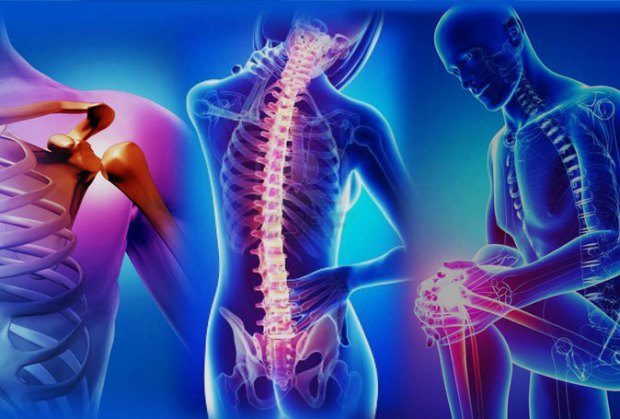
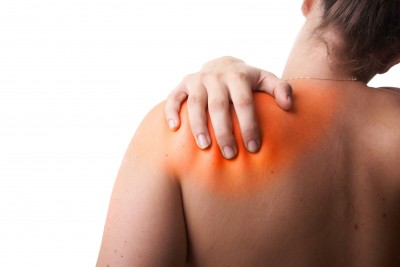 This is a chronic disorder that causes pain in the muscles and joints that is often associated with “trigger points” – places on the body where even light pressure causes pain, according to Healthline. According to standards published by the American College of Rheumatology, a person can be diagnosed with fibromyalgia if they have widespread pain and tenderness in at least 11 of the known 18 trigger points, including:
- The back of the head
- Tops of the shoulders
- Upper chest
- Hips
- Knees
- Outer elbows
If you have pain in your shoulders, it could be down to shoulder weakness and it is best you seek the advice of a doctor.
The National Institute of Arthritis and Musculoskeletal and Skin Diseases says this condition affects around 5 million Americans and that women account for 80-90% of all cases. Speak to your doctor for more information on this condition and which treatments are best for you.
Sacroiliac Joint Pain
The sacroiliac joints (also known as the SI Joints) are two joints that are in your lower back and sit on each side of your spine. Their function is to carry the weight of your upper body when you do normal every day activities like stand or walk. This pain can be dull or very sharp and can even spread to your upper back, thighs, or buttocks. Brought on by too much movement or too little movement, this condition is generally more common in young and middle-aged women, according to Spine-health.com, where content is reviewed by at least one member of the Medical Advisory Board and peer-reviewed. Treatment is mainly aimed at reducing inflammation and pain using physical therapy and exercise, as well as anti-inflammatory medications and drugs. Please be aware that many prescription medications can cause potentially serious nutrient depletions.
Bio-Curcumin has been studied to reduce joint pain better than a commonly prescribed prescription drug. Read more here!
Gout
 Gout is a buildup of uric acid in the body that crystalizes in the joints, causing painful inflammation. This is due to either too much uric acid intake (from foods such as chocolate, seafood, or red wine) or the body’s inability to naturally process it. This condition, if left untreated and in severe cases, can cause dangerous effects to the kidneys. Unlike the previously mentioned joint conditions, this condition mainly plagues men over the age of 50.
According to Medicinenet.com’s Kirkwood Johnston, MD, “The large joint at the base of the big toe is the most common site for a gout attack. Most commonly other joints affected are the ankles, knees, wrists, fingers, and elbows. Patients with gout attacks suffer a rapid onset of pain in the affected joint, followed by swelling, redness and severe tenderness, which can last hours or for several days.”
Dr. Johnston recommends staying well hydrated to prevent gout attacks, avoiding alcohol, limited your intake of shellfish or organ meats (liver and kidneys), and managing your weight and diet.
The University of Maryland Medical Center suggests specific herbs that are a safe way to strengthen and tone the body’s symptoms of gout –
What other joint conditions do you or someone you know suffer from? Leave us a comment to join the conversation!