Recent Posts

“Talk Test” to Determine Your Moderate Physical Activity

“Talk Test” to Determine Your Moderate Physical Activity

More than one-third of adults in the United States are obese. With that number on the rise, the risk of developing obesity-related conditions like heart disease, stroke, and type 2 diabetes is on the rise, as well. Your doctor has told you to start following …

Green Tea Pumps the Brakes on Accelerated Aging by Amanda Williams, MPH

Green Tea Pumps the Brakes on Accelerated Aging by Amanda Williams, MPH

Amanda Williams holds a doctorate in medicine from Xavier University in Aruba, a Master’s degree in Public Health from Nova Southeastern University, and a Bachelor’s degree in biology from St. Mary’s College Orchard Lake. Her background in disease state management allows for a unique nutritional …

Lutein Supplements May Improve Recovery from Light & Degradation

Lutein Supplements May Improve Recovery from Light & Degradation

According to data from the Lutein, Vision and Mental Acuity II (LAMA II) study, lutein and zeaxanthin may improve recovery from photostress and disability glare.

The Study on Lutein Supplements

Photostress recovery is “the amount of time the macular requires to return to its normal functioning level after exposure to a bright light source.” Disability glare has been defined as a “degradation of contrast which has been caused by a reduction in visual performance.”\

The study found that a lutein and zeaxanthin supplement was associated with increases in macular pigment density (MPOD) and significant improvements in photostress recovery (PSR), and disability glare (DG) thresholds after six months and 12 months. Researchers report, “The results of our study, particularly those from the PSR portion, are illustrative of effects elicited by both filtering of light by MPOD, and by retinal physiology enhancement by the [macular carotenoids].”

lutein supplements Vision Health

Your eyes are similar to a camera, and like a camera, if any part of your eye becomes damaged you do not get a clear picture. Some of the common risks that affect your vision are your lifetime exposure to sunlight, your age, and smoking. All of these contribute to cumulative damage that can affect the crystalline lens of the eye where cataracts can occur, clouding vision, or damage the sensitive macular region of the retina, also contributing to vision loss. These threats are magnified, especially if they occur in conjunction with a low intake of fresh fruits and vegetables or antioxidant supplements.

During our youth, there is a hearty supply of available nutrients to help protect the eyes – organs which consist of many smaller, delicate organs – from damaging effects of an unstable type of oxygen called free radicals. As we age, the pool of available nutrients decreases, exposing the eyes to the harmful impact of free radicals. As a natural reaction to protect itself, the eye is very selective in what it allows inside the cells. The activity of vision production alone releases a large volume of free radicals that can contribute to ocular aging. Many scientific studies have shown the benefits of Lutein and Zeaxanthin for eye health. Further studies support the use of N-Acetyl-L-Cysteine (NAC) for eye health, which creates Glutathione, and Bilberry to increase visual acuity and stamina for those with night blindness and tired eyes.

Read this study now: Bilberry Extract, along with Fish Oils and Lutein Improve Eye Fatigue

Drugs that Deplete Vision Health

Many drugs affect the eye, sometimes temporarily causing dryness or inflammation and sometimes causing permanent structural damage affecting the sharpness of your vision. Some of these drugs are commonly used and do not require a prescription. The entire family of NSAIDS (non-steroidal anti-inflammatory drugs) can cause visual side effects such as cataracts, dry eyes, and retinal hemorrhages that may result from long-term use. These include aspirin, ibuprofen, and naproxen sodium; all available without a prescription. Also acetaminophen, though not an NSAID, can be harmful. For a list of drugs and non-prescription medications that commonly deplete essential vitamins, minerals and nutrients, click here.

What do you think about this new study on lutein supplements? Leave us a comment to join the conversation!

INVITE® HEALTH CURRENT SALE

Life Expectancy in the U.S. Drops for the First Time Since 1993

Life Expectancy in the U.S. Drops for the First Time Since 1993

According to research from death certificates filed in all 50 states and the District of Columbia, the CDC’s National Center for Health Statistics has released a report stating that for the first time in more than two decades, life expectancy in the United States has …

Introducing: InVite®’s Herbal Foot Care Collection

Introducing: InVite®’s Herbal Foot Care Collection

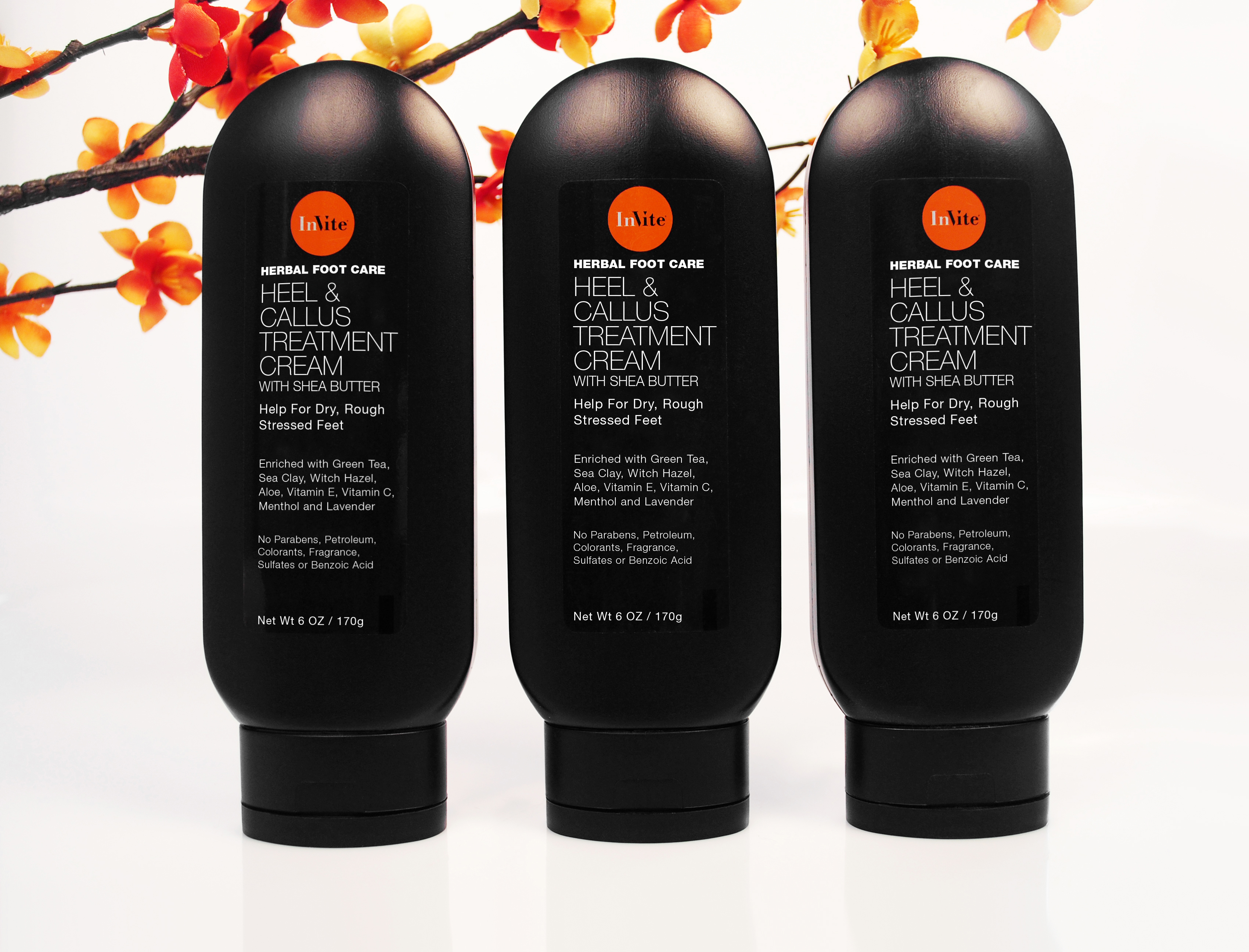
InVite®’s Herbal Foot Care Collection offers special formulations enriched with unique blends of natural oils, vitamins, minerals, and protein to renew, rejuvenate & revitalize the damaged skin of the feet. These natural blends offer enriching protection for healthy and smooth skin. If you suffer from …

Can Glucosamine and Chondroitin Support a Healthy Colon?

Can Glucosamine and Chondroitin Support a Healthy Colon?

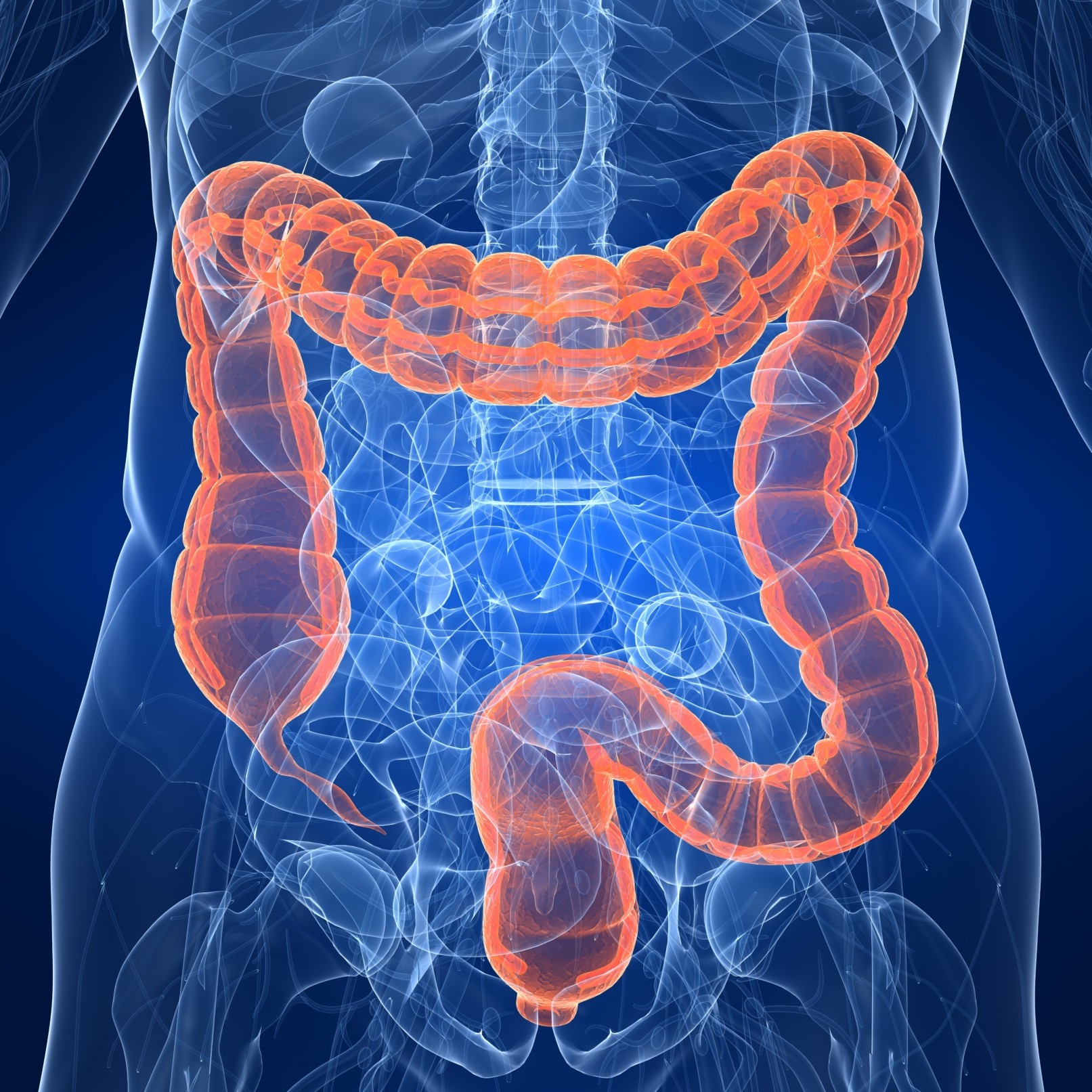
Glucosamine and chondroitin are supplements commonly used to support joint health. But a new study reports that these supplements may also support colon health via anti-inflammatory mechanisms.

Data from the Nurses’ Health Study and Health Professionals Follow up Study published in the International Journal of Cancer, report that these two supplements were associated with a 23% reduction in the risk of colorectal (colon) cancer.

Joint Pain and Osteoarthritis

Osteoarthritis (OA) is the most common form of inflammatory joint disease, characterized by the degradation of articular cartilage (found on many joint surfaces), with periarticular (tissues surrounding a joint) bone response often damaging the end of bone. Clinical manifestations of OA of the knee include pain in and around the joint, stiffness of the joint after rest, crepitation (crackling sound) on motion and limited joint motion, among others.

Joint Health supplements consist of nutrients and herbs that work in different, yet complementary ways to enhance joint comfort and health

Lifestyle changes including exercise, weight loss, an anti-inflammatory diet and other therapies have been recommended but typically acetaminophen and NSAIDs are used to manage the symptoms of arthritis, especially pain. The long-term use of these drugs, however, is associated with enhanced risk for gastrointestinal bleeding, ulcers, hypertension, congestive heart failure and renal insufficiency. People suffering from arthritis have turned to nutraceuticals or natural products to ease their pain and discomfort. A number of these nutraceuticals have been studied and used for many years and have proven to be well tolerated, as well as safe. Supplements can assist in regenerating healthy joint cartilage, and address the pain and inflammation that otherwise trigger a cascade causing further break down of healthy cartilage.

Glucosamine and Chondroitin

Glucosamine is naturally found in the human body and is involved in the creation of the molecules that form cartilage. Numerous clinical studies show glucosamine greatly benefits individuals suffering from osteoarthritis, as it has been shown to strengthen cartilage. As we age, exercise, and/or gain weight, the wear-and-tear of joints increases for many individuals, leading to occasional pains and discomfort in the knees, hips, back and elbows.

Chondroitin is also naturally found in the body in cartilage and bone. Numerous clinical studies show it may reduce pain and inflammation and support joint function, also benefitting individuals suffering from osteoarthritis. Together, Glucosamine and Chondroitin have been shown to help sustain abilities to take part in daily activities without joint pain.

Strong evidence that Glucosamine with Chondroitin Protect Adults from Colon and Rectal Cancers

The Study

Researchers report, “Results of this study suggest a potential beneficial effect of glucosamine and chondroitin supplementation on risk of colorectal cancer, and further support the previously observed association between use of these supplements and risk of colorectal cancer in the VITAL study. Additional studies are needed to better understand the association between the use of glucosamine and chondroitin and risk of colorectal cancer, and the mechanisms by which these supplements may affect risk of colorectal cancer.”

The study analyzed data from 68,466 women and 27,934 men, which yielded 672 cases of colorectal cancer. Researchers found the use of glucosamine was associated with 21% reduction in risk, while use of chondroitin was associated with a 23% reduction. The use of the two supplements together was “significantly associated with a 23% reduction in risk”, according to Dr. Elizabeth Kantor and her co-workers from the Memorial Sloan Kettering Cancer Center in New York.

What do you think about this new study on Glucosamine and Chondroitin? Leave us a comment right here on our blog!


INVITE® HEALTH CURRENT SALE