Recent Posts

Your Thyroid May Be The Cause of Your Sleeping Problems

Your Thyroid May Be The Cause of Your Sleeping Problems

Your thyroid is one of the smallest glands in your body, yet it is actually one of the most important. This gland is instrumental in the healthy regulation of functions like proper metabolism, energy levels, burning calories, the creation of body proteins and the reaction …

Study says Vitamin D Deficiency Linked to Heart Problems

Study says Vitamin D Deficiency Linked to Heart Problems

Vitamin D, commonly referred to as the “sunshine vitamin”, is naturally produced in the body through sun exposure but also can be consumed through some foods like fish and eggs and through supplementation. A vitamin D deficiency can occur for a number of reasons, which …

Brain Health Benefits of the Mediterranean Diet

Brain Health Benefits of the Mediterranean Diet

You’ve heard it all before – exercise regularly, follow a healthy diet, stop smoking and drinking. Doctors and scientists have always followed the same guidelines for overall health and wellness. But a new study from the journal Neurology shows a rather new advancement – following one particular diet may make your brain about five years younger.

An MRI was performed on 674 older adults (an average of 80 years old) who participated in the study to compare factors that included total brain volume and total gray matter volume. Gray matter is mainly composed of cell bodies that help carry out most of your conscious thoughts and coordination. White matter is composed of the axons that connect to the cell bodies, controlling pathways the messages or impulses travel through to get to the brain.

Food surveys were completed by the participants describing what they ate in the last year. The study’s results showed that the group who followed a Mediterranean diet had heaver brains with more gray and white matter.

The Mediterranean diet involves meals made of mostly plants like vegetables, fruits and beans. Fish and poultry are also included. The diet advises you to eat three servings of carbs a day, particularly whole grains but to limit the amount of meat, dairy and saturated fat you eat.

A combination of the Mediterranean diet and the DASH diet (requires you to eat less fish and fruit) dubbed the MIND diet, was created by scientists at Harvard and Rush University in Chicago. Their study concluded that people who ate a diet close to the MIND diet saw a 53% lower risk of developing Alzheimer’s. The Mediterranean diet is suggested by these researchers to help you live longer, manage your weight better and lower the risk of cancer and cardiovascular diseases (CNN). Jun Wang, MS and Director of Nutrition for InVite® Health, has reported on the DASH diet in an article he wrote entitled, Supporting Approaches to Managing Hypertension –

Dietary Approaches to Stop Hypertension (DASH) is a flexible and balanced eating plan that is based on research studies and specifically designed to lower blood pressure. The DASH diet focuses on the intake of fruits, vegetables, fat-free or low-fat dairy products, which includes whole grains, fish, poultry, beans, seeds, nuts and vegetable oils. The diet also limits the intake of sodium, sweets, sugary beverages and red meats. The DASH diet is low in saturated and trans-fats and rich in potassium, calcium, magnesium, fiber, and protein, along with the antioxidant pigments such as polyphenols and carotenoids found in produce. All of these components make this diet one of the best for cardiovascular health.

Former director of Nutrition for InVite® Health, Dr. Millie Lytle, ND, MPH, CNS has also reported on the Mediterranean Diet in an article entitled, Nutrigenomics for Prostate Health, which delved into the relationship between nutrients and genes. In her article, she reports the relationship between the Mediterranean Diet and prostate cancer –

Twenty men with diagnosed prostate cancer adhered to a Mediterranean diet, with specific adaptations, for three months. Prostate-specific antigen (PSA), C-reactive protein (CRP) and DNA damage were evaluated at baseline and after three months of following the diet. Dietary data was collated from diet diaries and an adaptation of a validated Mediterranean diet questionnaire. A significant reduction in DNA damage compared to baseline was apparent, with particular benefit noted for overall adherence to the diet, increased intake of folate, vitamin, legumes and green tea. Higher intakes of red meat and dairy products were inversely associated with DNA damage, meaning higher red meat and dairy consumption was associated with abnormal cells. The results from this small feasibility study suggest that a high-antioxidant diet, modelled on Mediterranean traditions, may be of benefit for men with prostate cancer. Protection against DNA damage appears to be associated with the diet implemented, theorized to be due to reduction in free radical damage from Reactive Oxygen Species.

For more information on the Mediterranean Diet, visit The Mayo Clinic or speak to a nutritionist or primary physician.

Source: http://www.cnn.com/2015/10/21/health/mediterranean-diet-healthier-brain/index.html


InVite® Health Current Sale

Healthy Vision by Jerry Hickey, R.Ph.

Healthy Vision by Jerry Hickey, R.Ph.

Your eyes are similar to a camera. Like a camera, if any part of your eye becomes damaged, you do not get a clear picture. Some of the common risks that affect your vision are your lifetime exposure to sunlight, your age, and smoking. All …

Study Suggests New Blood Pressure Guidelines for Those Over 50

Study Suggests New Blood Pressure Guidelines for Those Over 50

According to CNN, about a third of adults in the U.S. suffer from hypertension, a leading risk factor for heart disease, stroke, kidney failure and other health problems. Recent government data provided by the U.S. Department of Health and Human Services have indicated that between …

National Diabetes Awareness Month

National Diabetes Awareness Month

More than 29 million people in the United States have diabetes and 1 out of 4 of them have no idea.[1] In honor of National Diabetes Month this November, InVite® Health is urging you to take some time to understand the risk factors and preventative measures of this disease.

Diabetes is a vicious and life-threatening disease, where your blood sugar is continuously and seriously elevated (and your triglycerides are also). The excess circulating blood sugar is very destructive inflaming tissues in the heart and circulation, in the eyes, brain, kidneys, and nerve tissue leading to all manner of serious and life-threatening diseases.

This condition occurs due to various reasons, as your cells become resistant to the effects of the hormone insulin (stores sugar in your cells). However, long before full-blown diabetes occurs, at a stage referred to as pre-diabetes, your blood sugar is already modestly increased and the beginnings of damage to your kidneys, your blood vessel walls, and to your eyes is already occurring (perhaps it should be renamed early-stage diabetes); even a modest elevation in blood sugar should always be looked at seriously.

There are three main types of diabetes: Type 1, Type 2 and Gestational. Type 1 occurs because the body cannot make its own insulin to regulate blood sugar. It is less common in comparison to Type 2 and is not preventable. Type 1 refers to an autoimmune disease that attacks and destroys the insulin-producing cells in the pancreas; it is much less common. People with Type 1 always require insulin. Type 2 occurs when the body does not use insulin well or cannot regulate the blood sugar levels with the insulin it has. Nine out of ten people with diabetes have Type 2 diabetes, a preventable, more common disease that occurs when the body’s cells become resistant to the effects of insulin. This results in elevated levels of sugar and triglycerides in the blood. The most common cause of Type 2 diabetes is truncal obesity or having an apple-shaped body instead of a pear-shaped one. New evidence indicates that an increase in the circulating levels of CRP (C-reactive protein), an enzyme tied into inflammation and heart disease, is a major indicator of impending diabetes. Gestational diabetes (GA) occurs during pregnancy and occurs when the body is not able to produce or use the insulin needed during pregnancy.

According to the Center of Disease Control and Prevention, here are the major risk factors:

  • Being overweight
  • Being 45 years or older
  • Having a parents or sibling with type 2 diabetes
  • Being physically active less than 3 times a week
  • Ever having GA or giving birth to a baby that weighs more than 9 pounds
  • Race/ethnicity may affect your risk – African-Americans, Hispanics/Latino Americans, American Indians, Pacific Islanders and some Asian Americans are at a high risk of Type 2.

To determine your risk of developing this condition, your doctor will perform a blood test after you fast for 12 hours. If your blood sugar after fasting is lower than 99, you are likely normal. However, if the blood sugar is between 100 to 125 mg/dL you have impaired fasting blood glucose and your risk of developing diabetes is increased. You are also at risk of developing cardiovascular disease.

For many individuals diet, exercise, and particular nutrients are very beneficial at this point and can help restore blood sugar levels down towards normal. Some drugs are also prescribed for this effect. If your fasting blood sugar is above 125mg/dL you are considered to have full-blown diabetes and it must be treated aggressively.

Being diagnosed with this condition means you will have to constantly be sure your body is balanced – your food consumption, activity level, medication and blood sugar levels. Here are some tips from the CDC on how to manage your diabetes on a daily basis:

  • Follow a healthy diet
  • Be sure to be active for 10-20 minutes a day
  • Regularly take your diabetes medicine prescribed by your doctor
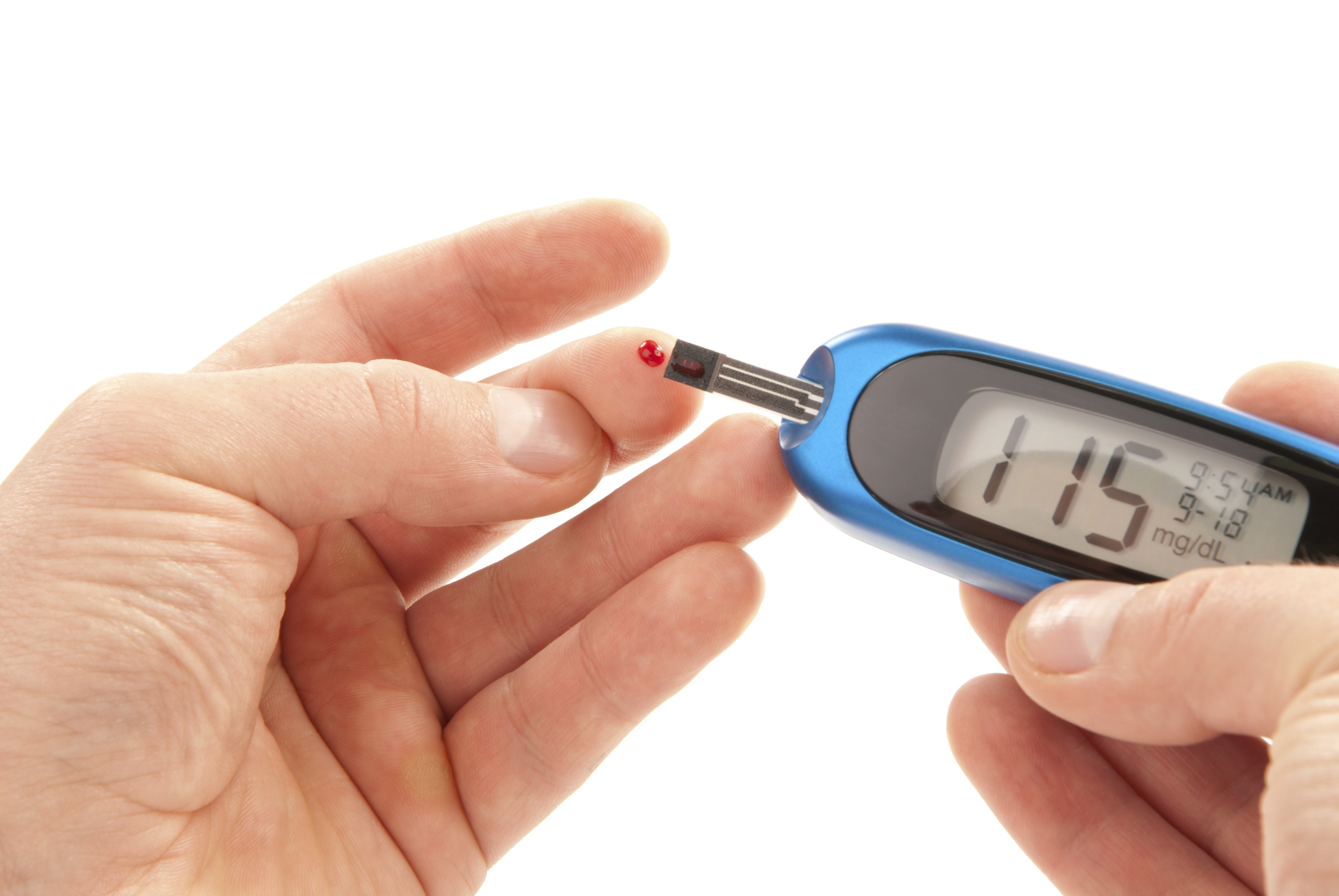
  • Test your blood sugar to understand and track your blood sugar levels

Managing this condition may be tedious, but keeping a record of your treatment plans, feelings and medications could help keep it manageable. Follow your ABCs– the A1C test, Blood Pressure, Cholesterol and (not) Smoking.

For more information on diabetes and how you can prevent it, visit http://www.cdc.gov/features/livingwithdiabetes/index.html.


For more information, visit http://www.invitehealth.com/blood-sugar.html

InVite® Health Current Sale