Recent Posts

How to Approach Sarcopenia As You Age

How to Approach Sarcopenia As You Age

By Archana Gogna, MS, CNS, MBA Maintaining strong and toned muscles are very important; not just for the sake of vanity and for attracting admiring looks, but the health of muscles translates to real health and vitality. While a great deal has been made of strong …

Could Walking Every Day Add Years to Your Life?

Could Walking Every Day Add Years to Your Life?

New research presented at the European Society of Cardiology congress suggests that regular exercise can delay the aging process up to seven years. Those experts suggest that one 25-minute walk per day, can halve the risk of heart attack heath and add seven years to …

A Message from our Scientific Director, Jerry Hickey, R. Ph.

A Message from our Scientific Director, Jerry Hickey, R. Ph.

A Message from our Scientific Director, Jerry Hickey, R. Ph.

Back in the 1970s when I attended Saint John’s University School of Pharmacy, I was learning all about chemotherapy. I was also learning how damaging the drugs used to treat these diseases could be and how devastating cancers and other diseases were. It began to occur to me that perhaps there was a way of avoiding the disease process or at least stacking the odds against developing many of today’s more common diseases. One sure fire way of helping was good nutrition and the emerging studies on gene vs. environment support the career path I have chosen. The reason so many different plant ingredients are so healthy is not simply because they lack cholesterol or because they are rich in antioxidants; these being good enough qualities on there own to justify consumption, but because they contain phytochemicals that positively impact good health by managing the activity of your genes. Broccoli and other cabbage vegetables, green tea and the ingredients in red grapes are just some examples of foods that protect you by properly conducting the orchestra which is your genes.

I have dedicated my entire life to collating and disseminating this information and to designing products to support the effort. Helping me in this journey is my team of nutritional professionals; a group of hand chosen, caring and dedicated practitioners. A gifted member of the team is active at every location and I want you, our client, to take advantage of this knowledge. At every InVite® Health retail location is a genuine health care professional with strong academic credentials there to help you. Spend some time with an InVite® Health professional so they can take the time to assist you in the selection of the correct nutrients to address your health concerns.

Need help getting started? Fill out our Nutritional Consultation Form, which is designed to help us to better understand your nutritional and supplemental needs and help you InVite® Health into your life!

Come in and speak with our health professionals. Our nutritional consultations are FREE!

All of our InVite® Health locations have health professionals – physicians, pharmacists and nutritionists with advanced degrees. They are highly qualified to answer all your nutrition questions and guide you to the appropriate supplements for your specific needs.

If you are not able to visit our stores, please e-mail or contact us with any of your nutritional questions.

InVite® Health Current Sale

The Top 7 Essential Vitamins for Those Ages 40+

The Top 7 Essential Vitamins for Those Ages 40+

Essential vitamins are a key component in every day healthy life, especially when you do not or cannot consume the daily value of vitamins and minerals needed daily. Everyone can benefit from taking vitamins (and not just those over 40 years), in fact, many women …

Drug-Induced Nutrient Depletion Chart

Drug-Induced Nutrient Depletion Chart

Whether you occasionally take a pharmaceutical like an antibiotic, or count on a drug long term such as a cholesterol lowering statin, your need for specific nutrients increases. You must be aware that many prescriptions, as well as commonly used over-the-counter drugs, cause potentially serious …

One in Four Women Over Age 65 Have This Painful Disorder

One in Four Women Over Age 65 Have This Painful Disorder

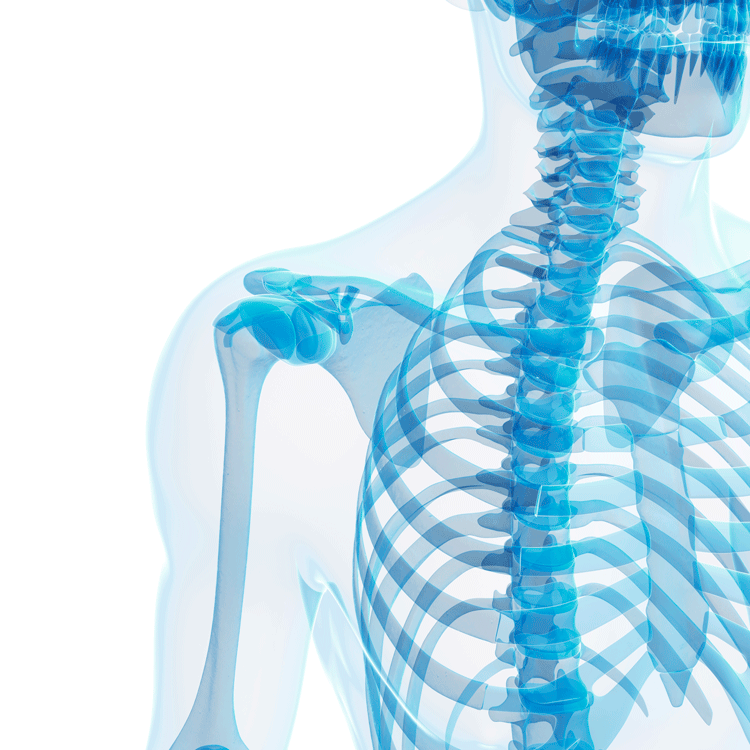
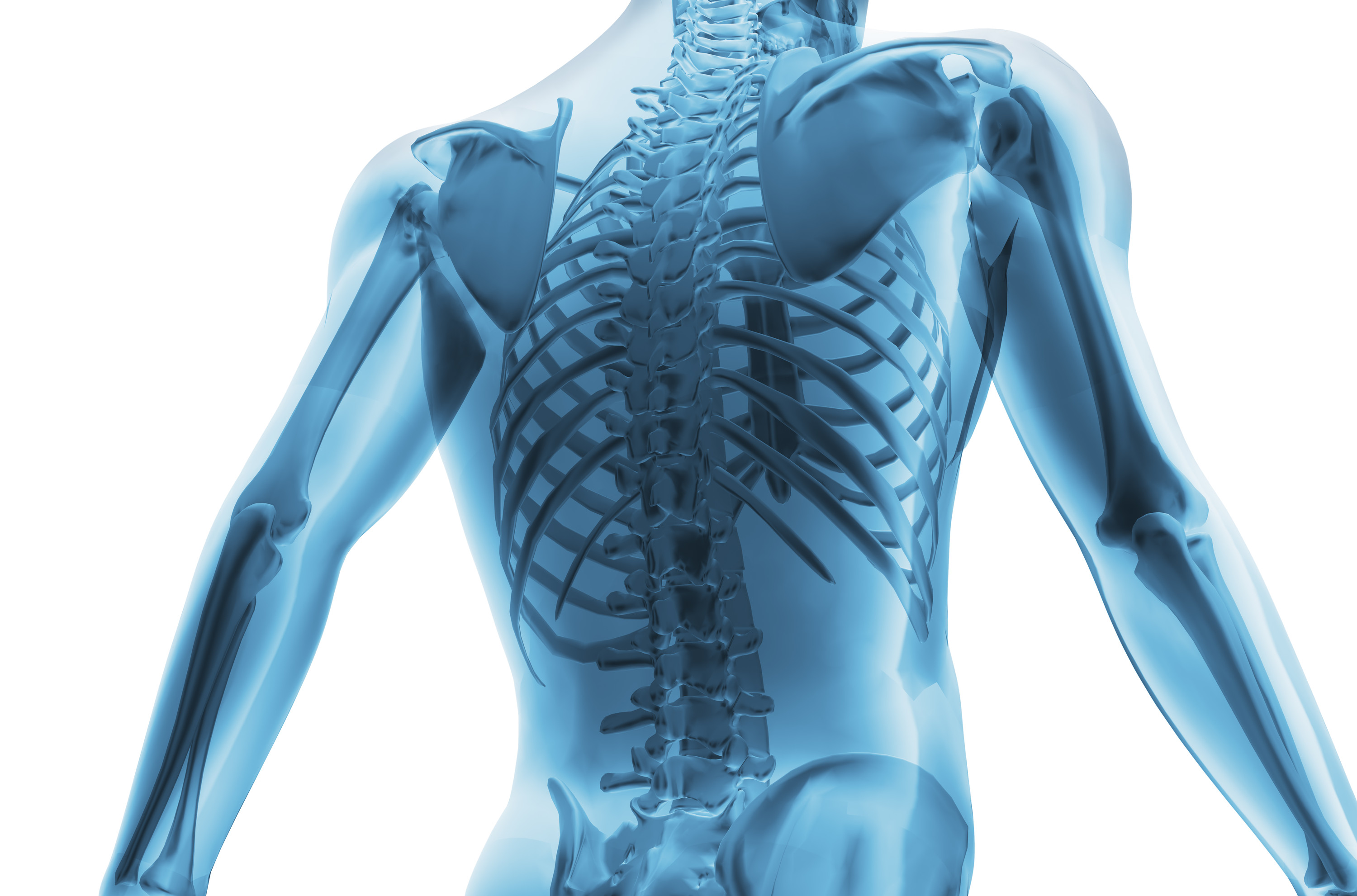
The Center for Disease Control (CDC) has reported roughly one in four women over the age of 65 have osteoporosis of the hip and spine, a painful and debilitating bone disorder. Yet, this disorder only plagues less than 6% of men over the age of 65. The report used data from the 2005-2010 National Health and Nutrition Examination Survey (NHANES).

Ethel Siris, MD, director of the Osteoporosis Center at the New York Presbyterian-Columbia University Medical Center says the difference of the results between men and women are because, “Men tend to have bigger bones, and they go through different hormonal changes. Compared with men, women suffer a “double-whammy” when it comes to bone strength. They have less bone to lose and menopause’s hormonal shifts further deplete bone density.”

Here are some tips, according to Prevention, on how to practice good bone health:

Get Tested

Usually carried out by a simple X-ray test, a bone mineral density test measures the density of the minerals in your bones (like calcium) and is used to determine your bones strength. Yet, the journal Osteoporosis International reports, “…only a small proportion of older men and women have a BMD (bone mineral density) test.” This test is very important for women and men over the age of 50 who suffer from fractures of the hip, spine, shoulders and wrists, as Prevention advises those may be clear indicators of osteoporosis.

Three important factors in preventing osteoporosis

Siris explains that women over 50 and men over 70 need about 1,200mg of calcium every single day – “You can easily get adequate calcium from your diet, through foods like yogurt and cereal fortified with calcium. But you may also need calcium supplements, which you should discuss with your doctor.”

Vitamin D helps you maintain great bone health by helping the body absorb calcium, aiding in the proper function of your liver and kidneys, and boosts your immune system to be sure it is working at its full potential (USDA). Siris advises taking a vitamin D supplement, as getting enough vitamin D through food and sunlight can be difficult.

Studies have shown exercise to “improve agility, muscle strength and posture”, which in-turn will help reduce your risk of falls and fractures. Siris suggests working out your muscles to relieve some of the pressure from your bones which may slow down the progression of bone loss.

If you have already been diagnosed with osteoporosis, Siris suggests, “Several drug options are well tolerated, inexpensive and effective at reducing your fracture risk. In addition to prescriptions, your doctor may advise you to take a calcium supplement. Of course, calcium, vitamin D and exercise will continue to benefit your bones even if you’re suffering from osteoporosis. Speak with your doctor to work out the best treatment plan for you.”

InVite® Health Current Sale